
The Roots of Egyptian Cuisine in Ancient Times
The history of Egyptian cuisine spans thousands of years, with food culture closely tied to the Nile River and agriculture, which formed the foundation of Egyptian civilization. Archaeological evidence indicates that bread and beer were staples of the diet in ancient Egypt, with bread primarily made from emmer wheat 1. The cultivation of vegetables, fruits, and legumes such as green onions, lettuce, dates, figs, and peas was also known, and these ingredients remain present in Egyptian cuisine today. Researcher Mennat-Allah El Dorry emphasizes the importance of distinguishing between knowing the ingredients and knowing the recipes; archaeological evidence introduces us to raw materials more than it does to the method of assembling dishes 2. Therefore, it cannot be asserted that modern dishes were identical in the Pharaonic era without direct evidence, and caution must be exercised when attributing contemporary recipes directly to the Pharaohs. Furthermore, tomb scenes and discovered tools have shown how ancient Egyptians ground grains and baked bread in various forms, reflecting the importance of this process in their daily lives. Meat and fish were also part of the diet, with fish caught from the Nile and dried or salted for preservation, while meat was primarily consumed on special occasions and by the upper classes.
The Evolution of Food Through the Ages
Egyptian cuisine has undergone numerous transformations throughout history, influenced by the civilizations that passed through Egypt. During the Ptolemaic and Roman periods, new crops and agricultural techniques were introduced, affecting dietary diversity. In the Fatimid era, Cairo transformed into an urban center that absorbed diverse influences and crops, leading to a notable evolution in culinary arts 4. Ottoman and European influences followed later, enriching the Egyptian table and adding new flavors. A notable development was the spread of tomatoes in the nineteenth century, which became a staple in many modern Egyptian dishes. In the twentieth century, major transformations occurred related to the construction of dams, industrialization, automated bakeries, refrigeration, economic policies, and the media, which changed the methods of food preservation and preparation 4. These transformations were not limited to ingredients but also included cooking methods and kitchen tools that evolved to meet the demands of the times, making Egyptian cuisine a unique blend of ancient traditions and modern influences.
Food and Social Bonds
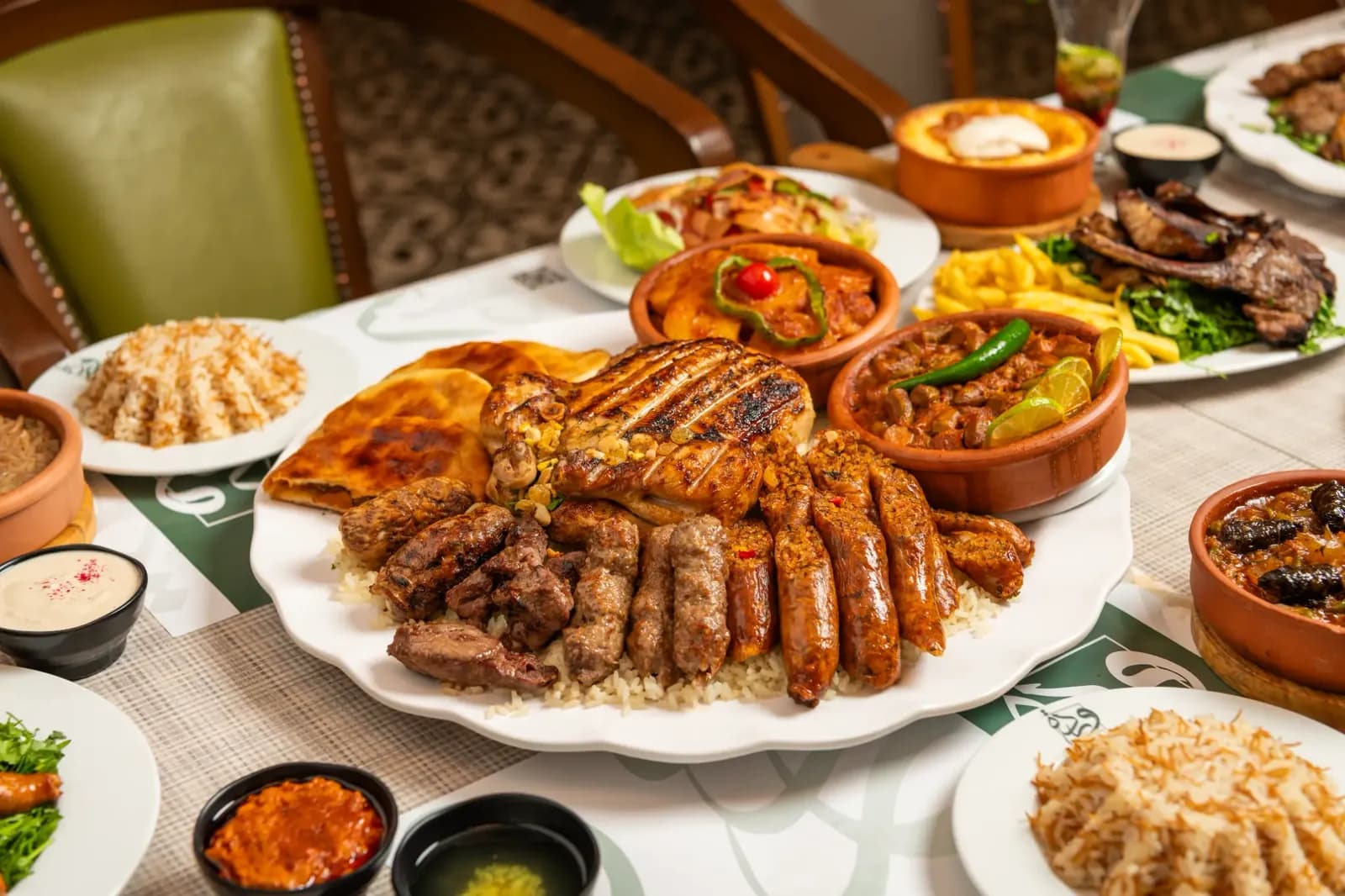
Food in Egypt was not merely a means of survival but was closely associated with religious occasions and gatherings of family and close friends, reflecting the warm social nature of Egyptians 1. Studies emphasize the role of food in rituals and feasts, where regular meat consumption was more common among the affluent classes, while for others, it was associated with special occasions and holidays 1. There are multiple popular narratives regarding the origins of certain dishes, such as molokhia, but these stories should be treated as circulating, unresolved tales, and should not be transformed into definitive historical facts 3. The gathering of the family around the dining table is considered one of the most important traditions that maintain family bonds, as generations exchange stories and experiences while sharing meals, making food an integral part of the cultural and social identity in Egypt.
Essential Ingredients and Their Impact
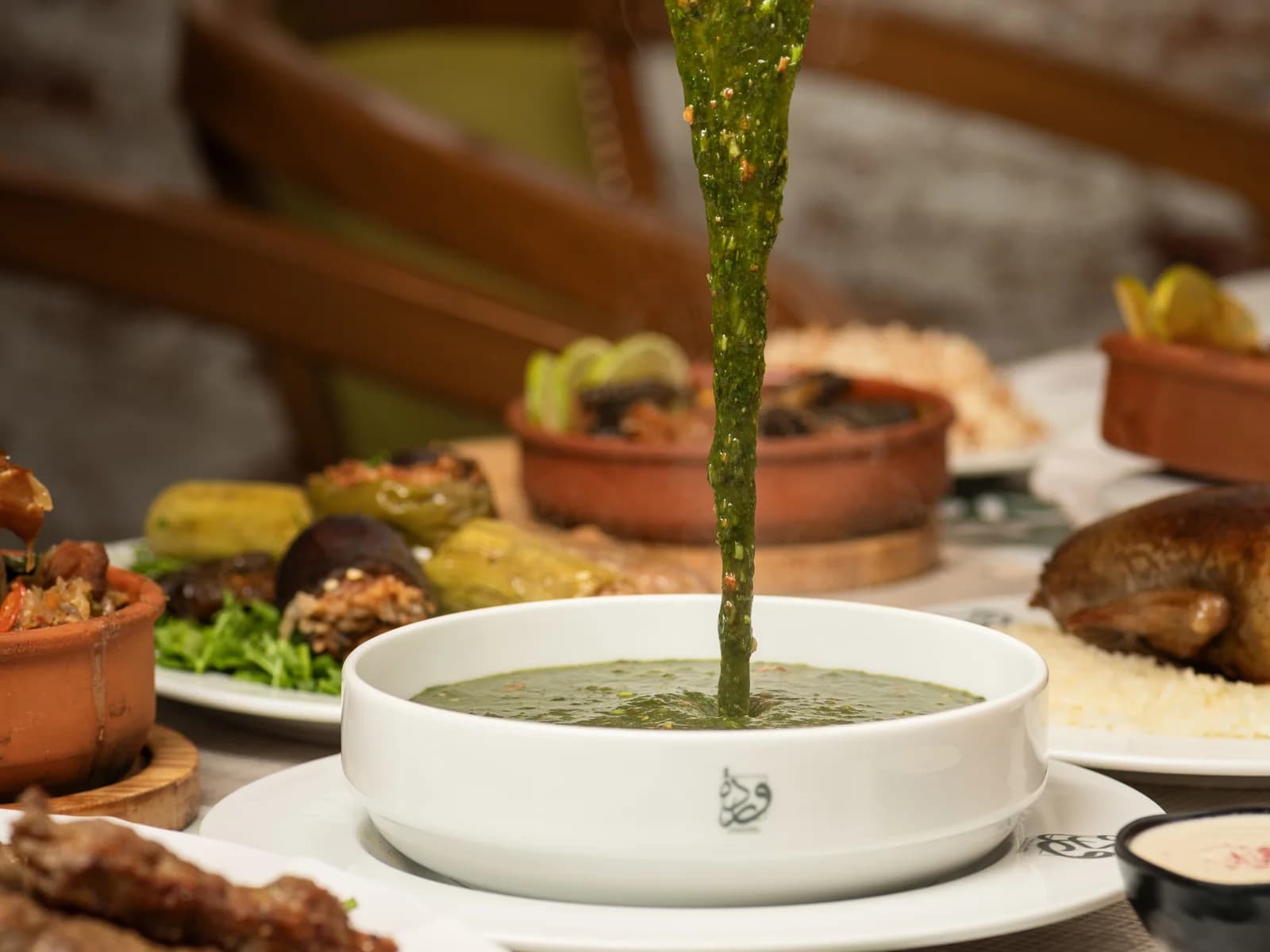
Egyptian cuisine relies heavily on legumes, grains, and fresh vegetables. Ful medames, for example, is considered a staple dish based on legumes, and although fava beans were known in ancient times, the current method of preparation may have evolved over time. Furthermore, the use of spices and herbs such as cumin, coriander, and garlic adds a distinctive flavor to Egyptian dishes, reflecting the cultural and commercial diversity that Egypt has experienced throughout its long history. Fish also played an important role in the ancient Egyptian diet, as the Nile was a rich source of fish that were dried and salted for preservation. These traditions continue in some modern dishes that rely on salted fish during certain occasions such as Sham El-Nessim, a celebration with roots dating back to ancient times.
Meat and Feasts in Egyptian Culture
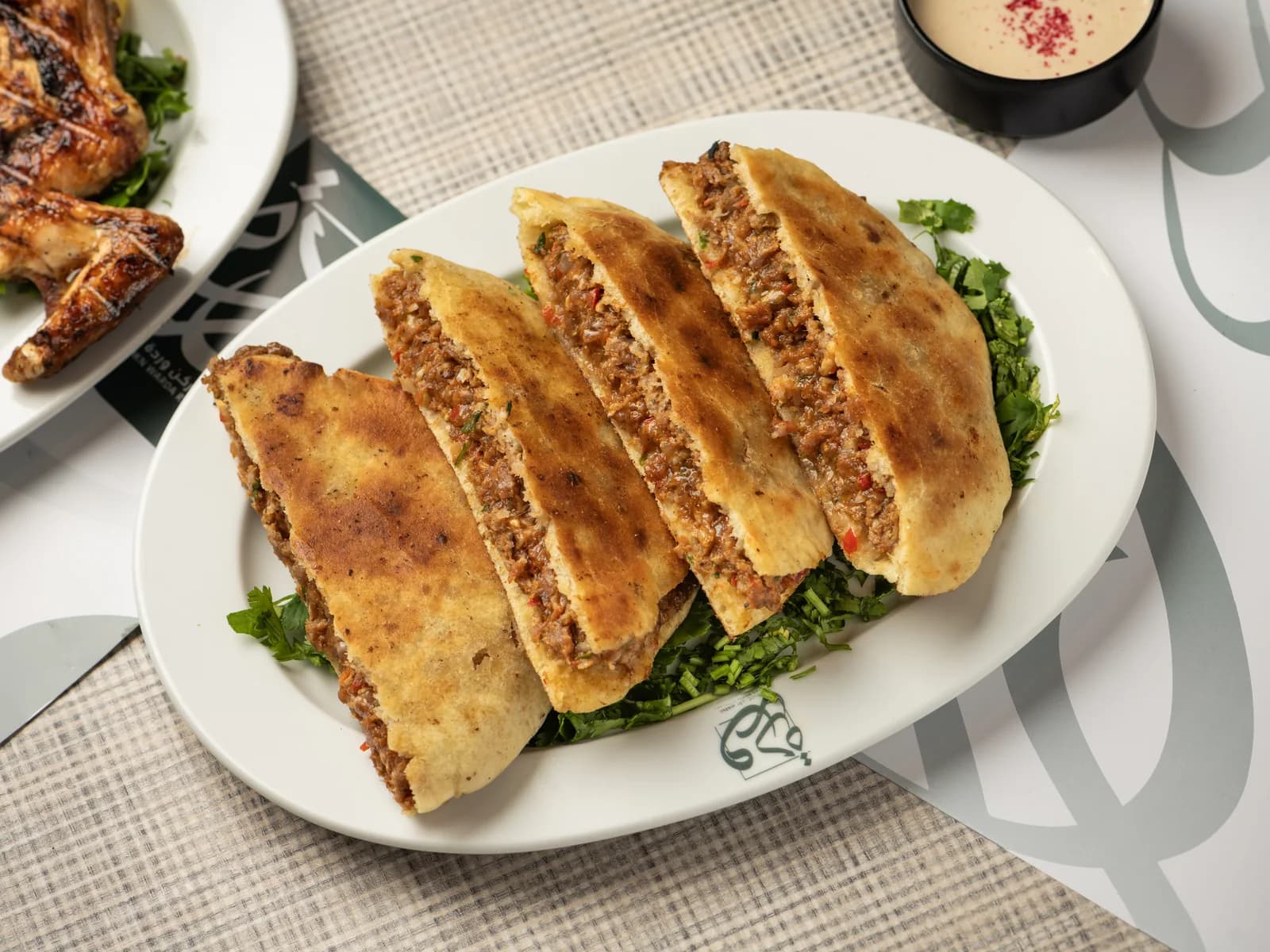
Archaeological evidence shows that regular meat consumption in ancient Egypt was more common among the affluent classes, while for the general public, it was associated with special occasions 1. Sources of meat included fish, ducks, geese, sheep, and goats 1. Feasts were also linked to religious occasions and gatherings of family and close friends, a tradition that continues in contemporary Egyptian culture 1. This close association between food and social occasions reflects the cultural importance of food as a means of communication and an expression of generosity and hospitality, values that remain deeply rooted in Egyptian society today.
Studies indicate that the role of food in rituals and feasts has had a significant impact on the formation of Egyptian food, where ancient traditions intertwine with contemporary customs 3. Although there are various popular narratives regarding the origins of some dishes, they should be treated as circulating, unresolved tales, relying instead on documented historical evidence 3. Popular narratives should not be turned into definitive facts, but rather one should rely only on what is supported by evidence or clearly presented as a disputed circulating narrative 3.
The Egyptian Cuisine Experience at Rokn Warda
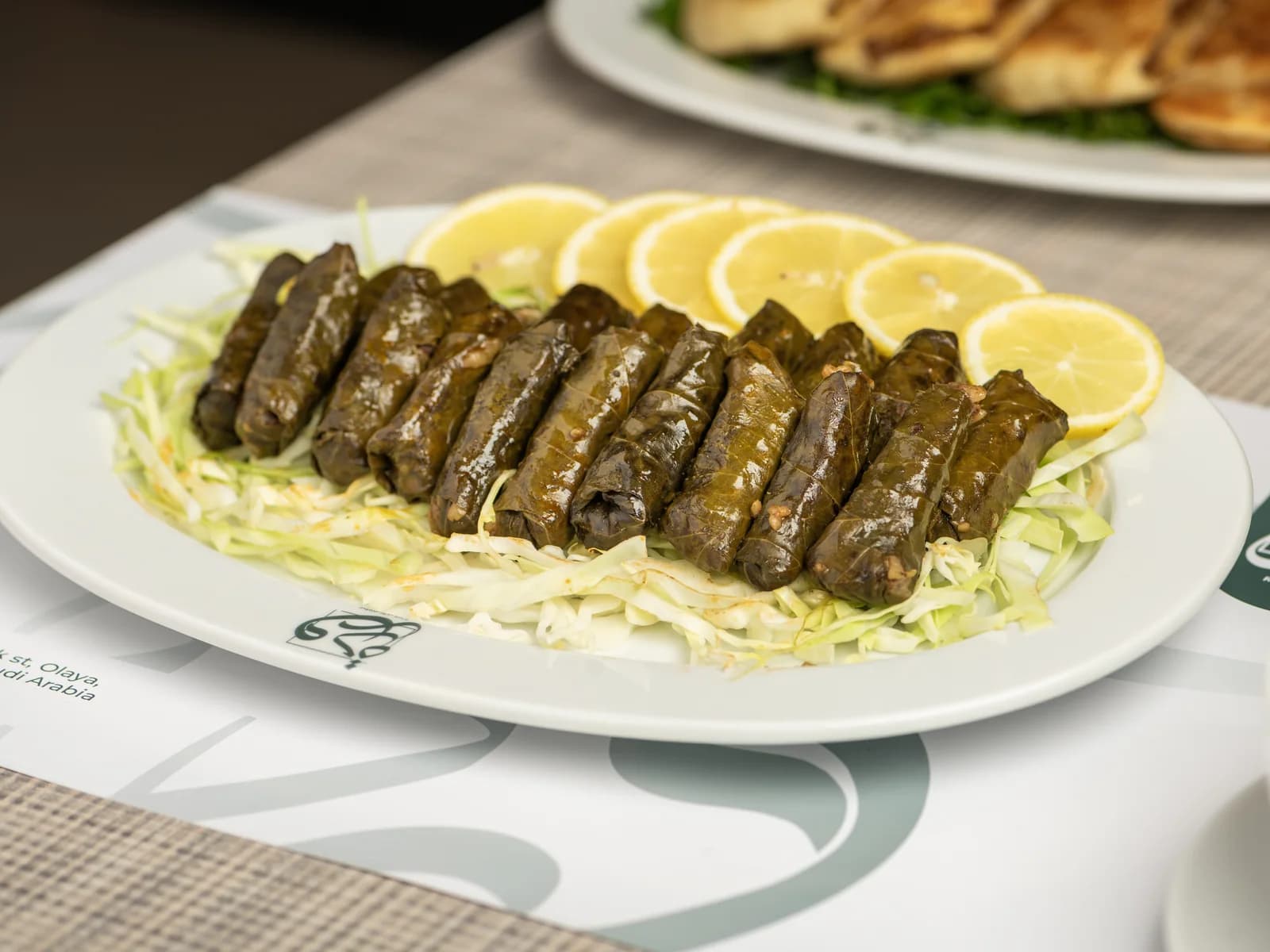
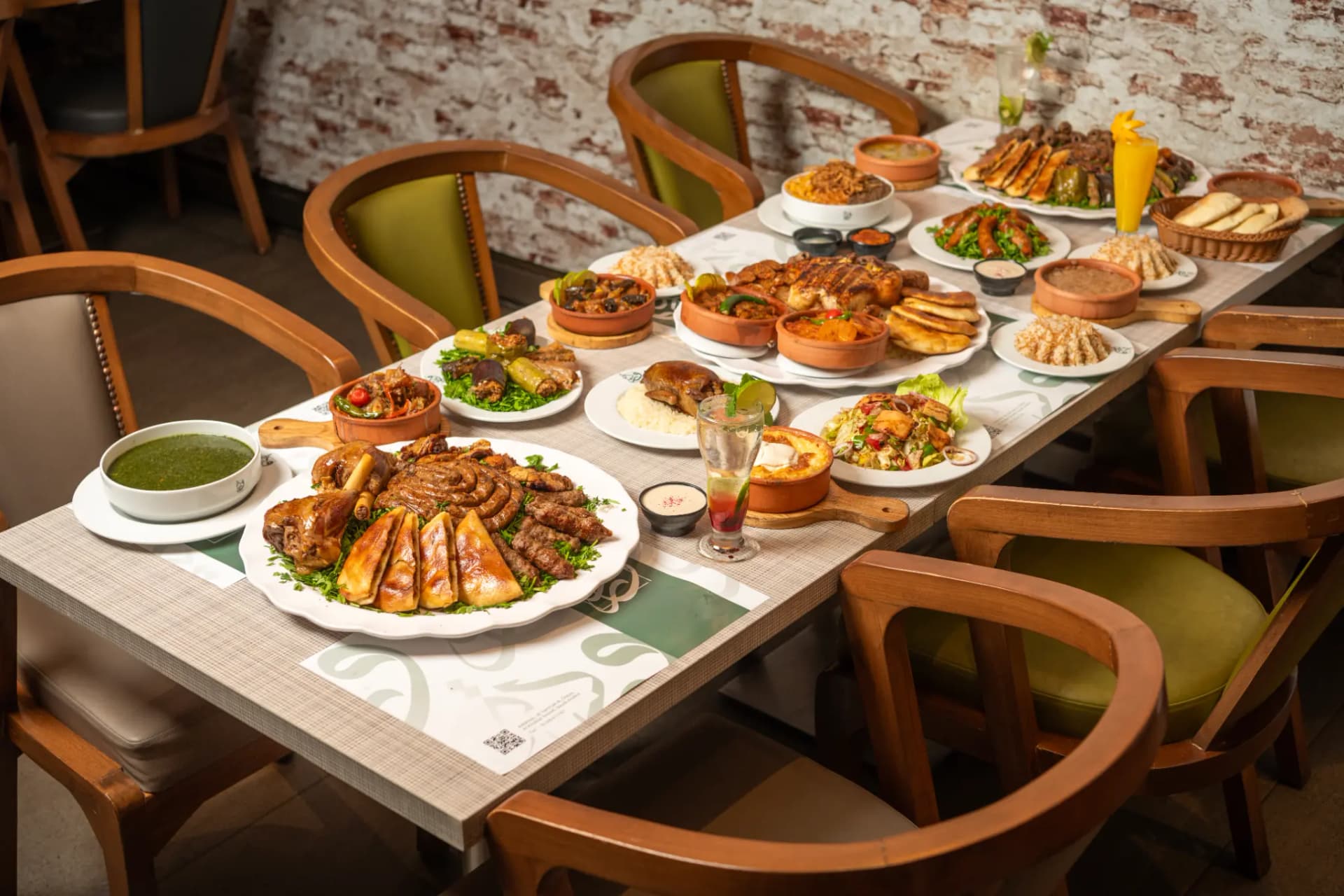
At Rokn Warda restaurant, we are keen to offer an experience that reflects the authenticity of Egyptian cuisine. Our restaurant is located at 75RP+W24 Al Yarmouk St, Al Khobar, Saudi Arabia 34446, and provides a quiet family atmosphere with outdoor seating and a fountain. We use fresh meats in our dishes and provide a suitable environment for families and children, with smoking allowed in the outdoor seating and sports matches shown. We invite you to taste our diverse dishes that reflect the richness of Egyptian cuisine.
Quick Links
Menu · Suggested Dish · Cart · Reservation · Location · WhatsApp
References
- 1Food and Feasts in Middle Kingdom Egypt — The Metropolitan Museum of Artmetmuseum.org
- 2Eat Like an Egyptian — AUC Todayauctoday.aucegypt.edu
- 3Influence of the traditional food culture of Ancient Egypt on the transition of cuisine and food culture of contemporary Egypt — Journal of Ethnic Foodslink.springer.com
- 4A History of Food in Egypt — RAWI Publishing / Google Arts & Cultureartsandculture.google.com