Charcoal or gas grills? It is a question that comes up whenever someone thinks of buying a grill for home, or whenever friends get into a friendly argument over the taste of kofta. Everyone agrees that «charcoal tastes different», but few know why. In this article we explain the difference simply: the type of heat, the dripping fat, the smoke, the browning, how to tell the two apart by taste, and the pros and cons of each if you grill at home.
In this article
- 1Charcoal or gas grills: the difference starts with the heat
- 2Dripping fat: the secret of the aromatic smoke
- 3Grill marks and browning
- 4Taste: how to tell them apart
- 5For the home cook: pros and cons of each
- 6A quick comparison table
- 7Safety with both
- 8Charcoal grills at Rokn Warda
- 9Frequently asked questions
- 10Taste the difference yourself
Charcoal or gas grills: the difference starts with the heat
Embers give dry heat that hits the surface
When charcoal is lit and becomes embers, it gives off strong, dry radiant heat, like the midday sun on your face. That heat hits the surface of the meat directly, quickly drying the moisture on it and starting the browned crust we all love.
Gas heats with flame and hot air
A gas grill heats with flames under a grate or metal plates, and much of its heat comes from hot air moving around the food. Burning gas also gives off water vapour as a natural product of combustion, so the air around the meat is a little more humid. The result is that browning can take longer and come out lighter.
Dripping fat: the secret of the aromatic smoke
This is the biggest difference in taste.
- On charcoal: when fat and juices drip onto the embers, they burn at once and give off aromatic smoke that rises back onto the meat and clings to it. That is a large part of what we call «the charcoal taste».
- On gas: the fat falls onto metal plates or stones above the flame and makes smoke too, but usually less and lighter.
- The smell of the charcoal itself: lump charcoal comes from wood and gives off a light aroma of its own as it burns, while a gas flame tastes clean and has almost no smell.
That is why the difference shows more in fatty food such as kofta, tarb and lamb chops; the more fat drips, the more smoke there is and the clearer the taste. To learn more about tarb and its fat, read Egyptian tarb.
Grill marks and browning
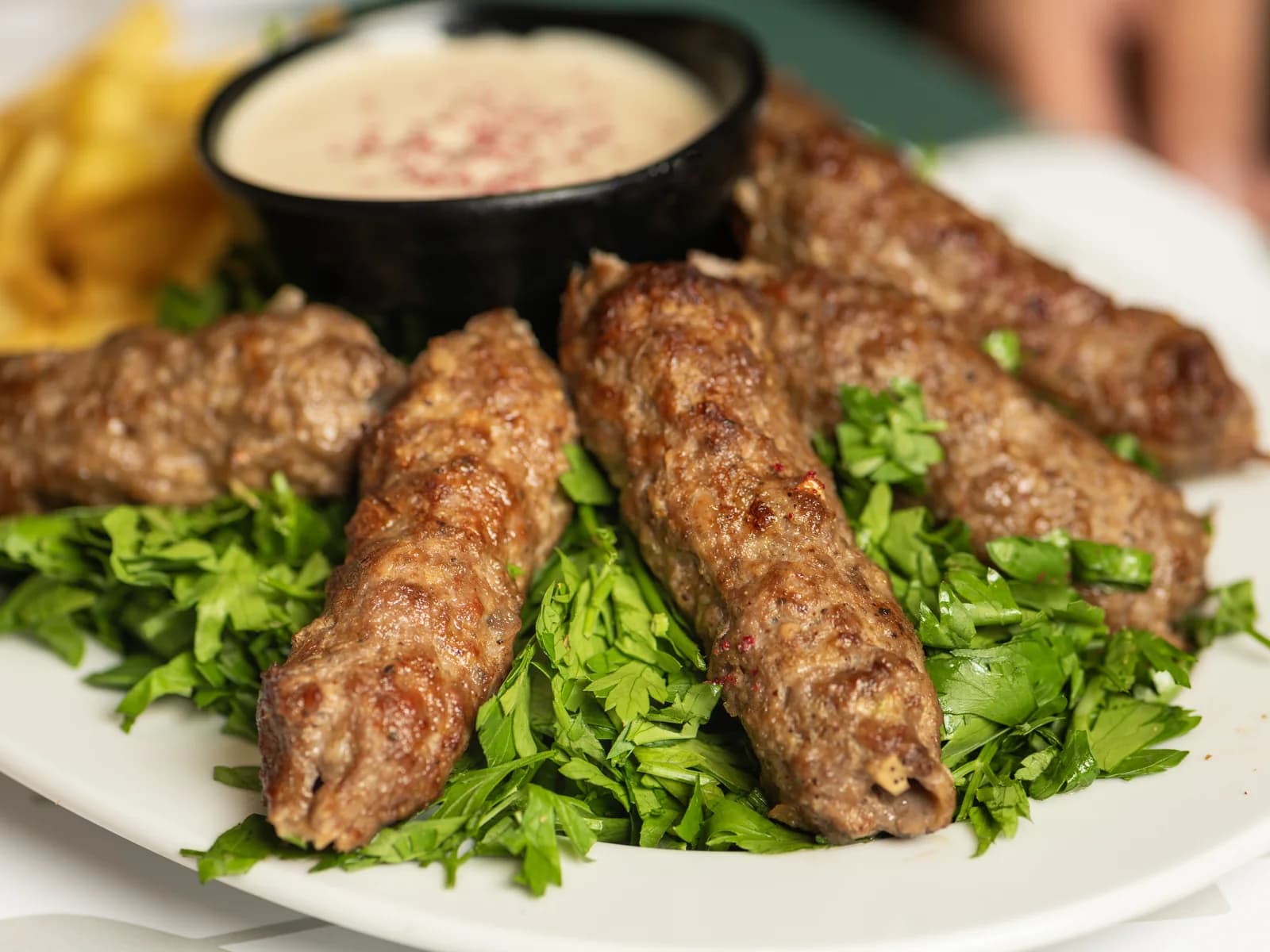
- On charcoal: the grate or skewer marks are darker and clearer, the crust deeper and the edges crisper.
- On gas: there are grill marks too from the hot grate, but usually lighter, and the cooking is more even across the surface.
Either way, good browning is golden brown, and bitter black is burning, not grilling. These signs are covered in detail in grill quality in Al Khobar.
Taste: how to tell them apart
Grilled over charcoal
- A clear smoky taste that you feel in the bite, not only in the smell.
- A deeper, crisp crust, tender and juicy inside when the grilling is right.
- The grilled aroma stays with you after the bite.
Grilled on gas
- A cleaner, lighter taste, where the meat itself and the marinade come through more clearly.
- A lighter crust and even cooking.
- Suits people who do not like heavy smoke.
To be honest, the difference is not always big. With thin pieces that cook fast you may not notice much, but with Egyptian grills that carry fat and marinade, charcoal makes a difference you can taste.
For the home cook: pros and cons of each
Charcoal
Pros:
- The smoky taste and deep browning.
- The strong heat of the embers suits kebab and kofta.
- Simple, portable grills.
Cons:
- It takes time for the embers to be ready.
- Controlling the heat takes experience: dividing the embers into a hot zone and a gentle zone, and using the air vents.
- Ash and cleaning, and smoke that may bother the neighbours.
Gas
Pros:
- Lights at the press of a button and is ready quickly.
- Heat is controlled with a knob and easy to keep steady.
- Easier cleaning, with no ash.
Cons:
- Much less smoky taste.
- Needs a gas cylinder and checks on the hose and connections.
- Some grills give weaker heat than strong embers, so browning takes longer.
A quick comparison table
| Charcoal | Gas | |
|---|---|---|
| Type of heat | Strong, dry heat from embers | Flame and hot air, a little more humid |
| Smoke and aroma | Aromatic smoke from dripping fat, plus the charcoal aroma | Less smoke, a clean smell |
| Browning | Deeper and darker | Lighter and more even |
| Taste | Smoky and pronounced | Cleaner and lighter |
| Getting ready | Takes time for the embers to be ready | A button, ready quickly |
| Control | Experience and dividing the embers | A knob |
| Cleanup | Ash and more work | Easier |
Safety with both
- Never use charcoal indoors or in any closed space, such as a garage, a closed tent or an enclosed balcony, because it gives off carbon monoxide, a colourless, odourless and very dangerous gas. Always grill in the open air.
- Gas: check the hose and connections before use, and run the grill in an open space away from anything flammable.
- If you are lighting charcoal for the first time, the safe step-by-step method is in preparing a charcoal fire for grilling.
And the type of fire is not everything: overcooking dries out meat on charcoal and gas alike, as we explain in grilling mistakes that dry out meat.
Charcoal grills at Rokn Warda
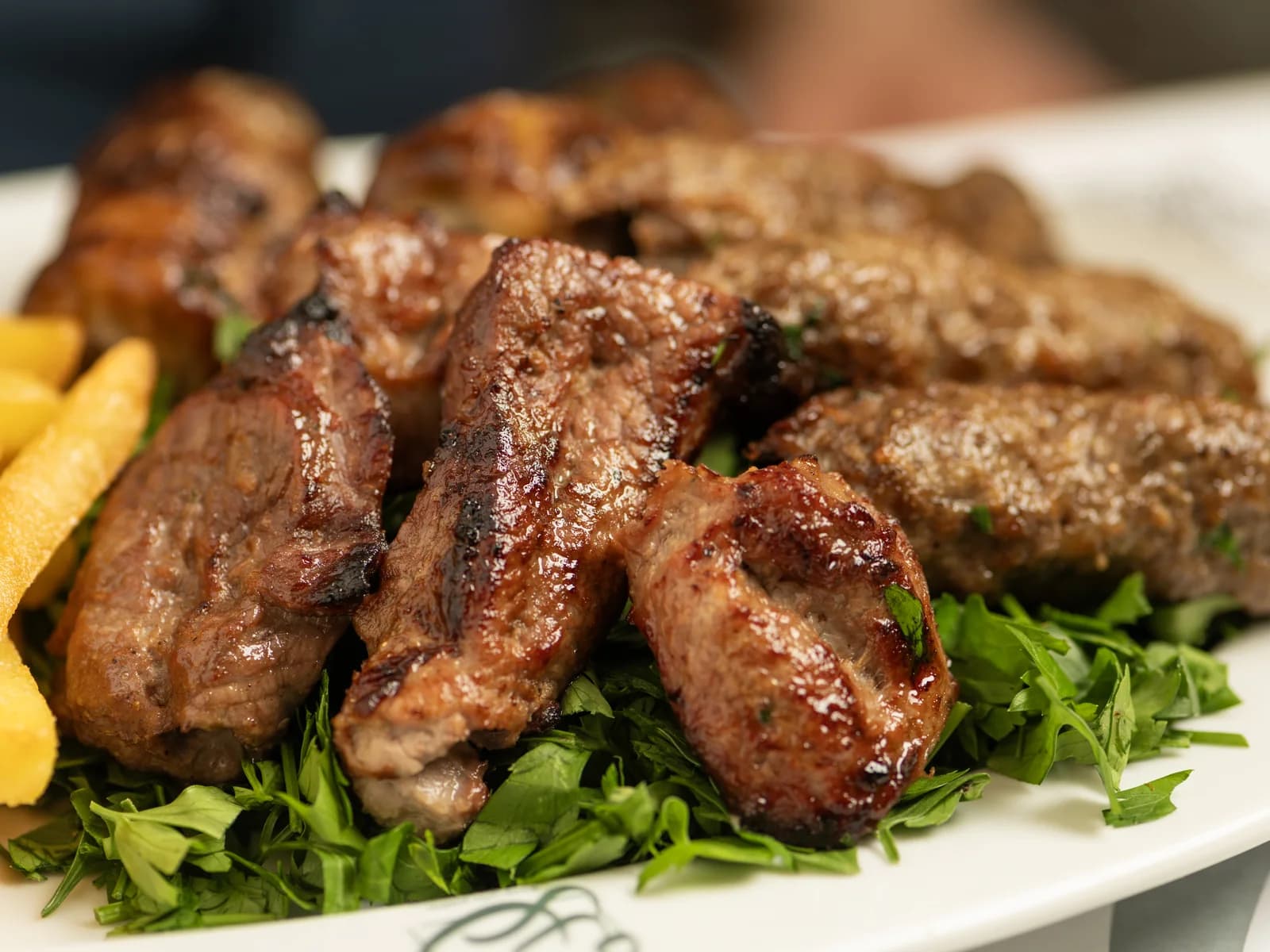
- Rokn Warda is an Egyptian restaurant in Al Khobar, Al Yarmouk Street, Al Olaya; our grills are cooked over charcoal, and the meat is fresh every day.
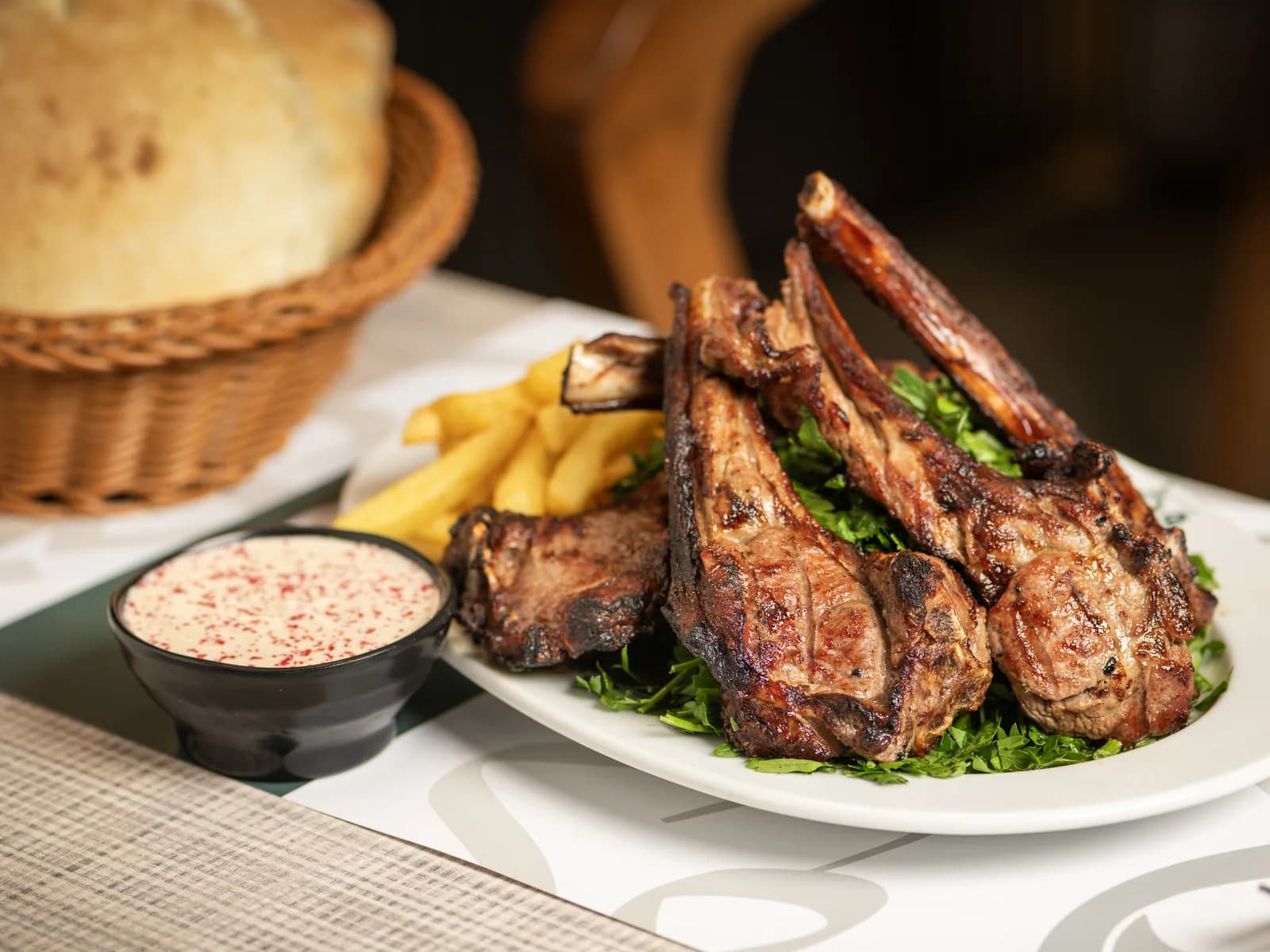
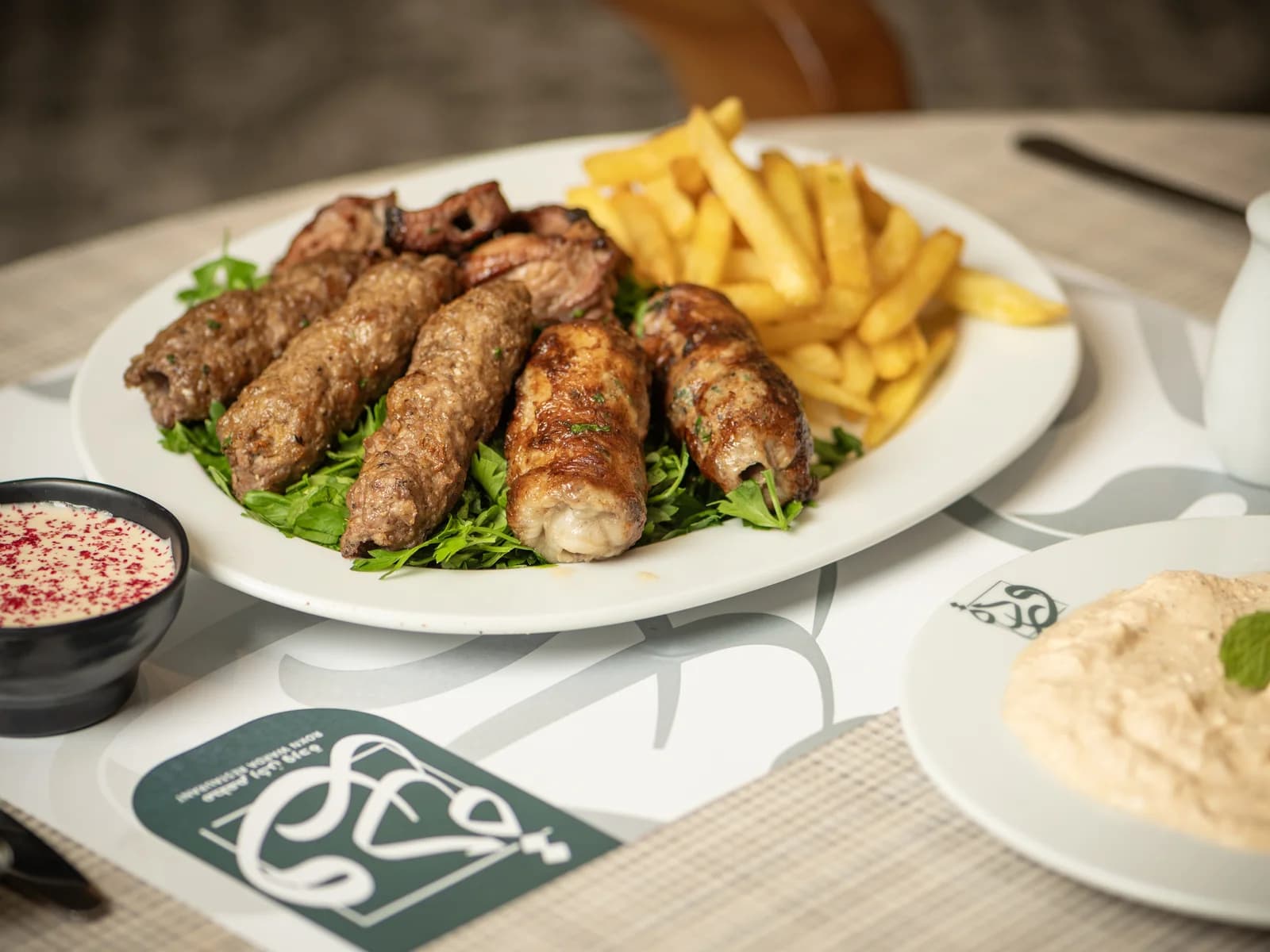
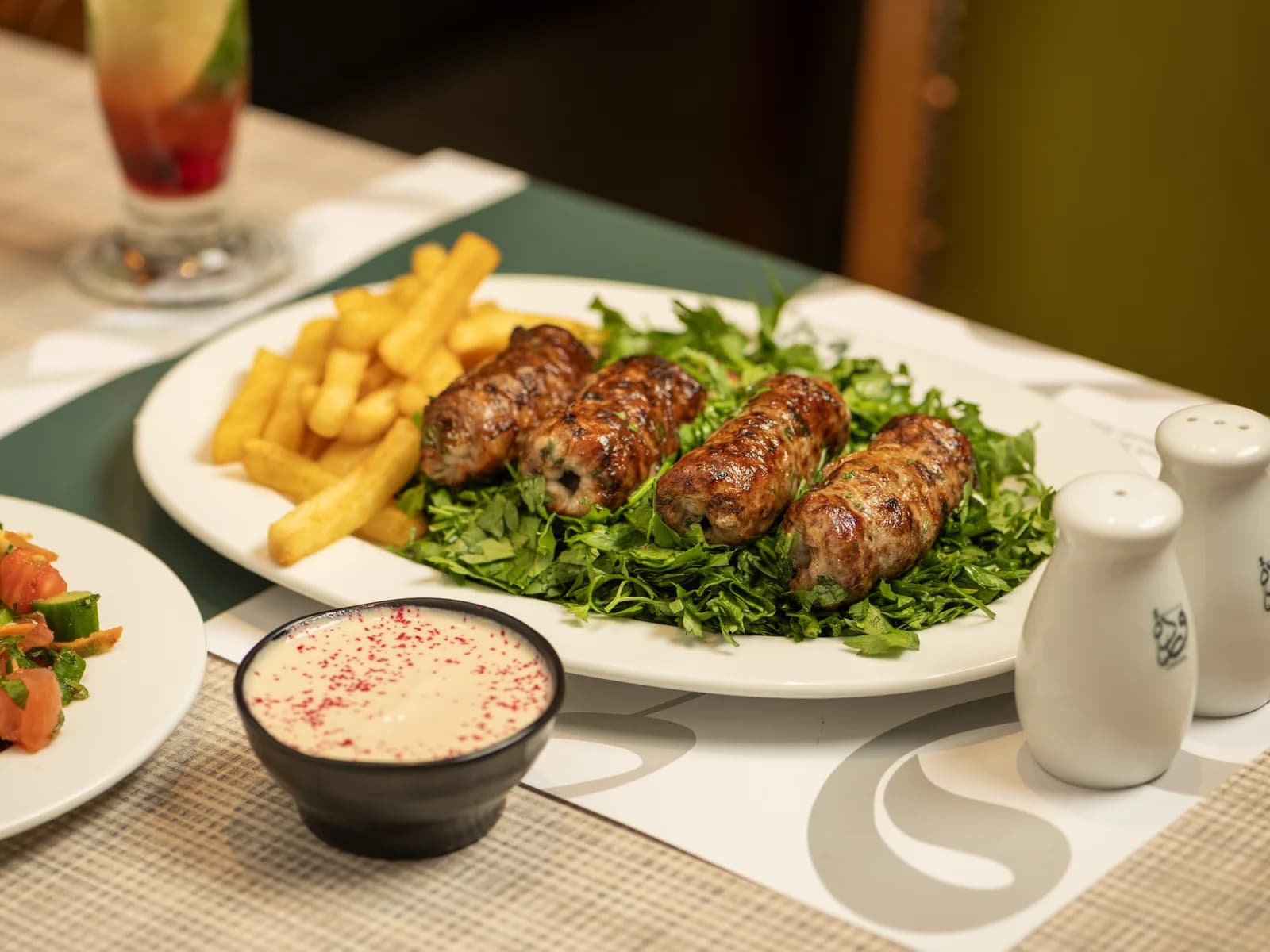
- From the menu: kebab, beef with oriental spices; kofta with spices and herbs; tarb, kofta wrapped in a layer of fat; and lamb chops, all over charcoal.
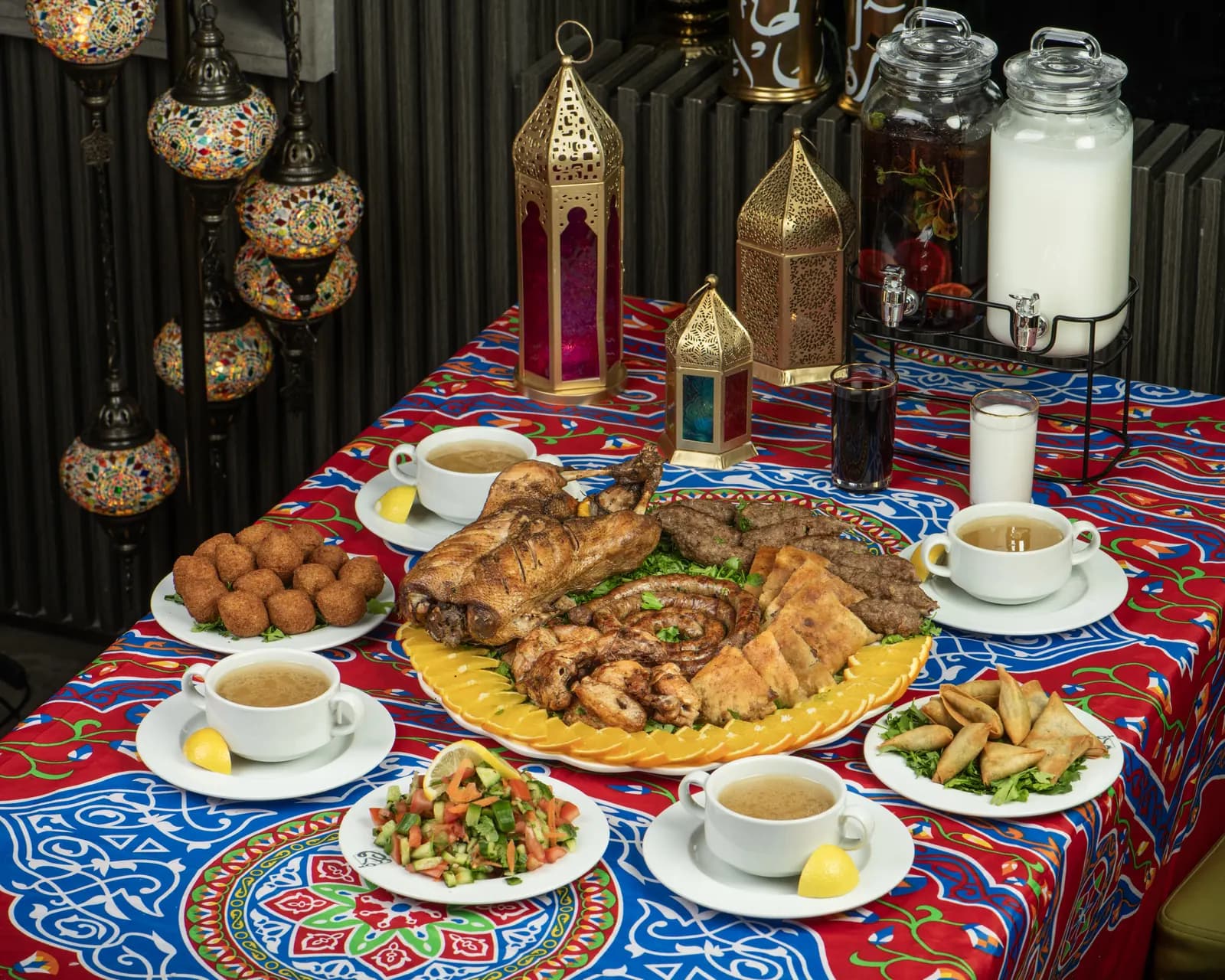
- For groups: special mixed grills, a special selection of charcoal-grilled meats, or the Rokn Warda platter with grills, stuffed pigeon, sausage and rice.
- We deliver in Al Khobar and Dammam, and you can pick up from the restaurant or eat with us. For more on our charcoal, read grills in Al Khobar worth trying, and for Egyptian kebab and kofta, Egyptian grills: kebab and kofta.
Frequently asked questions
Can I get a charcoal taste on a gas grill? You can get closer, for example by heating the grill well before you start so the meat browns, but the smoke from fat dripping onto embers is hard to reproduce exactly.
Which is easier for a beginner? Gas is easier to start and control. Charcoal takes a little practice, but the taste is worth it.
Why does the charcoal taste show more in kofta and tarb? Because they carry fat, and when fat drips onto the embers it makes the aromatic smoke that gives the charcoal taste.
Can I grill with charcoal on a balcony? Never if it is enclosed. Charcoal belongs in the open air, away from windows and doors, because of the carbon monoxide risk.
Taste the difference yourself
The easiest way to understand the difference is to taste it. See the menu and order kofta, tarb or kebab straight off the charcoal, or come to Al Khobar, book your table and eat them hot.