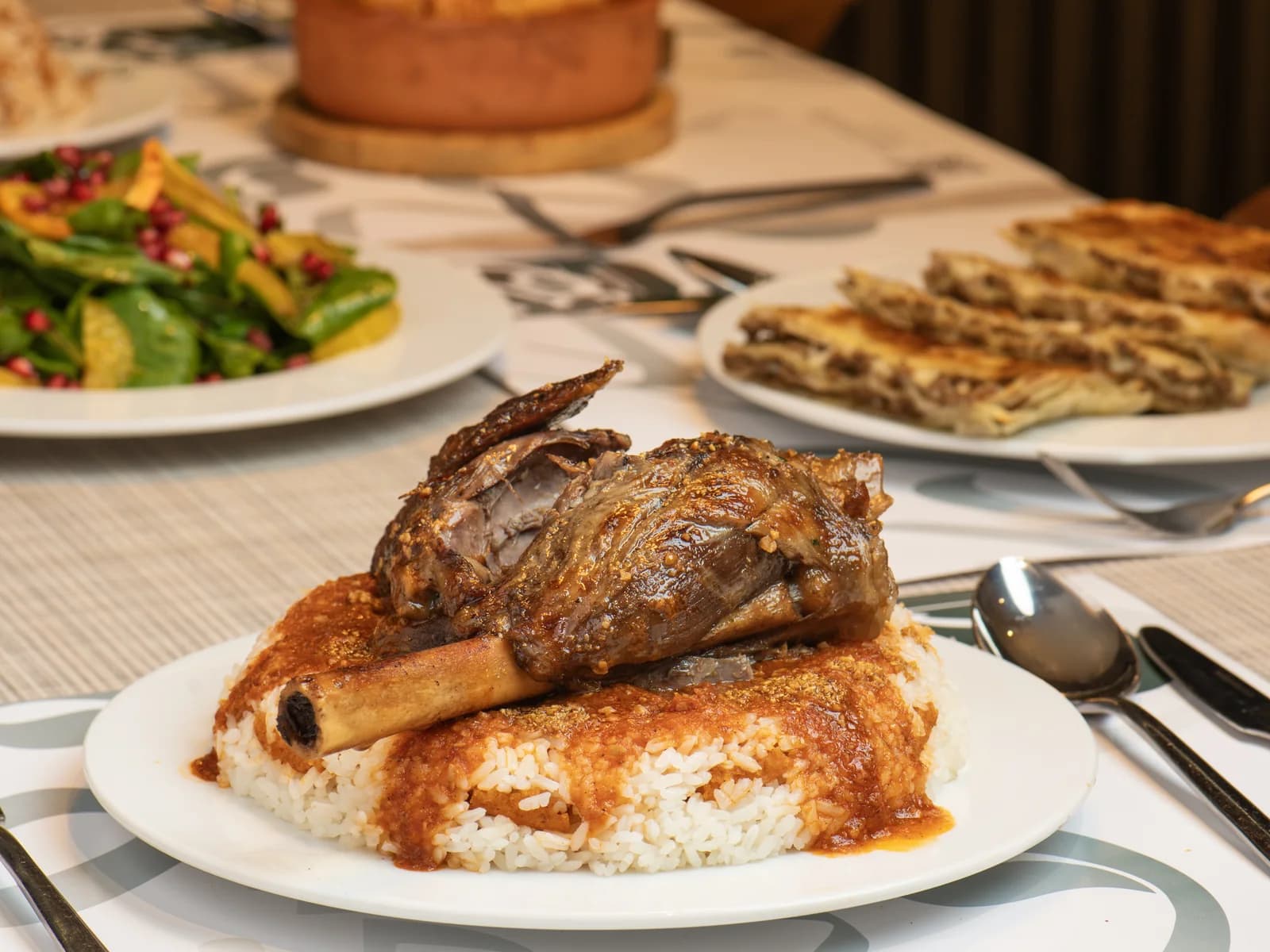
Fatteh is one of the dishes Egypt ties most to celebration: the first day of Eid al-Adha, big feasts and gatherings with plenty of meat. Its ingredients are simple, but done in the right order it becomes something else entirely.
What fatteh is made of
Egyptian fatteh is built in layers:
- Pieces of toasted baladi bread soaked in hot broth.
- White Egyptian rice.
- Vinegar-garlic sauce: garlic fried in ghee with vinegar, often with tomato sauce added.
- And on top, the meat.
The secret is balance: the bread soaks without turning mushy, and the sauce brings the tang and garlic that cut the richness of the meat.
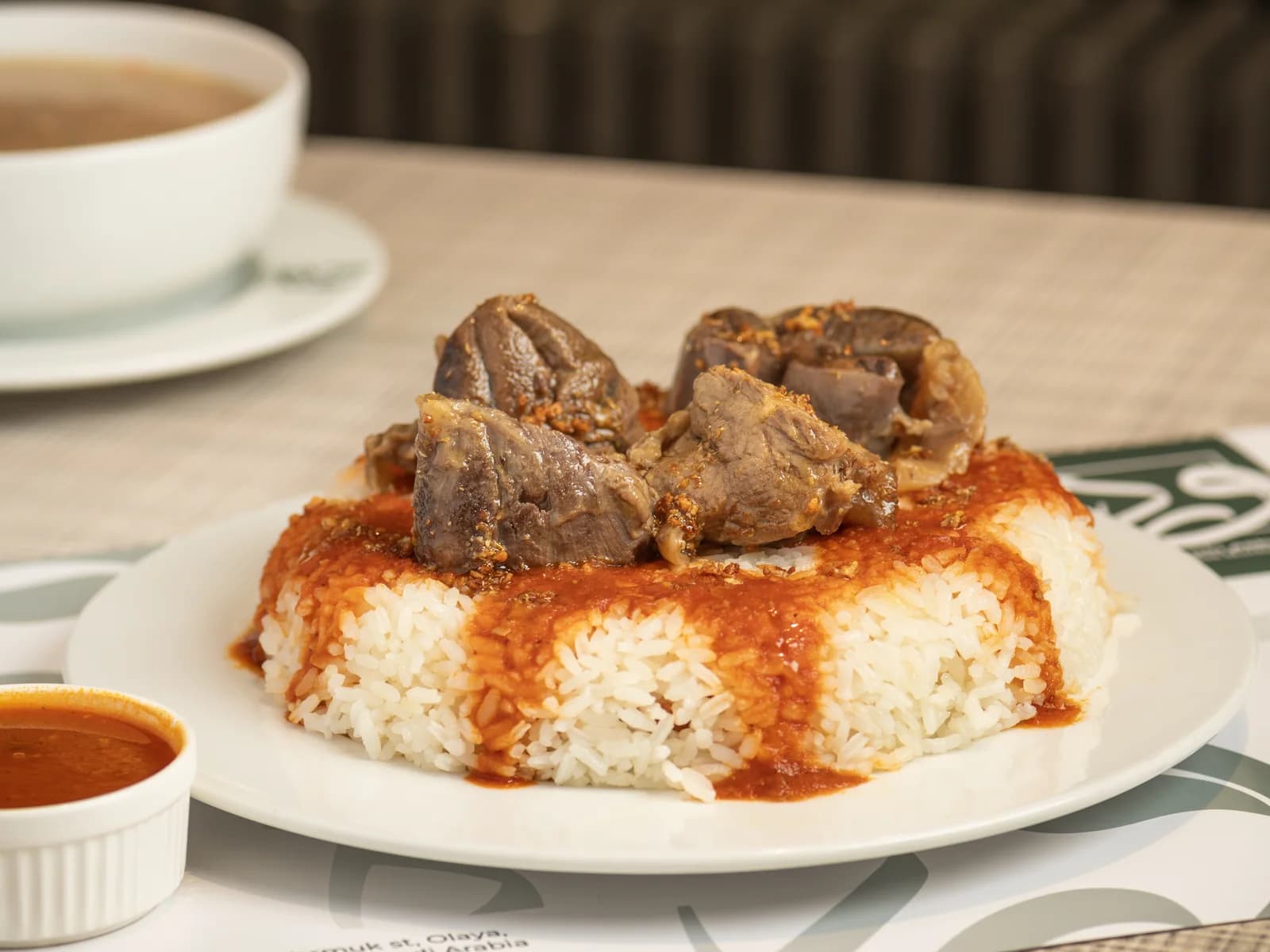
Kinds of fatteh
| Kind | Meat | Taste |
|---|---|---|
| Beef fatteh | Boiled then browned beef pieces | The classic everyone knows |
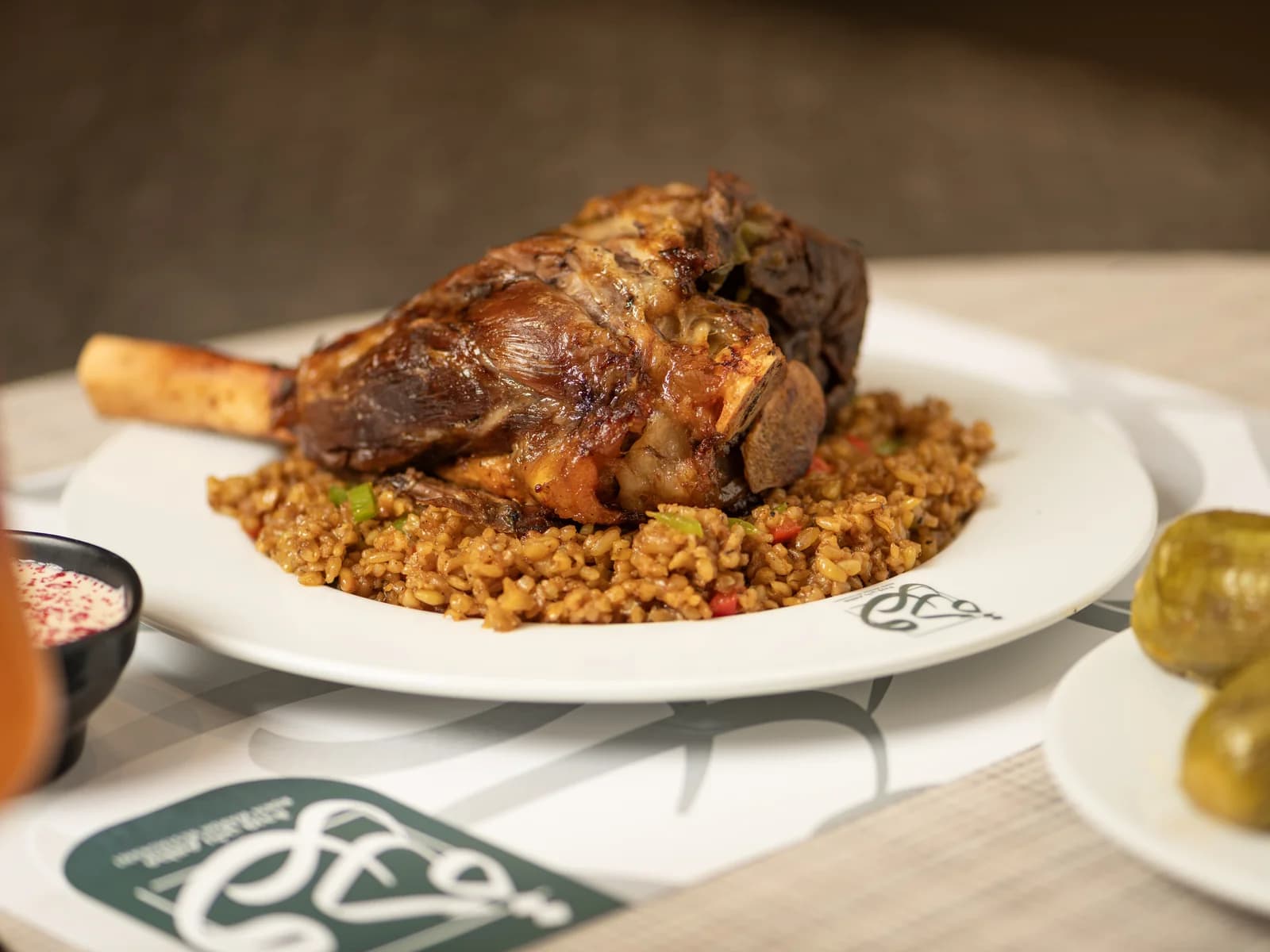
| Lamb shank fatteh | A whole lamb shank | Richer, meat falling off the bone |
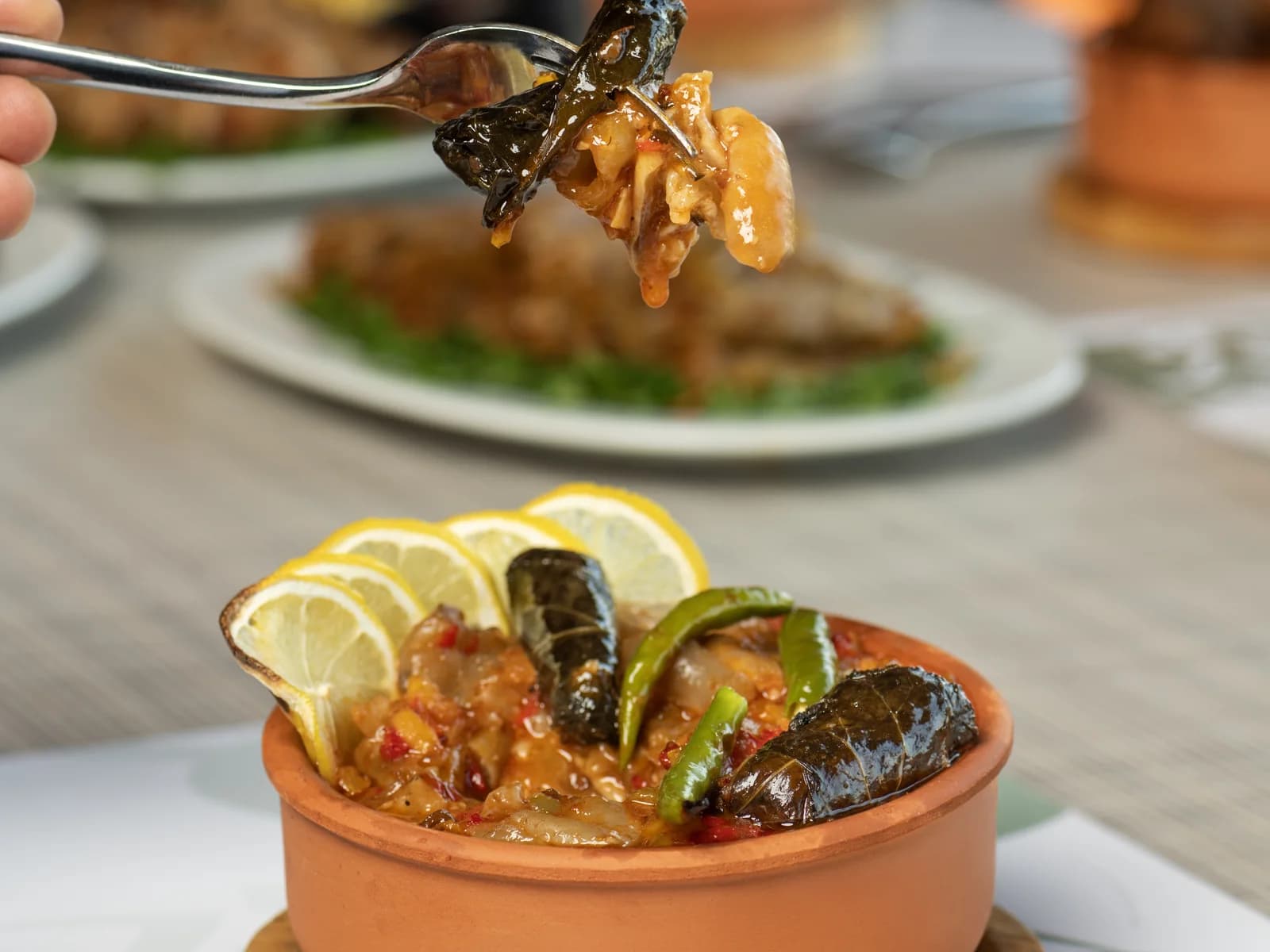
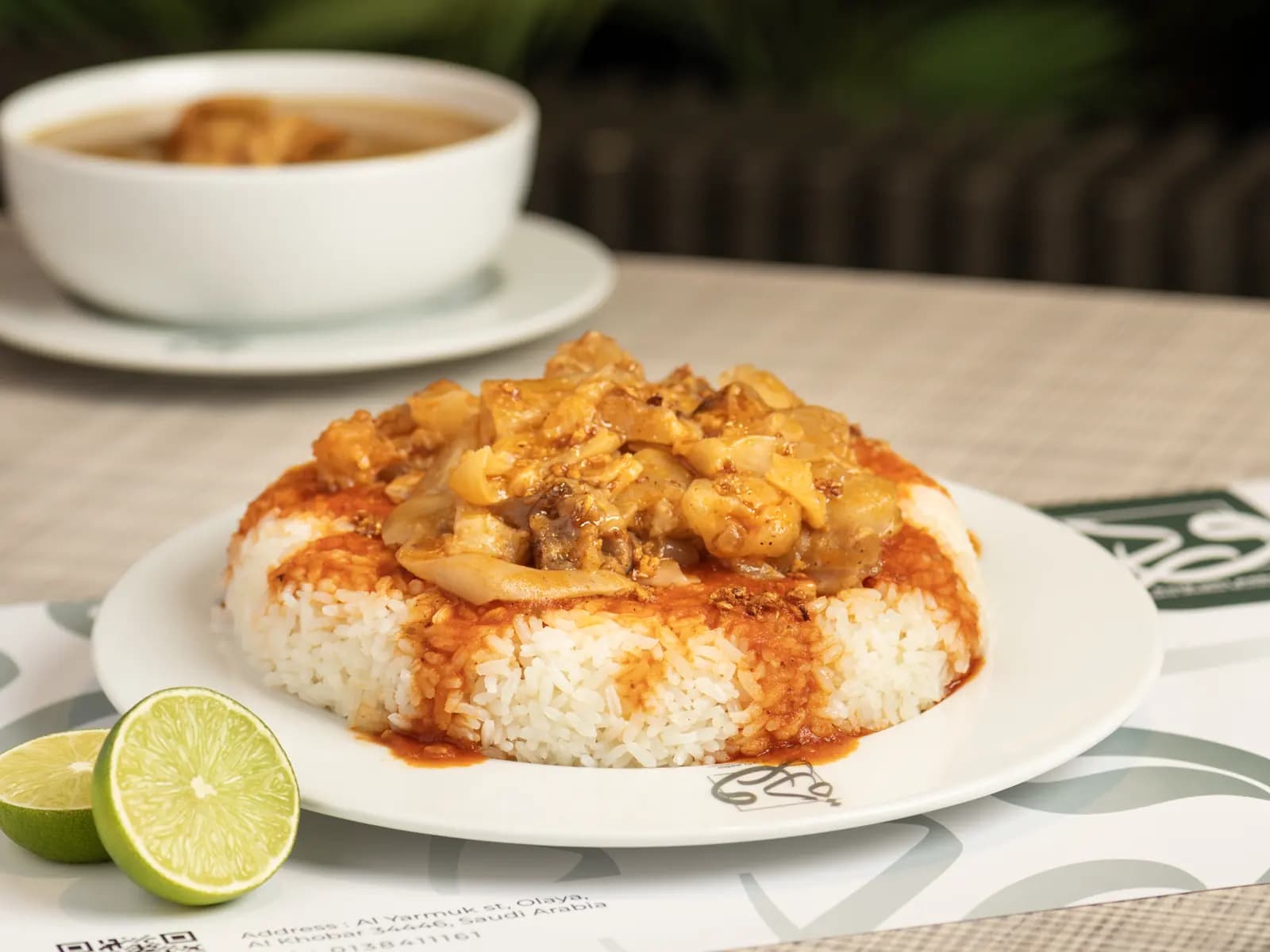
| Trotters fatteh | Tender trotters | The richest, with a thick, deep broth |
When it is eaten
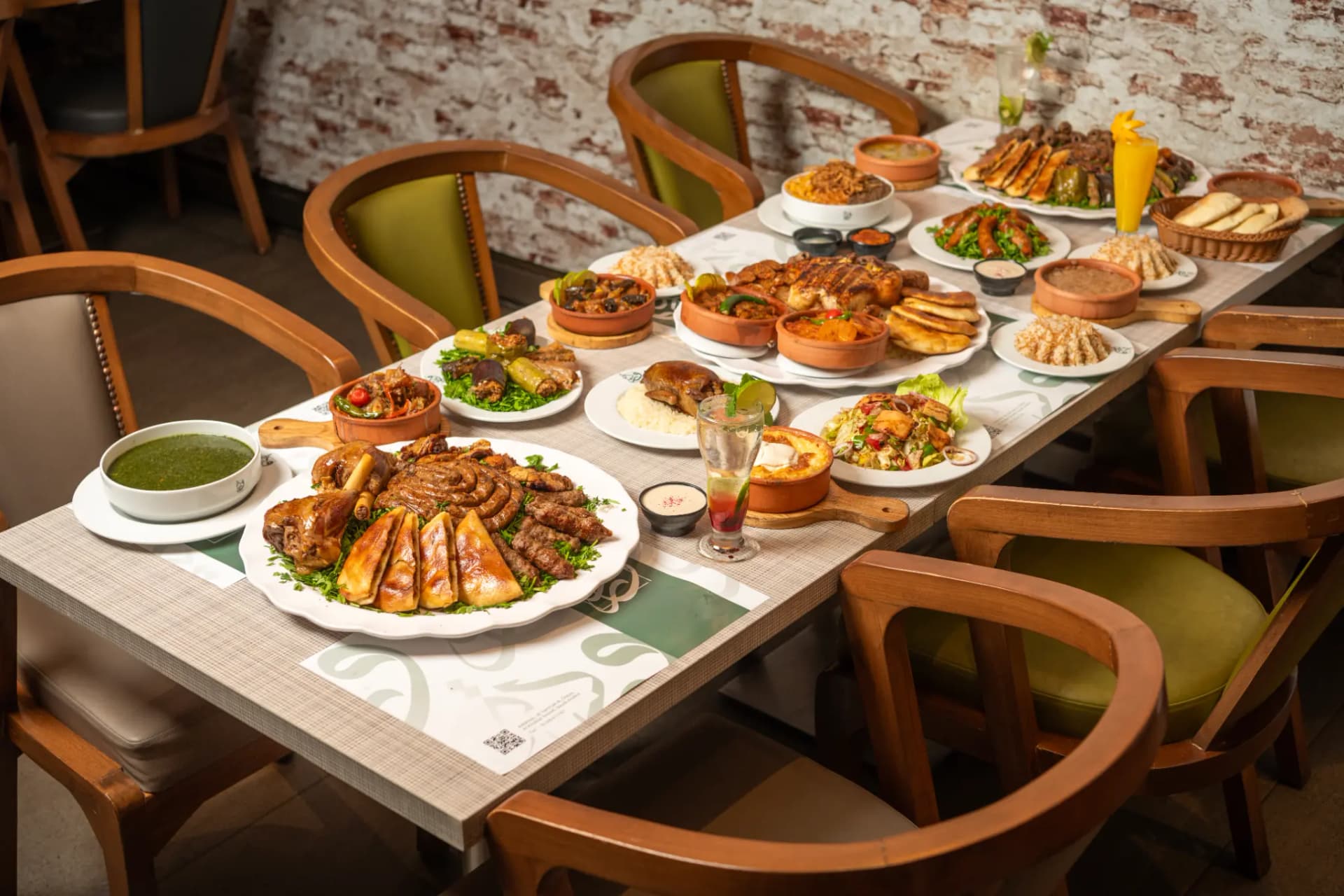
In Egypt fatteh belongs to Eid al-Adha, a generous way to serve sacrifice meat to a large family, and to feasts and occasions, since one tray feeds many.
Tips for good fatteh
- Toast the bread well before the broth so it does not go soggy.
- Add the broth hot and in measure.
- Make the vinegar-garlic sauce last and pour it hot.
- Brown the meat after boiling so it has colour.
Fatteh at Rokn Warda
At Rokn Warda in Al Khobar we serve all three: beef fatteh, lamb shank fatteh and trotters fatteh, each with toasted bread, Egyptian rice, vinegar-garlic sauce and broth. Order from the menu for delivery in Al Khobar and Dammam, or have it for your gathering in our dining room. For more on lamb shank, read Egyptian moza in Al Khobar.