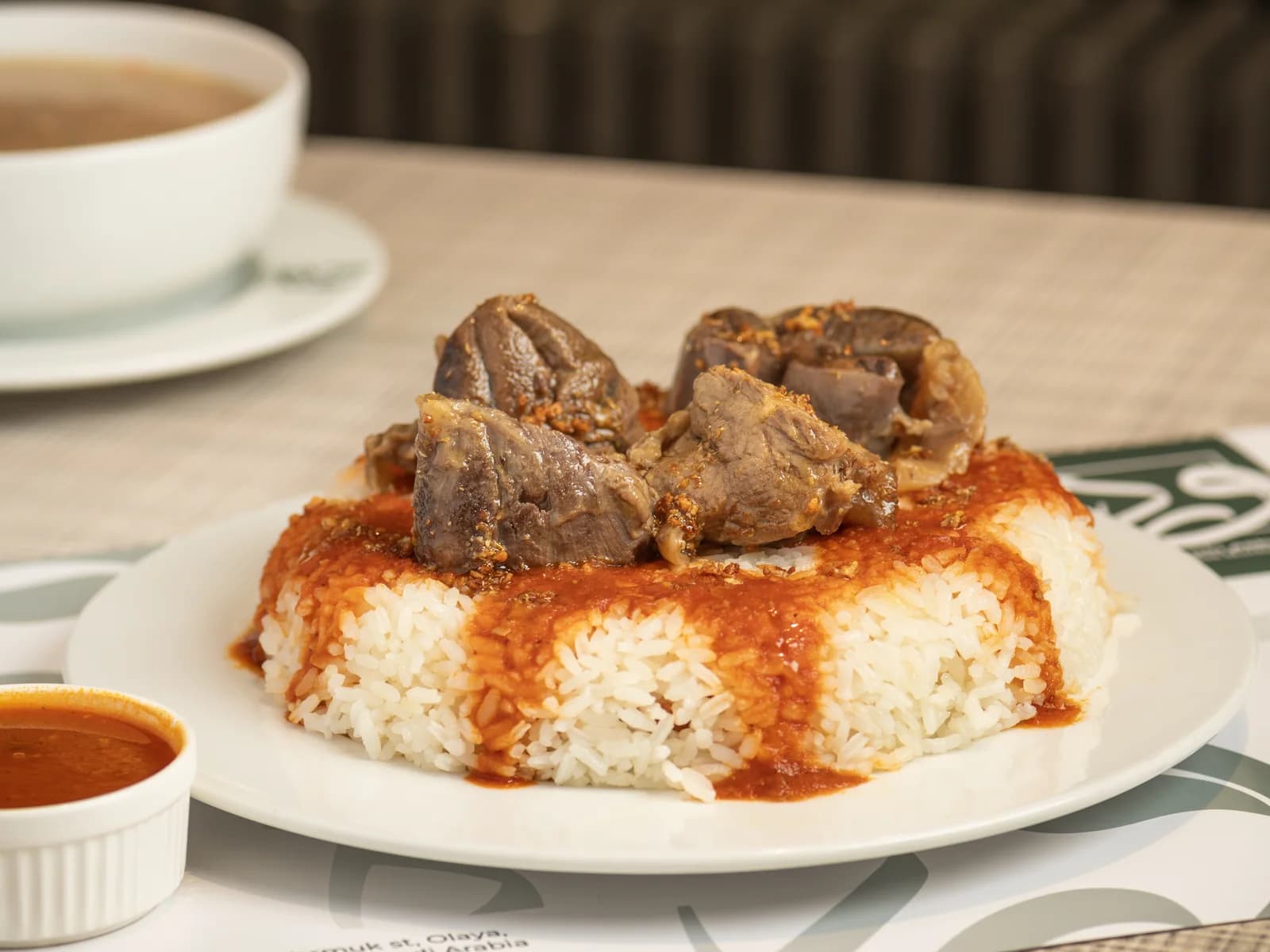
In Egypt, fatteh is a dish of celebration. The smell of vinegar and garlic being turned over toasted bread and rice, with meat on top, tells you there is an occasion. In many Egyptian homes it is strongly tied to Eid al-Adha, but it also appears on the table of Ramadan gatherings, especially when the whole family comes together for one iftar.
Egyptian fatteh in Ramadan needs a little thought: it is a rich, filling dish, and serving it well has its secrets so the bread does not go soggy before it is eaten. The kinds of fatteh and how they differ are covered in detail in Egyptian fatteh and its kinds; here we talk about its place on the iftar table and how to serve it right.
Egyptian fatteh in Ramadan: which kind?
| Kind | Character | Best for in Ramadan |
|---|---|---|
| Beef fatteh | The classic: toasted bread, Egyptian rice and beef with garlic-vinegar sauce and broth | A family iftar, and anyone trying fatteh for the first time |
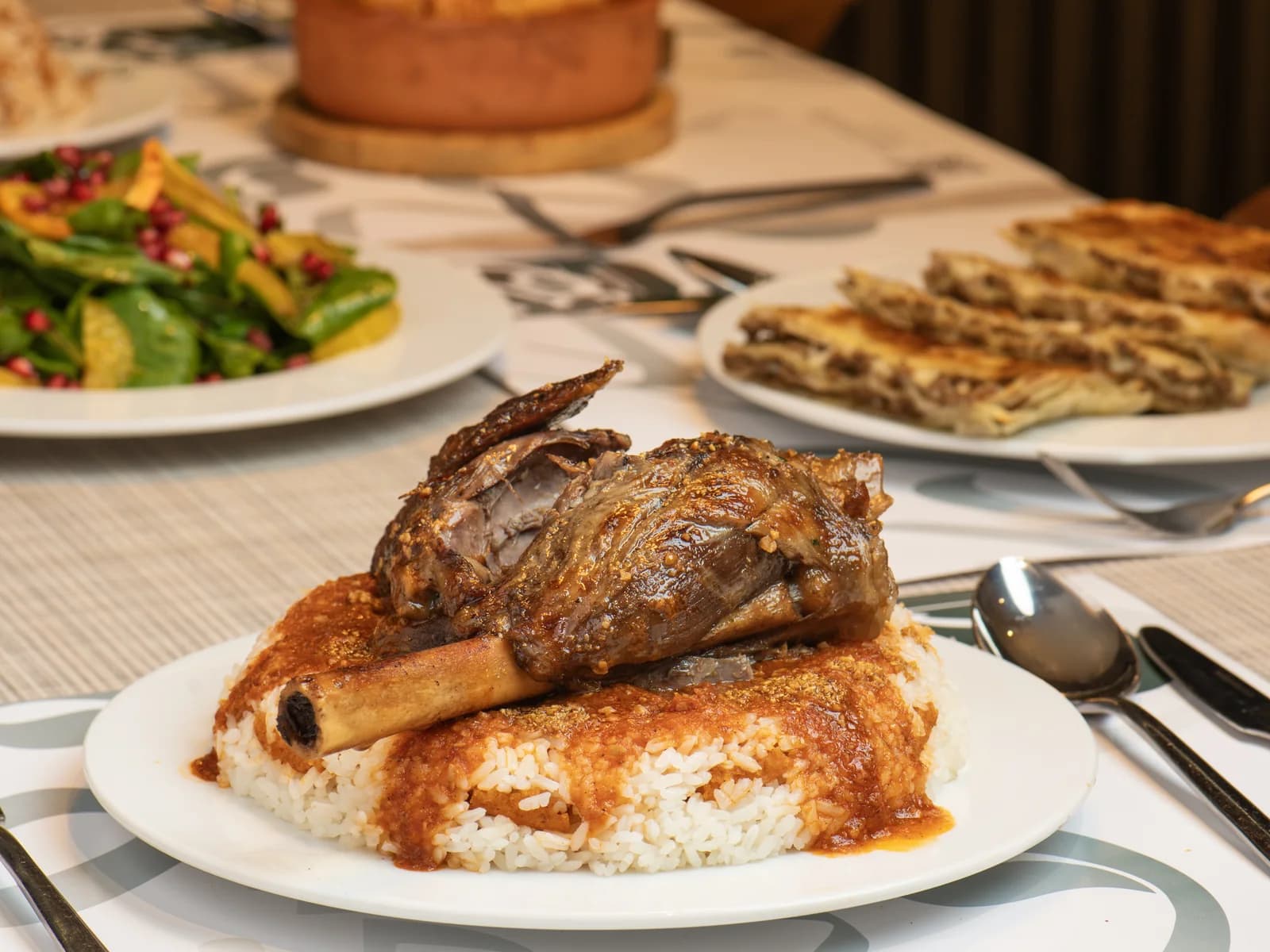
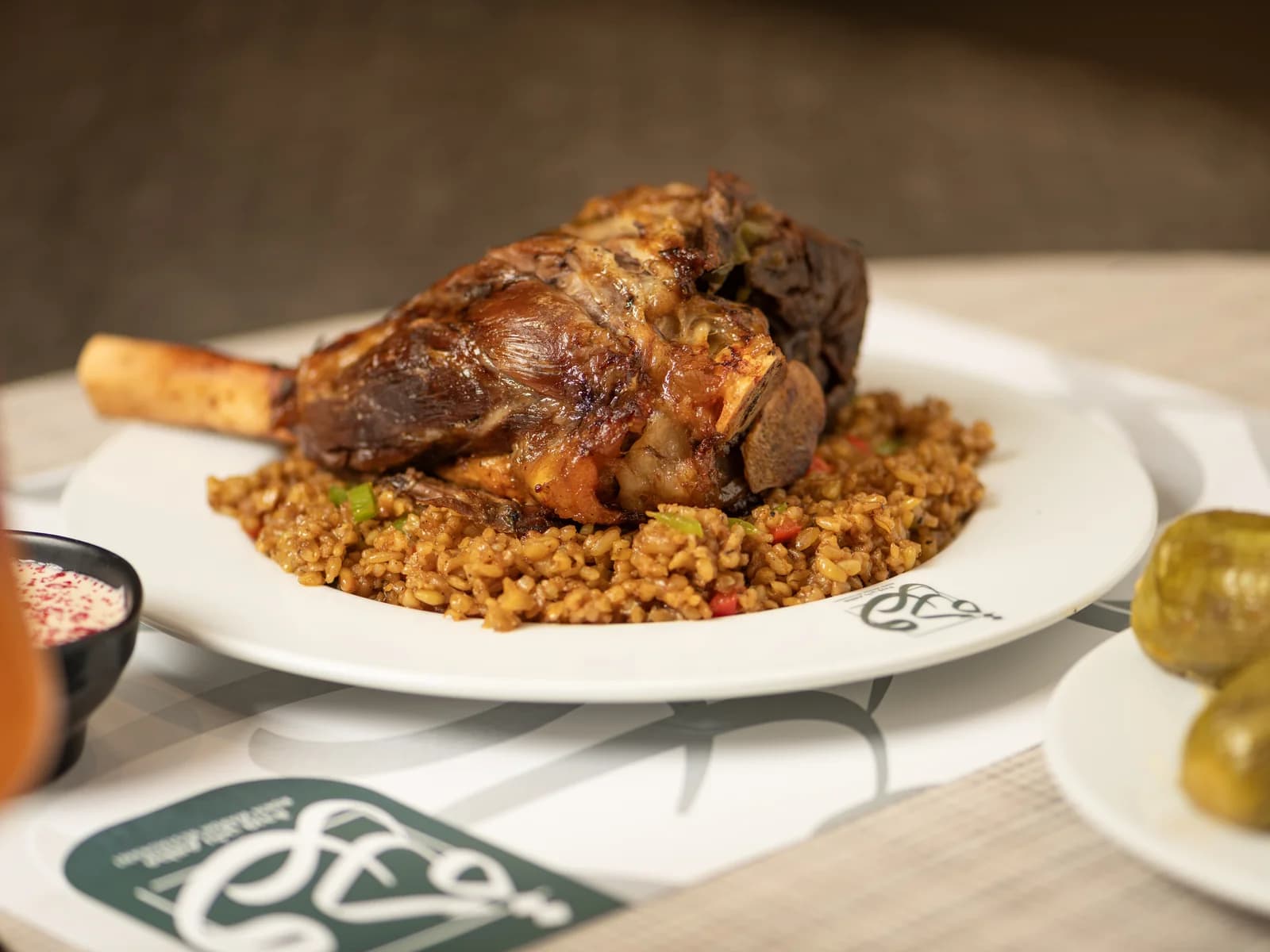
| Lamb shank fatteh | Lamb shank with rice and toasted bread, it looks like a feast dish | The centre of a gathering table, in front of guests |
| Trotters fatteh | Tender trotters and a richer broth | Trotters lovers, best as a dish to share |
If your guests have mixed tastes, beef fatteh is the safe choice. If you want a dish that draws the eye in the middle of the table, lamb shank fatteh does that. Trotters fatteh is for its fans and need not be everyone's main dish; it can be a small dish next to the regular fatteh for those who love it. To learn more about trotters, read trotters in Al Khobar.
Secrets of serving fatteh at iftar
1. The bread goes in last
The secret of good fatteh is that the toasted bread keeps some crunch. In Egyptian homes the layers are often prepared separately and the fatteh is assembled just before serving, not an hour before the call to prayer.
2. Sauce and broth in measure
The broth softens the bread and the sauce gives the flavour. Too much turns fatteh into paste, too little leaves it dry. If you are serving guests at home, put a little extra garlic-vinegar sauce in a small bowl beside it so everyone can add to taste.
3. Eat it hot
Fatteh is not a dish that waits. Bring it to the table shortly after the soup and salad so it is eaten hot.
4. One large dish in the middle
Fatteh is a sharing dish: a tray or large platter in the middle of the table that everyone takes from. That is part of its spirit at Egyptian gatherings, and it lets everyone take the amount that suits them.
What to serve with fatteh
Because fatteh is rich and filling, what goes beside it should be light and a little tangy:
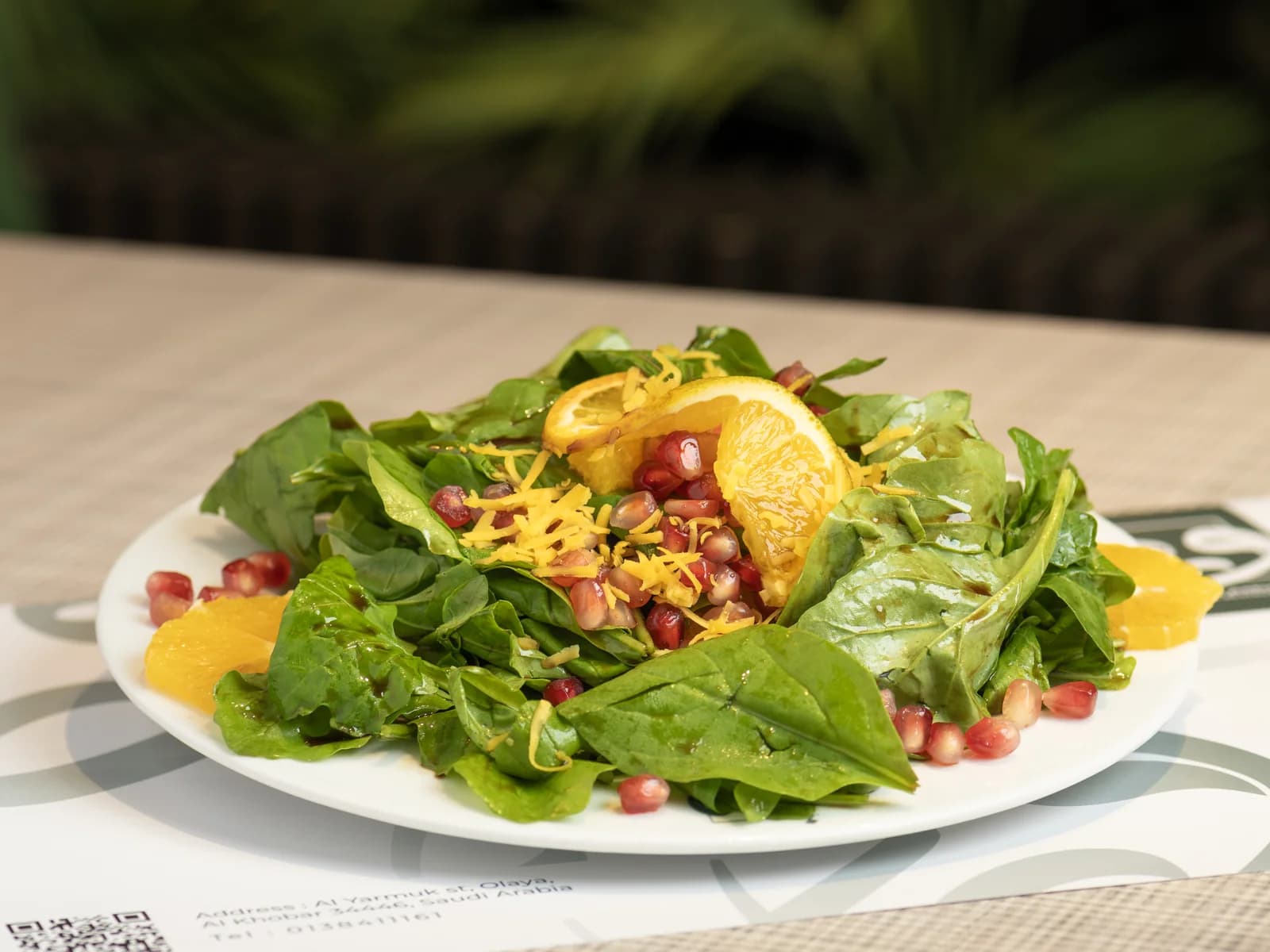
- Arugula and pomegranate salad or the salad buffet: the tang and the greens cut through the richness of the broth.
- A small soup to start, so the stomach opens up before the heavier dish.
- No rice needed on the side, since rice is part of the fatteh itself.
Try not to put another heavy dish of the same kind next to fatteh. Let it be the star of the table and balance it with salad; if you want variety, a small plate of grills beside it is enough. For arranging the whole feast table, read Egyptian Ramadan feasts.
A tip for iftar
Fatteh is filling, so at iftar it is better shared out in sensible portions than served as a large plate for each person. That way you can taste the other dishes without feeling heavy afterwards. This is general advice; everyone knows their own body best.
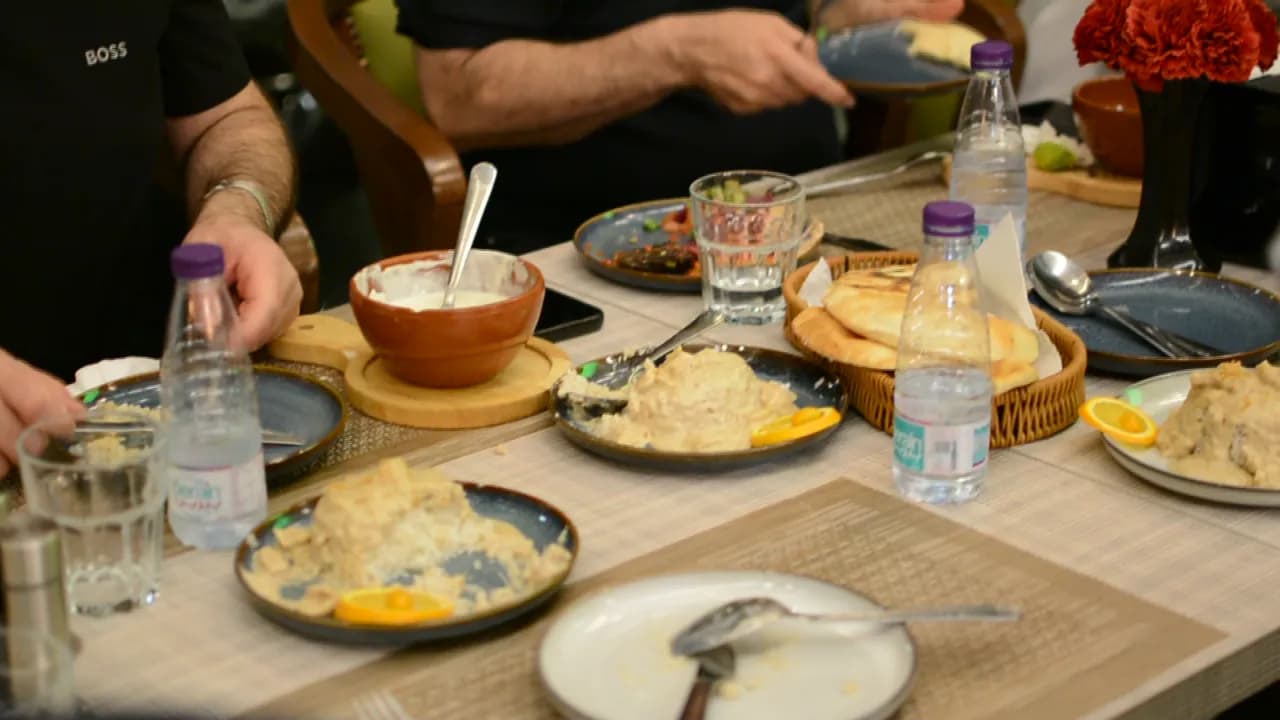
At maghrib
- At home: if you are ordering, choose «At a time I choose» from the menu and set a time close to iftar, so the fatteh does not wait long before it is eaten.
- At the restaurant: book your table early, since everyone breaks their fast at the same time.
- For large gatherings: for a big group or a company iftar, send your request from the events page so we can arrange it with you.
Our Ramadan hours are announced before the month on the site and on WhatsApp.
Common questions
Isn't fatteh an Eid dish? It is tied to Eid al-Adha in many Egyptian homes, but it is also made for gatherings, in Ramadan and all year round, because it is a dish that brings the family together.
Which fatteh is lightest for iftar? Beef fatteh is usually the lightest of the three, and trotters fatteh the richest, because its broth is heavier.
Can I order fatteh for delivery and keep the bread right? Fatteh is best fresh, so if you order delivery, set the arrival time close to the call to prayer and eat it as soon as it arrives.
Does fatteh have a lot of garlic? The garlic-vinegar sauce is an essential part of fatteh, as its menu description says, and it is the secret of its flavour.
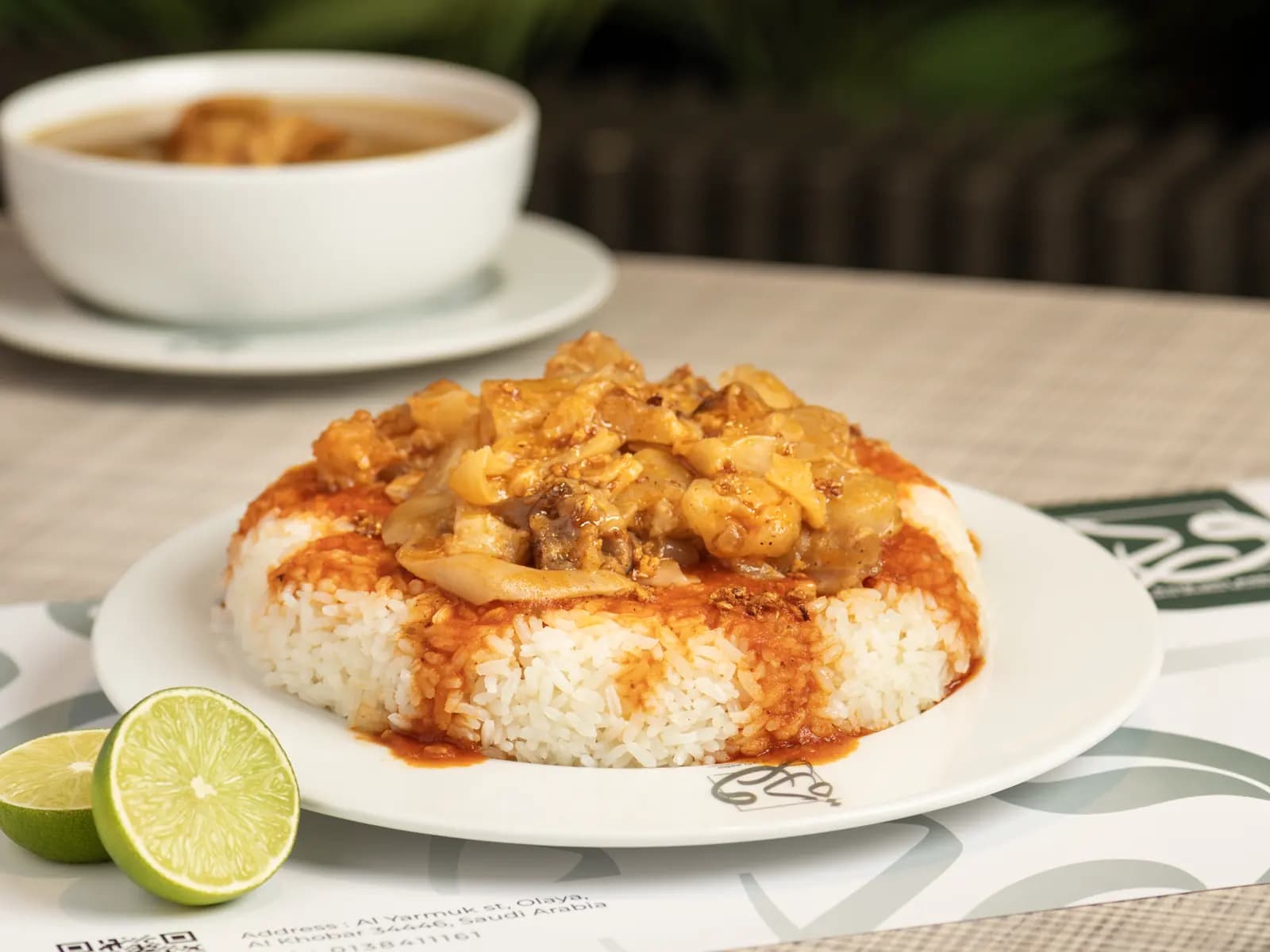
Order your fatteh from Rokn Warda
At Rokn Warda in Al Khobar we serve three kinds: beef fatteh, lamb shank fatteh and trotters fatteh, and our meat arrives fresh, never frozen. Delivery to Al Khobar and Dammam is from the menu; to break your fast with us, book your table. Torn between lamb shank on its own and fatteh? Read lamb shank in Al Khobar, and find everything new for the month at Ramadan with Rokn Warda.