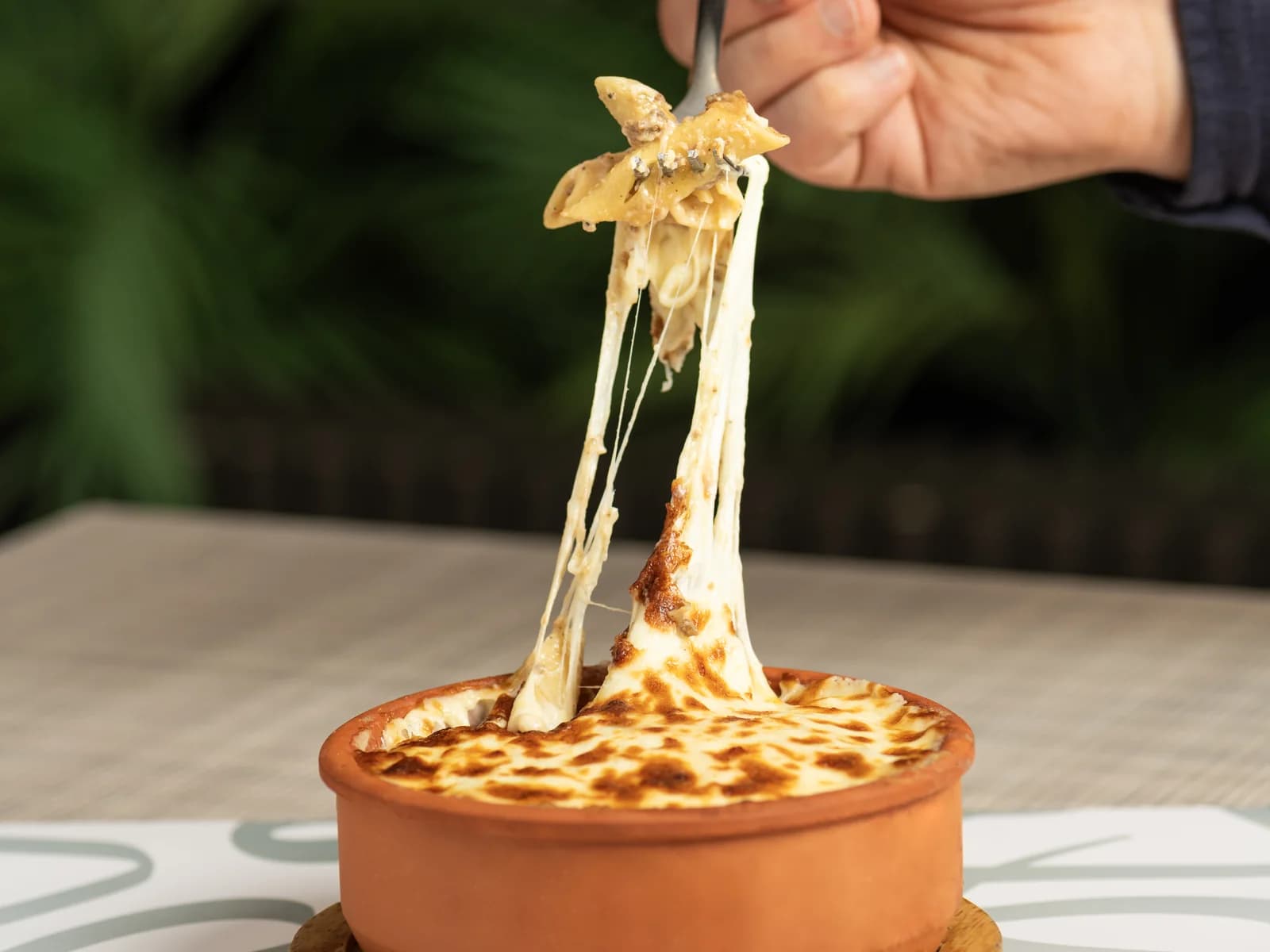
Ask any Egyptian which dish reminds them of a family Friday lunch or a Ramadan feast, and the tray of macaroni béchamel will probably be near the top of the list. A golden top, a creamy white layer and minced meat in the middle. It has become thoroughly Egyptian, even though its very name is not Egyptian at all.
Béchamel: a name from France
Béchamel is a white sauce from the basics of French cooking, made from butter, flour and milk. The name is usually credited to a French marquis, Louis de Béchameil, who served at the court of King Louis XIV, and the sauce was named after him.
But note: being named after him does not mean he invented it. Historians say similar sauces were known before him, and that the name was most likely given in his honour. So the popular line that «Béchameil invented béchamel» is not confirmed.
Pasta: from Italy to the Egyptian table
Pasta itself is known as part of Italian cooking. Italy has baked pasta dishes, and Greece has a very similar dish called «pastitsio»: pasta, minced meat and a béchamel top.
How did the idea reach Egypt? There is no confirmed date, but a common account says the dish spread through the Italian and Greek communities that once lived in Egypt, especially in Alexandria and Cairo. Over time Egyptians made it their own.
How it became an Egyptian dish
Egyptian homes took the idea and added their own stamp:
- Usually penne, not just any shape.
- Minced meat sautéed with onion and spices in the middle, like a filling.
- A slightly thick béchamel covering the whole top.
- In many homes, cheese on top for a golden, crisp finish.
The result differs in spirit from the Italian or Greek originals, so much that many people outside Egypt now know it as «Egyptian macaroni béchamel».
Its place in the Egyptian home
In most homes macaroni béchamel is not an everyday dish: it takes time and steps — boiling, sautéing, the sauce, the oven. So it belongs to:
| Occasion | Why |
|---|---|
| Ramadan feasts | One tray feeds many and can be made ahead |
| Friday lunch and holidays | The whole family is together |
| Eid and occasions | A dish young and old enjoy |
| Hosting guests | It cuts into neat squares on the table |
It is also a dish made in quantity and shared, so trays of it travel between neighbours and relatives on special days.
Béchamel in the Egyptian home
The success of macaroni béchamel brought béchamel itself into many other Egyptian dishes. In many homes you will find:
- A tray of potatoes with béchamel.
- Zucchini with béchamel.
- Chicken with béchamel, or macaroni béchamel made with chicken instead of meat.
Egyptians say «bashamel», and call the dish «macaroni bashamel» or «macaroni bil-bashamel»; both are right and common. So a sauce whose name comes from a French king's court has become a basic of Egyptian home cooking, with someone in almost every home who knows how to make it.
A dish across generations
Part of Egypt's love for macaroni béchamel is that children love it as much as adults, and everyone has a memory of «the top piece» everyone fights over, or of the smell of the oven before the call to prayer in Ramadan. Almost every mother has her own way: one adds egg to the béchamel, one piles on cheese, one cooks the meat in tomato sauce.
For the steps themselves and the secrets that make the difference, read macaroni béchamel the Egyptian way.
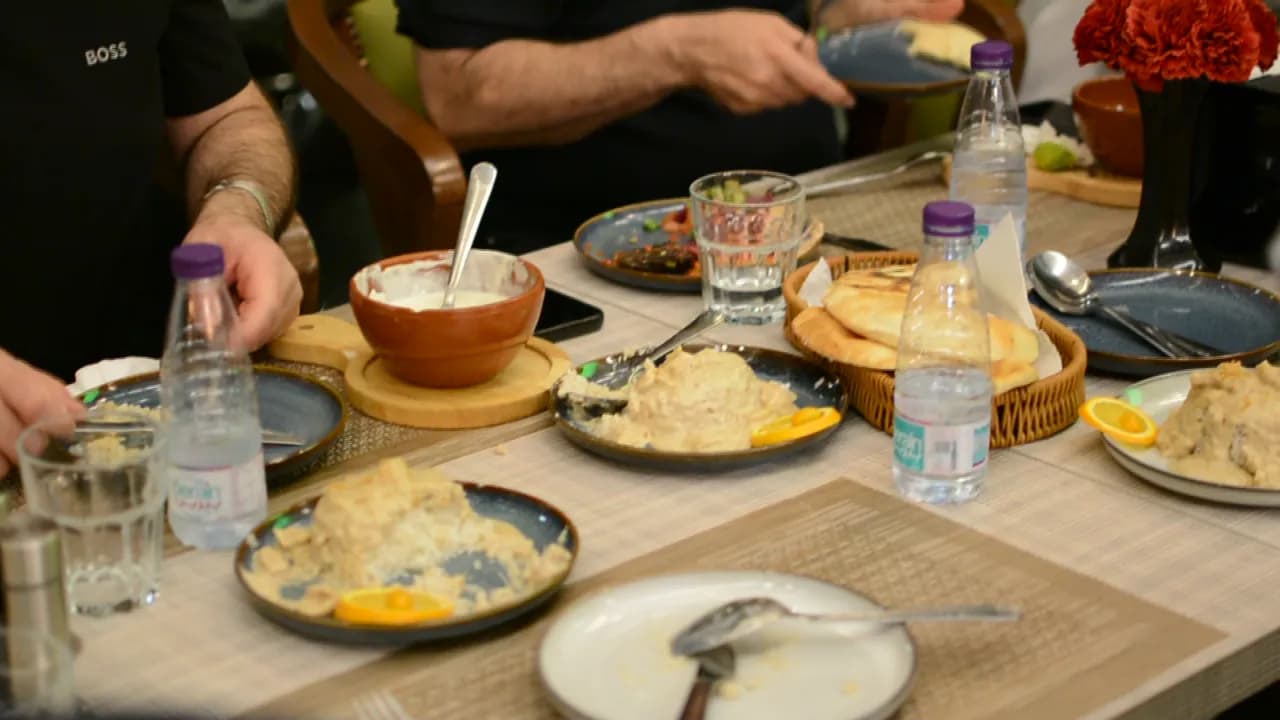
Macaroni béchamel at Rokn Warda
At Rokn Warda in Al Khobar you will find it as a macaroni béchamel casserole: macaroni, seasoned minced meat, creamy béchamel and mozzarella. Order it from the menu for delivery in Al Khobar and Dammam, or try it in our dining room. For what to eat it with and answers to common questions, read macaroni béchamel in Al Khobar. For more on casseroles read Egyptian tawagen: the secret of slow cooking and Egyptian casseroles in Al Khobar.