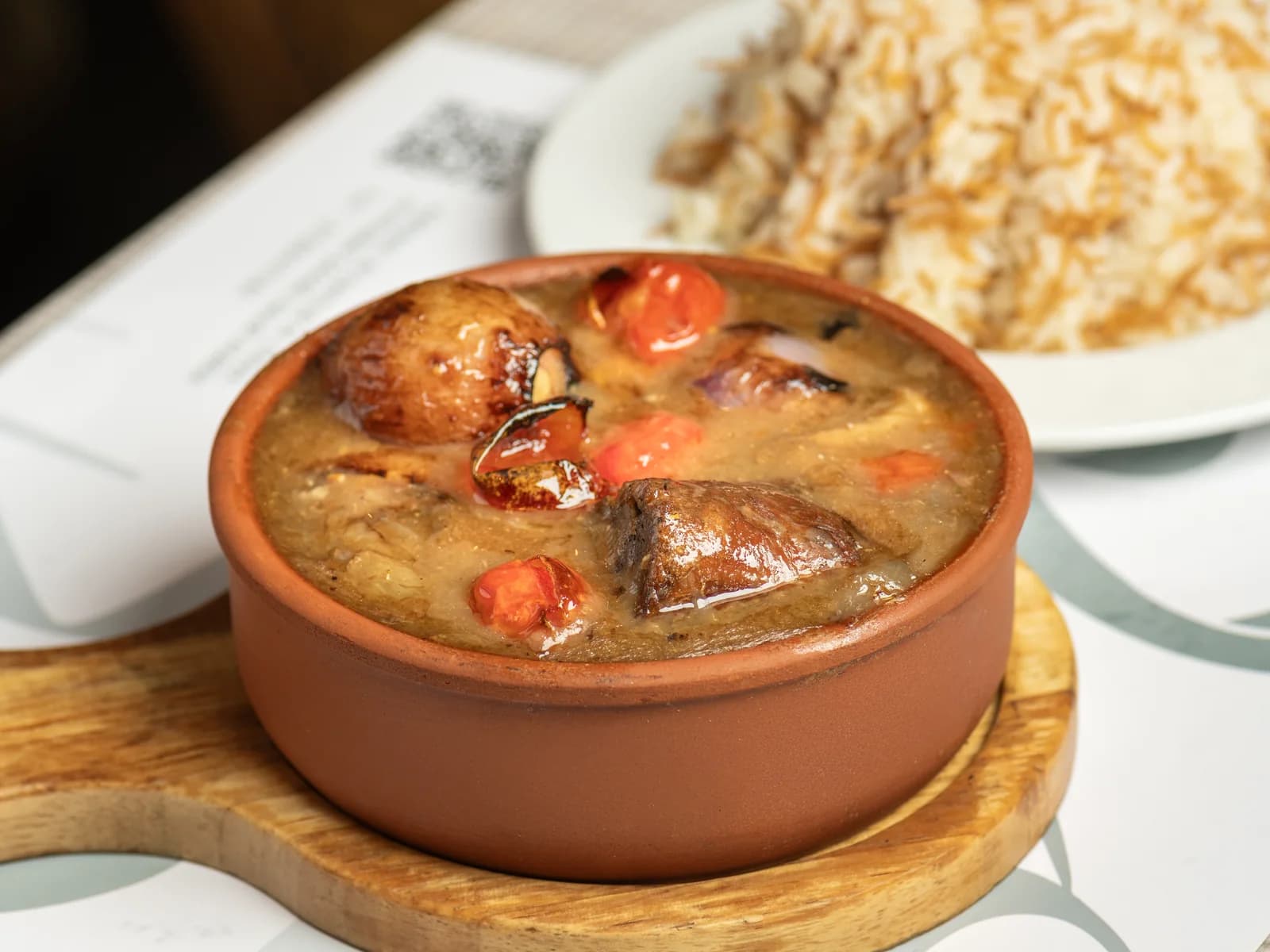
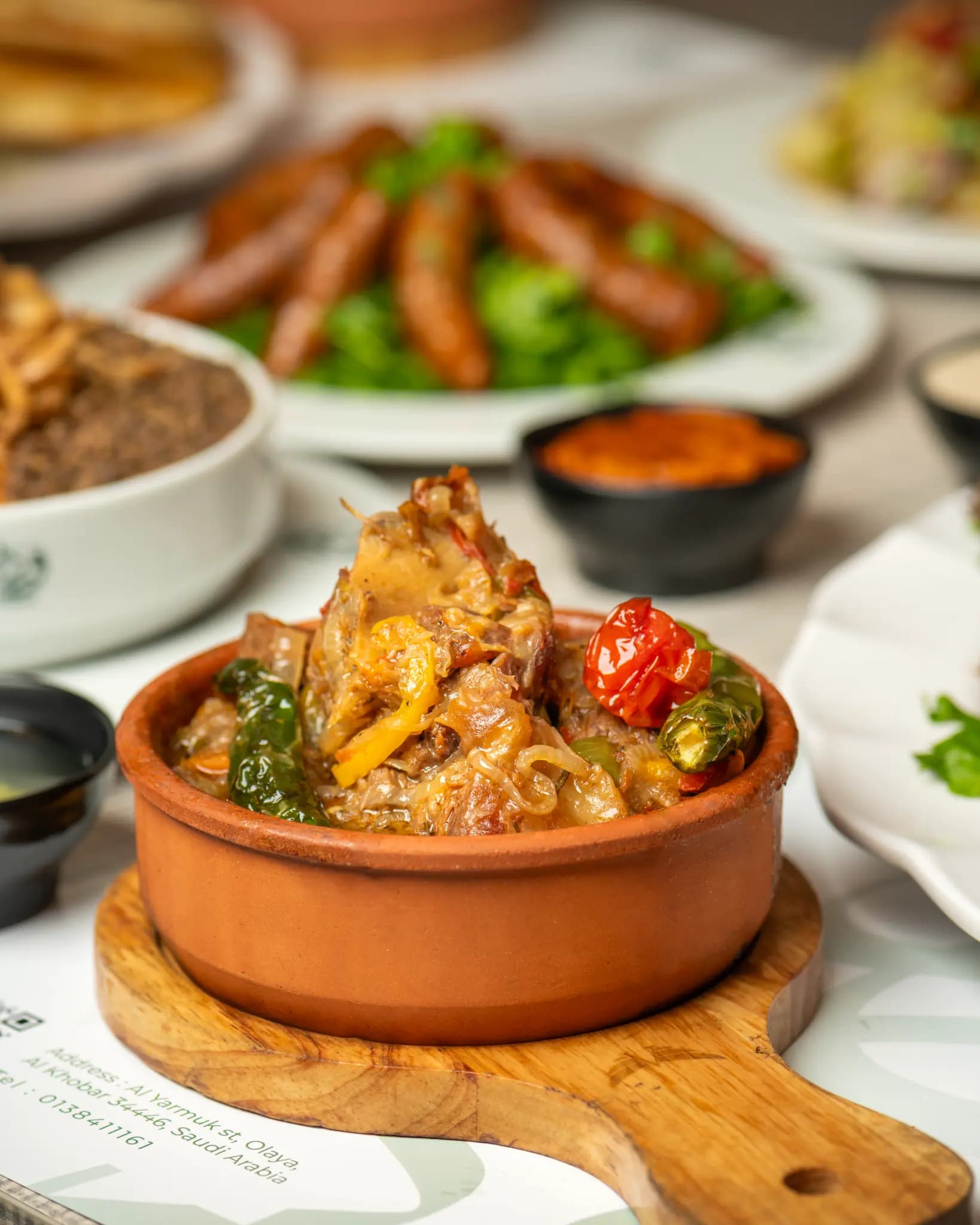
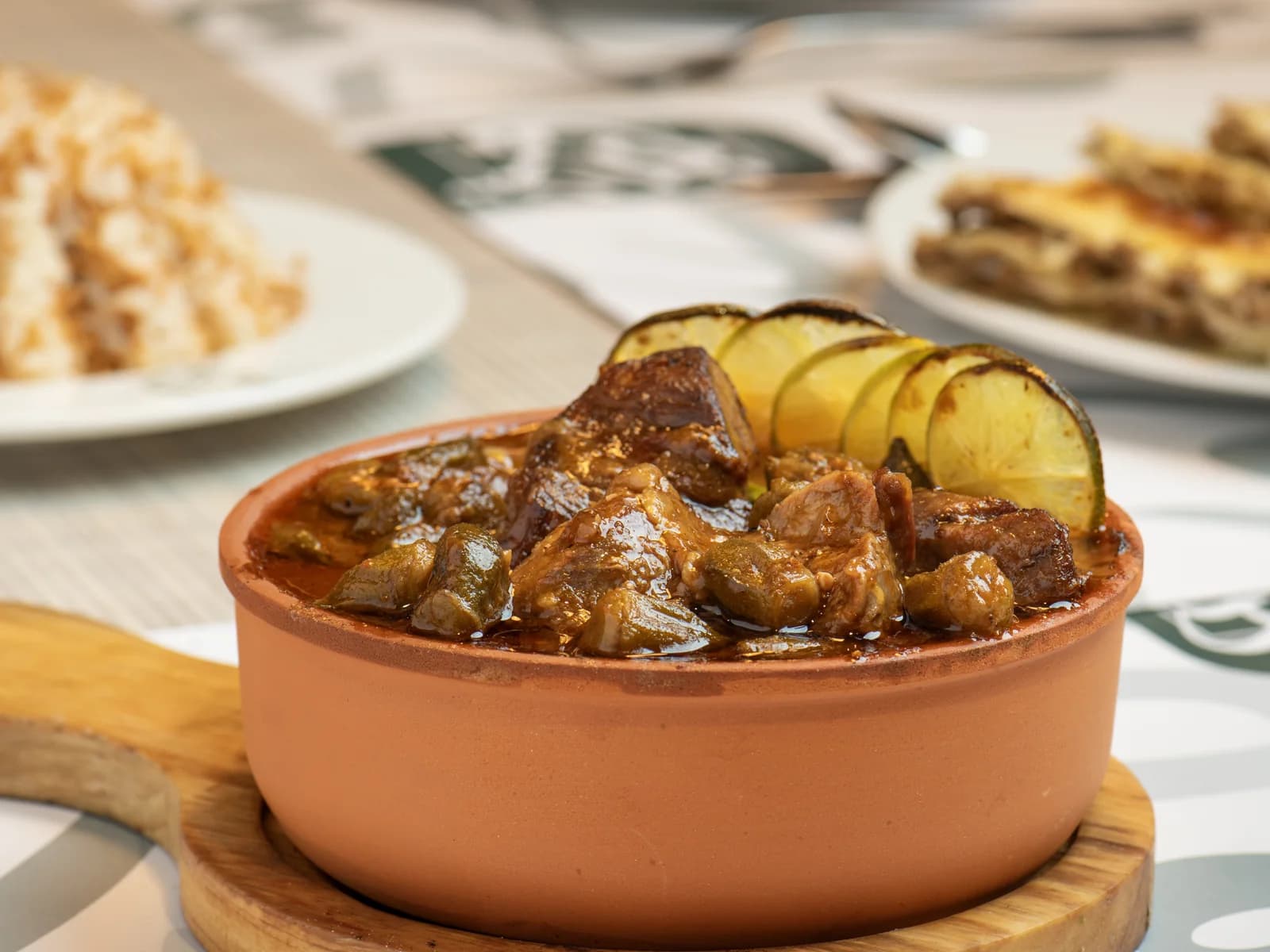
Among many Egyptian casseroles with a red tomato sauce, there is one of a different colour: the beef and pearl onion casserole. Tender pieces of meat and whole small onions in a thick brown sauce made for dipping bread. A very homely dish, and many people love it for a gentle, different taste from the rest of the table. So what does «orma» mean? And what is the secret of the brown sauce?
What does «orma» mean?
In Egyptian cooking, «orma» or «orma onions» are small onions cooked whole, without chopping, usually called «pearl onions» or baby onions in English. The origin of the word is not known for certain, but it is familiar in Egyptian homes, and when someone says «lahma bil-orma» everyone understands a meat casserole with small onions.
Why small onions?
In most stews onions are chopped and melt into the sauce. In this casserole the onion is a star like the meat:
- It stays whole, so you eat it as a bite of its own beside the meat.
- Onions browned and cooked slowly release a natural sweetness, which balances the saltiness of the meat and sauce.
- Their small size lets them cook through without falling apart, if the timing is right.
The brown sauce: where does it come from?
There is no single recipe; every home has its way. But in many Egyptian homes the brown colour and deep taste come from simple things:
- Browning the meat well at the start, until it takes colour.
- Browning the small onions until golden.
- The meat broth itself, reduced on the stove or in the oven.
- In many homes, a spoon of flour browned in ghee and added to the broth to thicken the sauce.
The spices are usually simple and homely: black pepper, cardamom, bay leaf, sometimes nutmeg, depending on the home. The idea is for the taste to come from the meat and the onion, not from spices covering them. For Egyptian spices in general read the spices of the Egyptian kitchen.
How it is made in Egyptian homes
This is a general description of the way many homes do it, not our kitchen's recipe:
- The meat is cut into cubes and simmered with an onion and spices until nearly done, and the broth is set aside.
- The small onions are peeled, kept whole and browned in ghee or oil.
- The meat is browned too.
- The sauce is made from the broth, in many homes with browned flour.
- Everything goes into the casserole: meat, onions and sauce, then into the oven until the sauce thickens and the top takes colour.
Why the clay pot matters for slow cooking is explained in Egyptian tawagen: the secret of slow cooking.
What spoils it?
- Mushy onions: small onions left too long on the heat lose their shape.
- Dry meat: if it was not simmered enough before the oven.
- A sauce thin as water: if the broth was not reduced.
- Heavy spices: they cover the taste of the onion, which is the secret of the dish.
How it differs from other casseroles
Look at the menu descriptions at Rokn Warda and the difference is clear:
| Casserole | Sauce, per the menu |
|---|---|
| Okra and beef casserole | Rich tomato sauce, served with rice |
| Potato and beef casserole | Tomato sauce with Egyptian spices |
| Dawood Basha | Rich tomato sauce, with white rice |
| Beef and pearl onion casserole | Brown sauce, served with rice |
So if the table already has an okra or potato casserole, the pearl onion one adds another colour and taste. For okra read okra and meat casserole.
What to eat it with
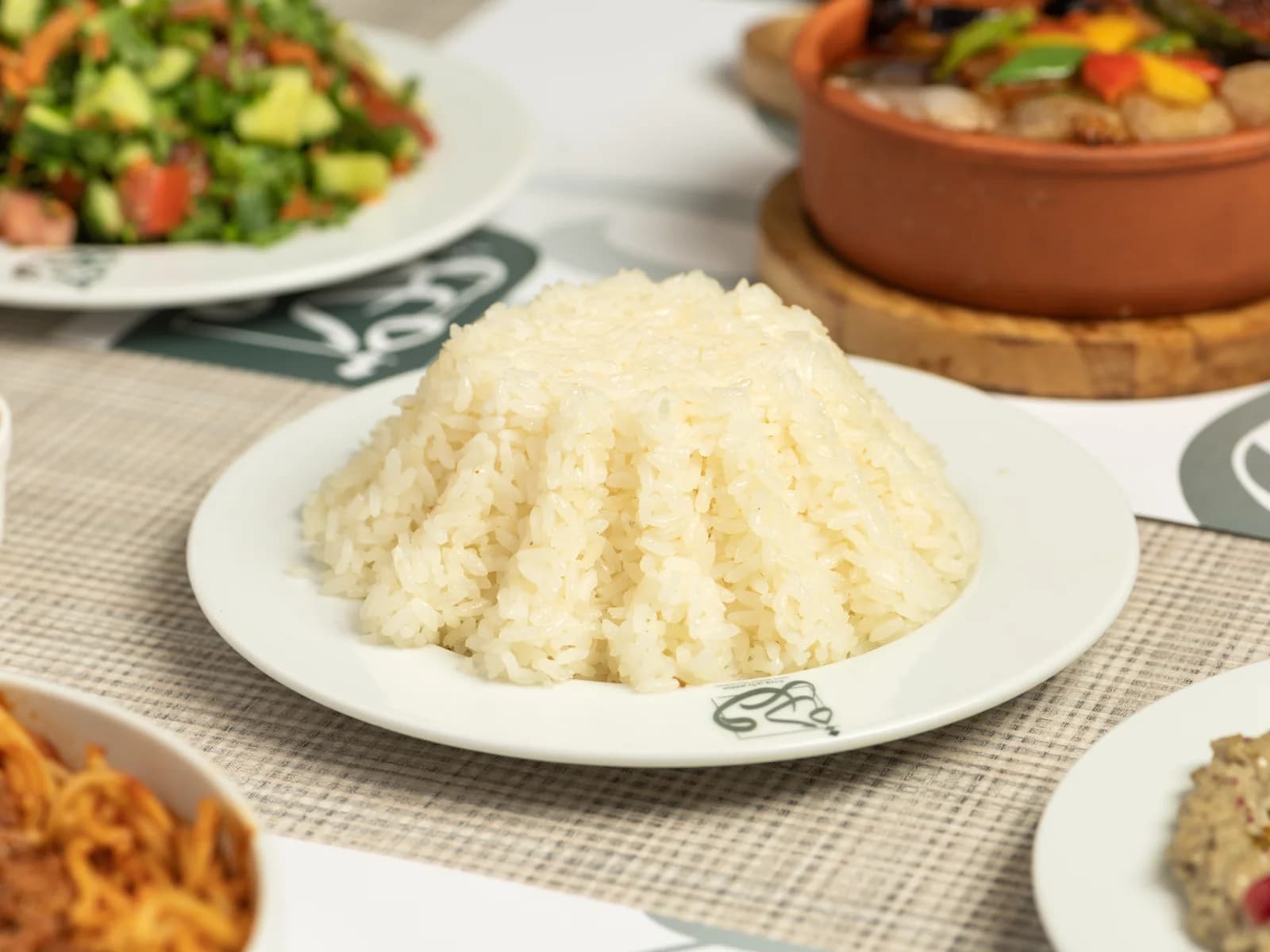
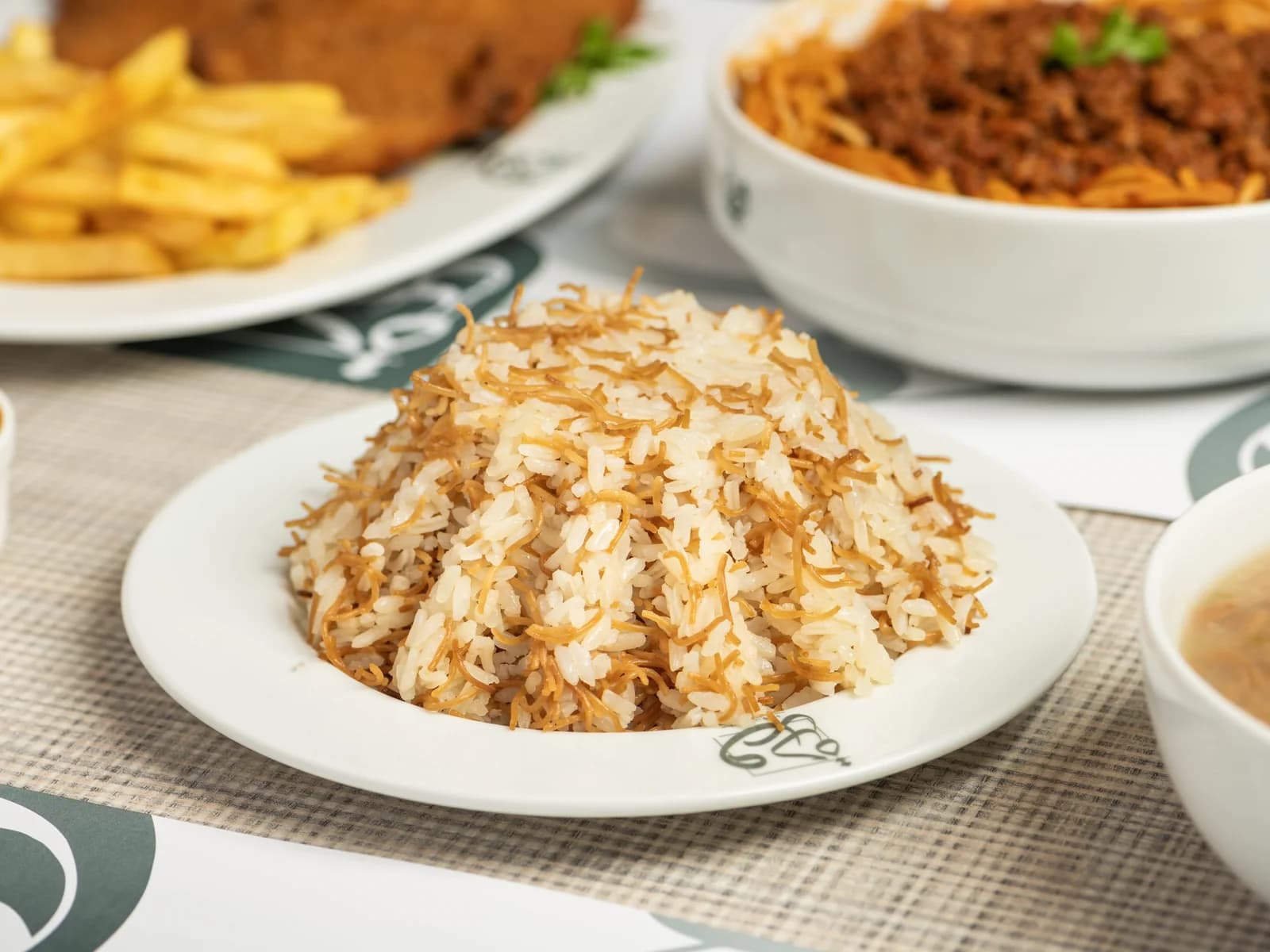
- Rice: the menu says it is served with rice, and the brown sauce belongs on the rice. For more there is vermicelli rice and white rice.
- Bread: many people love dipping it in the sauce.
- A salad to cut the richness, such as the salad buffet.
When to order it
- If the table has grills: a casserole in sauce beside the kebab and kofta rounds out the table with a home taste.
- If you want a change: instead of a tomato-sauce casserole for the tenth time.
- Friday lunch or a family get-together: the casserole in the middle, rice beside it, and everyone helps themselves.
- If someone with you does not like sour flavours: many people find a brown sauce gentler than tomato sauce.
The pearl onion casserole at Rokn Warda
At Rokn Warda in Al Khobar you will find the beef and pearl onion casserole, described on the menu as: tender beef and onions in brown sauce, served with Egyptian rice. Our meat arrives fresh, never frozen.
- Delivery: from the menu to districts of Al Khobar and Dammam. Casseroles in sauce usually travel well; more in Egyptian casseroles in Al Khobar.
- In the restaurant: eat it hot in our dining room on Al Yarmouk Street, and book a table.
- In Ramadan: for casseroles on the iftar table read the best Egyptian casseroles for Ramadan iftar.
Common questions
What does orma mean? Small onions cooked whole, which give the casserole its name.
Is the meat beef or lamb? On the Rokn Warda menu it is beef.
Does it come with rice? Yes, the menu says it is served with rice.
Is it spicy? It is not marked «spicy» on the menu, and a brown sauce is generally gentle.
Try it
If you are tired of red casseroles, or want a gentle home taste, the beef and pearl onion casserole is worth trying. Order it from the menu or come and eat it hot in Al Khobar.