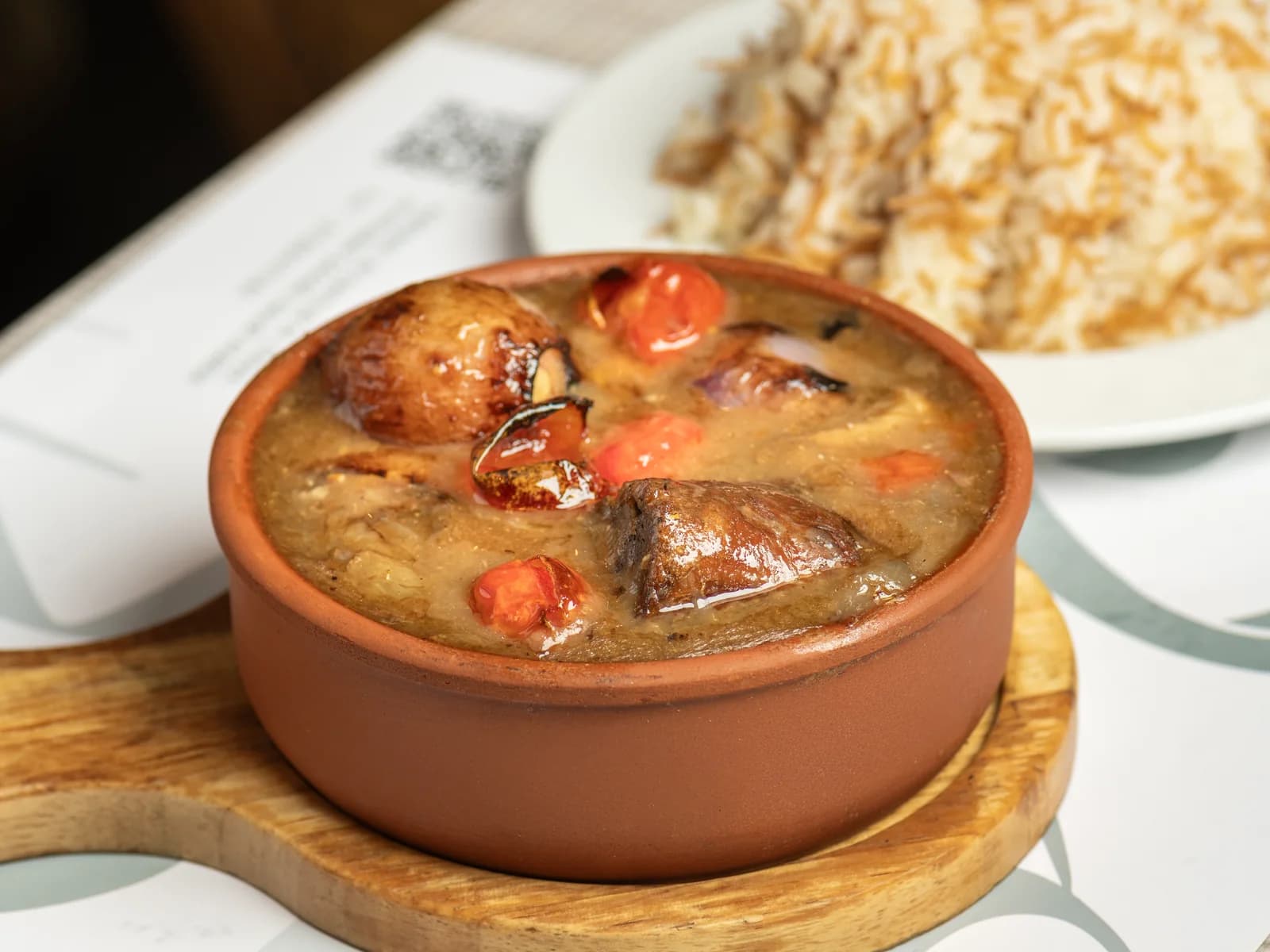
In Saudi Arabia rice is often the heart of the dish: kabsa or mandi with the meat on top. In the Egyptian home it is a little different: rice is usually a dish beside the stew, next to okra, molokhia or grills. And the first question in an Egyptian kitchen is: «rice with vermicelli, or white?»
Rokn Warda's menu has both: Egyptian rice with vermicelli and Egyptian white rice. This guide helps you choose what suits your dish.
In this article
- 1Egyptian rice: a short grain and a soft texture
- 2Rice with vermicelli: it is all in the browning
- 3White rice: quiet, letting the sauce speak
- 4Table: which rice goes with which dish?
- 5Grills: why vermicelli rice suits them
- 6Dishes that do not need rice beside them
- 7If you order delivery
- 8Frequently asked questions
- 9Choose your rice to your taste
Egyptian rice: a short grain and a soft texture
Before vermicelli or white, let us agree on the rice itself. Egyptian rice is usually short-grained; it cooks fluffy but a little soft, and soaks up sauce easily. That makes it an ideal companion for sauce and broth dishes, unlike the long-grain rice many people in Saudi Arabia are used to.
For the wider difference between the two cuisines read Egyptian and Saudi cuisine: what they share.
Rice with vermicelli: it is all in the browning
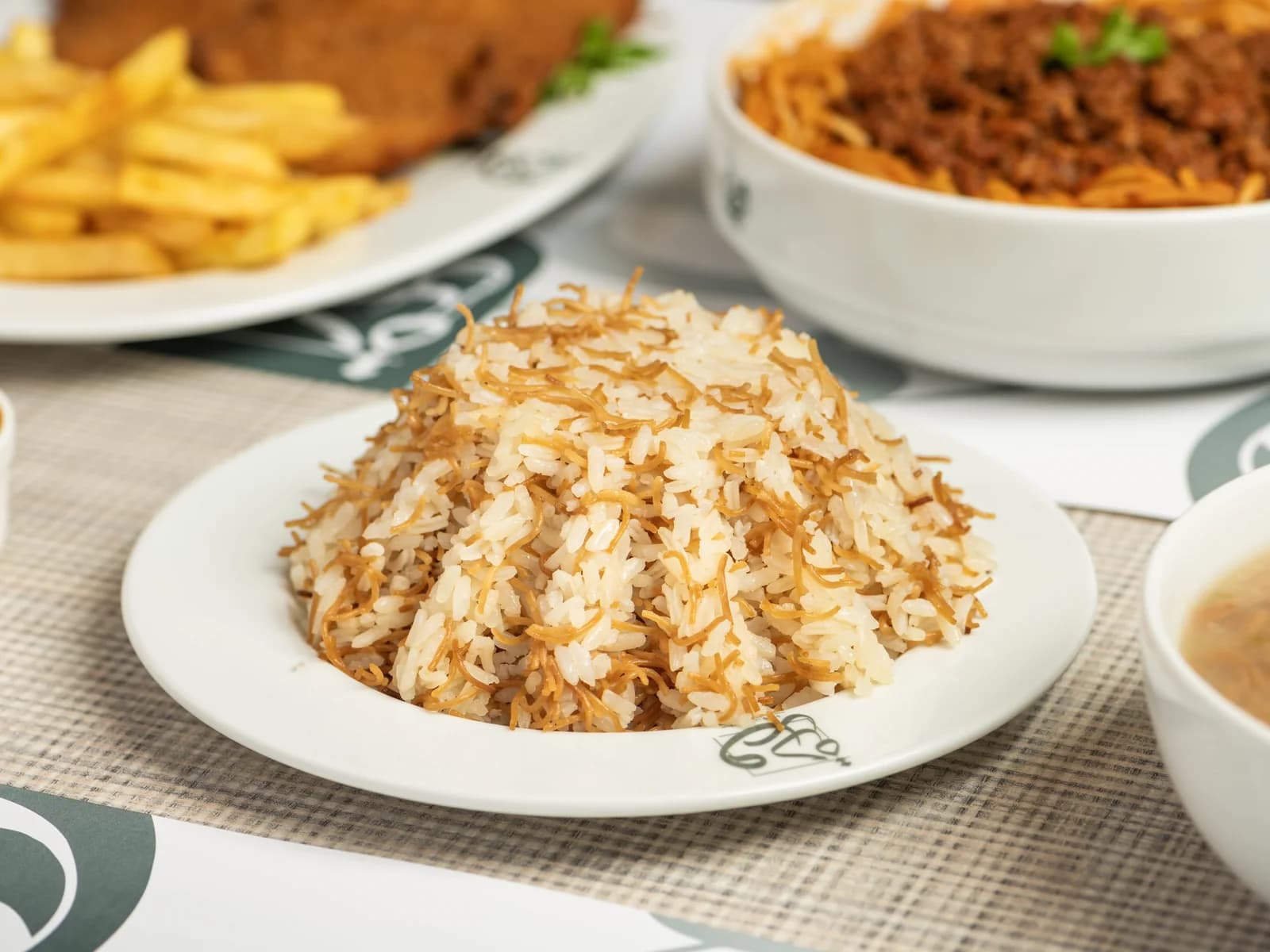
Vermicelli (sha'reya) is thin, short pasta strands. The common way in Egyptian homes is to brown them in ghee, oil or butter until deep golden, then add the rice and stir, then water or broth and salt, and let it cook over low heat.
What this does:
- A light toasty flavour that gives the rice character.
- A nice look: golden flecks among the white.
- Rice that is not boring next to mild food like grills.
The secret of good vermicelli rice
- Golden, not burnt: burnt vermicelli turns the whole pot bitter, so the browning needs low heat and a watchful eye.
- Stir the rice in the ghee for a moment before the water, so the grains stay separate.
- Don't keep lifting the lid while it cooks, and let the rice rest a few minutes before serving.
In many Egyptian homes this is the «everyday rice». On Rokn Warda's menu: Egyptian rice with vermicelli: fluffy Egyptian rice with browned vermicelli.
White rice: quiet, letting the sauce speak
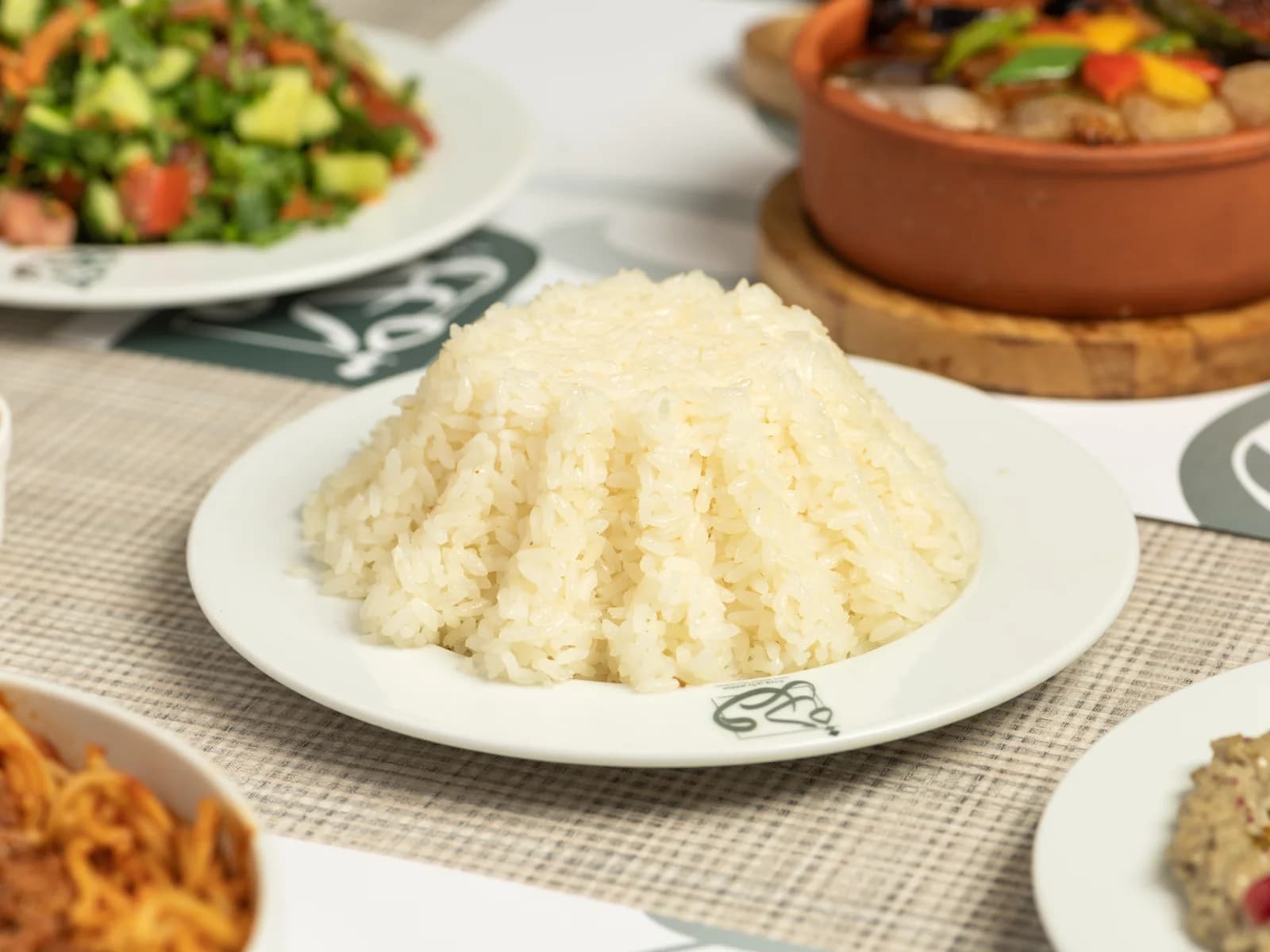
White rice has no browned flavour, and that is exactly its strength: it lets the sauce or the ta'leya be the star. So many people prefer it with dishes that have a distinctive taste they do not want anything to compete with. Egyptian fatteh itself is built on white rice with vinegar and garlic.
On Rokn Warda's menu: Egyptian white rice: fluffy Egyptian white rice with a home-cooked taste.
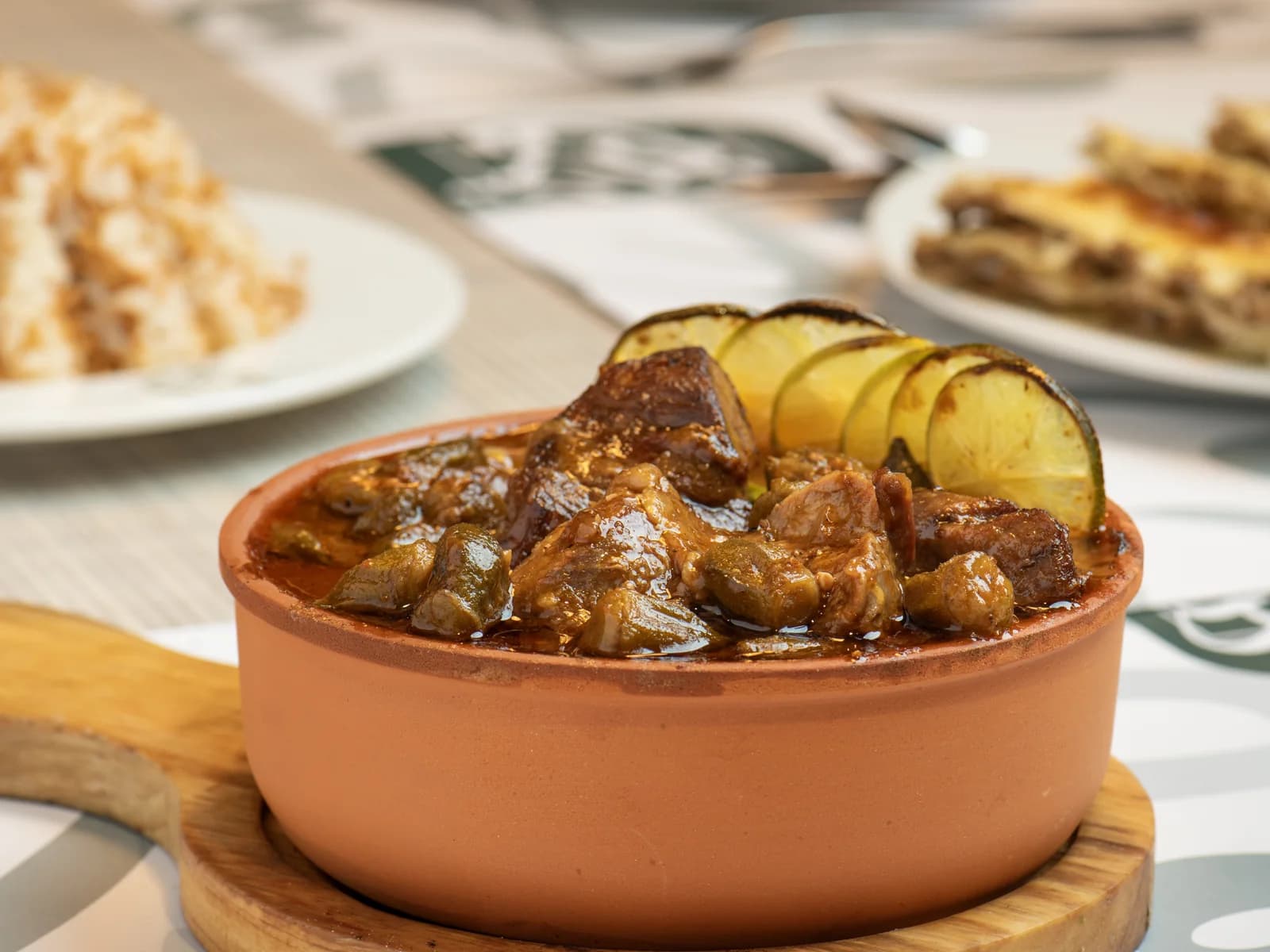
Table: which rice goes with which dish?
This is a suggestion many people follow, not a rule. Some dishes on the menu already say they are served with rice, so read the description first:
| Dish | Our suggestion | Why |
|---|---|---|
| Molokhia casserole | Usually white, or with bread | The ta'leya and coriander stay clear |
| Okra and beef casserole | The menu says it is served with Egyptian rice | «Okra and vermicelli rice» is a famous home pairing |
| Potato and beef casserole | Vermicelli | The sauce soaks into the rice and the toasty taste completes it |
| Moussaka with minced meat | White, or with bread | The sauce is rich on its own |
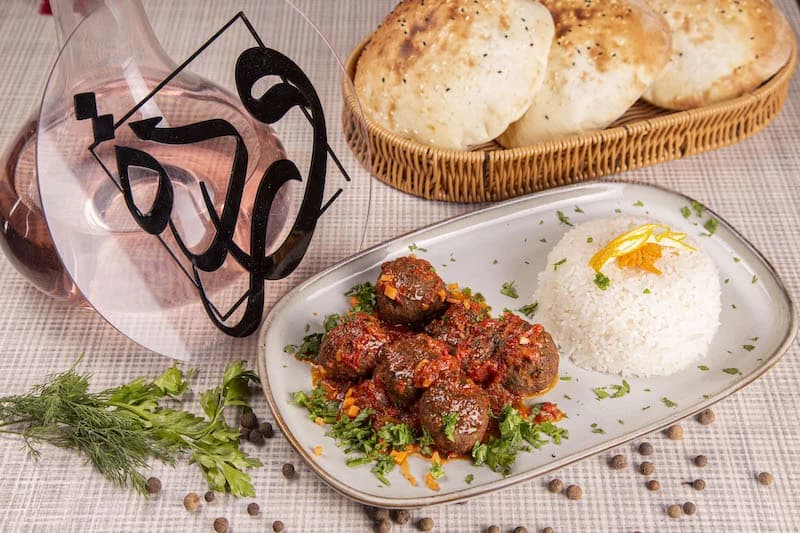
| Dawood Basha kofta | The menu says it is served with white rice | Red sauce on white rice is a classic |
| Beef with pearl onions and chicken with potatoes casseroles | The menu says they are served with rice | Ask when ordering if you want a particular kind |
| Grills | Vermicelli | It adds flavour beside grilled meat that has no sauce |
Grills: why vermicelli rice suits them
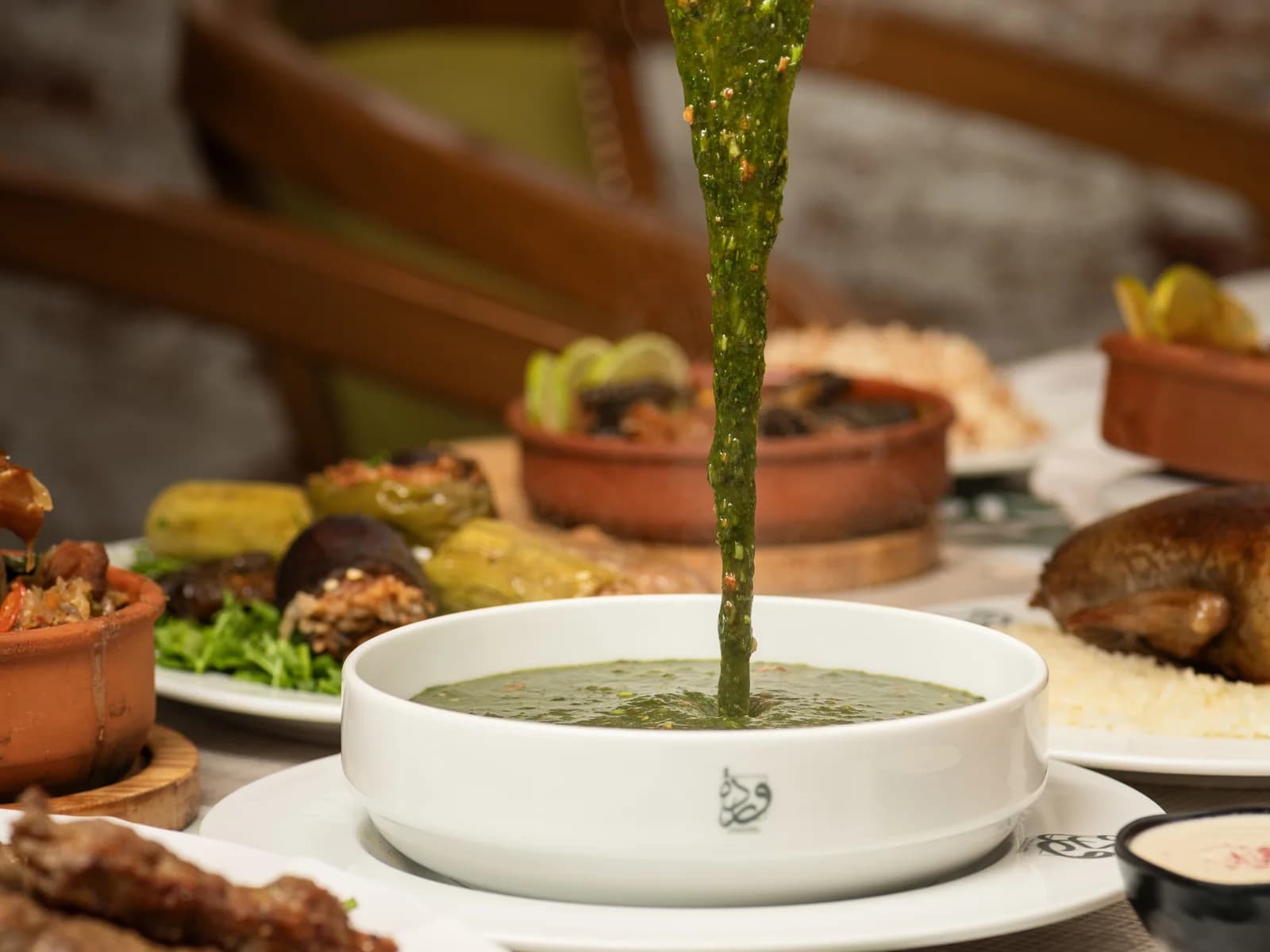
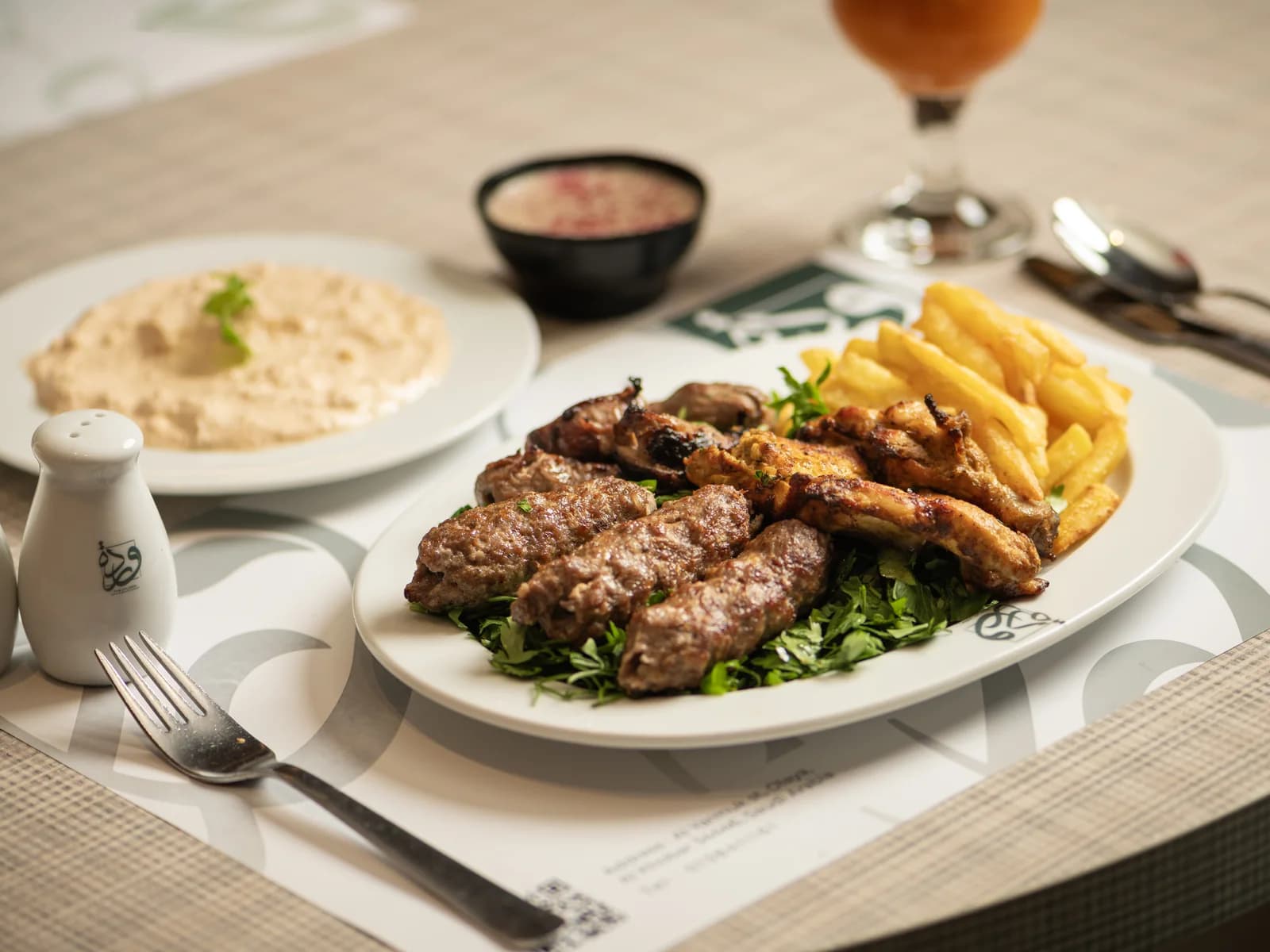
Kebab, kofta, lamb chops and shish come without sauce; their taste comes from the marinade and the charcoal. Put plain white rice beside them and the plate can feel a little dry. Vermicelli rice, with its toasty taste, completes the picture, and with salad or tahini the plate is balanced.
Example: mixed grills + vermicelli rice + salad. For the salads that go with grills read salads with grills.
Dishes that do not need rice beside them
Something often forgotten: many Egyptian dishes already contain a starch, so rice beside them is too much:
- Fatteh of every kind: it has rice and toasted bread.
- Stuffed pigeon: with rice or with freekeh.
- Mahshi and mombar: their filling is rice.
- Lamb shank with freekeh: the freekeh is the starch.
- Hawawshi: baladi bread.
- Macaroni béchamel casserole: pasta.
For planning the whole order, see the guide to choosing a complete Egyptian meal.
If you order delivery
Rice travels well. If it cools, add a light sprinkle of water, cover it and warm it over low heat or for a minute in the microwave, so it comes back soft without drying out.
Frequently asked questions
Is rice with vermicelli originally Egyptian? It is known in other Arab kitchens too, such as the Levant, but in Egypt it has become the daily rice in many homes, tied to Egyptian stews.
Is the rice at Rokn Warda vegetarian? Both kinds are marked «vegetarian» on the menu. That is the menu's guide; if you follow a strict diet or have an allergy, ask our staff about how it is cooked.
Should I order rice with a casserole? Read the casserole's description first; if it says it is served with rice, you usually do not need to order more. Ask about quantity when you order.
Is Egyptian rice like basmati? No, Egyptian rice is usually shorter and softer, and soaks up more sauce. If you love rice-and-meat dishes, read from kabsa to fatteh.
Choose your rice to your taste
Vermicelli when the dish needs extra flavour, like grills and potatoes; white when the sauce is the star, like molokhia and fatteh. Order Egyptian rice with vermicelli or Egyptian white rice beside your dish from the menu for delivery to the Al Khobar and Dammam districts shown at ordering, or eat in Rokn Warda's dining room in Al Khobar and book on the reservation page.