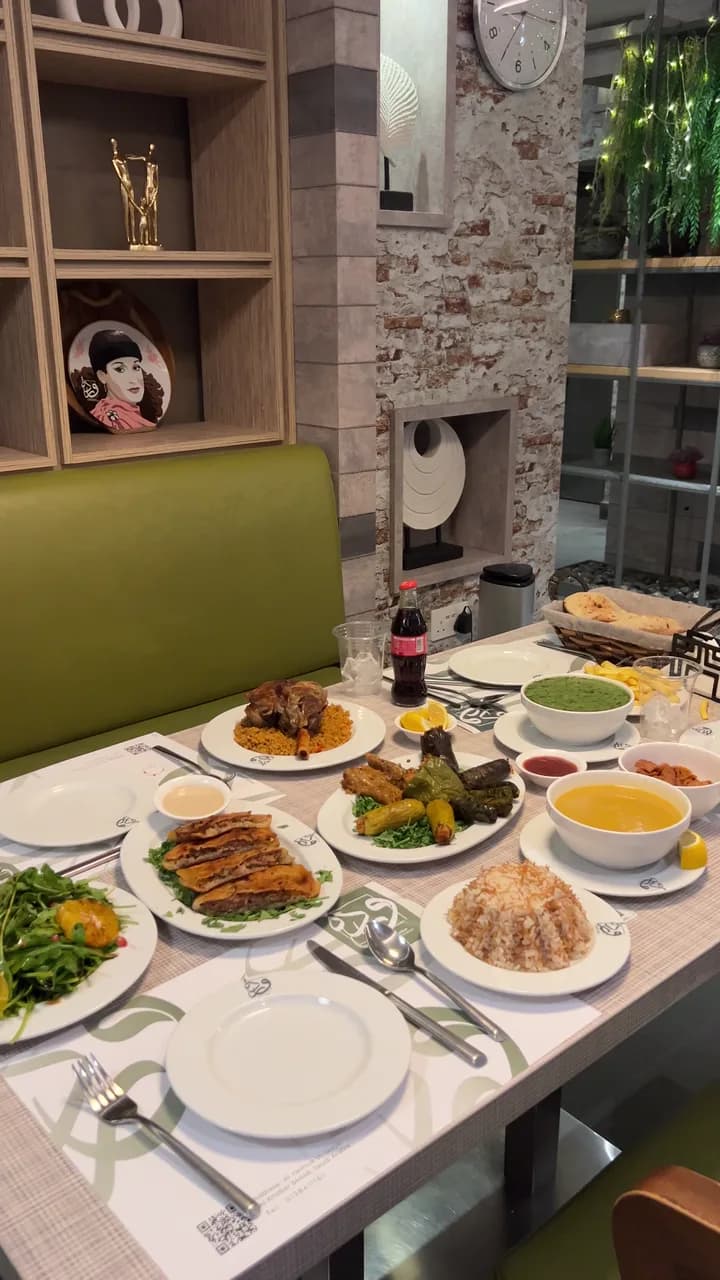
The Egyptian kitchen and the Saudi kitchen are neighbours on the map and in taste. Both grew up in the same region, and both keep rice, lamb, dates and generosity at the heart of the table. Even so, one bite of a dish from each and you know at once where it comes from. This article is not a contest over which is better; it is a friendly comparison of two tables, each with its own soul.
Saudi cuisine is not one dish
Before any comparison, remember that Saudi cuisine varies by region: Najd has its dishes, the Hejaz has its own, and the South and the Eastern Province have theirs. The same goes for Egypt: the food of Upper Egypt is not that of Alexandria or the Delta. So this is about the general picture, not every home.
What they share
Rice at the centre
Rice is basic to both tables. In Saudi Arabia it is the base of kabsa, mandi and many other dishes; in Egypt it sits beside every casserole and under every fatteh. The difference is the grain: Saudi cooking mostly uses long-grain rice, while Egypt is known for short-grain Egyptian rice, which cooks soft and holds together.
Lamb and the slaughtered sheep
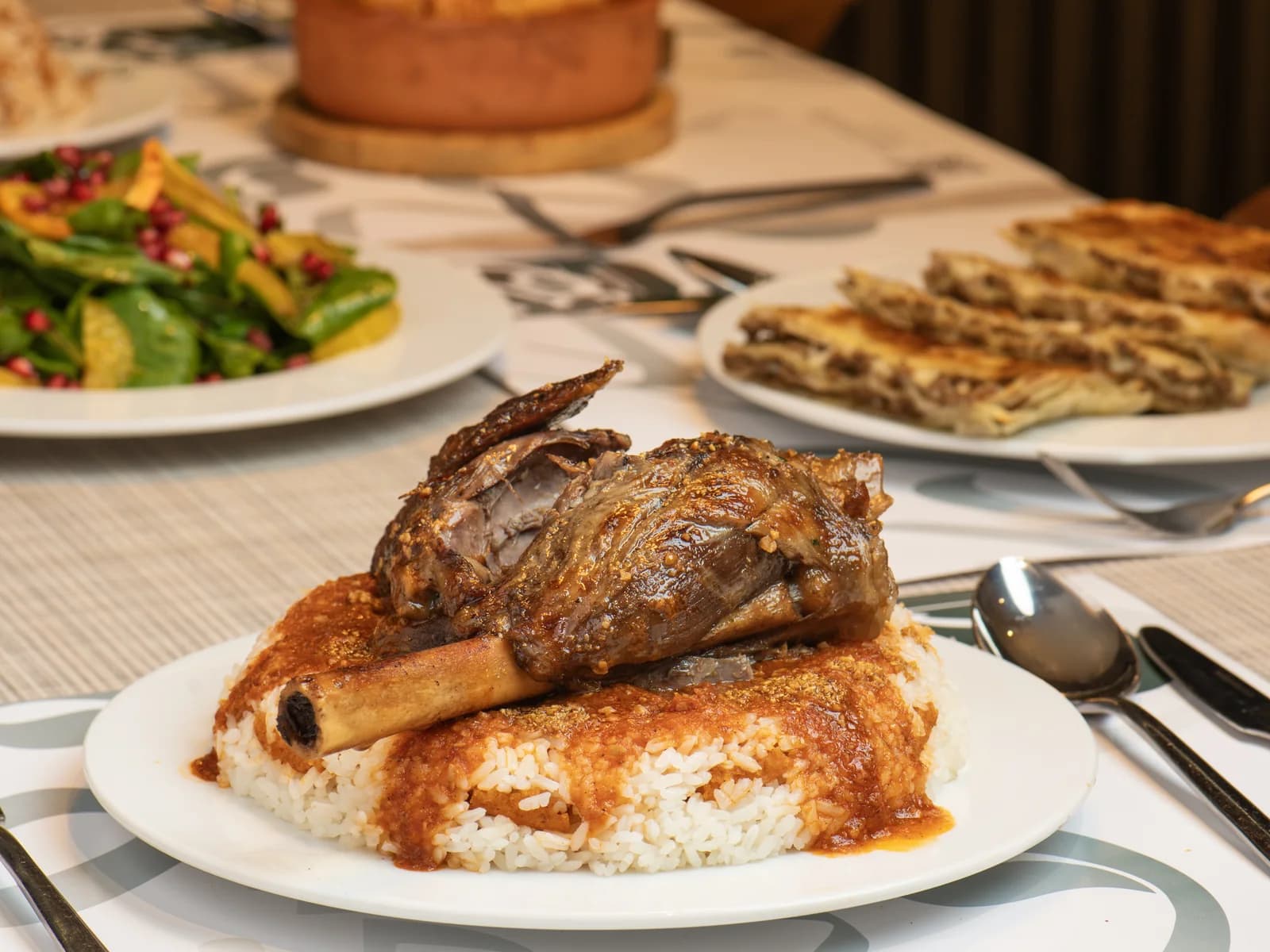
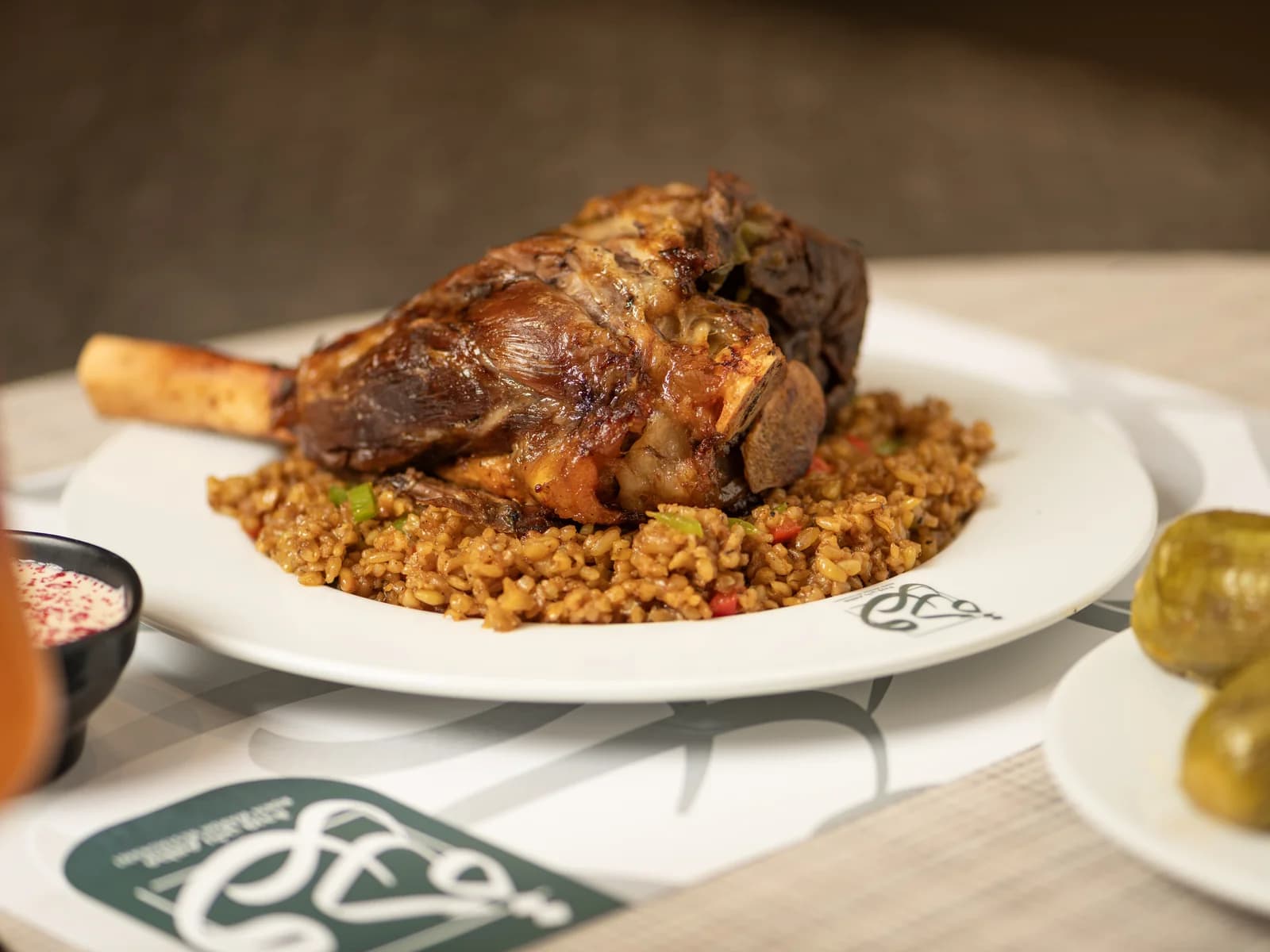
Lamb holds a special place for both: a sheep for occasions and Eid, and the best cut for an honoured guest. In Saudi Arabia it appears in kabsa and mandi; in Egypt in fatteh, lamb shank and grilled lamb chops.
Generosity and gathering
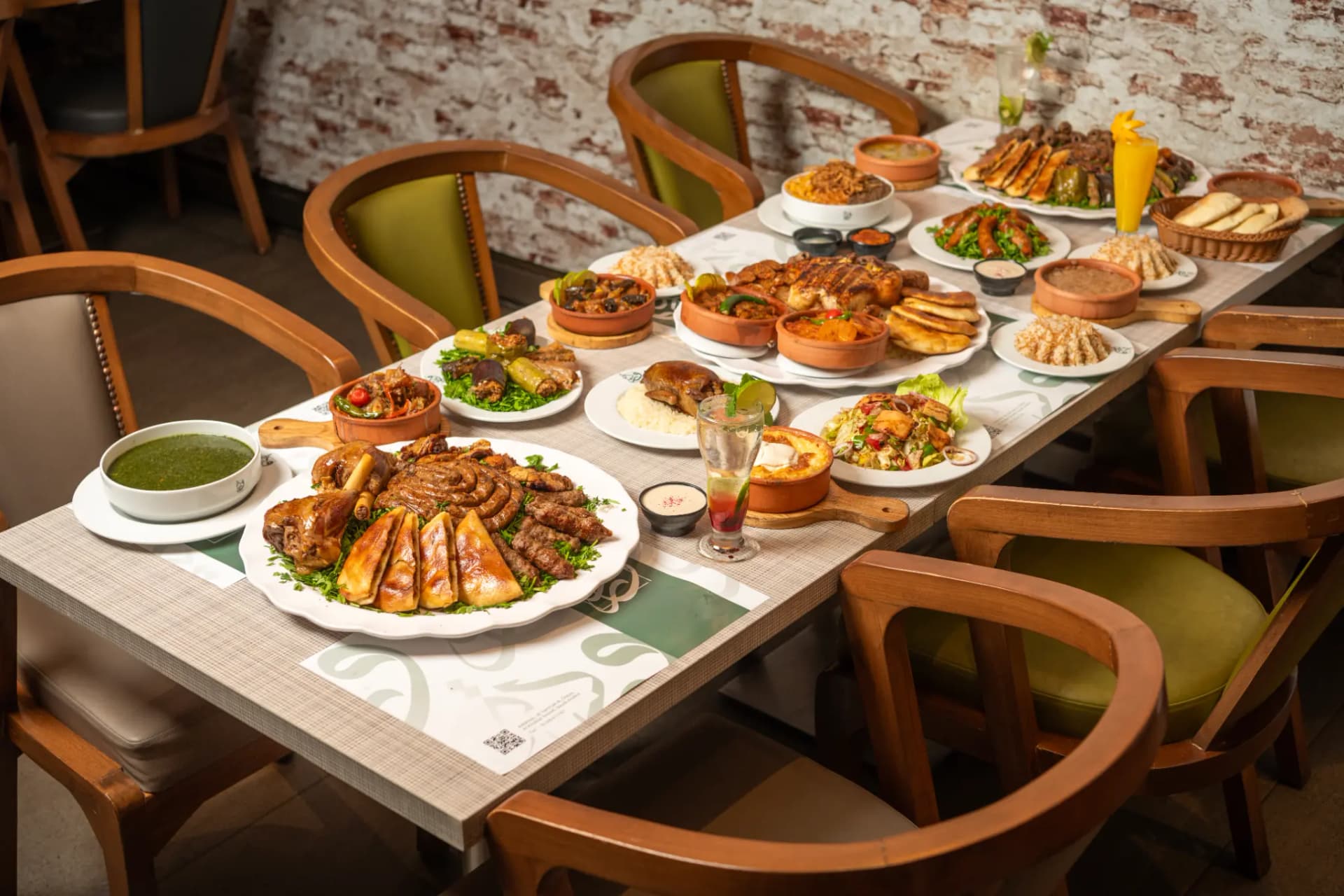
In both countries food is made for sharing: a big tray in the middle and everyone around it. Saudi hospitality has its symbols, such as Arabic coffee and dates, and in Egypt «you must eat with us» is more than a phrase. We wrote more on this in the Egyptian table and gathering.
The Ramadan table
In Ramadan, iftar in both countries often starts with dates and then soup, before the main dishes. Each has its own touches: in Egypt qamar el-din and kunafa and qatayef; in Saudi Arabia, for example, sambousa, luqaimat and soup. Ful, by the way, is loved on both tables.
How they differ
One-pot dishes and casseroles
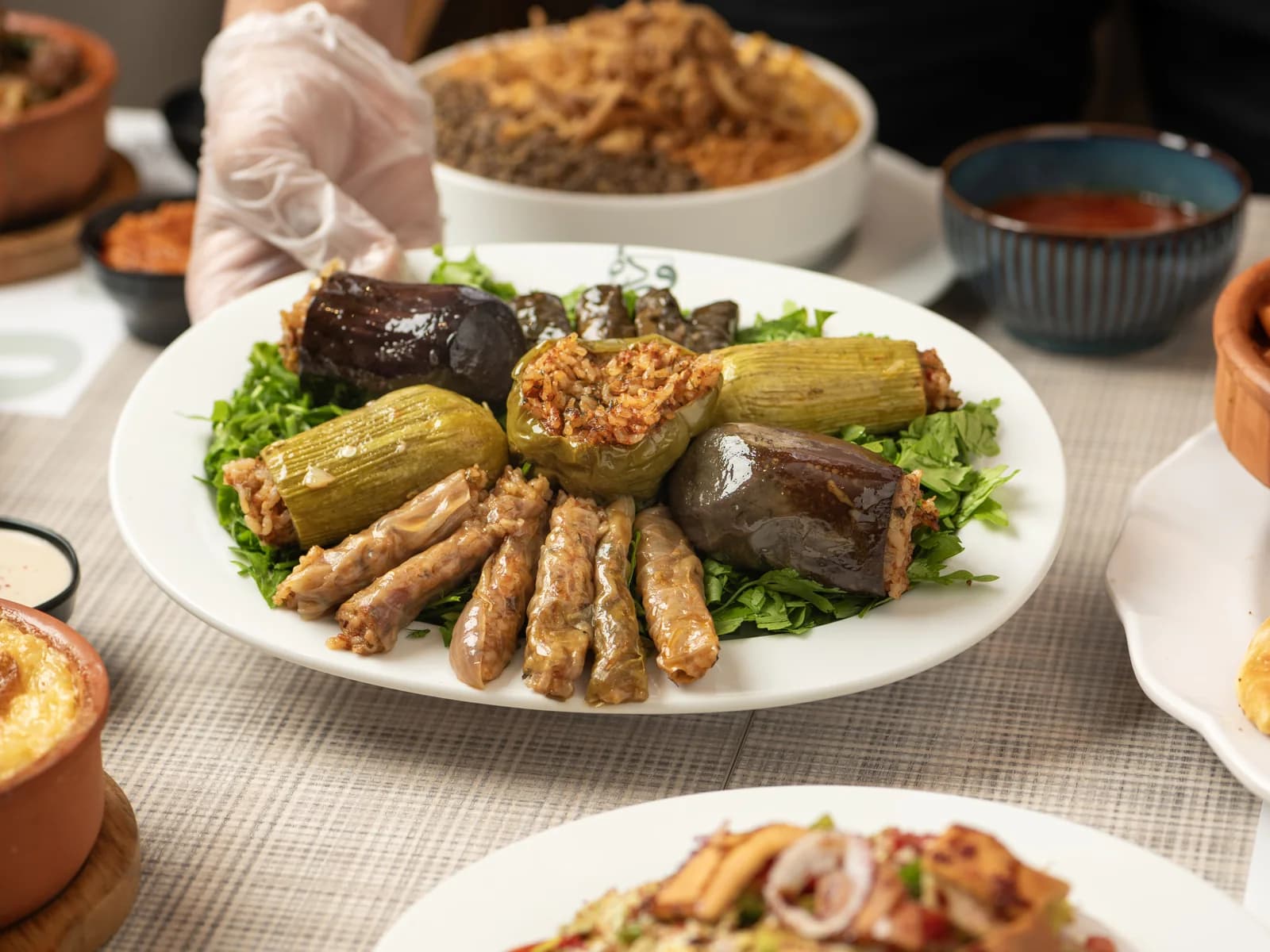
Many famous Saudi dishes are rice and meat in one dish: kabsa, mandi, jareesh, saleeg, harees. Egyptian cooking is known for casseroles slow-cooked in clay, for mahshi rolled by patient hands, and for vegetables in tomato sauce eaten beside rice rather than in the same dish.
| Saudi cuisine (in general) | Egyptian cuisine (in general) | |
|---|---|---|
| Best-known dishes | Kabsa, mandi, jareesh, saleeg | Molokhia, mahshi, fatteh, casseroles |
| Rice | Mostly long-grain, the base of the dish | Mostly short-grain, beside the dish |
| Cooking style | Rice and meat cooked together or layered | Casseroles, sauces and stuffing |
| Bread | Many kinds by region | Baladi bread at every meal |
Spices
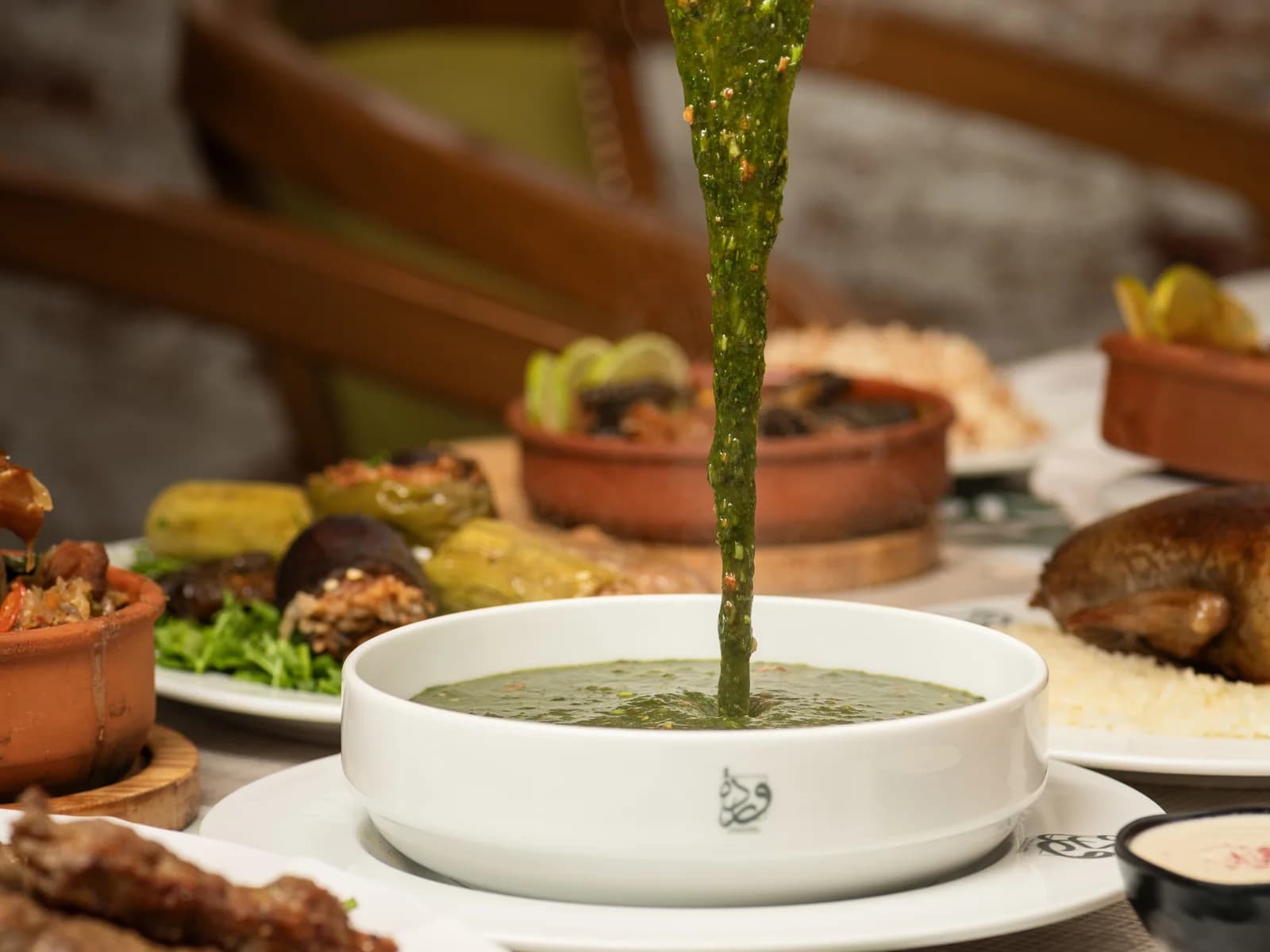
This may be the clearest difference. Saudi spicing is often richer and more aromatic: cardamom, cinnamon, cloves, loomi (dried lime), sometimes saffron, and ready baharat blends. The Egyptian home tends towards simpler seasoning: cumin, coriander, black pepper, garlic, and the taqliya that gives molokhia and soups their aroma. For more on spices in Egypt, read Egyptian spices and dukkah.
Coffee and tea
Saudi Arabic coffee is light, spiced with cardamom and served in the small finjan with dates, while in Egypt the familiar pair is strong tea after a meal and Turkish-style coffee in a kanaka. Two different ways of saying the same thing: welcome.
Sweets
Sweets have their own character in each country too. Saudi Arabia has luqaimat, fried and drizzled with date syrup or honey, kleija, well known from Al-Qassim, and dates themselves in their many varieties, which hold a special place. Egypt's best-known sweets are warm Om Ali, rice pudding, kunafa and qatayef in Ramadan, and basbousa. Both agree on one thing: something sweet after the meal is part of hospitality, not a luxury.
Two tables, two tastes, one meaning
The nice part is that a Saudi who loves kabsa will probably love fatteh, since it is rice and meat, and a mandi lover will feel at home with charcoal grills. And Egyptians living in the Kingdom have made kabsa one of their own dishes. That is what we wrote about in Egyptian food in Saudi Arabia.
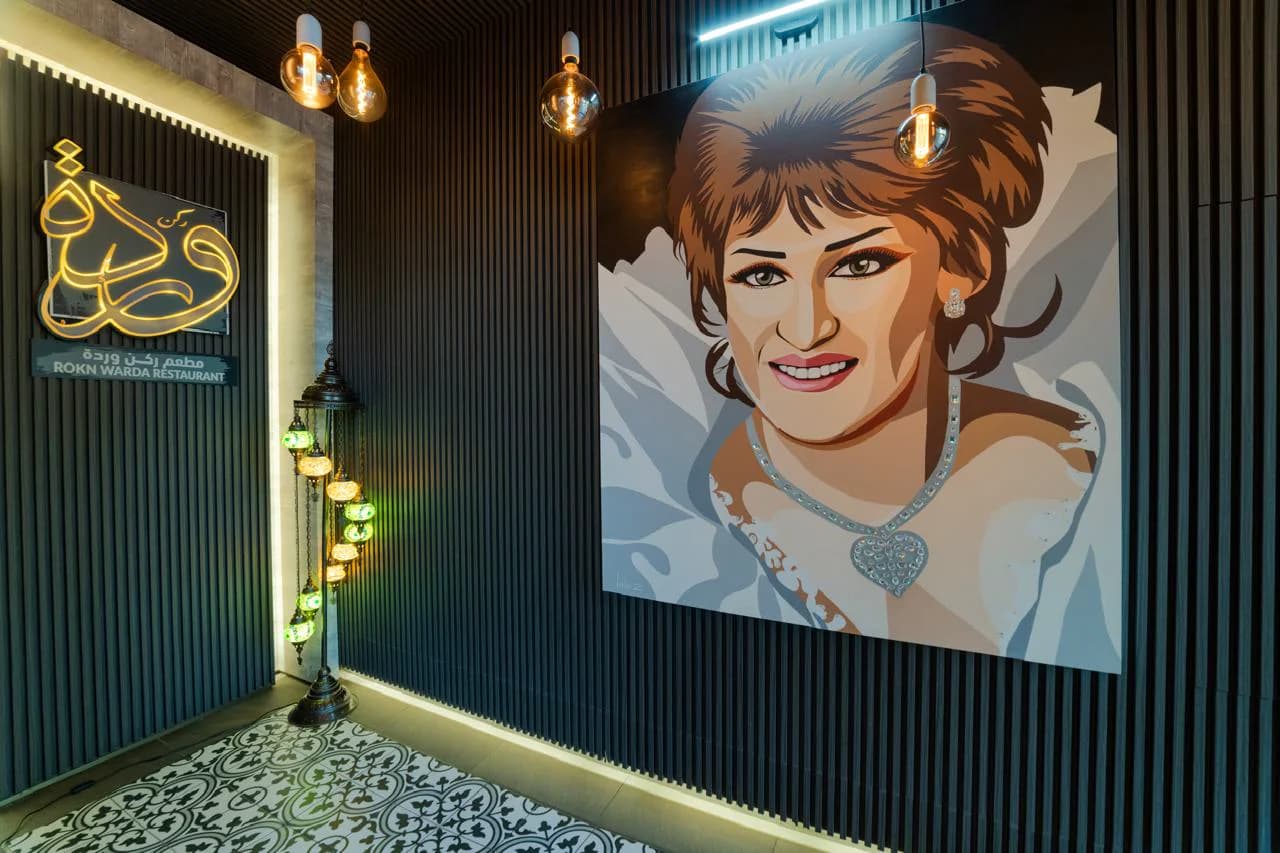
Try the Egyptian side at Rokn Warda
At Rokn Warda in Al Khobar, if you want to start from what the two kitchens share, try lamb shank fatteh or lamb shank with freekeh; for a purely Egyptian taste, try a molokhia casserole and mixed mahshi with white Egyptian rice. Our meat arrives fresh, never frozen, and orders from the menu are delivered in Al Khobar and Dammam.