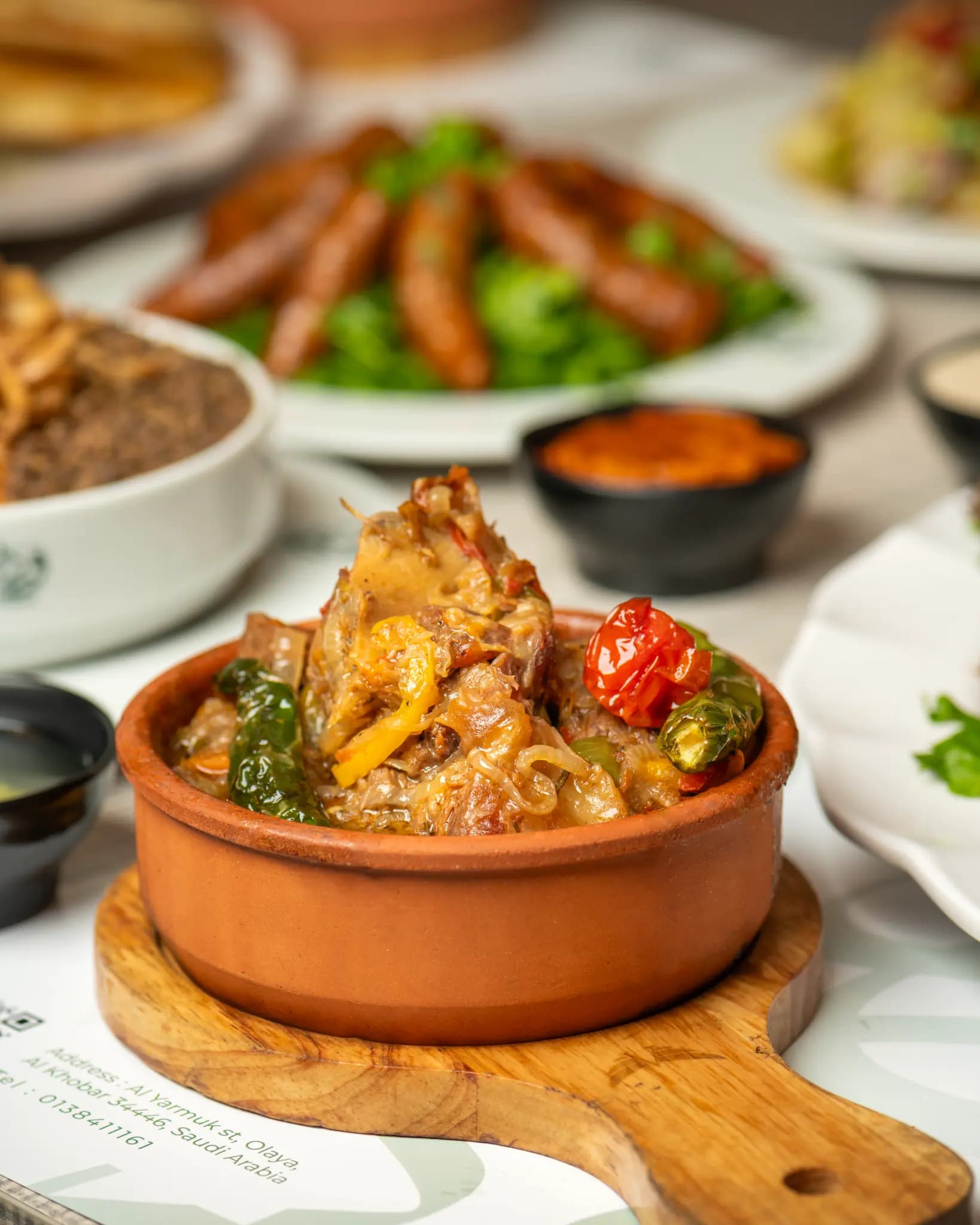
Walk into an old Egyptian kitchen and you will find a corner full of Egyptian clay pots: a bram for rice, a tagen for okra, a qulla on the window sill and a big zeer in the hallway. These are not decorations or a "comeback trend"; they are part of the story of Egyptian food from very long ago, and to this day you will hear in many homes that "a casserole in clay just tastes different".
In this article we tell the story of clay in Egypt through history, in general terms and without exaggeration: the bram, the tagen, the qulla and the zeer, why cooks love gentle, even heat in casseroles, and how that idea still lives on in the Egyptian casseroles we eat today.
In this article
- 1Clay in Egypt: a craft as old as the country
- 2The bram: home of oven rice and baked dishes
- 3The tagen: the pot that became the name of the dish
- 4The qulla and the zeer: cold water without electricity
- 5Egyptian clay pots and gentle heat: why casseroles love them
- 6Pots in proverbs and everyday speech
- 7Egyptian casseroles today
- 8Frequently asked questions
- 9From clay to the table
Clay in Egypt: a craft as old as the country
Pottery is one of the oldest crafts Egypt has known. There is clay on the banks of the Nile, there is fire, and for thousands of years people have shaped clay, fired it and made vessels for eating, drinking and storage. Clay vessels are well known to be among the most common finds in ancient Egyptian remains, which says a lot about how much they were part of daily life. If you would like to know more about what the ancient Egyptians ate, we have a full article on ancient Egyptian food.
Over the centuries the craft stayed alive. Today there are still well-known pottery workshops in places such as the Fustat area of Old Cairo and villages in Fayoum and Upper Egypt, where the potter still sits at the wheel and turns the clay by hand. The details change from place to place, the shape of the vessel, the colour of the clay, the way it is fired, but the idea is the same.
The bram: home of oven rice and baked dishes
If you grew up in, or visited, a countryside home, you have probably seen a bram: a deep clay pot that goes into the oven. In Egyptian memory the bram is tied to roz me'ammar, rice baked in the oven with milk and ghee until a golden crust forms on top. It is also used for rice with pigeon or with meat, and for other baked dishes depending on the household.
Why the bram?
- It handles the oven and long cooking.
- Its depth lets food cook slowly without drying out quickly.
- Its sides give the rice the browned layer everyone fights over.
Many women say a new bram must first be "watered", soaked in water before its first use. This is knowledge passed down in homes, and the method differs from one cook to another.
The tagen: the pot that became the name of the dish
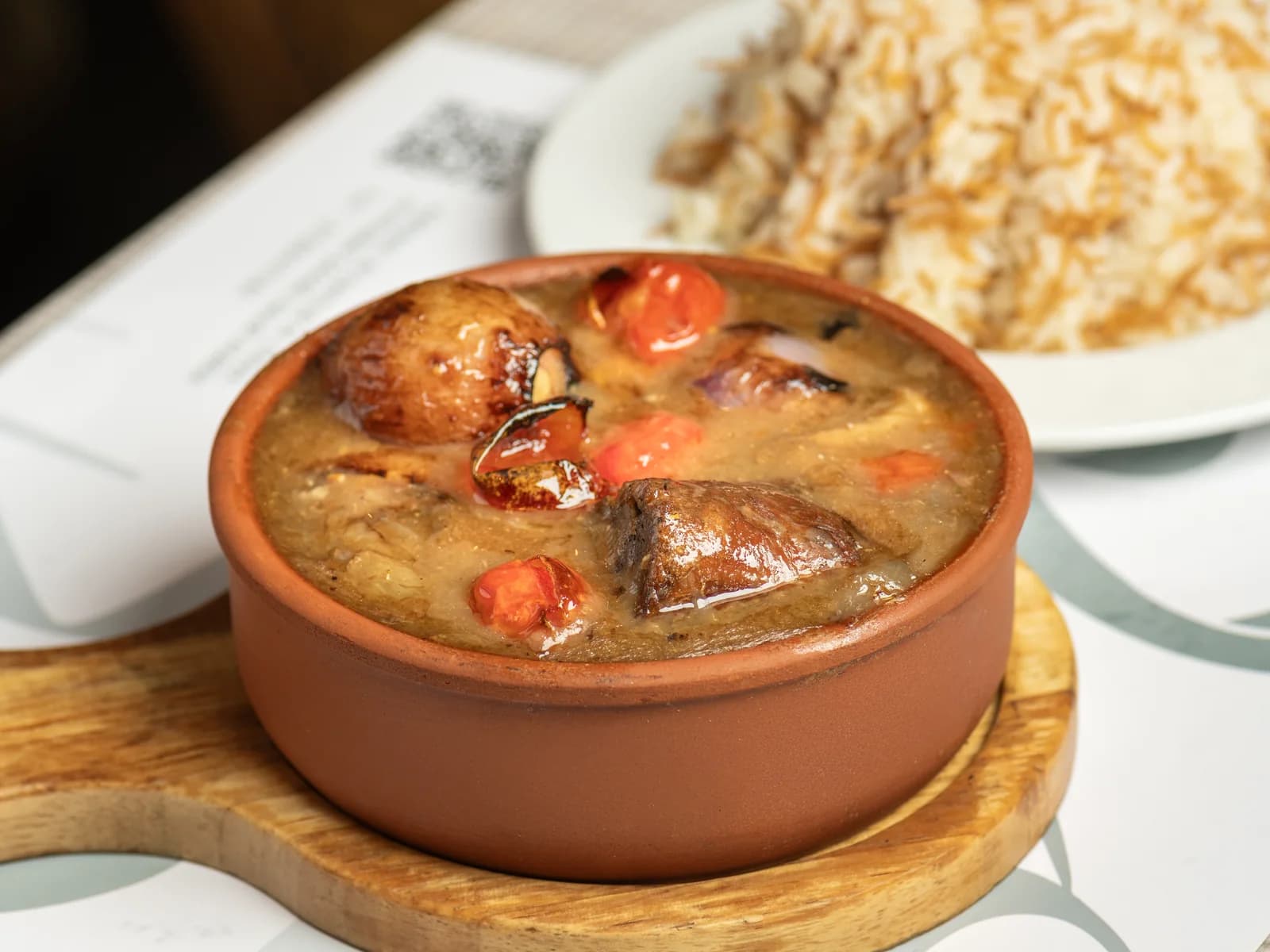
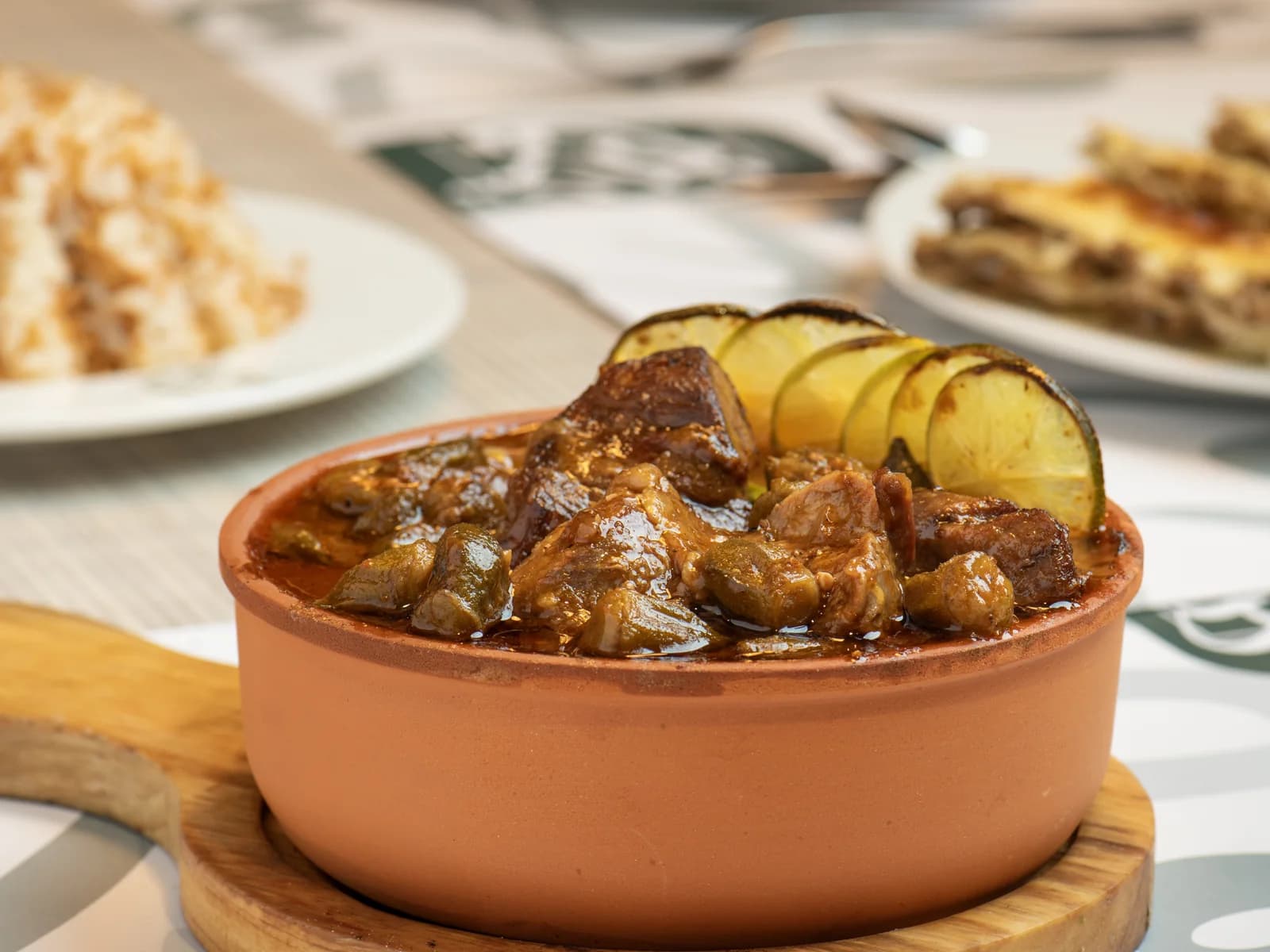
In Egypt the word tagen has two meanings: the pot itself and the dish cooked in it. We say "okra tagen", "molokhia tagen" and "macaroni tagen", as if the name of the pot became part of the name of the dish. As for the origin of the word itself, there are many accounts, and nothing we can call certain.
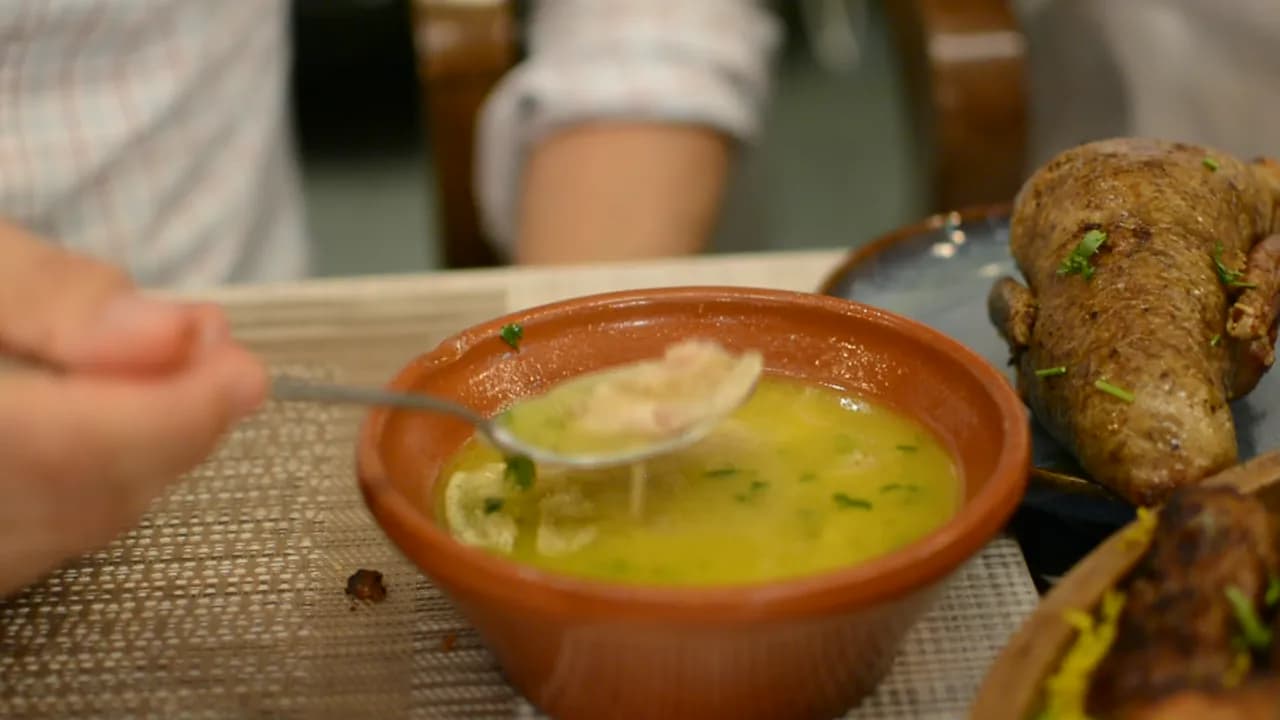
A clay tagen goes into the oven, the food inside cooks over gentle heat, and the sauce soaks into the meat and vegetables. That is why the tagen is linked in people's minds with home cooking that "takes its time". We write about this idea in detail in Egyptian casseroles and slow cooking.
The qulla and the zeer: cold water without electricity
Long before fridges, Egyptians drank cool water, and the secret was the qulla and the zeer.
The qulla
The qulla is a small clay jug with a narrow neck, sometimes with a small cap. Clay is porous, so a little water seeps to the surface and evaporates, and that evaporation cools the water inside. That is why the qulla was placed on the window sill or somewhere breezy. To this day many people say qulla water "has its own taste".
The zeer
The zeer is the big brother: a huge jar set on a stand that holds plenty of water for the whole house. One of the lovely old Egyptian customs is placing a zeer of water at a house door or on a street corner so any passer-by can drink, a form of charity people cherish.
Egyptian clay pots and gentle heat: why casseroles love them
The question everyone asks: does a casserole in clay really taste different? The common view among cooks is that clay:
- Heats slowly and spreads the heat to all sides, so the food does not scorch at the bottom while the top is still uncooked.
- Holds the heat after leaving the oven, so the casserole reaches the table still bubbling.
- Lets the sauce thicken slowly, which gives okra, molokhia and trotters their rich, well-cooked flavour.
This is about cooking and taste only, and in the end the result depends on the cook, the ingredients and the cook's "touch" more than anything else.
Pots in proverbs and everyday speech
Kitchen pots even made their way into Egyptian speech. One of the best-known proverbs is "Turn the pot upside down on its mouth and the daughter turns out like her mother" (ekfi el-edra 'ala fommaha tetla' el-bent l-ommaha); the edra is a cooking pot, and the common meaning is that a daughter grows up resembling her mother in nature and behaviour. And the word "qulla" is still heard in homes, even if the qulla itself is less common than before.
Egyptian casseroles today
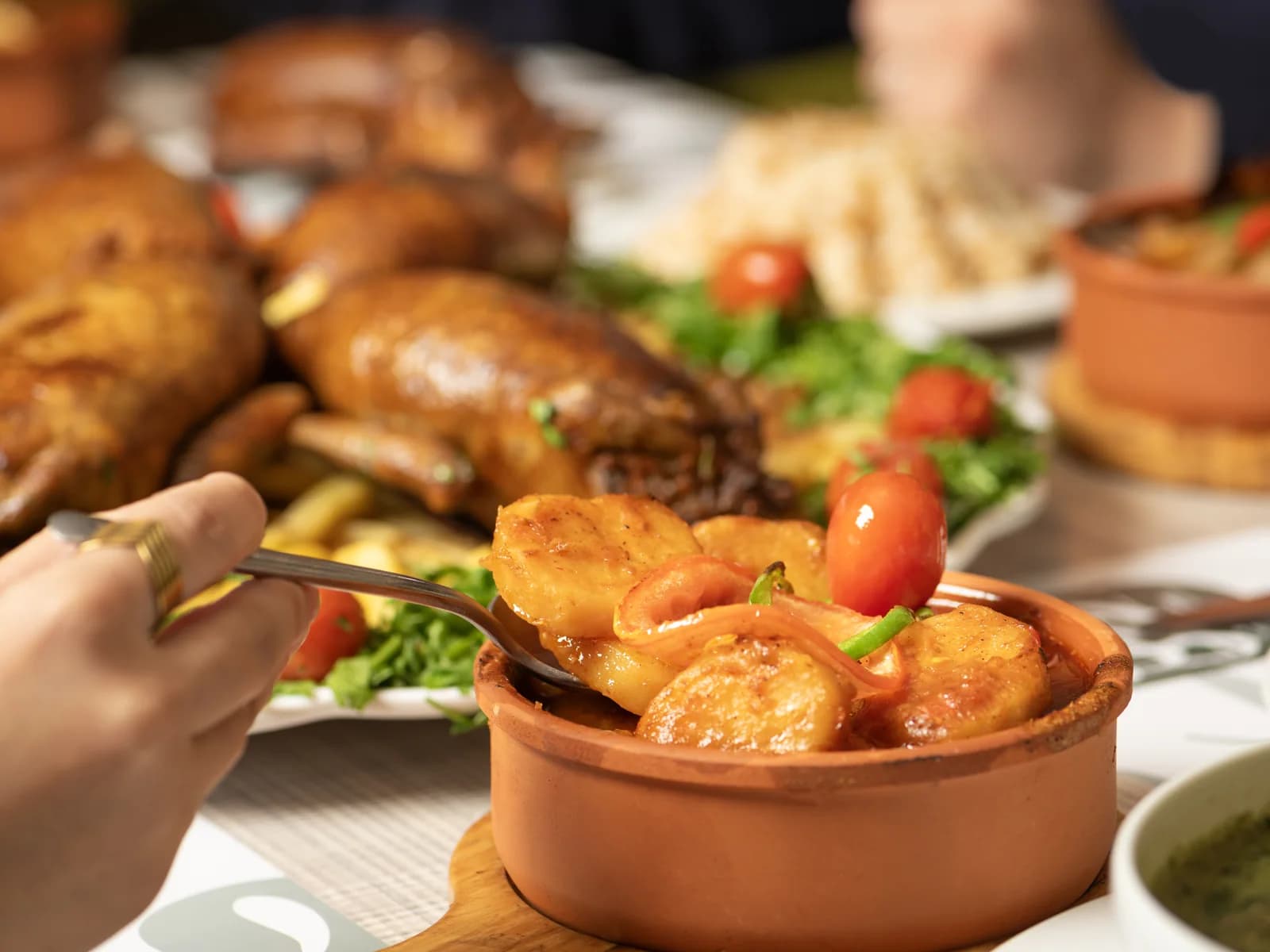
Homes have changed, gas stoves and modern ovens arrived, and many pots are now metal or glass. But the spirit of the tagen remains: a dish with sauce, cooked slowly and served hot in the middle for everyone to share. Among the best-known Egyptian casseroles:
- Okra with meat: okra in tomato sauce with pieces of meat.
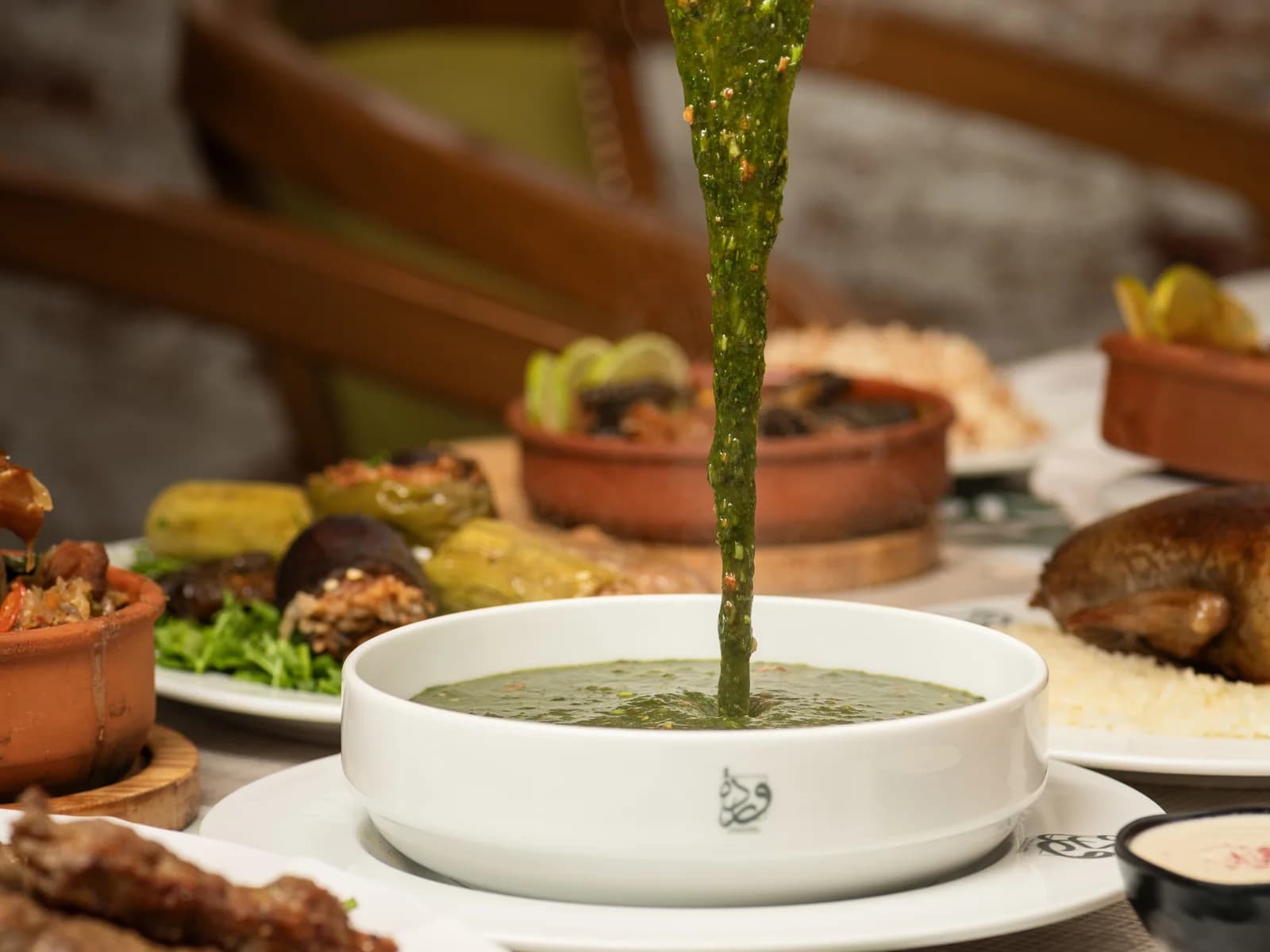
- Molokhia: and molokhia has a story of its own in the history of molokhia.
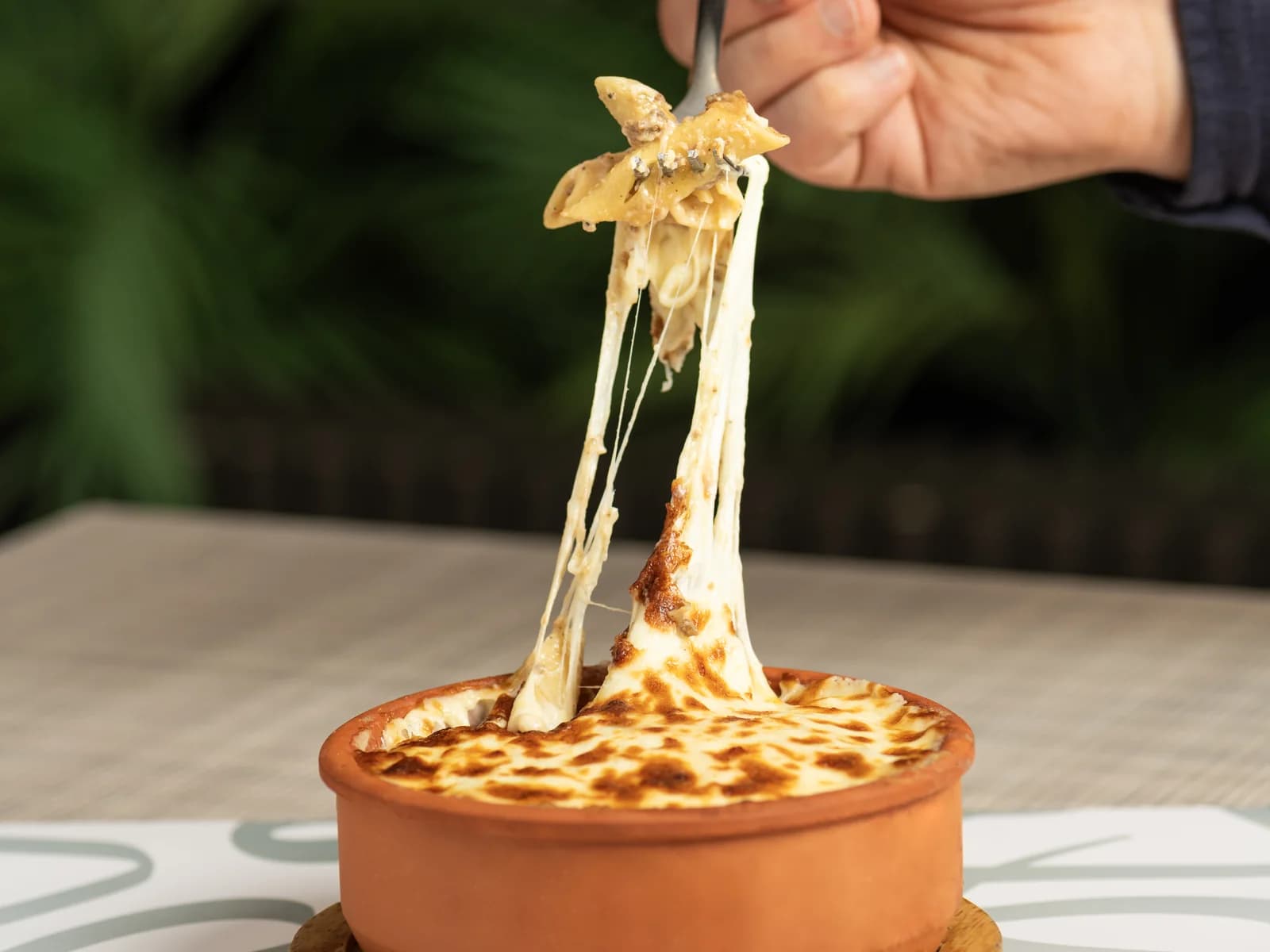
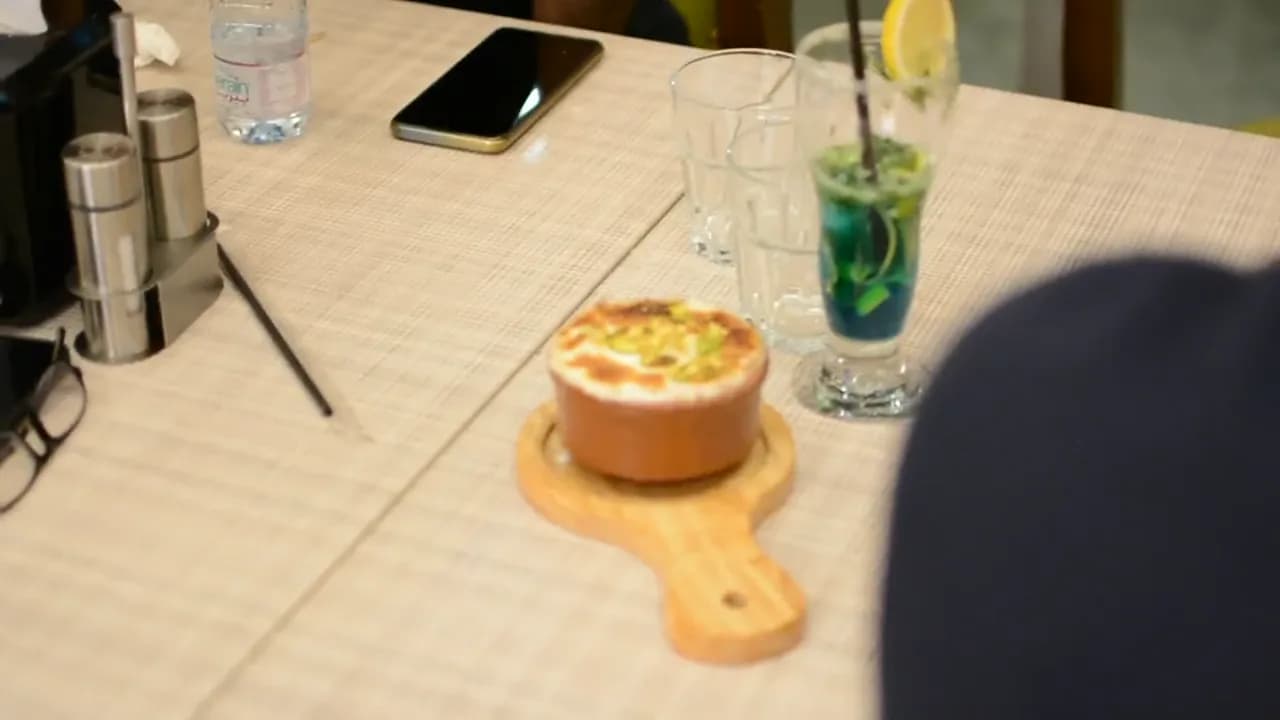
- Macaroni béchamel: it goes into the oven and comes out with a browned top; read the story of macaroni béchamel.
- Trotters: a dish for gatherings and winter, with its story in the story of Egyptian trotters.
The pottery seller is still around
In popular markets you still find the pottery seller with qullas, brams and tagens laid out in different sizes, from a small single-serving tagen to a large bram big enough for a family. Many people choosing a pot tap it with a finger to hear its sound, and it is said that a clear ring means the vessel is sound and uncracked. Little things like this are passed down without anyone writing them.
Frequently asked questions
What is the difference between a bram and a tagen? Both are clay and both go into the oven, but the bram is usually deeper and is tied to oven rice and rice with pigeon, while the tagen is wider and more associated with dishes in sauce such as okra.
Why is qulla water cool? Because clay is porous: a little water seeps to the surface and evaporates, and evaporation draws heat from the water inside.
Does food cooked in clay really taste better? Many people feel a difference because of the gentle, even heat and the warmth it keeps, but that is a matter of feeling and experience; good taste comes first from the cook and the ingredients.
Are Egyptian clay pots still made? Yes, there are still workshops and craftsmen in many places in Egypt making qullas, brams and tagens the old way.
From clay to the table
The story of clay is the story of patience in the Egyptian kitchen: food that takes its time, is served hot, and gathers everyone around it. If you are craving that taste in Al Khobar, have a look at the casseroles section of Rokn Warda's menu: okra with beef casserole, molokhia casserole, beef with pearl onion casserole, macaroni béchamel casserole and trotters casserole. You can browse the full menu, or book your table and come sit with the family on Al Yarmouk Street in Al Olaya.