When we say Egyptian cuisine is thousands of years old, it is no exaggeration. Ancient Egyptians left us paintings on tomb walls showing farming, harvest, fishing and baking, and they also left real food preserved in tombs until archaeologists found it. From both we can know fairly well what an ancient Egyptian ate.
One important point first: archaeology tells us about ingredients more than recipes. We know they ate lentils and onions, but not always exactly how they cooked them. So we will tell what is established and leave out recipes with no evidence behind them.
How do we know this?
Our knowledge of ancient Egyptian food comes from several sources that complete each other:
- Tomb paintings and reliefs: showing ploughing, harvest, fishing, cooking and baking, and offering tables before the tomb owner.
- Real preserved food: loaves, grain and dried fruit placed in tombs; Egypt's dry climate helped them survive to this day.
- Offering lists written on walls, naming foods and drinks.
- Remains of workers' towns and houses: ovens, grinding tools, grain and animal bones.
Still, remember the point above: these scenes sometimes show the ideal the tomb owner wished for in the afterlife, not exactly everyday food.
Bread: the base of every meal
Bread was the heart of the ancient Egyptian table for everyone, from farmer to king. It was made mainly from emmer wheat and barley, and tombs hold many scenes of grinding grain, kneading and baking. Real loaves have also been found preserved in tombs, and some are displayed in museums today.
The story of bread in Egypt is long enough to need its own article: baladi bread from the pharaohs to today.
Onions, garlic and vegetables
Onions, garlic, leeks and lettuce were among the most common vegetables. A famous story told by the Greek historian Herodotus says an inscription on the Great Pyramid recorded what was spent on radishes, onions and garlic for the workers. Herodotus visited Egypt many centuries after the pyramid was built, so this is told as a story rather than a confirmed record, but it shows how much onions and garlic were everyday food.
Garlic in particular was found as real cloves in the tomb of Tutankhamun, among other foods placed with the king for his journey.
Lentils, fava beans and pulses
Pulses were an important part of daily food:
- Lentils: remains have been found at Egyptian archaeological sites; a filling, popular food.
- Fava beans: known in ancient Egypt, with remains found at archaeological sites. But the ful medames we know today most likely developed much later, and there is no evidence it is the same ancient method.
- Chickpeas and peas were known too.
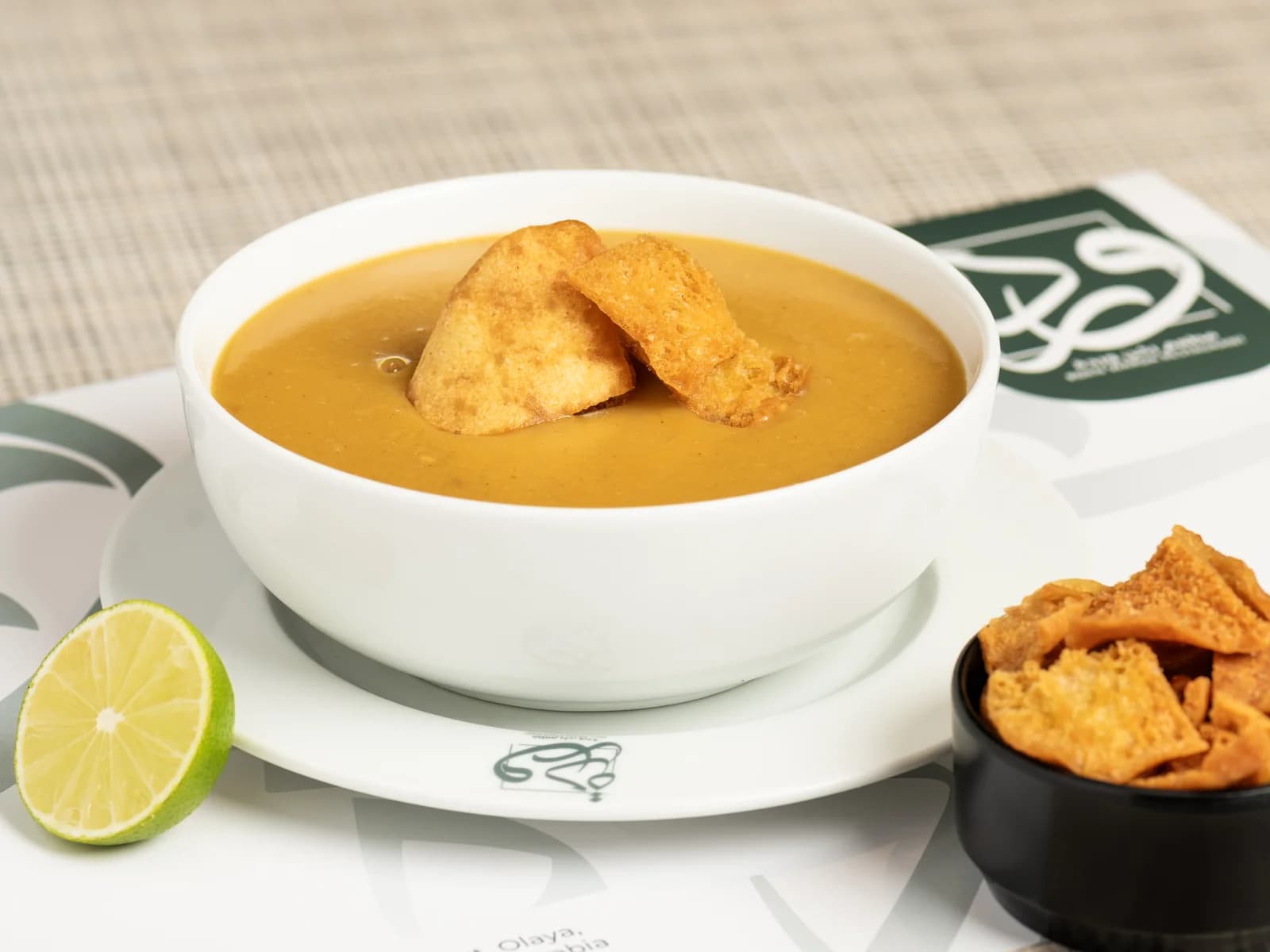
To this day lentil soup is one of the best-loved winter dishes in Egyptian homes, and ful is breakfast for millions of Egyptians.
Fish and fowl from the Nile and the marshes
The Nile was full of fish, and tombs hold many scenes of fishing with nets and lines. Tilapia is among the fish most often shown. Fish was dried or salted to keep.
Birds such as ducks and geese had a big place too: there are scenes of hunting them in the marshes, like the famous fowling scene from the tomb-chapel of Nebamun, now in the British Museum, and scenes of fattening geese.
Meat: food for occasions
Meat, especially beef, belonged more to the well-off and to occasions, offerings and feasts. Ordinary people ate it on special days more than everyday ones, a feeling that still lives on: in Egypt, fatteh and meat belong to Eid and feasts.
Sweetness: honey, dates and figs
Sugar as we know it did not exist, so sweetness came from:
| Source | How we know |
|---|---|
| Honey | Scenes of beekeeping and honey gathering on the walls of some tombs and temples, among the oldest known images of beekeeping |
| Dates | Among the most common fruits, used for sweetening |
| Figs and grapes | Shown in harvest and offering scenes |
What is still on our table?
We will not say that Egyptian food today is the food of the pharaohs; that is not true: rice and tomatoes, for example, reached Egypt many centuries later. But some clear threads still run through:
- Bread is still the base of every meal.
- Onions and garlic are in most Egyptian cooking.
- Lentils and fava beans are everyday food.
- Salted fish at Sham El-Nessim, a festival said to have roots in ancient Egypt.
From history to your table at Rokn Warda
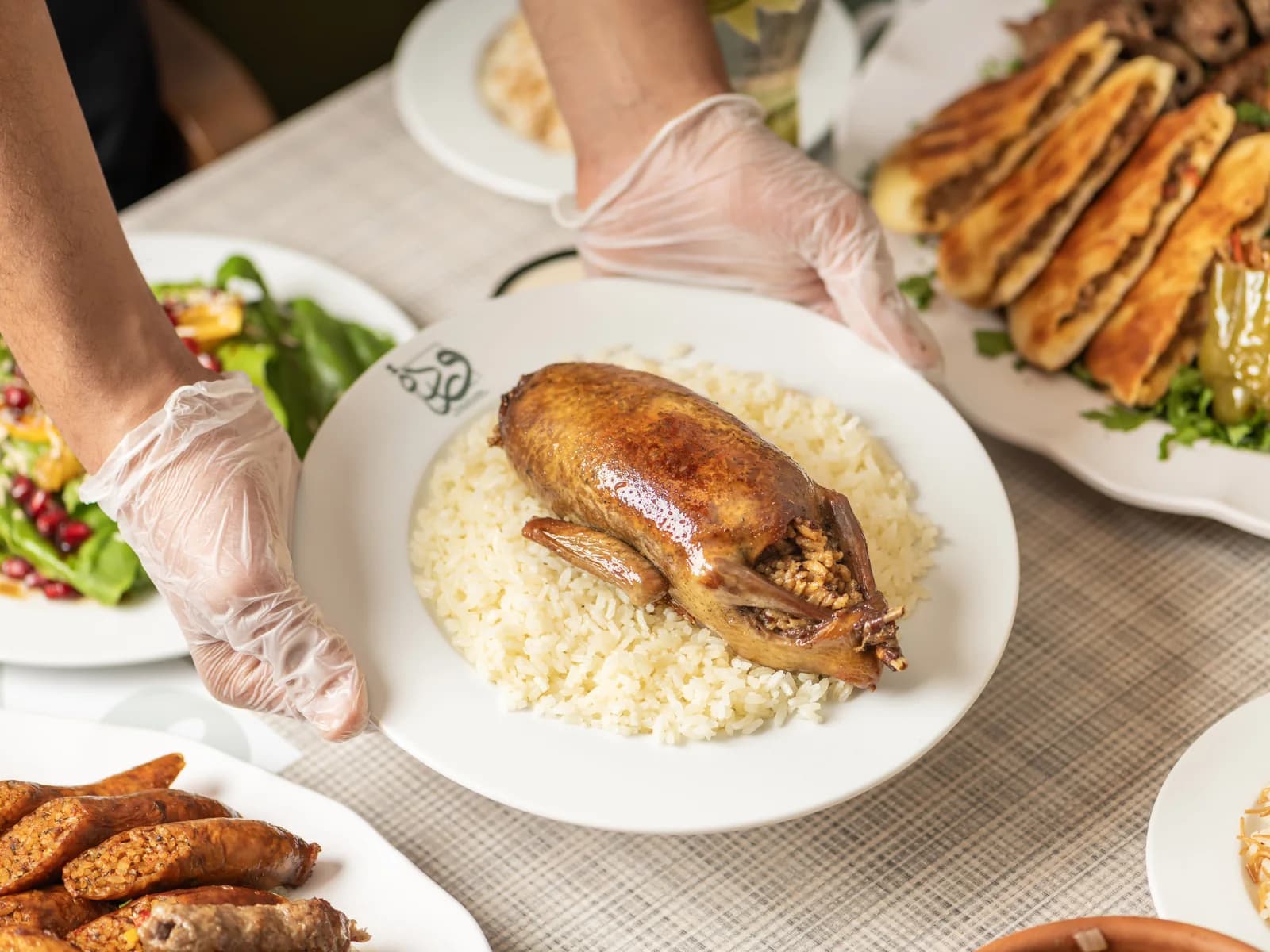
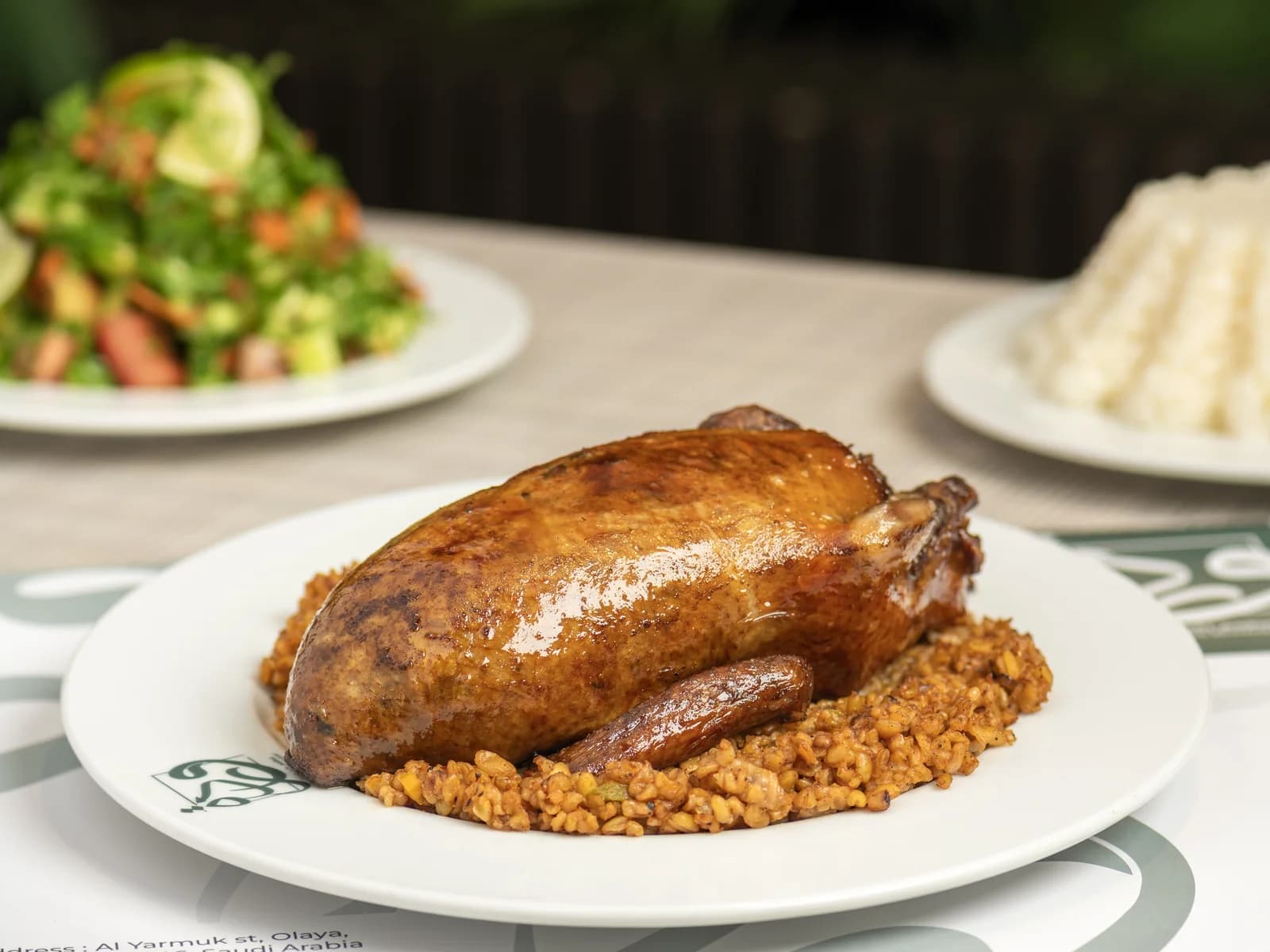
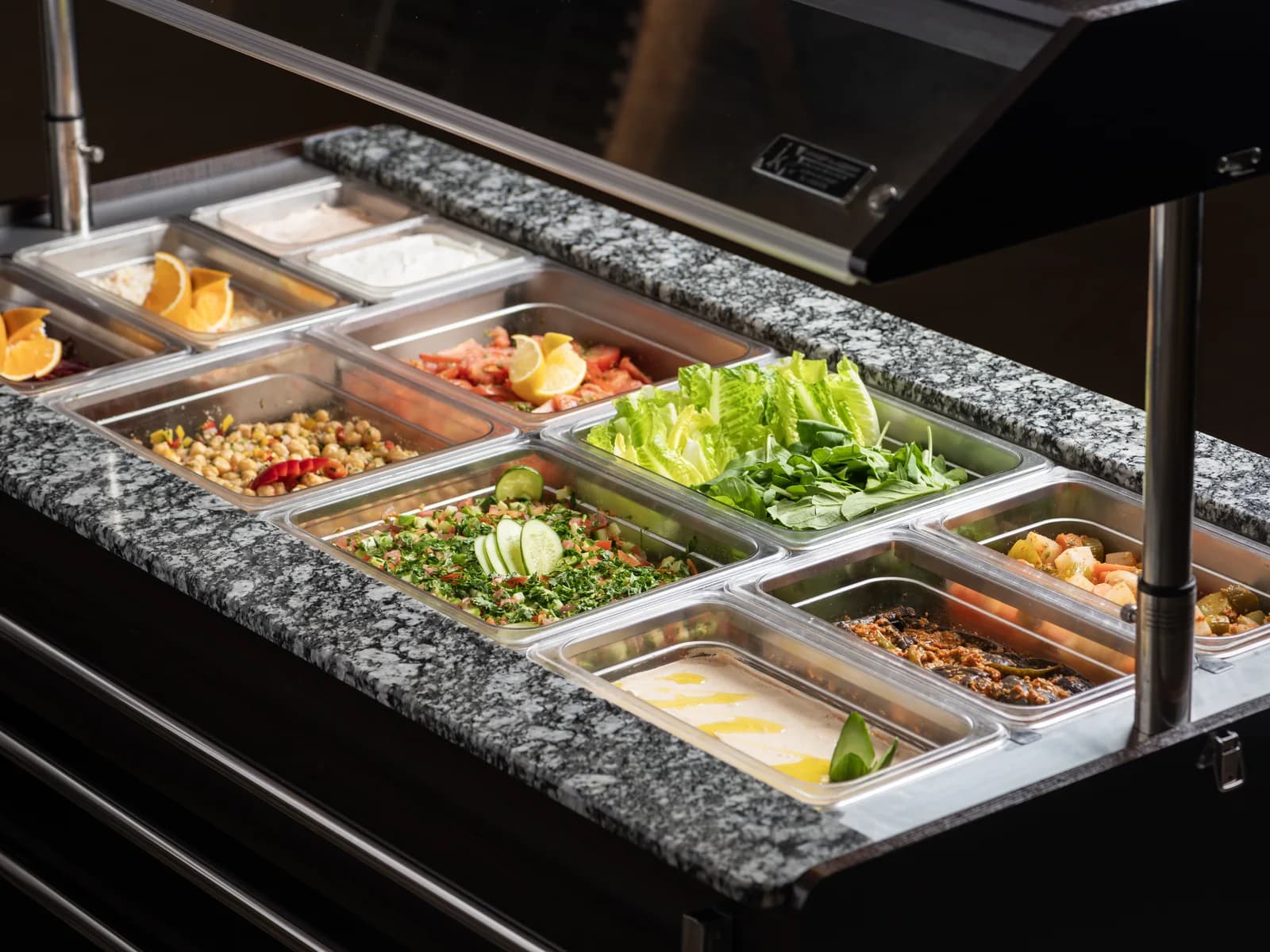
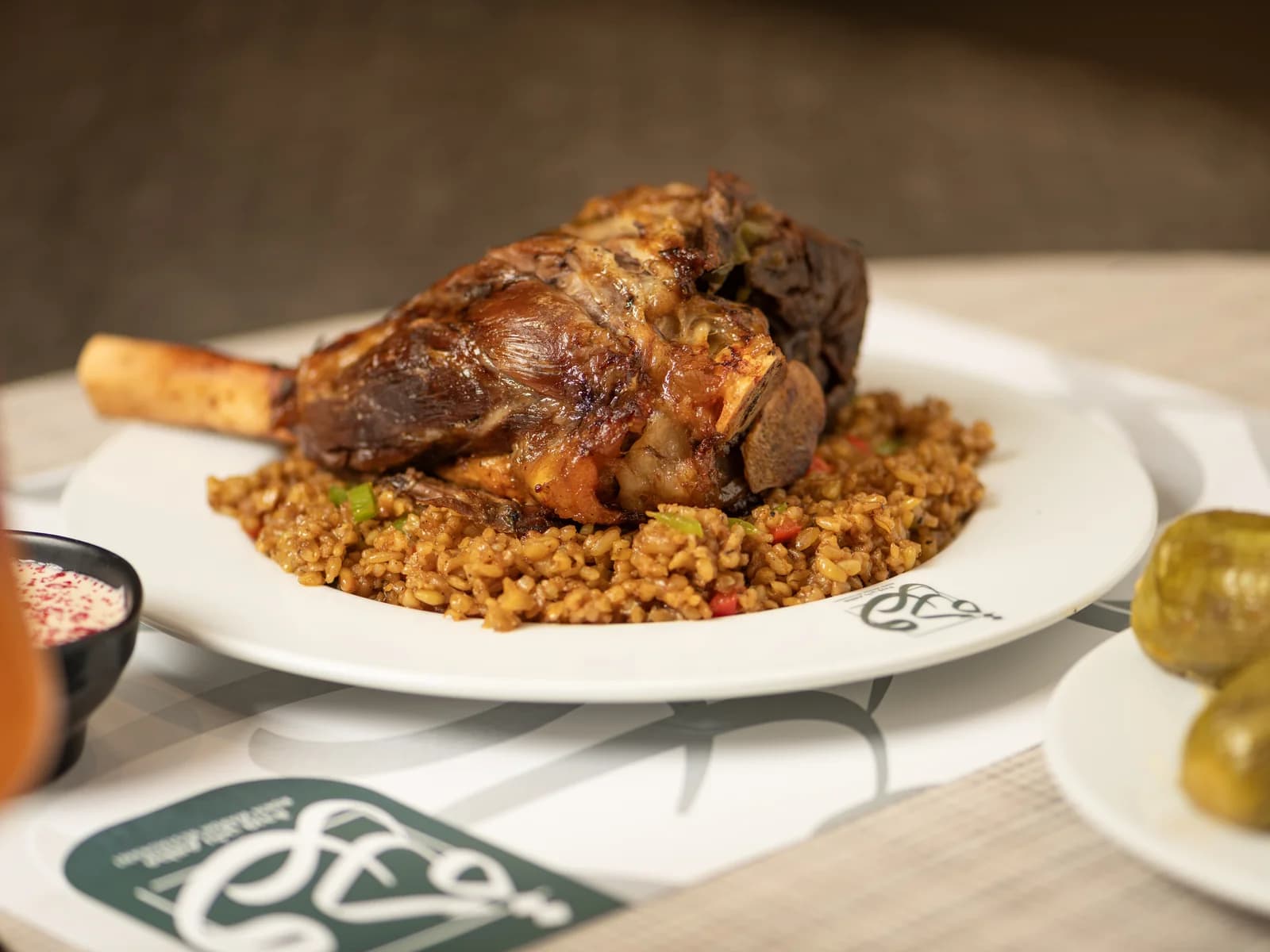
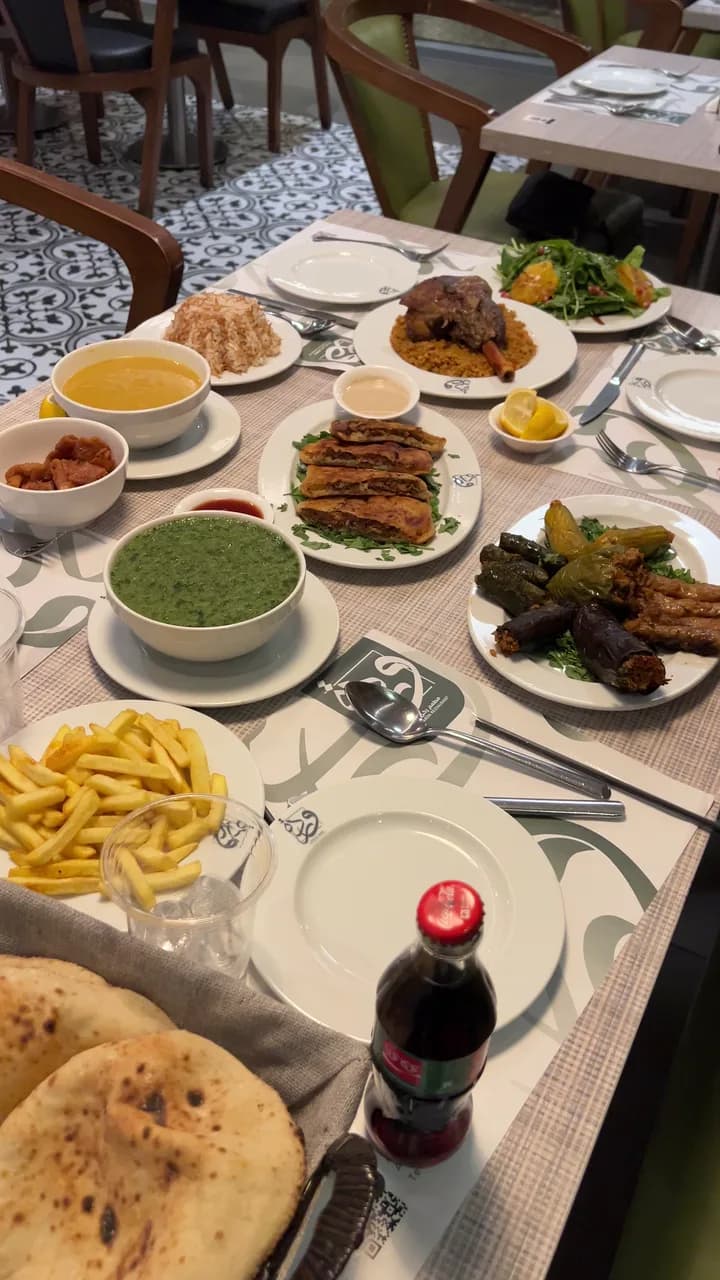
At Rokn Warda in Al Khobar you will find Egyptian dishes that still carry the spirit of that table: lentil soup (Egyptian lentils with vegetables and oriental spices), pigeon stuffed with rice and pigeon stuffed with freekeh, and a salad buffet of vegetables and Egyptian pickles. Order from the menu for delivery in Al Khobar and Dammam.
Read more in the history of Egyptian cuisine and famous Egyptian heritage dishes and their stories.