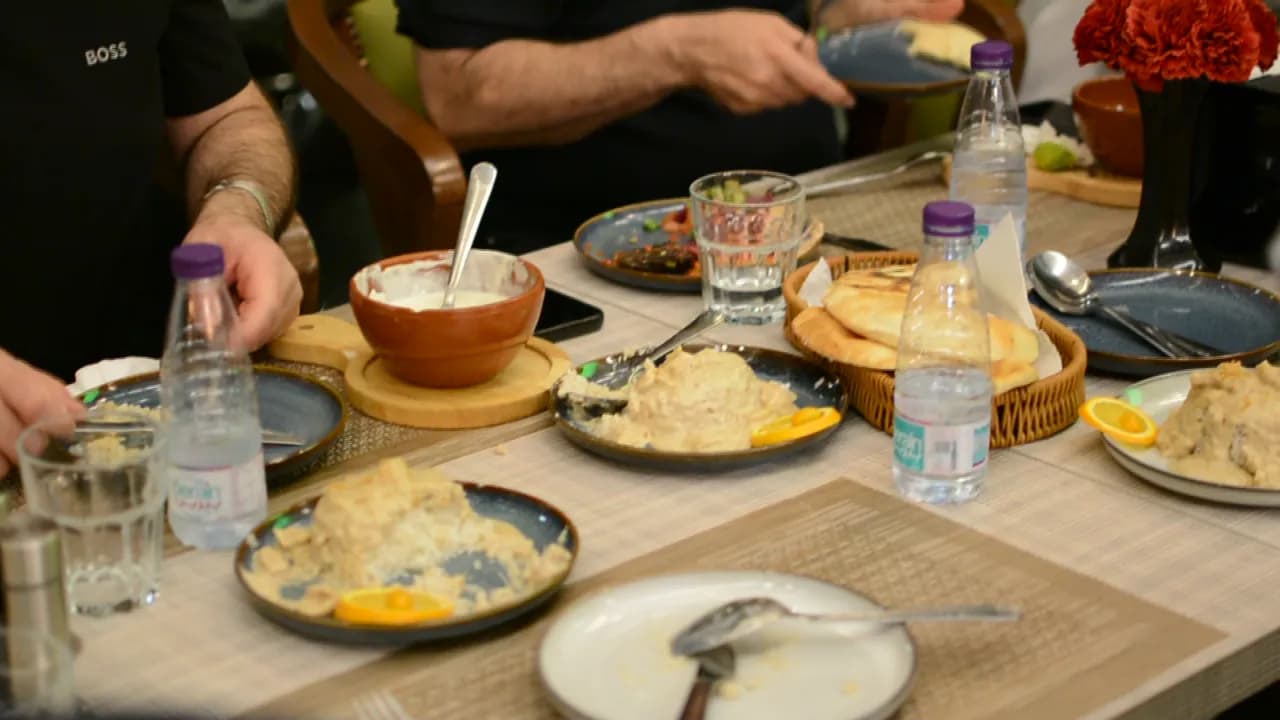
Ask for «khubz» (bread) anywhere in the Arab world and you will be understood at once. But in Egypt the word on everyone's lips is «aish». The name is not just dialect; it tells how important the loaf has been in Egyptian life for thousands of years.
Why do we say «aish»?
In classical Arabic «aish» means life and living, from the verb «to live». Egyptians came to call bread by this word. The common explanation is simple and convincing: bread is life, and no Egyptian meal is complete without it.
That is why the word runs through everyday speech:
- «Akl aish» (eating bread): work and livelihood.
- «Between us is bread and salt»: we have eaten together, so there is a bond of loyalty between us.
- «Looking for a bite of bread»: working to earn a living.
Bread in ancient Egypt
Bread was the base of the ancient Egyptian diet, for rich and poor. Here is what archaeology tells us:
- It was made mainly from emmer wheat and barley.
- Tomb scenes show every stage: grinding on a quern, kneading, shaping and baking.
- There were many kinds and shapes of bread with different names, some baked in clay moulds.
- Remains of ovens and bakeries were found in the area where workers lived beside the Giza pyramids.
- A large part of workers' wages was paid in grain, showing that grain and bread were almost like money.
Real loaves have also been found preserved in tombs, and some are displayed in museums today. For more on the ancient Egyptian table read what did ancient Egyptians eat?.
The baladi loaf today
The baladi bread we know today is a round loaf, usually made with whole wheat flour or high-extraction flour, baked in a very hot oven so it puffs up and forms a pocket inside. Under the loaf you will find bran, which stops it sticking.
In Egypt subsidised baladi bread has been part of daily life for decades, and the morning queue at the bakery is a scene every Egyptian knows.
Not just one kind
Egypt has many breads depending on the region:
| Kind | Where | What sets it apart |
|---|---|---|
| Baladi | All of Egypt | Whole wheat, round, with a pocket inside |
| Shamsi | Upper Egypt | The dough is left to rise in the sun before baking |
| Battaw | Upper Egypt | A dry loaf, usually with corn flour and sometimes fenugreek |
| Fino | Cities | Long white bread for sandwiches |
| Roqaq | Homes and occasions | Very thin sheets used in dishes such as roqaq with meat |
Bread in Egyptian food
For us bread is not just «on the side»; it is part of the food itself:
- We scoop ful, tahini and casseroles with it, and many of us eat without a spoon.
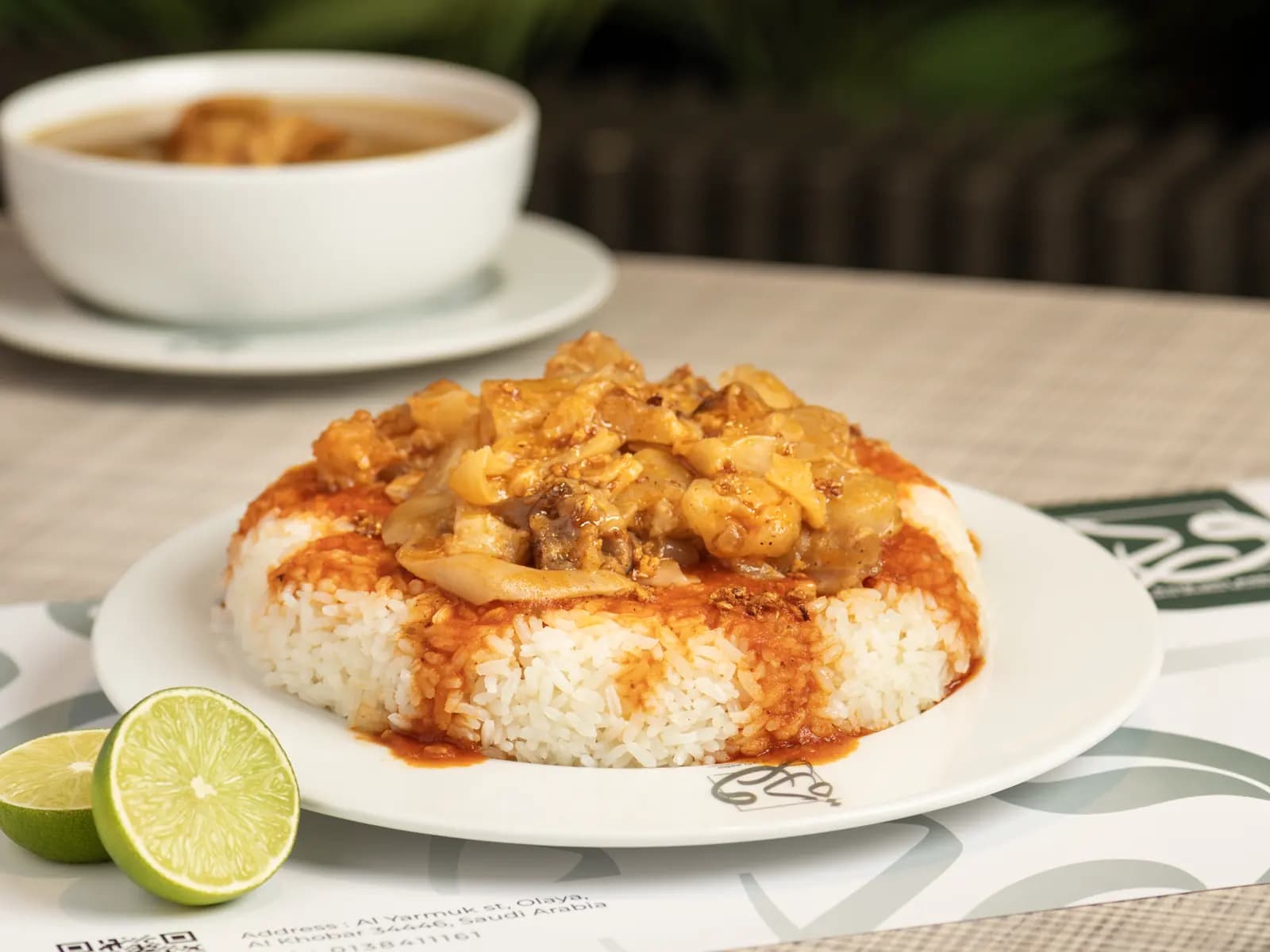
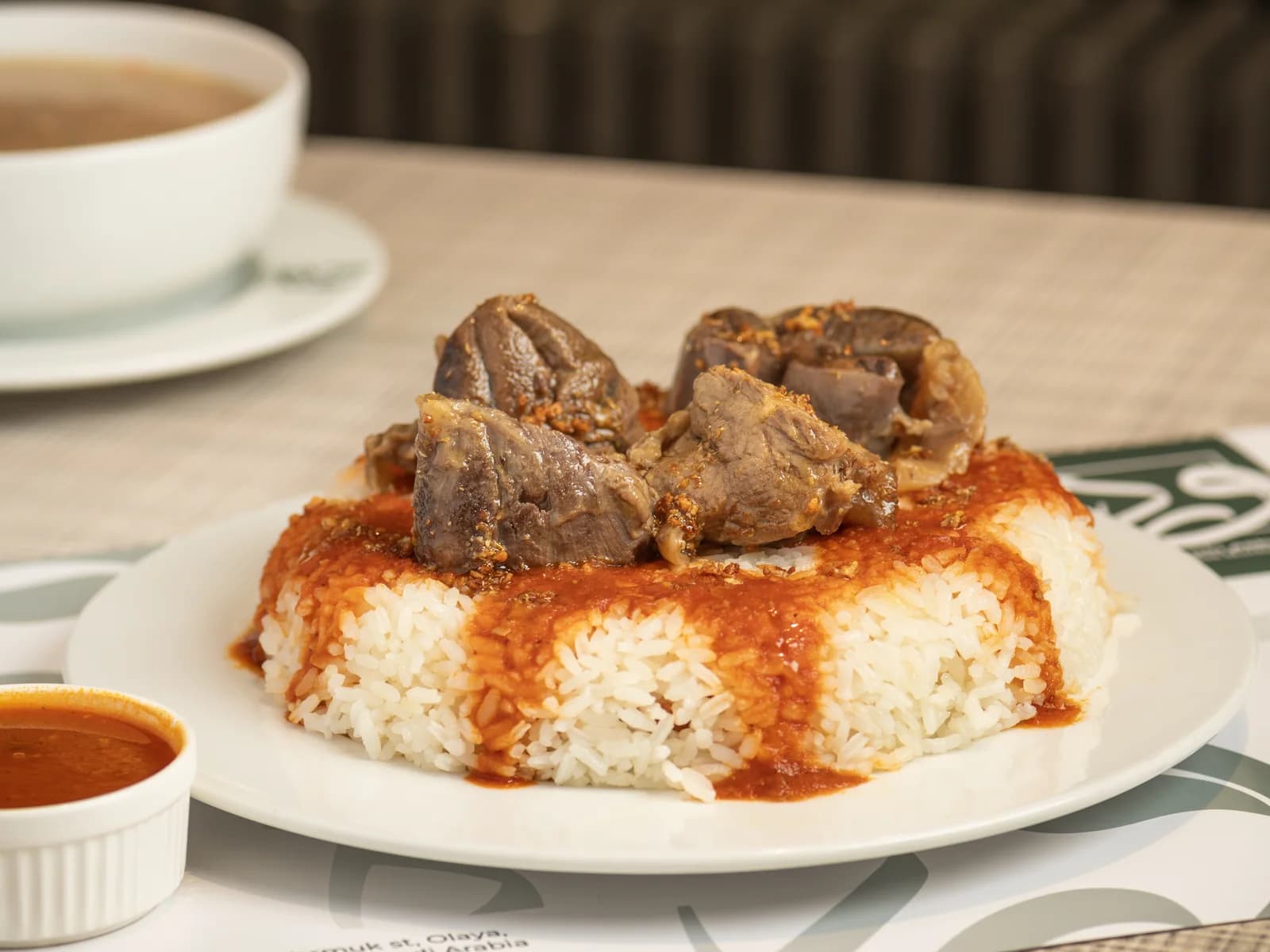
- Fatteh: toasted baladi bread soaked in broth, under rice and meat. Read Egyptian fatteh and its kinds.
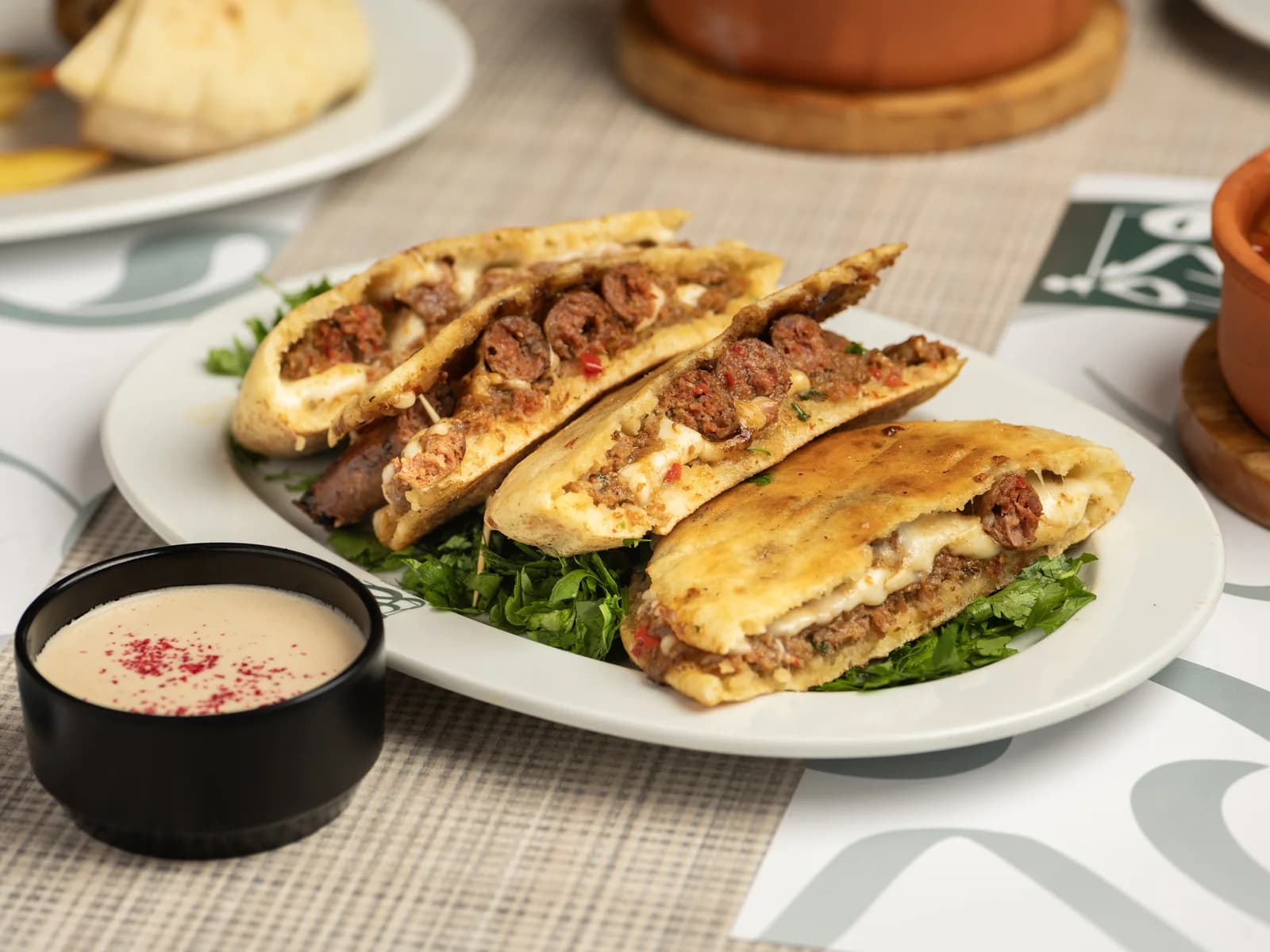
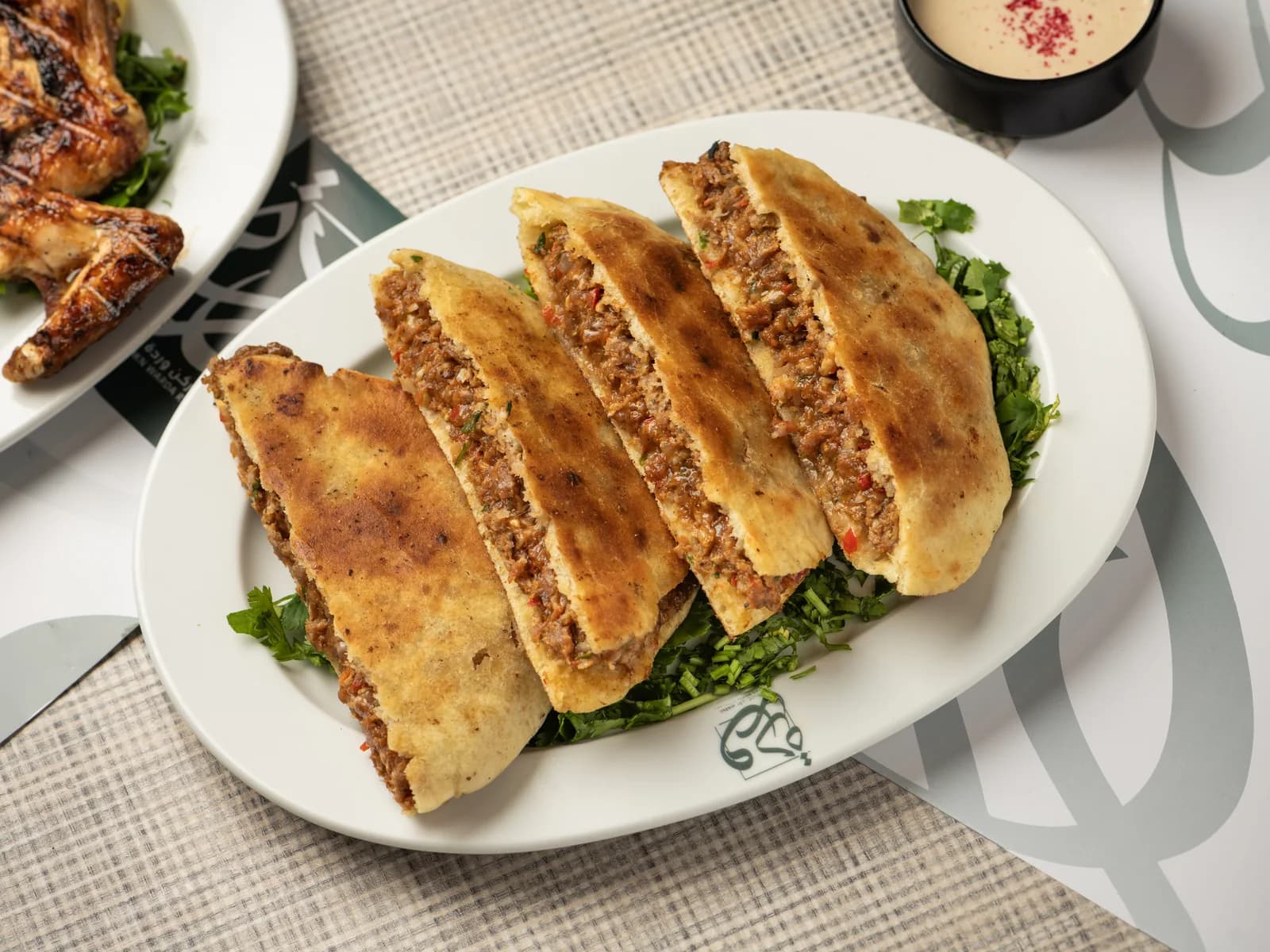
- Hawawshi: a baladi loaf stuffed with seasoned meat and baked until crisp. Read Egyptian hawawshi.
- Sandwiches: from ful and ta'meya to liver and sausage.
Bread deserves respect
Egyptians treat bread as a blessing that deserves special respect, which shows in small customs anyone raised in an Egyptian home knows:
- If a piece of bread falls on the floor, many people pick it up, kiss it and put it somewhere high or to one side rather than step on it.
- Stale bread is not easily thrown away: it is toasted for fatteh, made into croutons for soup, or given to the birds.
- And «bread and salt» is not just food but a pledge: whoever has shared bread and salt with you has a claim on your loyalty, and betraying it is shameful.
These customs show why the word itself, «aish», means life.
A home tip: how to warm baladi bread
Baladi bread is best warm. In Egyptian homes it is warmed over a low flame or in an oven for a few seconds until it is soft and slightly puffed again, without leaving it too long so it does not dry out.
Baladi bread at Rokn Warda
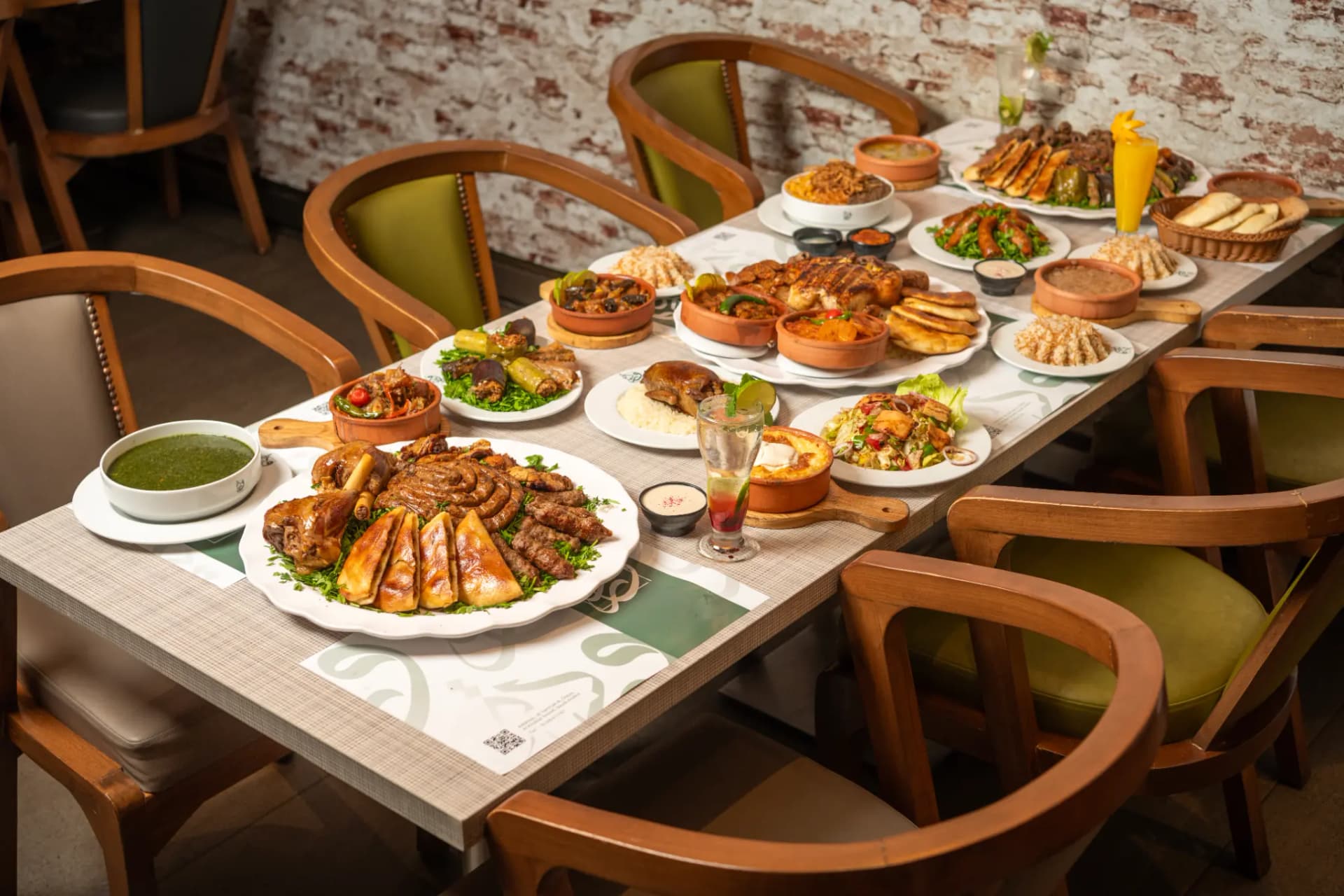
At Rokn Warda in Al Khobar you will find baladi bread in many dishes: meat hawawshi (baladi bread stuffed with seasoned meat, onion and pepper, grilled until crisp) and sausage hawawshi, and beef fatteh and trotters fatteh with toasted bread and vinegar-garlic sauce. Order from the menu for delivery in Al Khobar and Dammam.
Read more in famous Egyptian heritage dishes and their stories.