When an Egyptian says «siyami food» or «siyami mahshi», they mean food with no meat, poultry or dairy. The word comes from the fasting tradition of Egypt's Coptic Christians, thanks to which the Egyptian kitchen holds a great wealth of plant-based dishes that became part of the table of all Egyptians, fasting or not.
What does «siyami» mean?
The Coptic Orthodox Church keeps many fasts through the year, among the best known Great Lent before Easter and the Nativity Fast before Christmas. In most of these fasts, those fasting avoid all animal products: meat, poultry, eggs, milk and dairy, and in some fasts fish is allowed. The details differ from fast to fast; this is only the general picture.
So Egyptians divide food in two: «siyami» (no animal products) and «fitari» (with meat or dairy). Both words are understood by all Egyptians.
This is different from Ramadan fasting, in which food is eaten after sunset with no limit on its kind. We wrote about Ramadan food in Ramadan and Eid in Egypt.
Ful and taameya: the base of the siyami table
Ful medames with oil, cumin and lemon, and taameya made from split fava beans and herbs, are siyami by nature. A common view holds that taameya itself has long been tied to Coptic fasting food, but it is a view, not confirmed history. Either way, both became breakfast for every Egyptian home.
Lentils: winter warmth
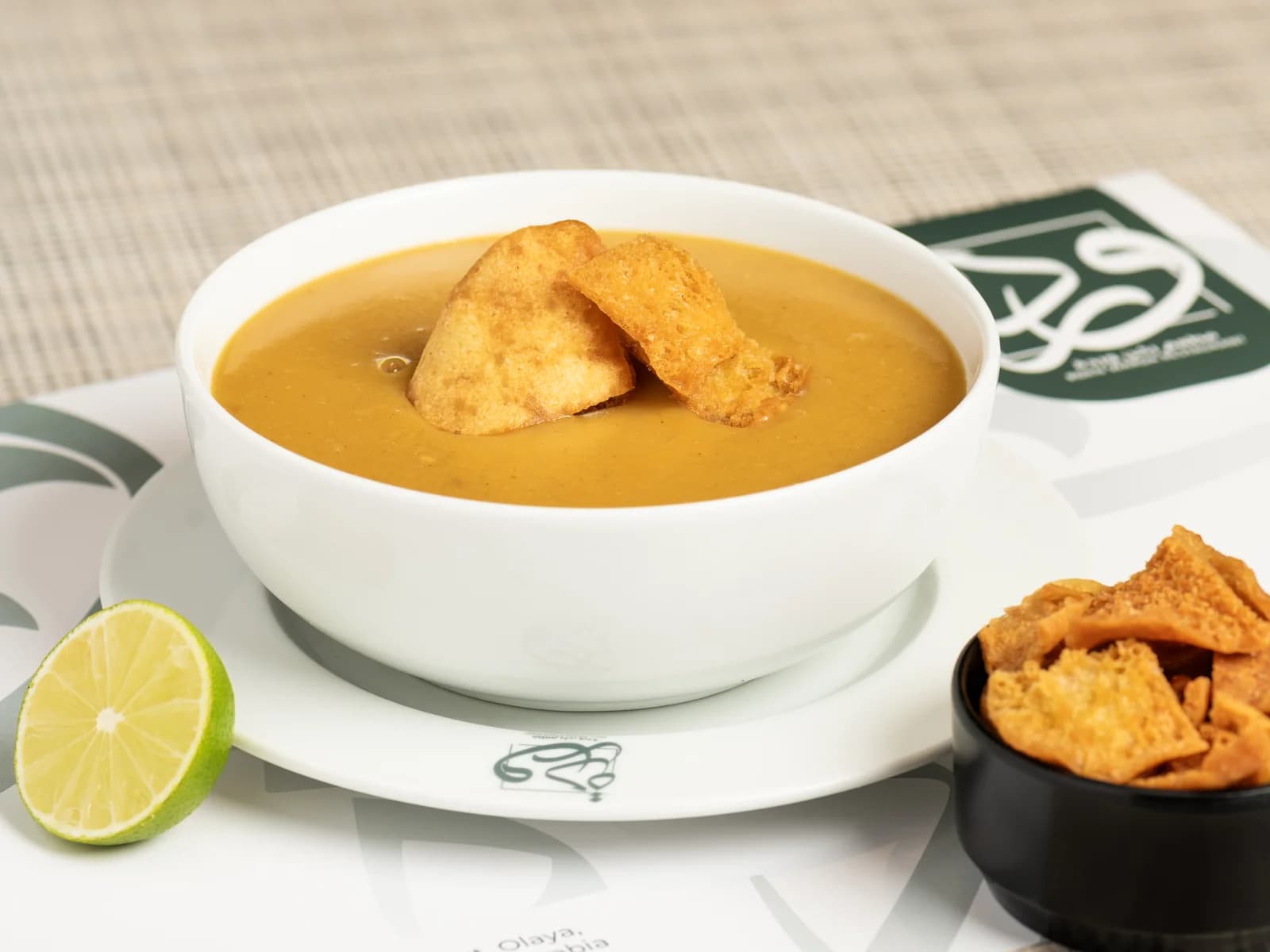
Lentil soup is one of Egypt's best-known siyami and winter dishes: red lentils simmered with onion, carrot and sometimes tomato, blended smooth, seasoned with cumin, finished with a squeeze of lemon, with toasted bread on the side. On siyami days it is made with water and oil instead of broth and ghee.
Koshari: siyami without you noticing
Koshari (rice, lentils, pasta, sauce, daqqa and fried onions) is fully siyami when made with oil, which is why demand for it rises in fasting seasons. Its story and mixed origins are in our article on Egyptian street food.
Tabikh: vegetables without meat
Tabikh in the Egyptian home means vegetables in tomato sauce eaten with rice: peas, green beans, potatoes, courgettes, okra. On ordinary days it is cooked with broth and meat; on siyami days with oil and water, onion and garlic, and it stays homely and filling.
| Dish | Fitari (ordinary) | Siyami |
|---|---|---|
| Tabikh | With broth and pieces of meat | With oil and water |
| Mahshi | With ghee or broth, sometimes meat in the filling | With oil, a filling of rice and herbs only |
| Molokhia | In chicken or meat broth | In vegetable broth |
| Rice | With ghee | With oil |
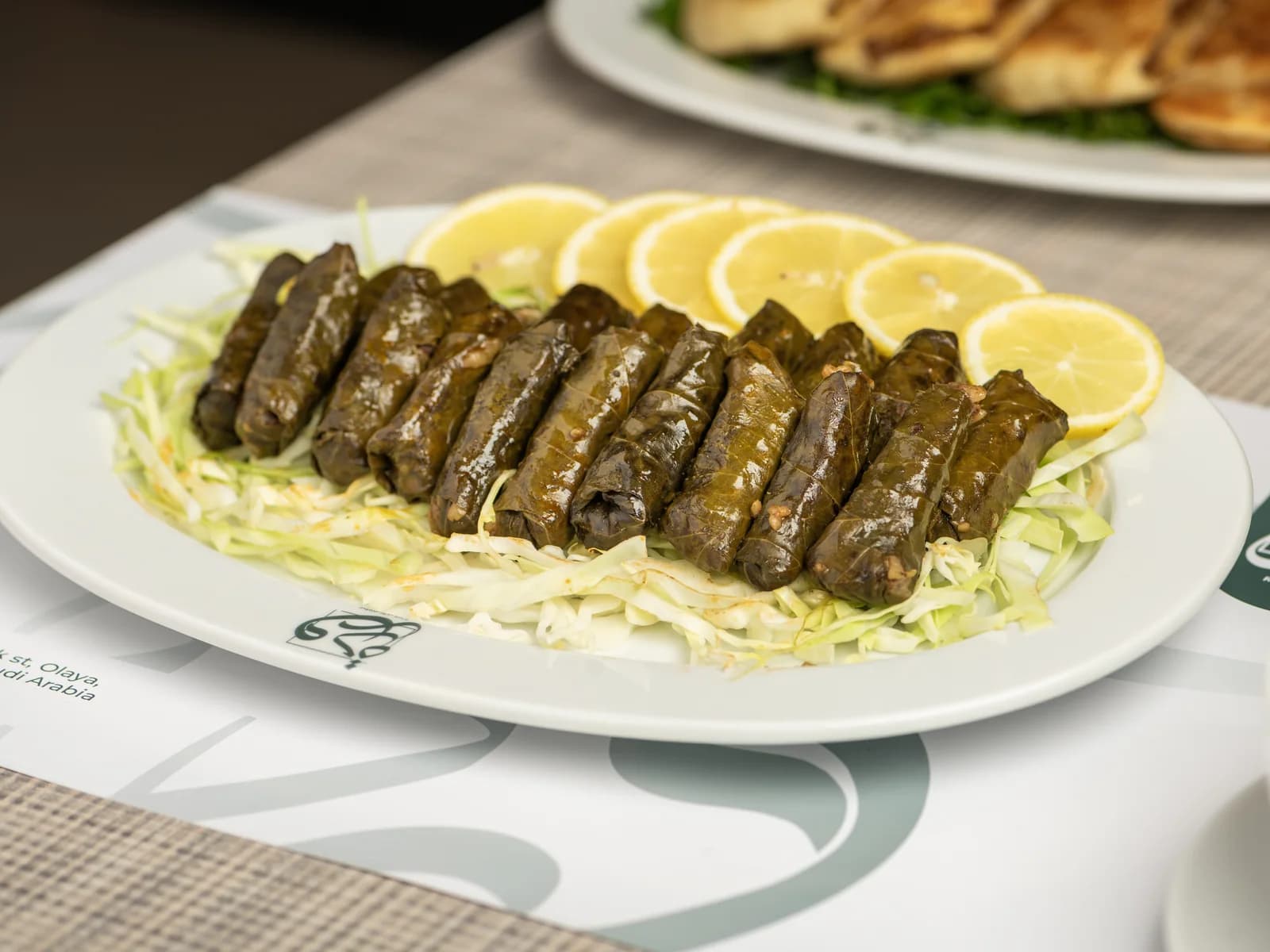
Siyami mahshi
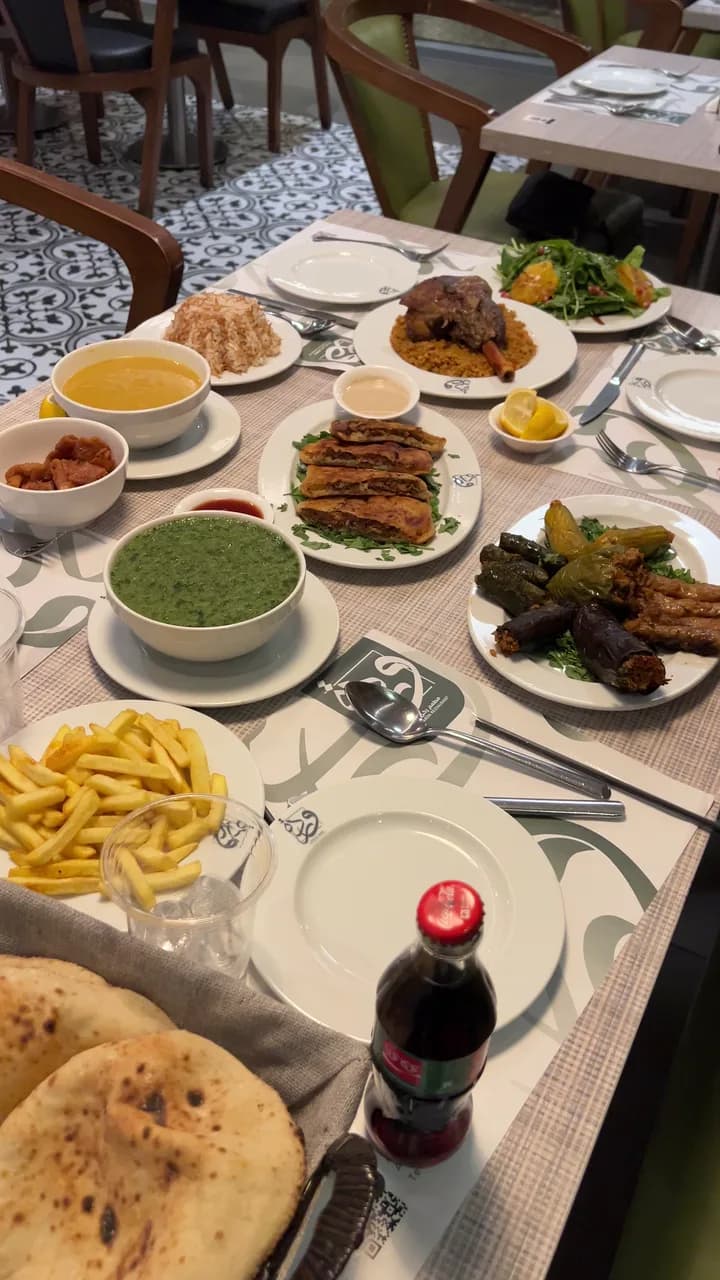
Mahshi is easily made siyami: a filling of rice with tomato, parsley, dill, coriander and onion, cooked in oil and water instead of broth. Vine leaves in particular are much loved this way. To learn the secrets of mahshi in general, read mahshi the Egyptian way.
Other siyami dishes
- Bessara: split fava beans cooked with dried molokhia or herbs, topped with fried onions, eaten with bread.
- Chickpeas, tahini, salads and pickles.
- Sprouted fava beans and their soup in winter.
- Fish in the fasts that allow it.
Flavour without meat
Egyptian home cooks have well-known ways to make siyami food taste good without meat or ghee:
- A taqliya of onion and garlic fried in oil until golden, which gives tabikh and soups their aroma.
- Cumin, dried coriander and black pepper, in sensible amounts.
- Lemon or vinegar at the end, to lift the taste.
- Tomato cooked down well before the vegetables go in.
- And fresh herbs such as parsley, dill and coriander in fillings and salads.
Food for everyone
What stands out is that these dishes belong to no single group: ful, taameya, koshari, lentils and oil-cooked tabikh are everyday food for all Egyptians. The fasting tradition helped these dishes grow and multiply, and the whole Egyptian kitchen benefited.
Dishes to start with at Rokn Warda
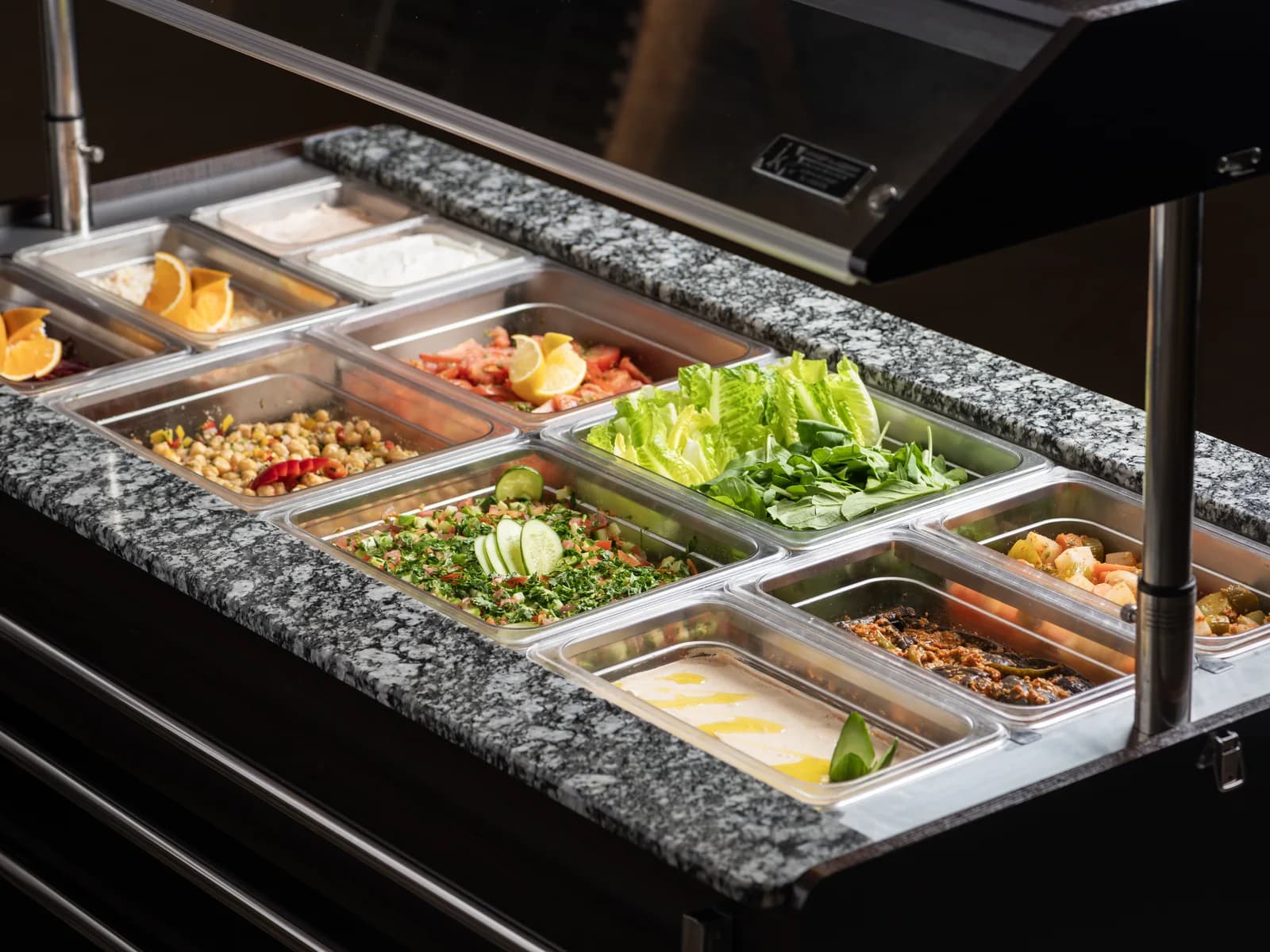
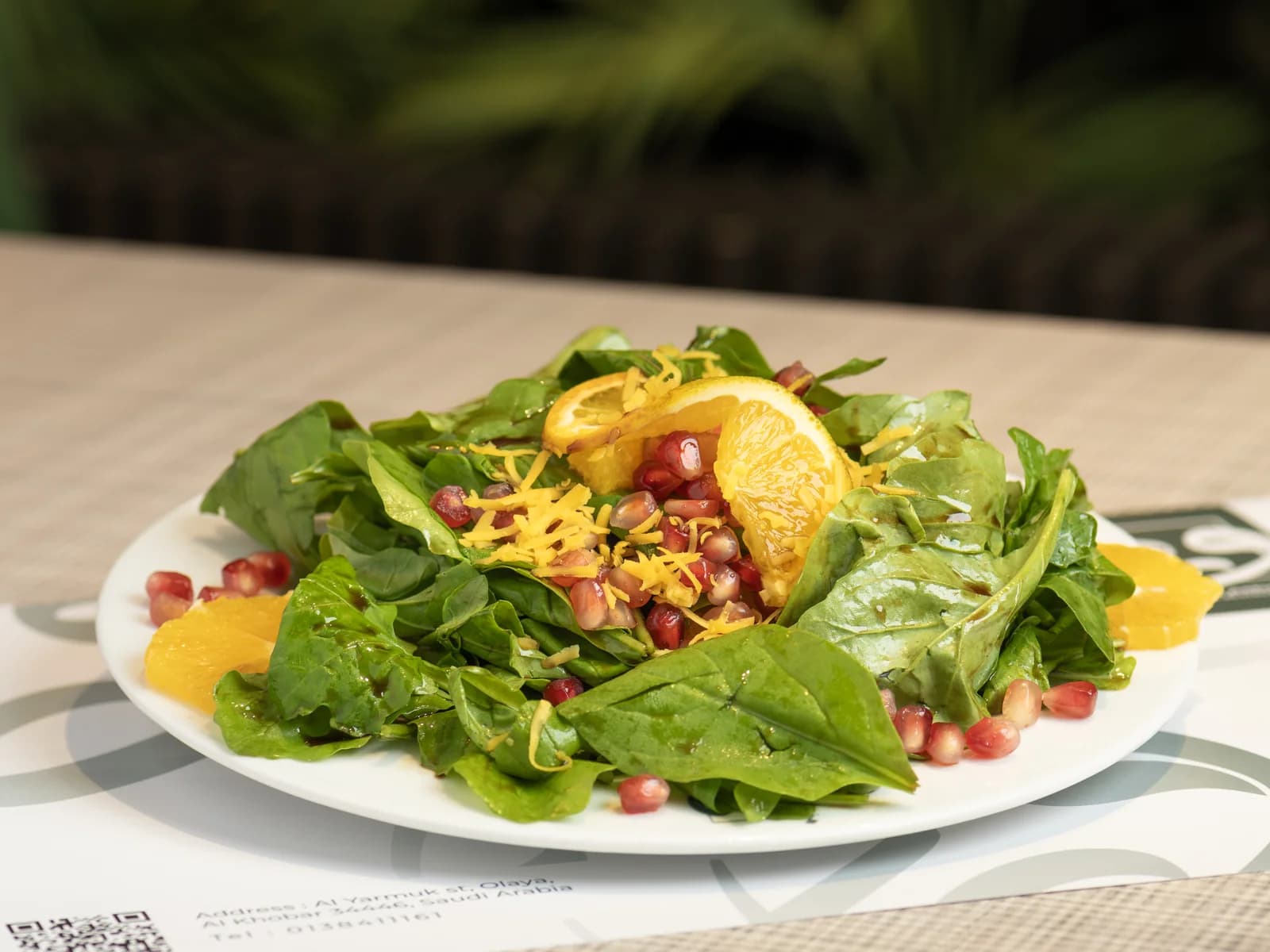
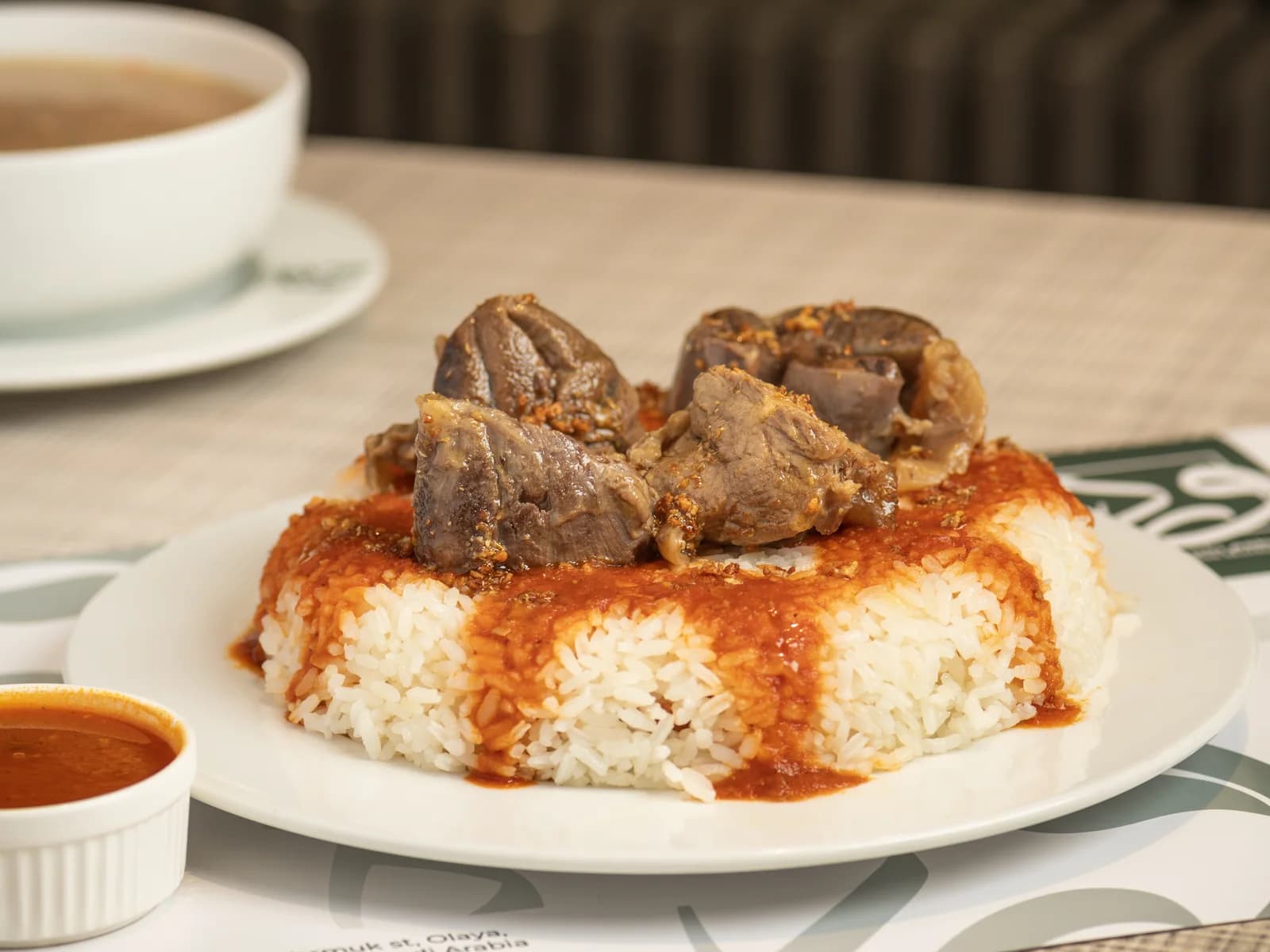
At Rokn Warda in Al Khobar you will find dishes in the spirit of this table: lentil soup (Egyptian lentils with vegetables and eastern spices), stuffed vine leaves (vine leaves stuffed with seasoned Egyptian rice and herbs), the salad buffet and arugula and pomegranate salad. If you keep a fully plant-based fast, ask about the ingredients and preparation when you order to make sure a dish suits you. Ful, taameya and koshari are not on our menu. Order from the menu for delivery in Al Khobar and Dammam. For the story of slow cooking, read Egyptian casseroles.