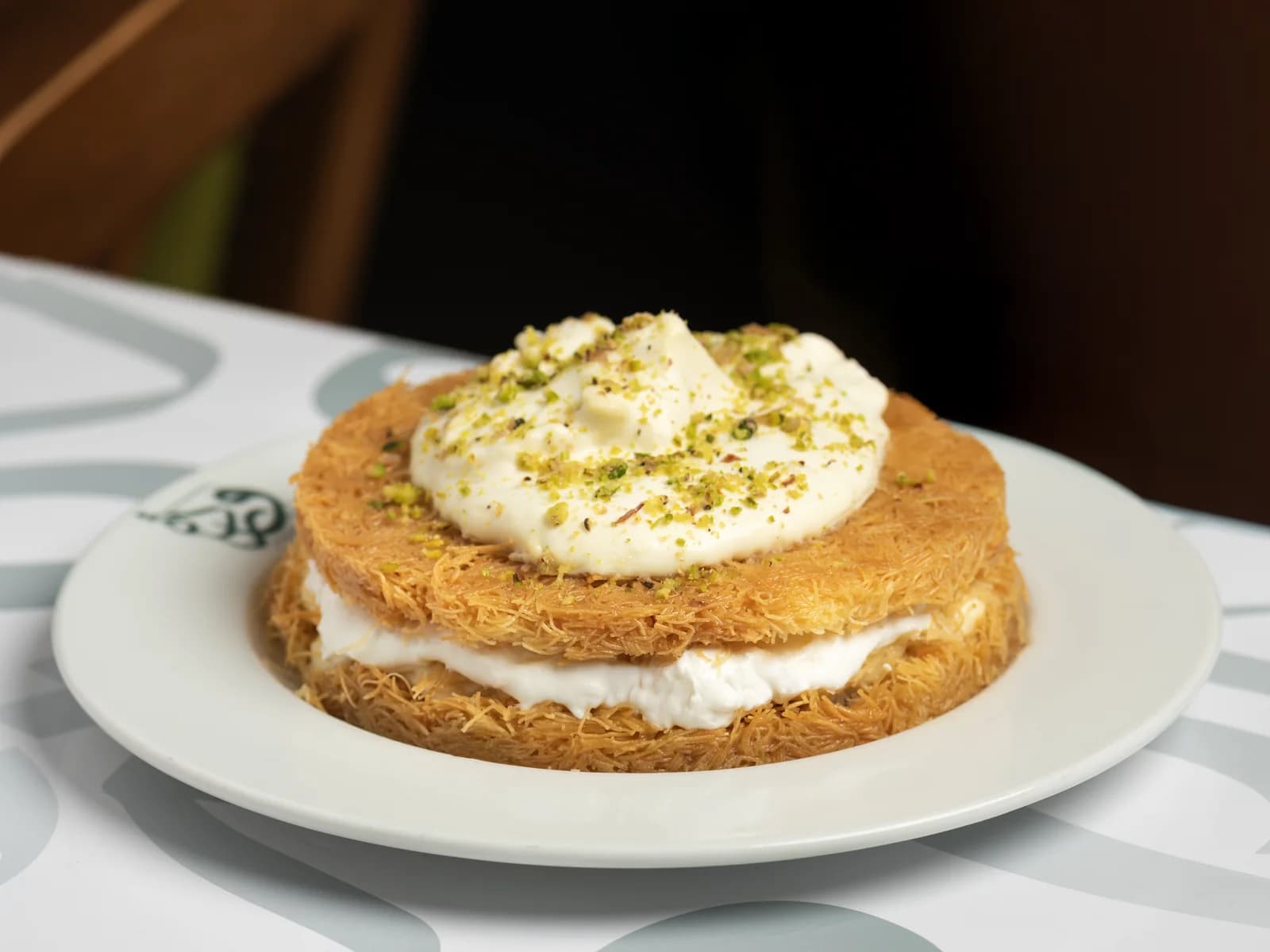
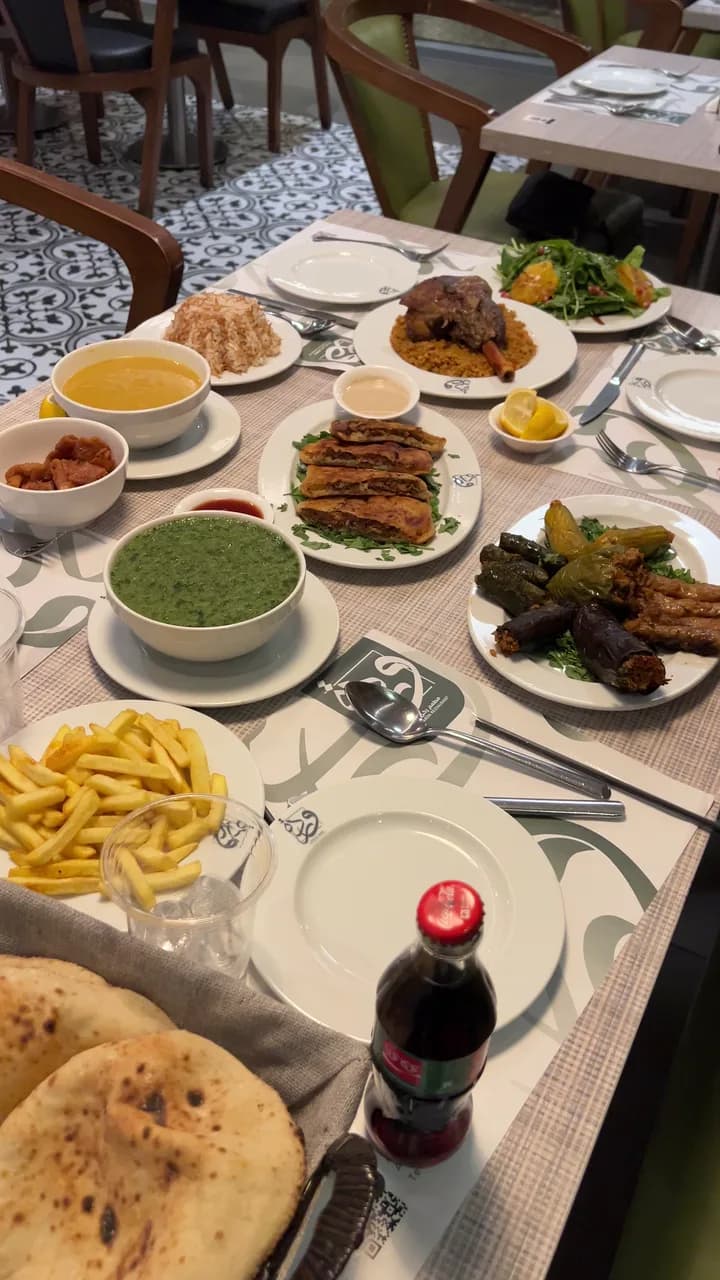
In Egyptian homes, suhoor has a flavour of its own: the mesaharati calling in the street in the old days, the smell of ful on the stove, and a half-asleep family around the low table a little before dawn. If you are an Egyptian living in Saudi Arabia, or you simply love Egyptian food, you are probably looking for Egyptian suhoor ideas for Ramadan that keep you full until maghrib without weighing you down.
This article is about what Egyptian homes eat at suhoor, and how to arrange it so it helps you through the fasting day. A quick word before we start: Rokn Warda does not serve meals at suhoor time, and we explain this at the end.
Egyptian suhoor: home food first
In Egypt suhoor is usually a simple home meal, not a feast. The idea is for it to be:
- Filling: it stays with you for long hours.
- Easy on the stomach: so you can pray fajr or sleep comfortably.
- Not too salty: because, for many people, a lot of salt makes thirst harder during the day.
That is where the dishes that keep returning to the suhoor table in most homes come from.
The basics of an Egyptian suhoor in Ramadan
Ful medames: the king of suhoor
There is hardly an Egyptian suhoor without a plate of ful. At home it is made in many ways:
- With oil, lemon and cumin: the classic way.
- With tahini: smoother and richer.
- Alexandrian style: with tomatoes, peppers and sautéed onion.
- With butter or ghee: heavier, loved by some in winter.
Many people feel ful keeps them full for a long time, which is why it became tied to suhoor. For its story with the street carts, read street food in Egypt.
Baladi bread
Ful without baladi bread is incomplete. The Egyptian loaf is spoon and plate at once, and it has a long story you can read in baladi bread: the story of the Egyptian loaf.
Eggs
Eggs are among the easiest suhoor dishes: boiled, fried, or an omelette with tomato and onion. Many homes make them with basterma, but it is salty, so keep it to a small amount.
Cheese
White cheese with tomato, cucumber and olive oil is a staple. Aged cheese and mish are loved by many, but they are very salty, so it is better to keep them for another time than suhoor, or take just a small piece.
Yogurt and cucumber
Yogurt, plain or with cucumber and mint, is something many people feel settles the stomach, and it rounds off suhoor lightly.
What about taameya?
Taameya is an Egyptian favourite, but because it is fried many people prefer to keep it for iftar, or have just a couple of pieces at suhoor.
Light or filling suhoor? Choose for your day
| Dish | How it feels at suhoor | Tip |
|---|---|---|
| Ful with oil and lemon | Filling | Go easy on salt and pickles beside it |
| Boiled eggs | Filling and light | Easy and quick |
| White cheese and vegetables | Medium | Vegetables add water to the meal |
| Yogurt and cucumber | Light | Nice at the end of suhoor |
| Taameya and fried potatoes | Heavy | Now and then, not every day |
| Aged cheese and mish | Very salty | Better avoided at suhoor |
General tips for a comfortable suhoor
These are widely shared general tips, not medical advice; if you have a health condition, ask your doctor:
- Drink water in stages between iftar and suhoor, not all at once.
- Have suhoor closer to fajr, as many people do, instead of eating early and going to sleep.
- Cut down on salt, pickles and very spicy food.
- Add vegetables and fruit: cucumber, tomato, lettuce or a piece of fruit.
- Do not overeat: suhoor is not a second iftar.
And iftar leftovers?
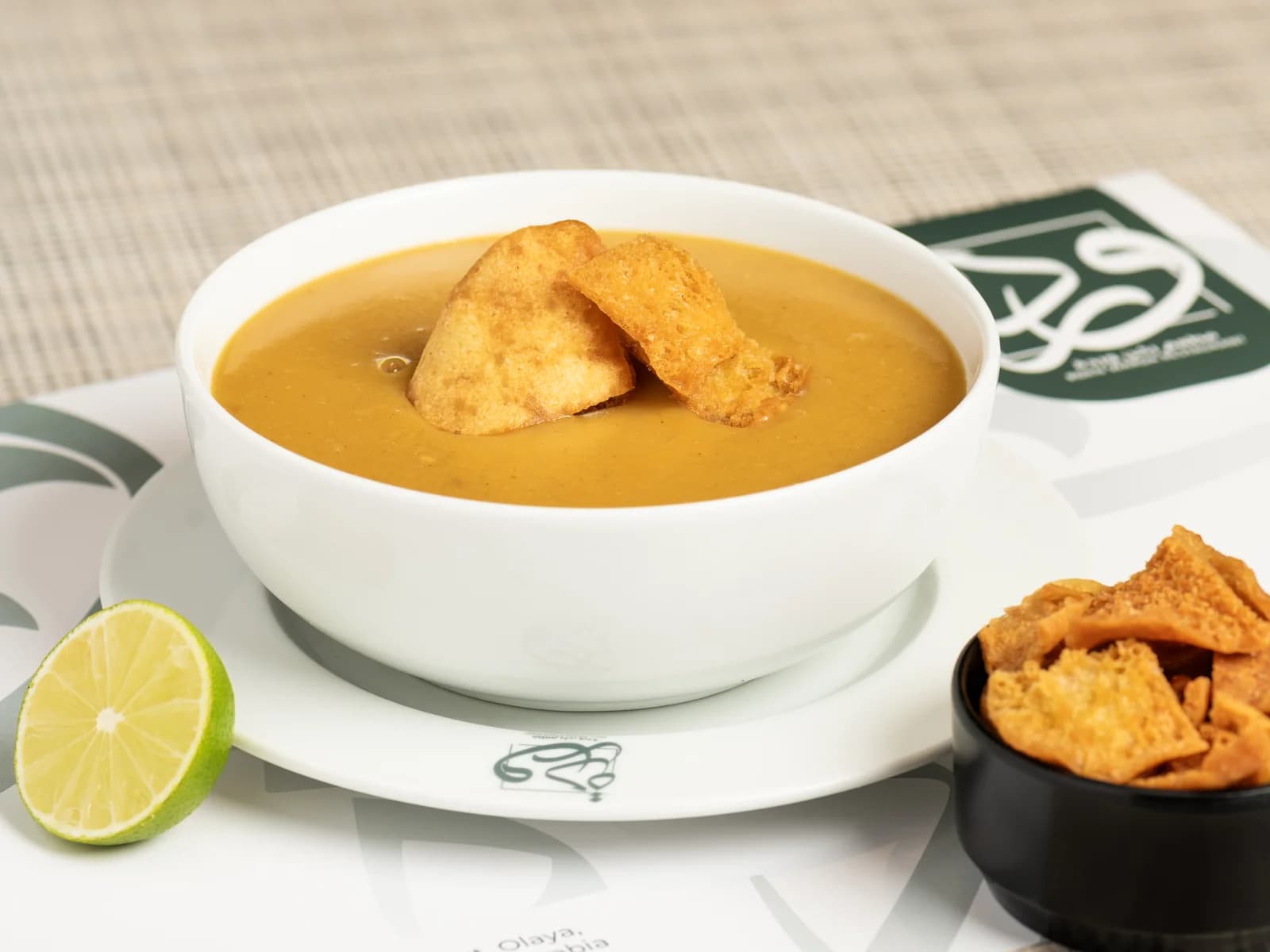
In many homes suhoor comes from iftar leftovers: a piece of casserole, a little rice, or hot lentil soup. It saves time, but mind two things:
- Put the food in the fridge straight after iftar; do not leave it out until suhoor.
- Reheat it well before eating.
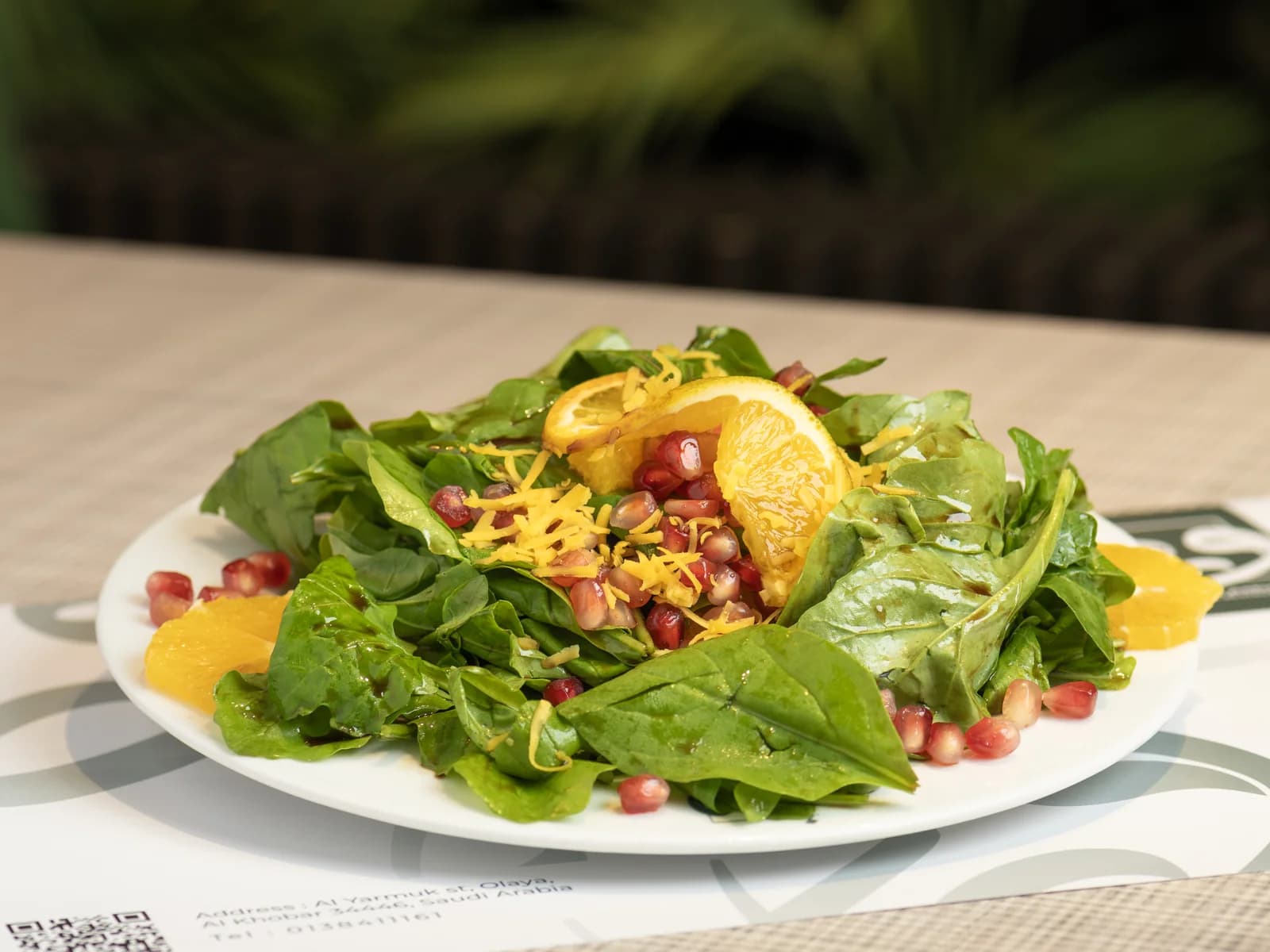
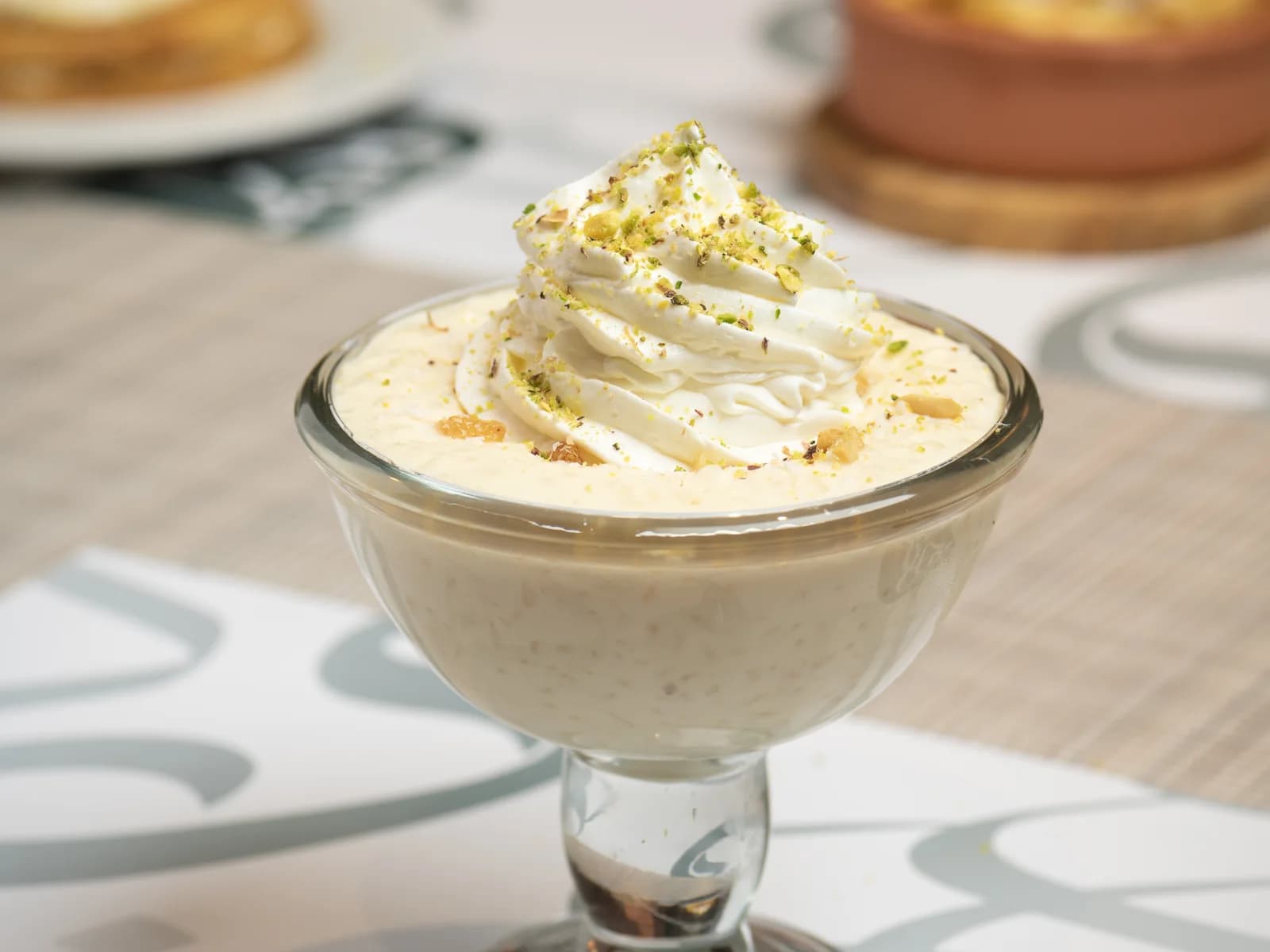
If you like something sweet, cold rice pudding is a light dish many people enjoy late at night. And a salad such as arugula and pomegranate salad adds a fresh touch.
And Rokn Warda at suhoor?
To be completely clear: Rokn Warda does not serve meals at suhoor time. Our normal hours are from 12 noon to 1 am, and Ramadan timings will be announced on the site and WhatsApp before the month.
Just as a general idea: some families like to order a dish or two earlier in the evening, during opening hours, keep it in the fridge and reheat it at suhoor, such as lentil soup or rice pudding. This is not a suhoor service and not a promise of anything; it is simply an option that may suit some people.
If you want to think of suhoor as a late-night gathering of family and friends, read family suhoor in Ramadan. For ideas that change through the month, see 30 iftar and suhoor ideas from the Egyptian kitchen. And for iftar itself, read the best Egyptian dishes for Ramadan iftar.
Everything new for Ramadan at Rokn Warda will be on Ramadan with Rokn Warda, and all our dishes are on the menu.