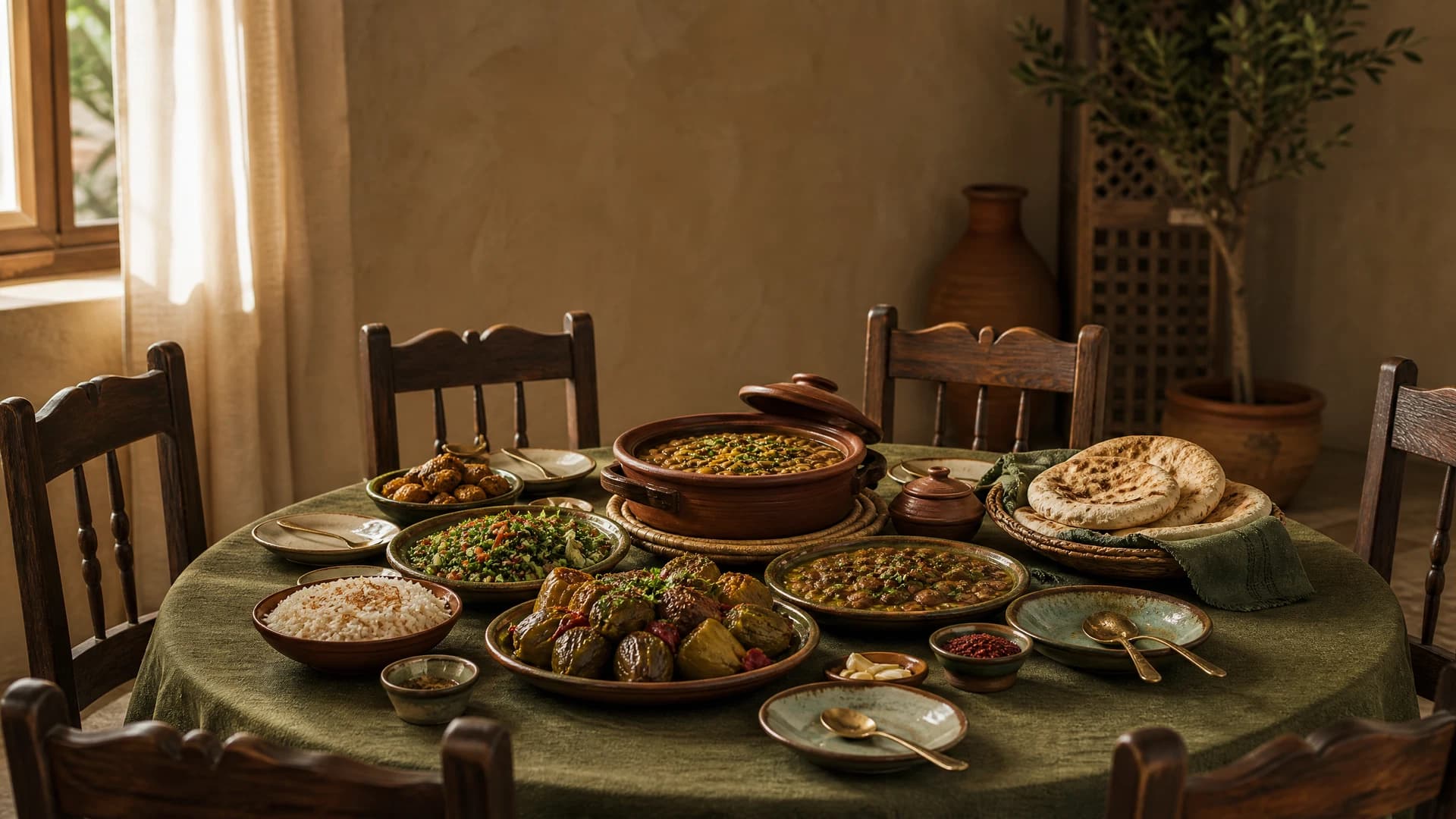
If you have ever sat at an Egyptian table with a grandmother or an older aunt, you have surely heard a proverb or two before the food ran out. Egyptian food proverbs are everywhere, and each one sums up a whole situation in a short, rhythmic line: about generosity, contentment, guests, and even the person whose eyes are on someone else's plate. This is a light, chatty piece for the table: we go through the best-known proverbs about food, what each one means, and when people say it.
Why is food all over Egyptian proverbs?
In Egypt the table is not only a place to eat; it is where people talk, make up, celebrate and even reproach each other. So it is natural for folk proverbs to borrow from food: bread, salt, lentils, freekeh, pigeons, peaches. Things everyone knows, so the proverb lands the first time.
The lovely thing is that these proverbs pass from generation to generation without books: the grandmother says them, the mother repeats them, and the grandchildren laugh at them, then find themselves saying them to their own children. You may hear the same proverb worded a little differently from one governorate to another, with the same meaning.
And keep in mind: proverbs are not rules, and not every proverb has a known origin or a confirmed story. They are what people have said over generations, and they are said in jest more often than in earnest. If you want to know more about the spirit of the table itself, read the Egyptian table: family, generosity and hospitality.
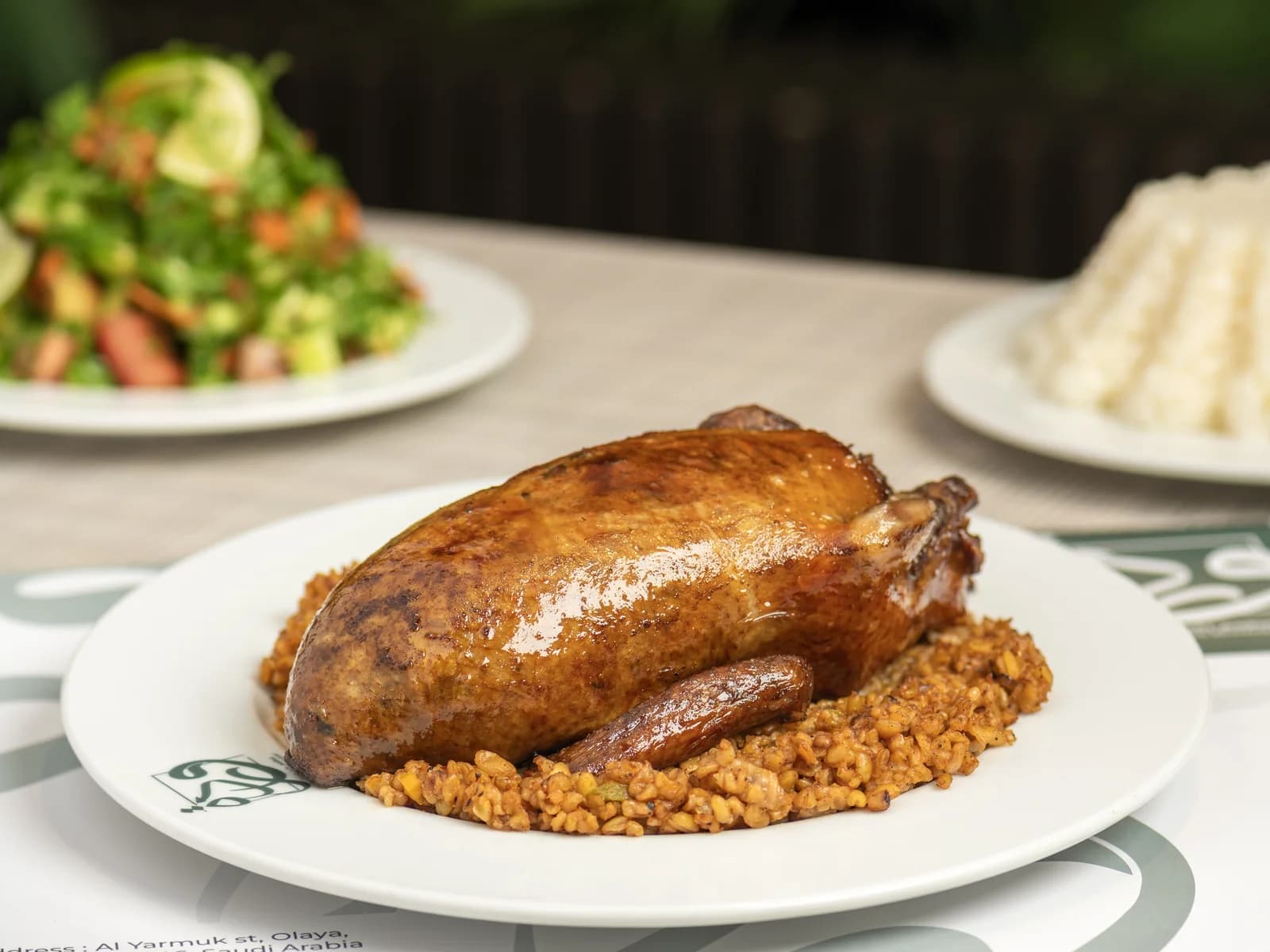
Egyptian food proverbs about generosity and hospitality
«Loqma hanneya tekaffi meyya»: a happy bite feeds a hundred
This may be the best-known food proverb in Egypt. It means that simple food offered with goodwill and affection is enough for many people, because the blessing lies in the gathering and the intention, not in the number of dishes. It is said when a guest apologises for dropping in unannounced, and the lady of the house replies: "Come in, a happy bite feeds a hundred."
«La'eeni wala teghaddeeni»: welcome me rather than feed me
Meaning: greet me with a smiling face and a kind word; that matters more to me than lunch. The proverb sums up the idea that real hospitality is in the welcome before the plate. It is also said to someone who invites you with a frown, as if to say: a smile matters more than a feast.
«Ett'am el-fomm testehi el-'ein»: feed the mouth and the eye grows shy
It means that whoever you treat and feed feels indebted and remembers your kindness. People say it jokingly when a colleague brings sweets to the office before asking for a favour, or when a mother-in-law invites the neighbours before a big occasion.
«Basalet el-moheb kharouf»: a loved one's onion is a whole sheep
A lovely proverb: a small thing from someone who loves you is worth a great deal, as if the onion became a sheep. It is said when someone apologises that their gift is modest, or when a friend brings you a dish their mother made.
Proverbs about contentment
«Elli ma yerda bel-khokh yerda be-sharabo»: whoever refuses the peaches settles for their juice
The common meaning: whoever turns up their nose at the good thing in front of them may end up accepting less. It is said to someone who is very picky about food, or about any choice, and then comes back to accept what is available.
«El-ga'an yehlam be-souq el-'eish»: the hungry dream of the bread market
Whoever needs something keeps thinking about it until it reaches their dreams. Bread here stands for every basic need, because bread is the foundation of the Egyptian table; its story is in the story of Egyptian baladi bread. It is said jokingly to someone who talks of nothing but food while fasting or hungry.
«Elli yakol 'ala dersso yenfa' nafsso»: whoever chews with their own teeth helps themselves
It means that whoever relies on themselves and their own effort is the one who benefits. It is said when someone works with their own hands and builds themselves up, or jokingly to someone who eats alone without waiting for anyone.
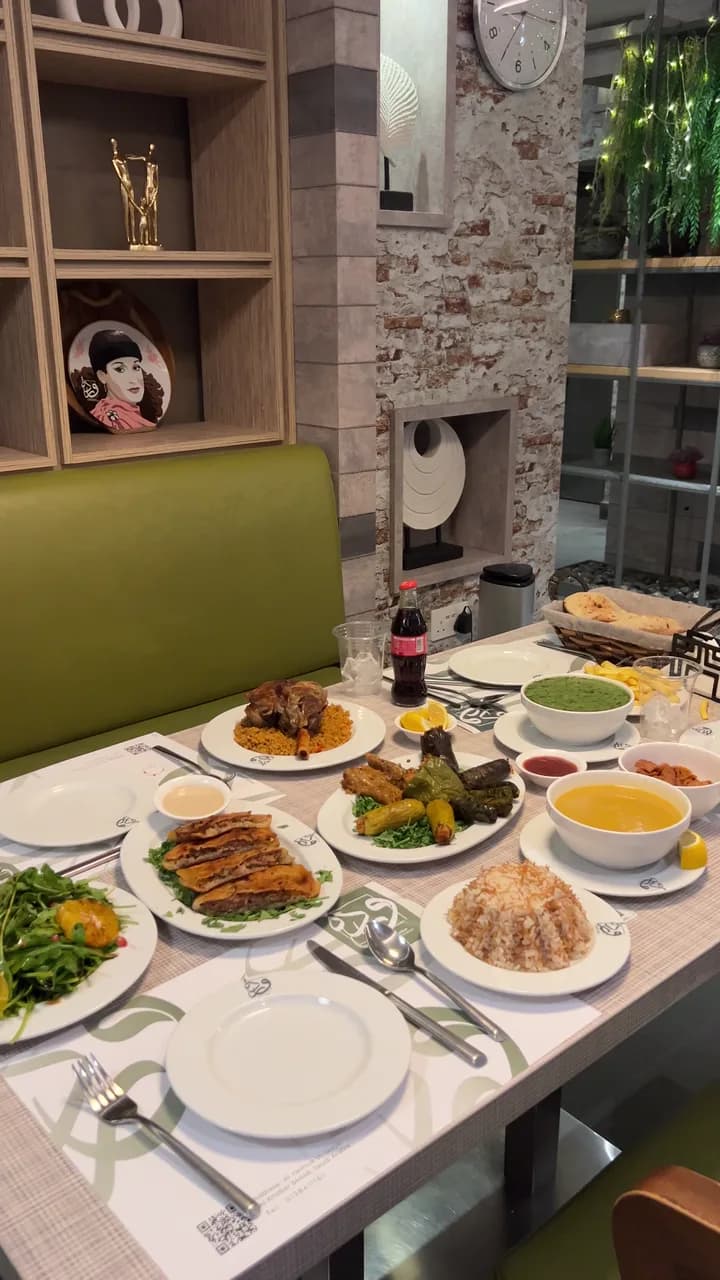
Proverbs that name particular foods
«Zay el-freek ma yehebbesh shereek»: like freekeh, it hates a partner
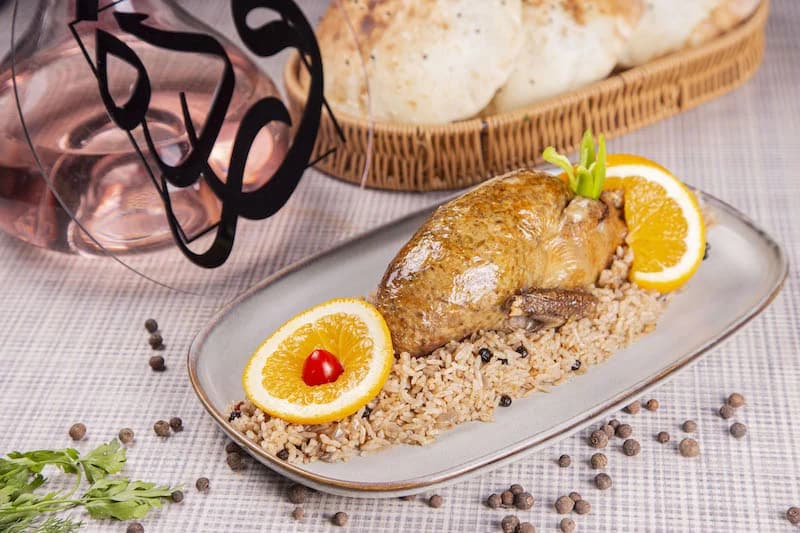
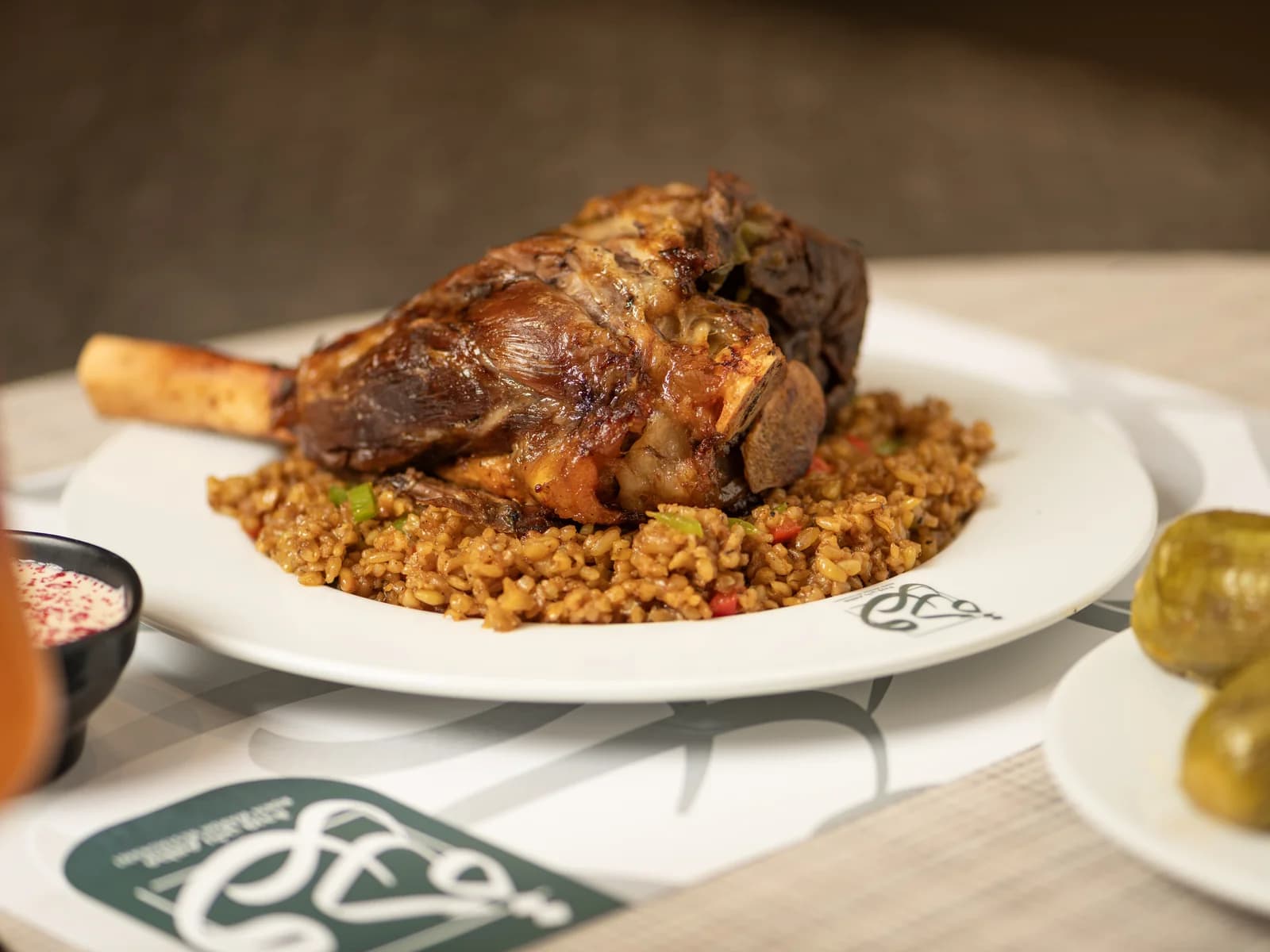
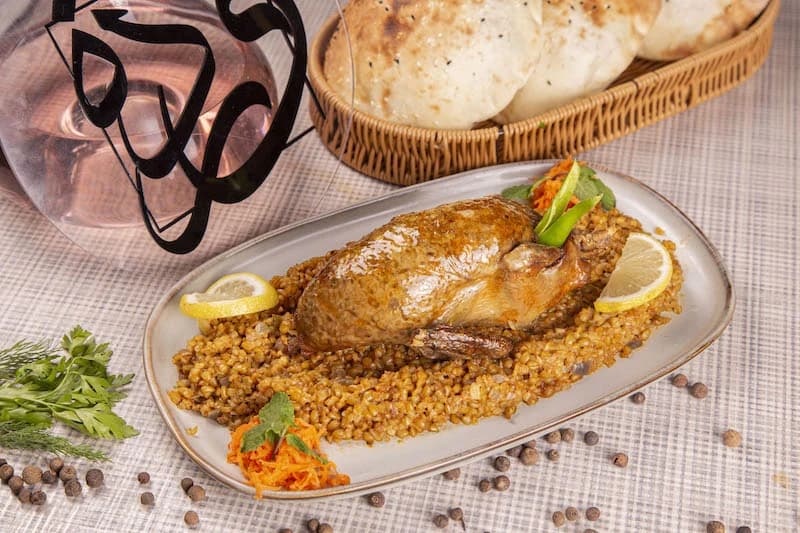
It is said of a person who wants everything for themselves and does not like sharing, whether food, a place or even attention. The rhyme between "freek" and "shereek" is what kept the proverb alive, and there is no need to look for logic in freekeh itself, because freekeh is in fact loved and shared at the table, like pigeon stuffed with freekeh and lamb shank with freekeh.
«Elli ma ye'rafsh ye'ool 'ads»: whoever doesn't know says "lentils"
One of the best-known and funniest proverbs. It means that whoever does not know the truth of a matter judges by appearances and may be unfair. A folk tale is told behind it, about a man in the market whom people thought had stolen lentils when he had not; the tale is told in more than one version and has no single confirmed origin. Lentils themselves are a true Egyptian staple, and their warmth is in lentil soup on winter nights.
«Elli ma'ah 'irsh mehayyarah yegeeb hamam we-yetayyarah»: whoever has a coin that puzzles him buys pigeons and lets them fly
It is said of someone who spends money on something useless or that will not stay with them, like buying pigeons and letting them fly away. Pigeons have a long story in Egypt, with their towers in the countryside; read it in pigeon towers in Egypt.
Proverbs about taste and the eye
«Kol elli ye'gebak we-elbes elli ye'geb el-nas»: eat what you like, wear what others like
A very well-known proverb: with food, choose to your own taste because it is yours alone, but with clothes mind other people's taste, because they are the ones who see you. It is often said to someone who cannot decide what to order: "Eat what you like."
«El-'ein betakol abl el-boq»: the eye eats before the mouth
It means that how a dish looks and is arranged whets the appetite before the taste itself. You hear it from the woman who decorates a tray of mahshi or carefully arranges a plate before setting it on the table.
Expressions on the side
Besides proverbs, there are everyday food expressions all Egyptians use:
- «Benna 'eish we-malh»: there is bread and salt between us: we have shared life and food, so we cannot betray each other. An expression of how much shared food binds people.
- «'Eino akbar men batno»: his eyes are bigger than his stomach: for someone who serves or orders more than they can eat, said with a laugh at the table when the plate comes back full.
Frequently asked questions
What is the best-known Egyptian proverb about food? Probably «a happy bite feeds a hundred», because it is said in almost every home when a guest arrives unexpectedly.
Do all these proverbs have a known origin or story? No. Most folk proverbs have no written origin or set date, and some have stories told behind them in more than one version, like «whoever doesn't know says "lentils"». It is best to understand them by their common meaning.
What does «there is bread and salt between us» mean? It means there is companionship and affection between us because we ate from the same table, so shared food becomes like a pledge.
When do people say «welcome me rather than feed me»? When you want to say that a warm reception matters more to you than the food itself, or to hint to someone that cheerfulness matters more than a feast.
Proverbs and the table today
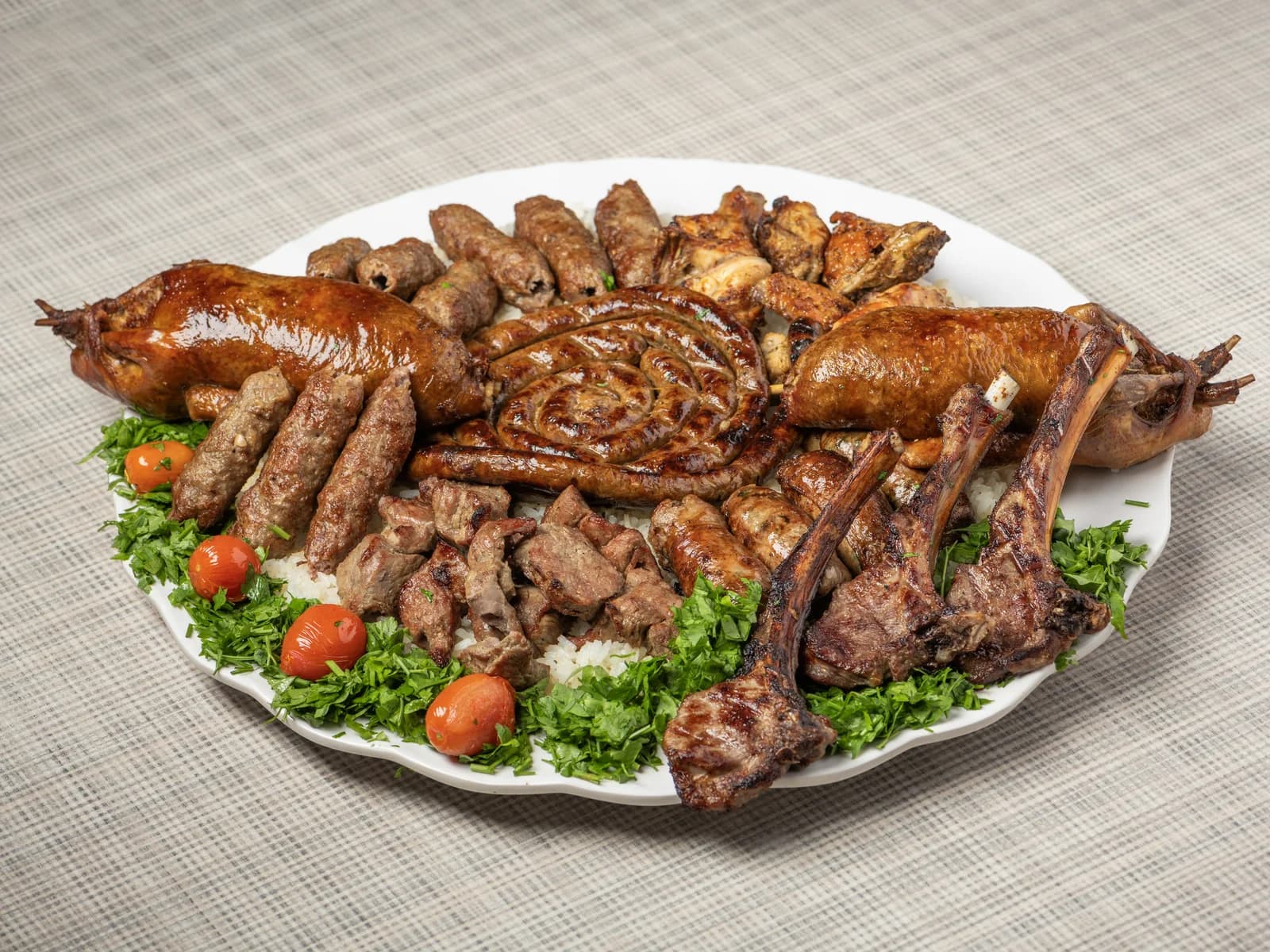
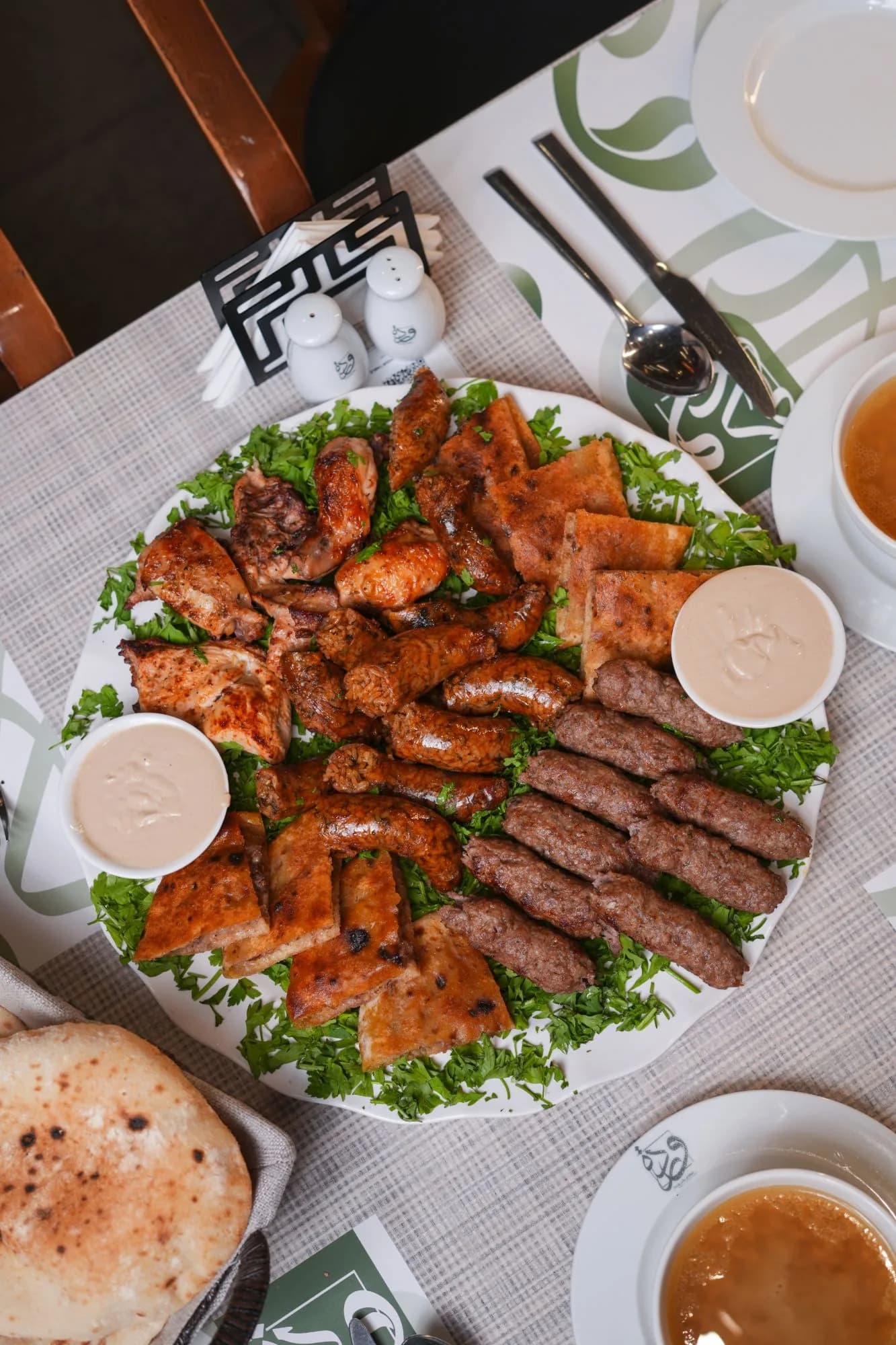
In the end, all these proverbs say one thing: the Egyptian table is made for sharing. A happy bite in the middle, a dish that gets divided, and a kind word for the guest. If you want to feel that for yourself, a family gathering around the family tray or the Rokn Warda platter brings the idea close, with more stories about our dishes in stories of Egyptian heritage dishes.
Browse the menu at your leisure, and if you would like to come with family or friends in Al Khobar, book your table and let us carry on the chat at the table.