Trotters call for patience more than skill. The steps are simple, but thorough cleaning and long, gentle boiling are what separate tender trotters in a clear, tasty broth from tough ones with an odour. Here is the Egyptian way as homes make it.
First: cleaning
This is the most important part of the whole thing.
- Most people now buy trotters cleaned by the butcher: hair removed, skin singed and scraped.
- At home they are washed well and any remaining hair removed; some pass them over a flame to burn off fine hairs.
- Many scrape the skin with a knife and wash them with lemon or vinegar and salt to remove any odour.
- The butcher can cut them into pieces, which makes boiling and serving easier.
The first boil: the secret of a clear broth
Before the real boiling, many homes put the trotters in boiling water for a short time, then discard that water and wash the trotters again.
Why? The first boil removes the scum, impurities and any odour, so the broth that follows comes out clearer and cleaner.
The long boil
Then the trotters go into fresh water with the aromatics Egyptians use for boiling:
| Ingredient | Its role |
|---|---|
| Onion (whole or halved) | Flavour and sweetness |
| Bay leaves | Aroma |
| Cardamom | The signature Egyptian aroma |
| Mastic | In many homes, gives the broth a distinctive scent |
| Black peppercorns | Gentle flavour |
| Salt | After some time of boiling |
The scum that rises at first is skimmed off, then the heat is lowered and kept gentle for a long time until the trotters are very tender and the skin comes away from the bone easily.
The time depends on the size and kind of trotters, and many now use a pressure cooker to shorten it.
Three dishes from here
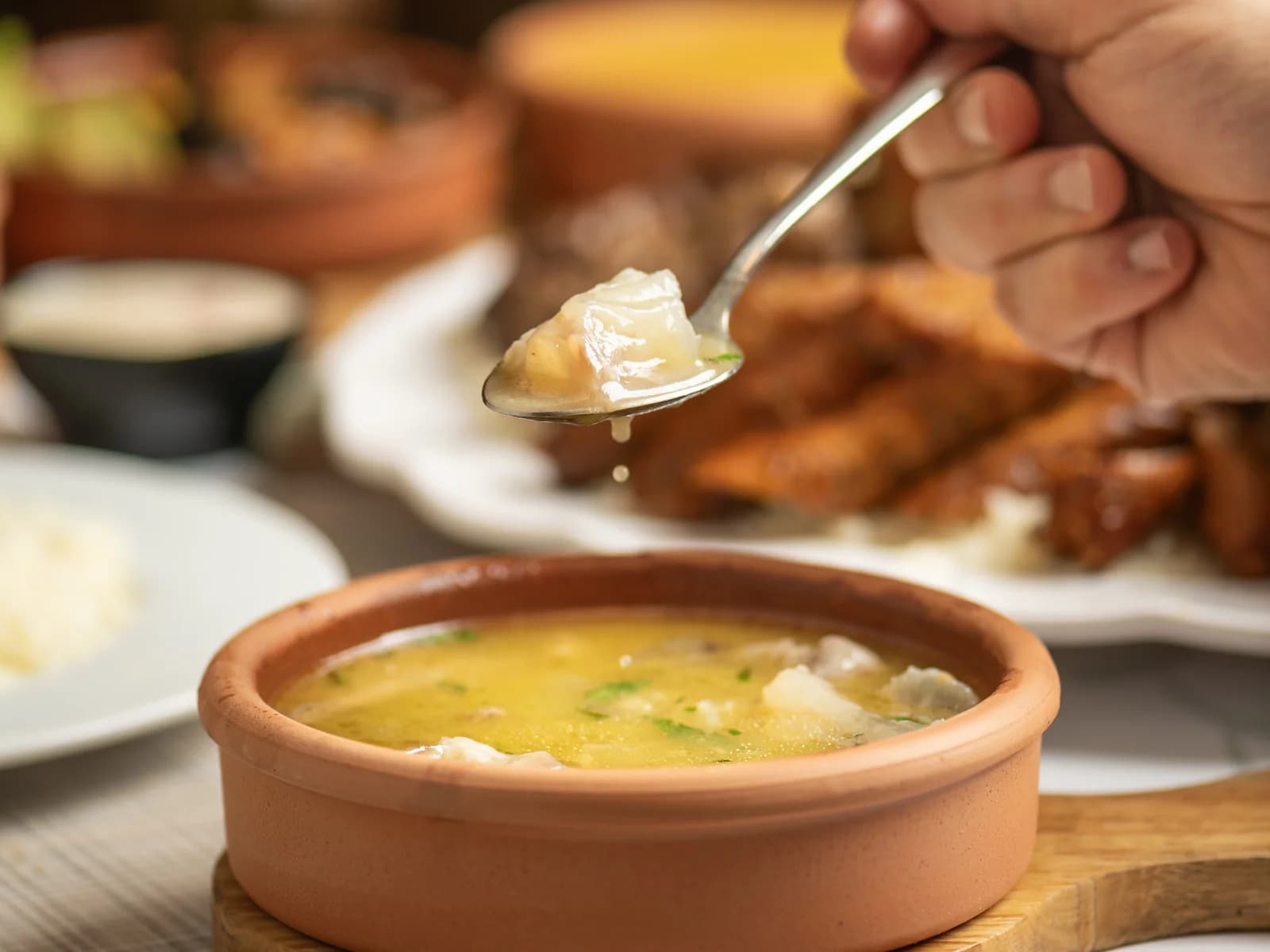
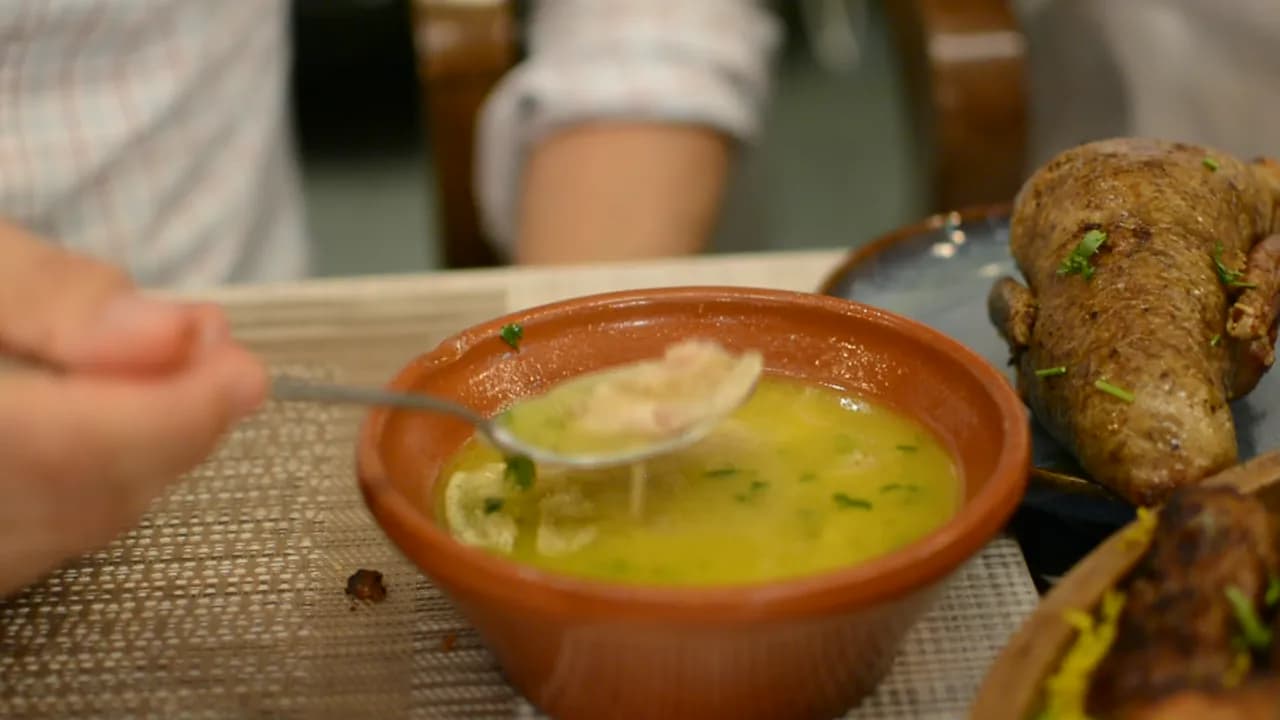
1. Trotters soup
- Strain the broth from the aromatics.
- Fry chopped garlic in ghee or oil and add it to the broth.
- Lemon and black pepper to taste; some like chilli.
- Serve hot, with small pieces of trotters or without.
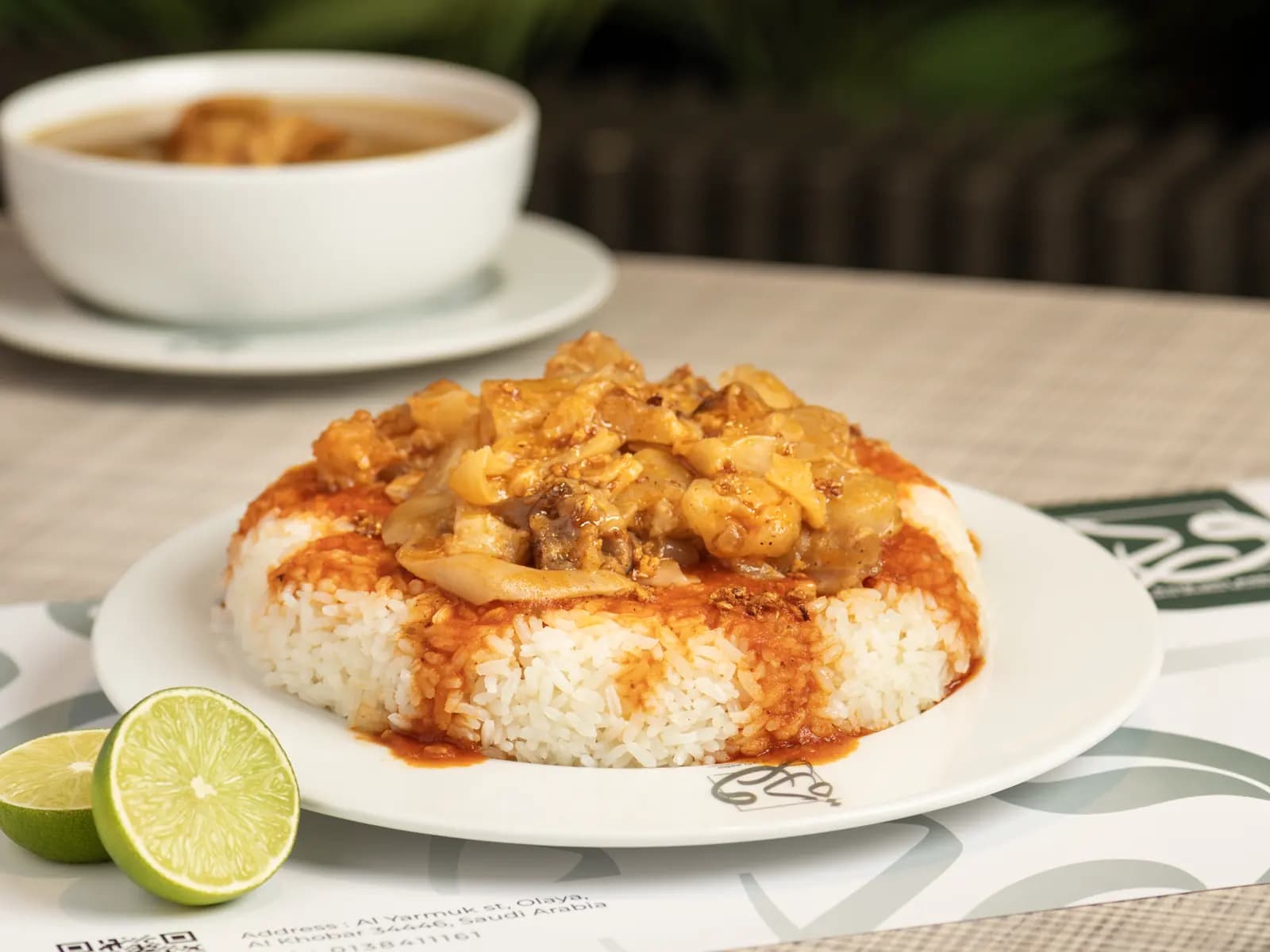
2. Trotters fatteh
The same idea as Egyptian fatteh:
- Toasted bread soaked in trotters broth.
- White Egyptian rice.
- Vinegar-garlic sauce (some homes add tomato).
- Topped with tender pieces of trotters.
How all the kinds of fatteh differ is in Egyptian fatteh and its kinds.
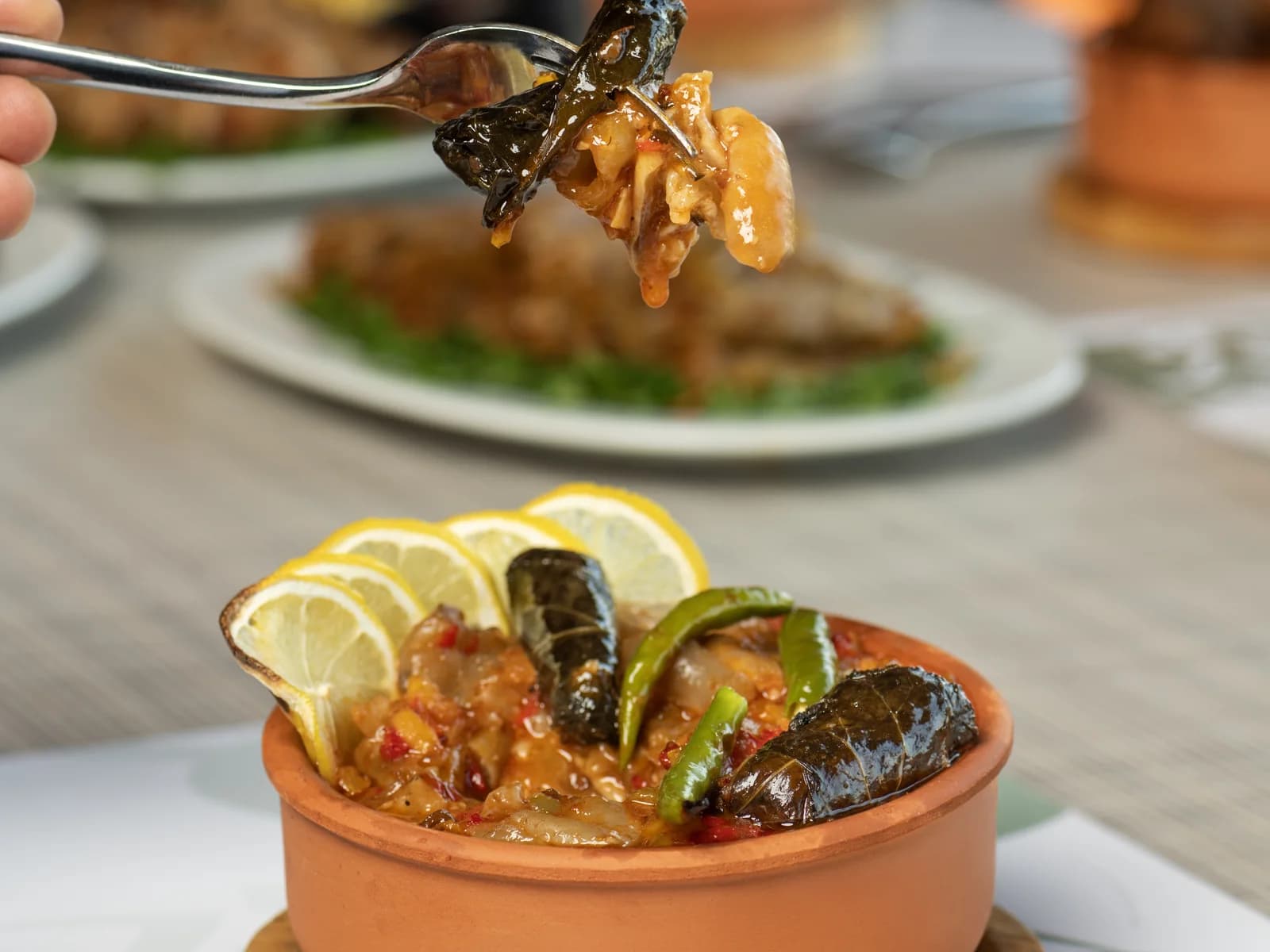
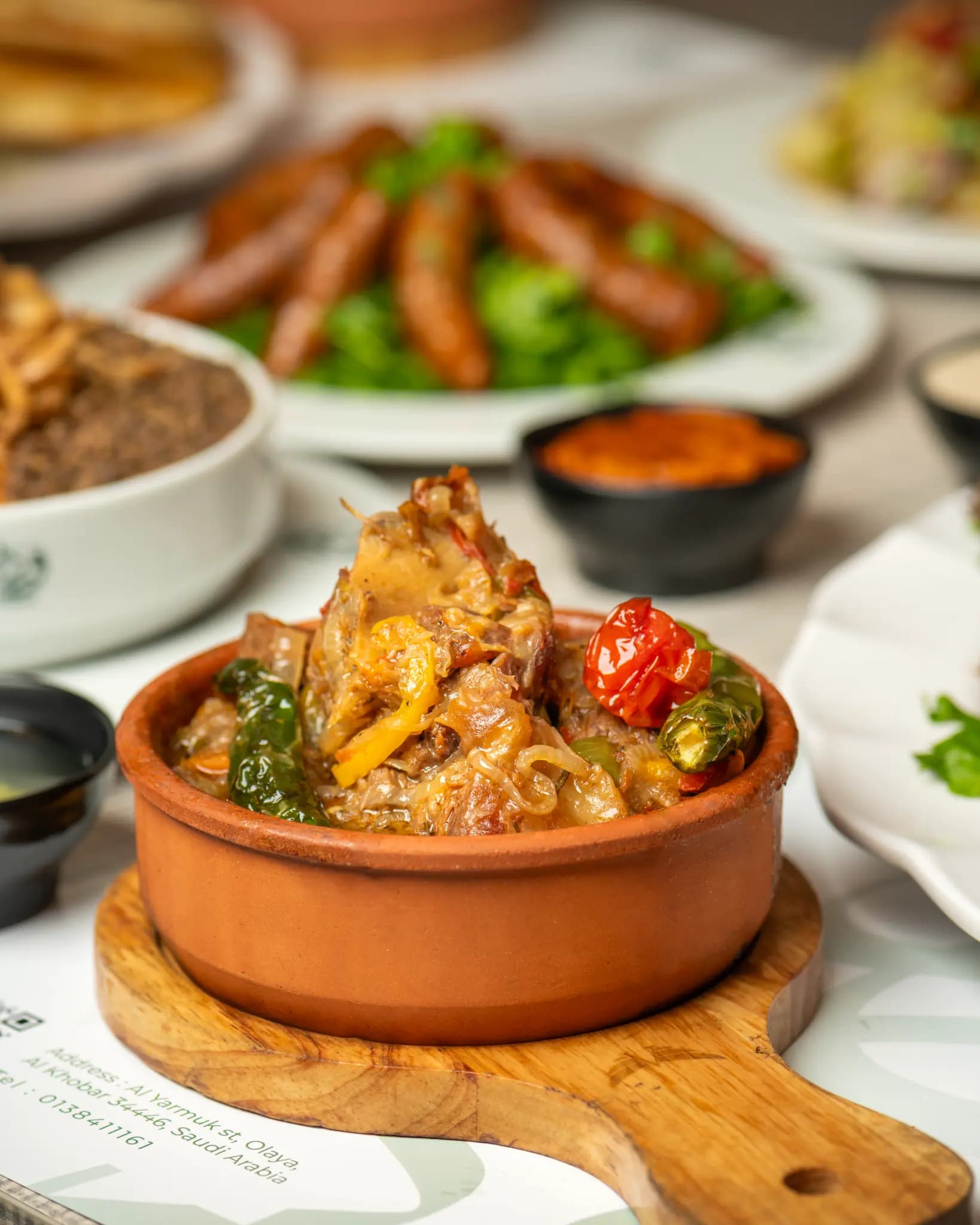
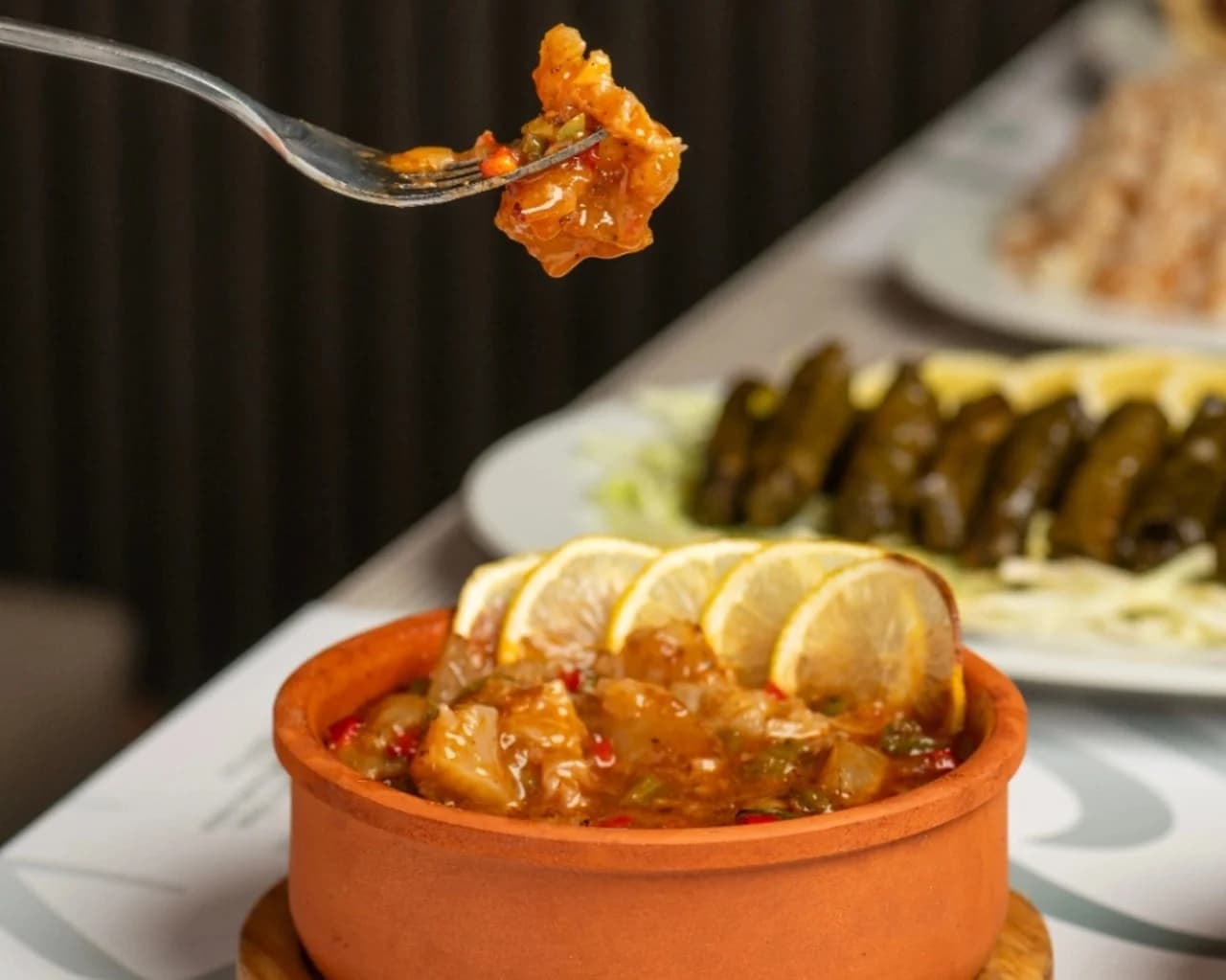
3. Trotters casserole
- The boiled trotters go into a clay casserole.
- Some of the broth goes over them; some homes add tomato sauce with onion and garlic.
- Into the oven until the sauce thickens and the top colours, served bubbling.
There are also grape leaves with trotters, where the grape leaves cook over the trotters; read about it in grape leaves and trotters casserole.
Secrets that make the difference
- Cleaning is half the work; any shortcut shows in the taste.
- The first boil keeps the broth clear.
- Gentle heat beats a hard boil, which clouds the broth.
- Salt after the boiling is under way, not at the start.
- Serve trotters hot: the gelatin-rich broth thickens and sets as it cools.
- Garlic and lemon in the soup cut the richness.
Common mistakes
| Mistake | Result |
|---|---|
| Incomplete cleaning | Odour in the broth |
| No first boil | Cloudy broth |
| High heat all the way | Tough skin, cloudy broth |
| Rushed boiling | Tough trotters |
Leftover broth
Leftover trotters broth will set like jelly in the fridge; that is normal and a sign it is rich in gelatin, and it turns liquid again when reheated. Many use it as the base for fatteh or to cook rice, so nothing goes to waste, in the very spirit of the dish.
For the story of trotters and their place in Egyptian homes, read trotters in Egypt.
Rather skip the effort?
Trotters truly take time and work, which is why many prefer to order them ready. At Rokn Warda in Al Khobar you will find trotters soup, trotters fatteh and a trotters casserole. Order from the menu for delivery in Al Khobar and Dammam, or try them in our dining room. Not sure where to start? Read trotters in Al Khobar.