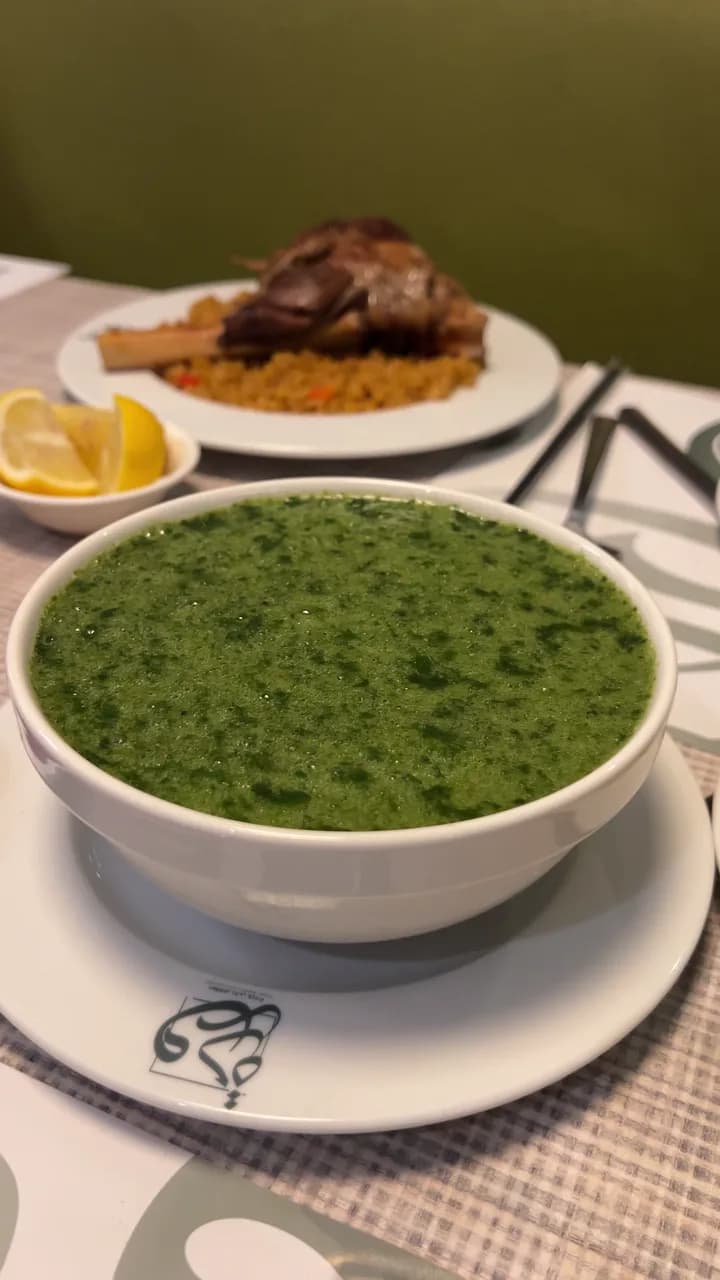
Tell a guest from another country that one of the best-known feast dishes in Egypt is molokhia with rabbit, and they may look at you in surprise and say: "Rabbit? But rabbits are pets!" That is a natural reaction, because in many countries rabbits are kept at home for play and company. In Egypt the story is different: rabbit has long been part of home cooking, and molokhia made with rabbit broth is a dish many families count among the finest things to serve a guest.
In this article we tell the place of rabbits in the Egyptian home, the rooftop hutches, the well-known way rabbit is cooked, and why molokhia with rabbit in particular has so many fans.
Rabbits in Egypt: home food, not only pets
In the Egyptian countryside, and in many city neighbourhoods in the past, it was perfectly normal for a household to raise chickens, ducks and rabbits on the roof or in the courtyard. Rabbits were especially easy: they breed quickly, eat clover and vegetable scraps, and need little space.
Rooftop hutches
Climb onto the roof of a house in an Egyptian village and you may find small hutches of wood and wire or of mud, with rabbits of different colours inside. The lady of the house or the children feed them every day, and the hutch was, for the household, like a nearby "food store". Over time cities changed and this kind of keeping became less common, but rabbits are still sold in markets and specialised shops, and they still have their place at the table.
Why rabbits?
- Easy to raise: they need a small space and simple feed.
- Quick to breed: a small hutch can supply the household for a while.
- A different taste: for many people rabbit tastes mild and close to chicken, and it takes on seasoning and broth well.
- A feast dish: for many families, serving rabbit shows care for the guest, like pigeon and duck.
Pigeons have a similar story in the countryside, told in Pigeon towers of the Egyptian countryside.
Molokhia with rabbit: the famous dish
In most Egyptian homes molokhia is made with chicken or meat broth, but for many people molokhia with rabbit broth has a special taste and a higher standing. Molokhia itself is an old story; read it in The history of Egyptian molokhia.
Boiled, then browned rabbit
The method varies from home to home, but these steps recur in many kitchens:
- The rabbit is cleaned and cut into pieces, and many homes rinse it with flour and vinegar or lemon.
- It is simmered in water with onion, cardamom and bay leaves, and some homes add mastic.
- Once cooked, it is browned in ghee or in the oven until golden.
- The broth it simmered in is strained and set aside for the molokhia.
The broth: the secret of the dish
Egyptians say the broth is half the molokhia, and rabbit broth has a distinctive taste that makes the molokhia different from chicken molokhia. Fresh green molokhia is finely chopped with a mezzaluna (makhrata), added to the boiling broth and left until it holds together.
The tasha and the gasp
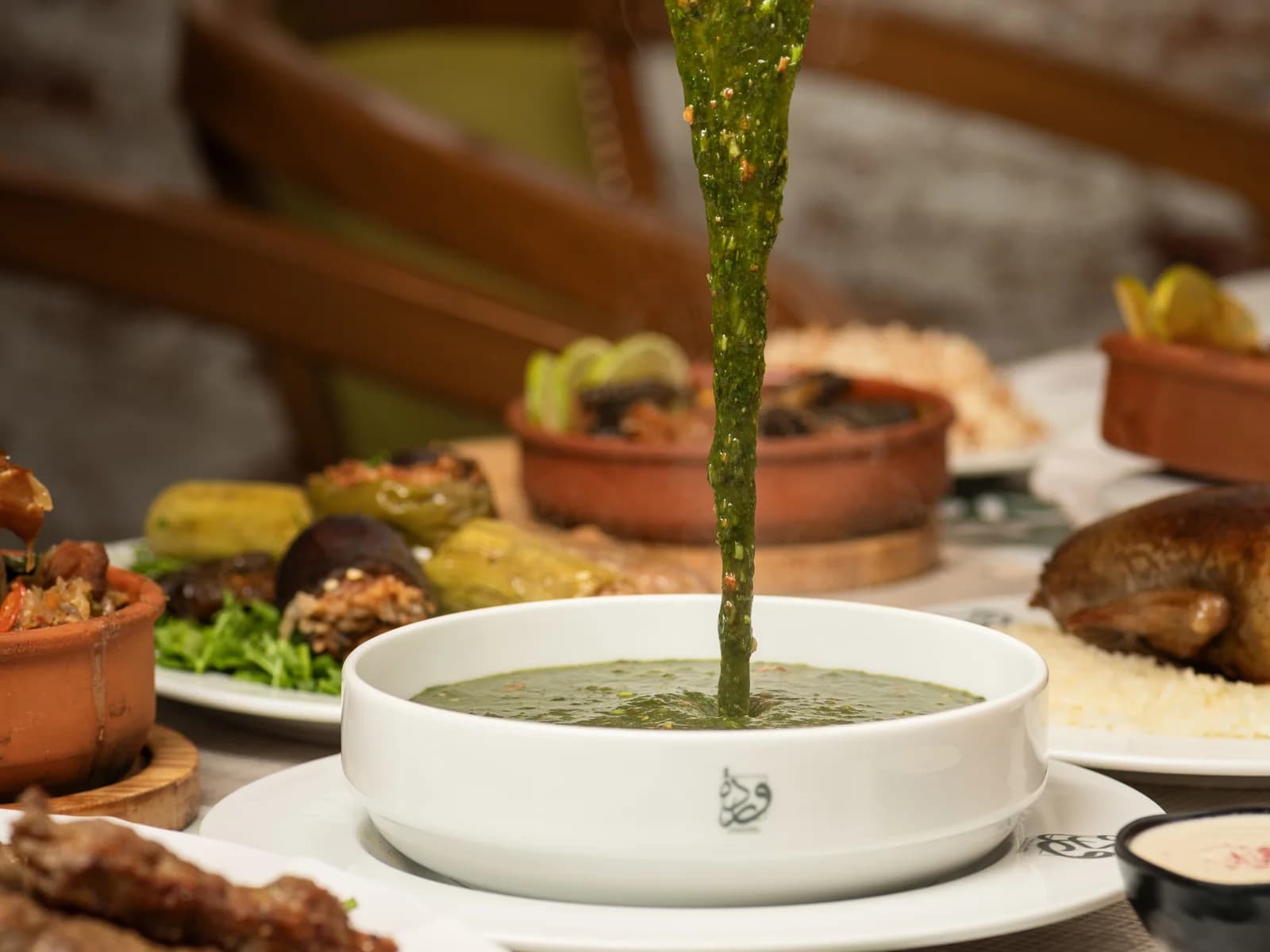
The last step is the tasha: minced garlic and dried coriander fried in ghee until their aroma fills the house, then poured over the molokhia. A well-known tale says many women gasp the moment the tasha hits the molokhia, and it is said that "the gasp" is what makes the molokhia delicious! The story is told with humour, but it is part of the soul of the dish. We described this method in detail in Molokhia the Egyptian way.
At the table
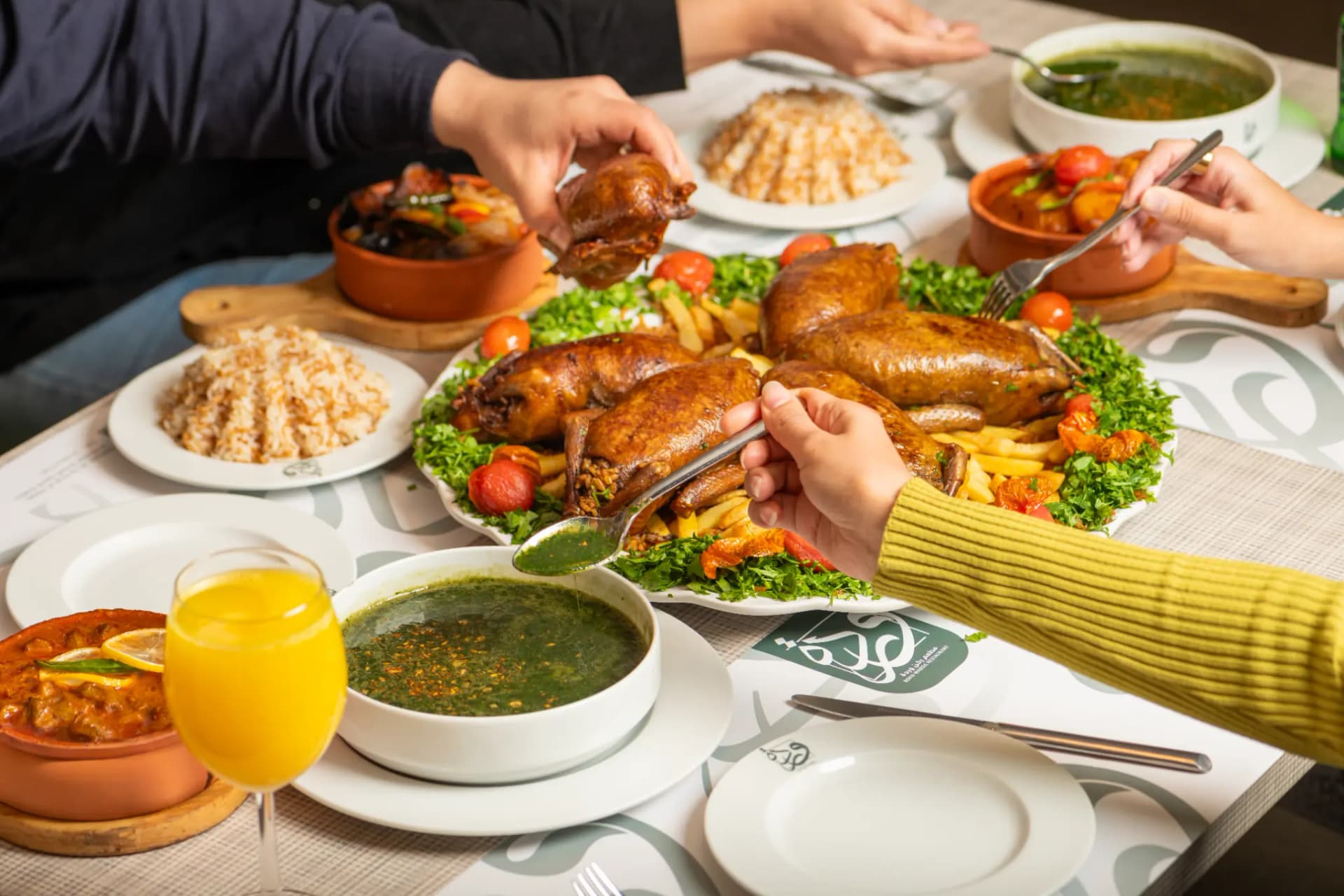
Molokhia with rabbit is usually served with:
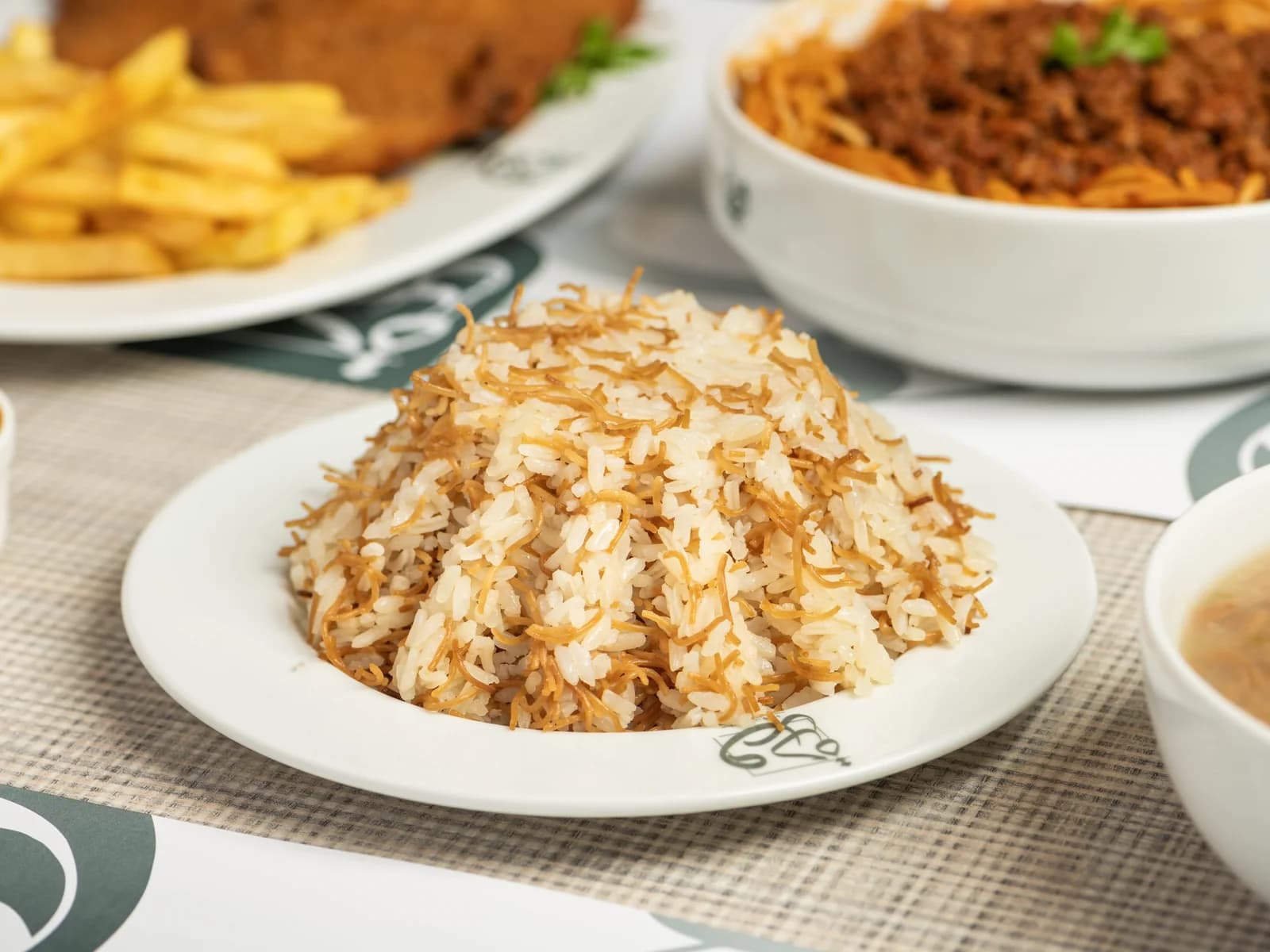
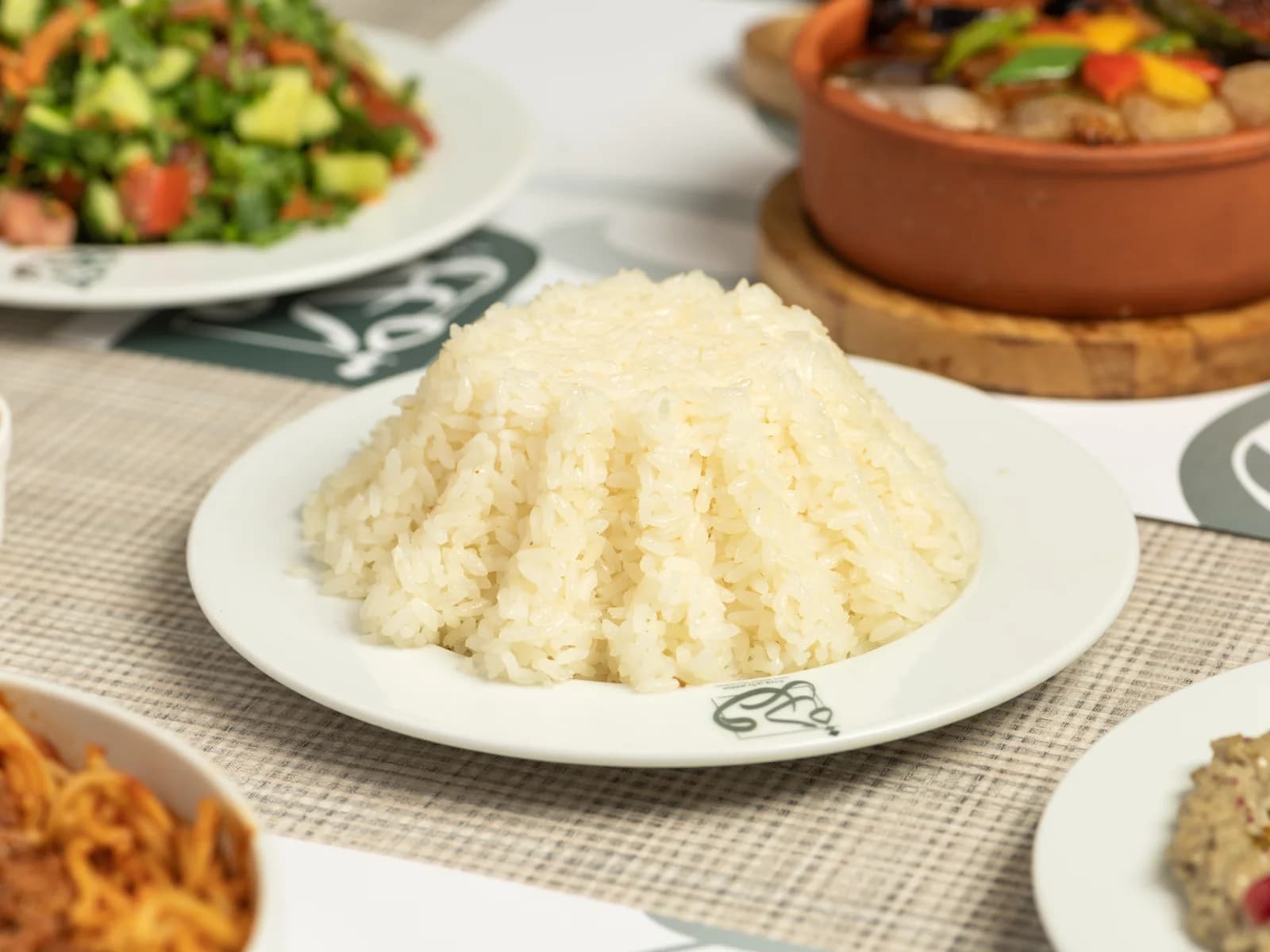
- White rice or vermicelli rice.
- Baladi bread, toasted or torn.
- Onion, lemon and pickles on the side.
- And the browned rabbit on its own platter in the middle of the table.
Rabbit in other ways
Molokhia is the star, but rabbit has other dishes in Egyptian homes:
- Browned rabbit with rice and salad, without molokhia.
- Rabbit in a tray with onions and potatoes in the oven.
- Rabbit in tomato sauce with rice in some homes.
Every home has its favourite way; some families keep rabbit for special occasions, while others make it an ordinary Friday meal.
In many homes a single rabbit is shared across more than one dish: its broth goes to the molokhia, its meat is browned and served on its own, and some homes spoon a little of the broth over the rice too. So one rabbit makes a whole table, the same "nothing gets thrown away" logic Egyptian cooking has followed for a long time.
And molokhia with what else?
Egyptians make molokhia with many broths, which is part of its charm:
- Chicken: the most common and closest to every home.
- Meat: meat broth gives a heavier taste.
- Rabbit: the feast dish for many families.
- Shrimp or fish: known in some coastal cities.
Why does it surprise visitors?
- The rabbit itself: in many cultures the rabbit is a pet, so the idea surprises a guest.
- The texture of molokhia: finely chopped molokhia is slightly silky and viscous, which is new to many people.
- The taste: once a guest tries it, they often find that rabbit tastes very mild and that the whole dish is closer to their taste than they imagined.
Molokhia and the family gathering
In Egypt molokhia is not just a dish; it is a whole household ritual: the smell of the tasha reaching the neighbours, the children waiting for lunch, the grandmother chopping molokhia with the makhrata as she sits and tells stories. When there is rabbit on the table, the day becomes a feast and the whole family gathers. For the spirit of these gatherings, read The Egyptian table and hospitality.
Frequently asked questions
Why do Egyptians eat rabbit? Because rabbits have long been raised in homes and on rooftops; they are easy to keep and breed quickly, so they became part of home cooking like chickens and ducks.
What does rabbit taste like? Many people describe it as mild and close to chicken, but with its own flavour that comes through most in the broth.
What is the difference between rabbit molokhia and chicken molokhia? The molokhia itself is much the same; the difference is the broth. Rabbit broth has a distinctive taste that gives the molokhia a different flavour.
What is molokhia with rabbit eaten with? Usually with white or vermicelli rice and baladi bread, the browned rabbit on its own platter, with onion, lemon and pickles beside them.
Does Rokn Warda serve molokhia with rabbit? No. Rabbit belongs to Egyptian home culture and is not on the Rokn Warda menu. We do serve a molokhia casserole the Egyptian way.
Molokhia on your table in Al Khobar
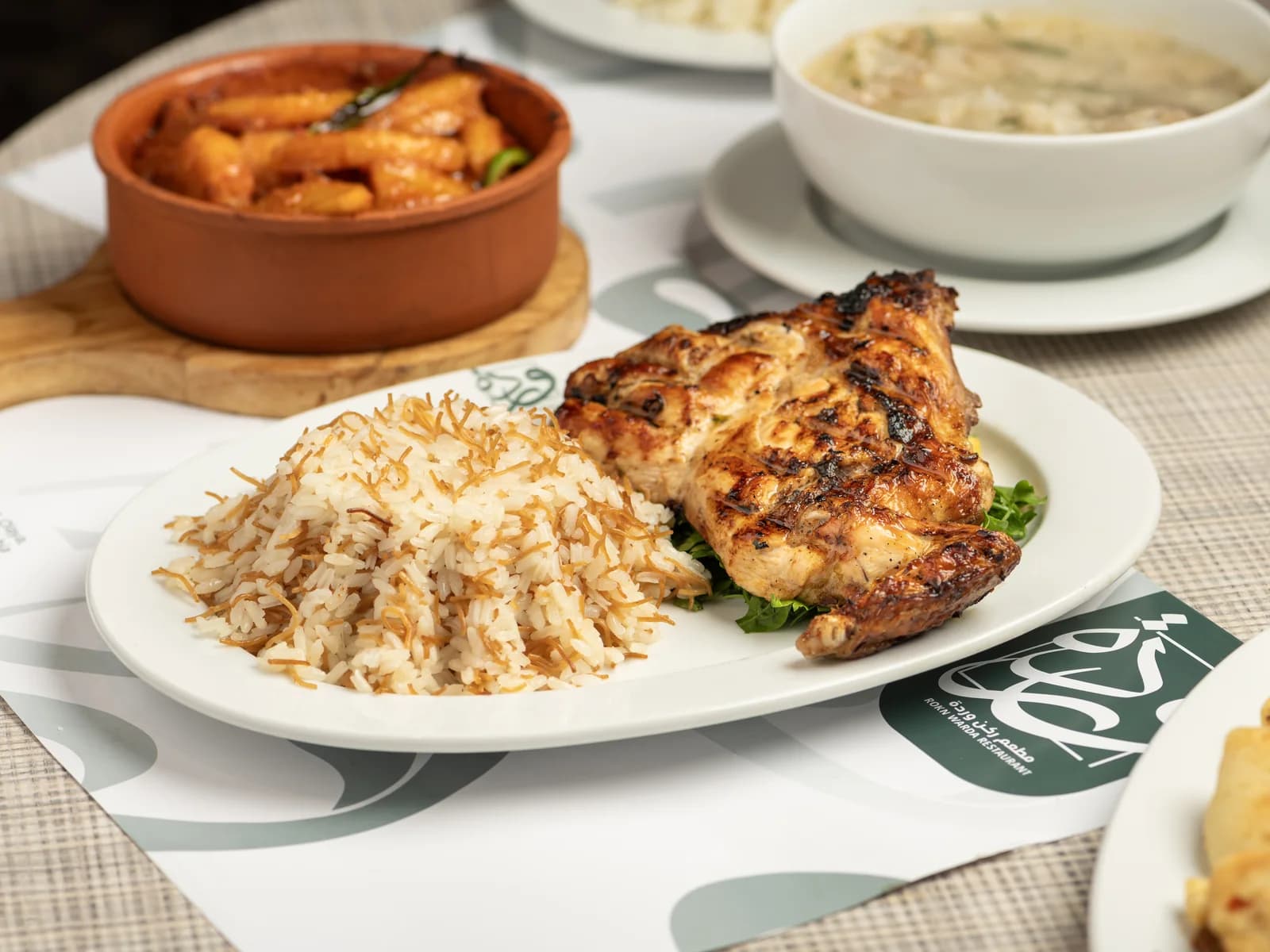
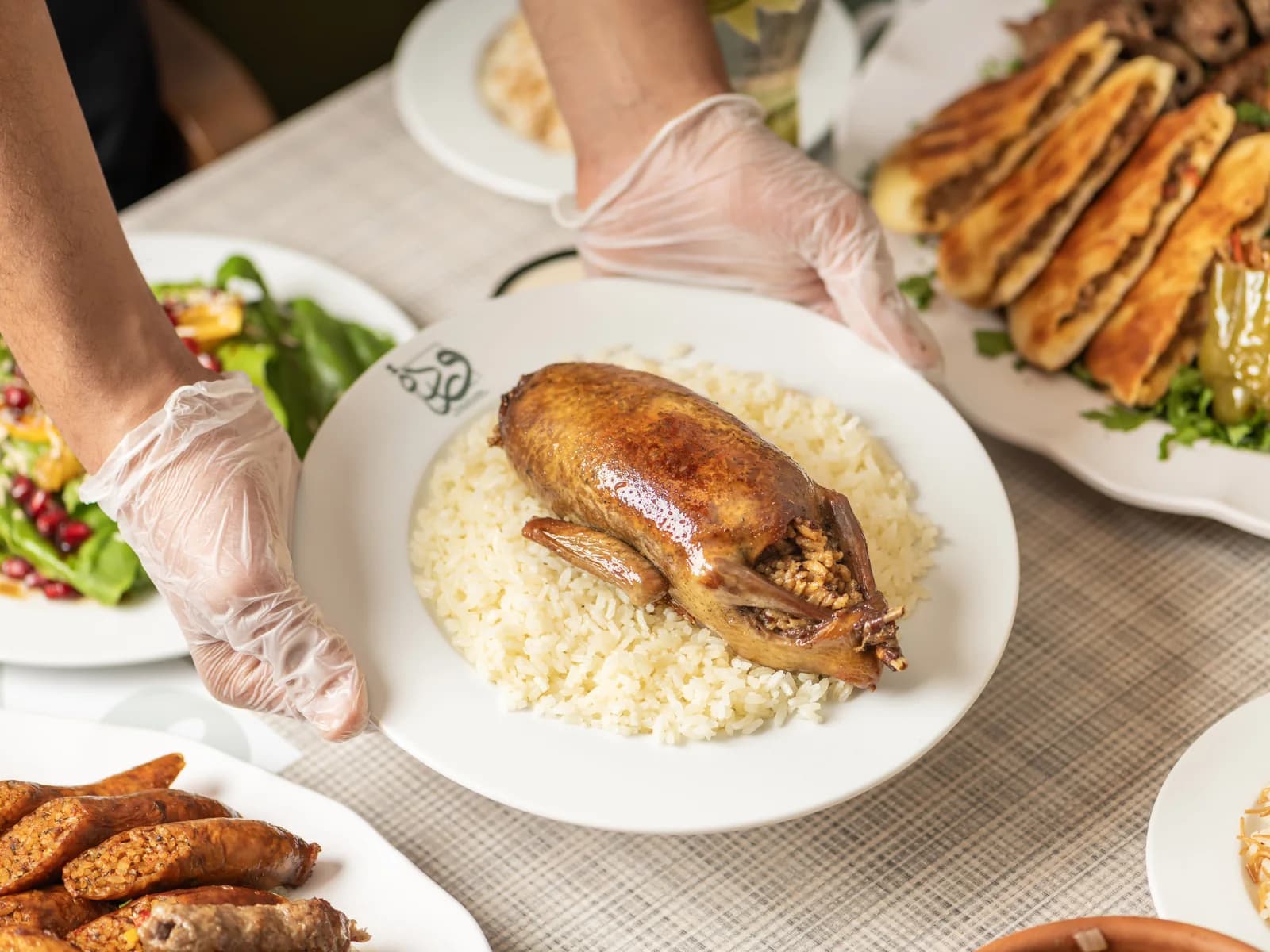
Molokhia with rabbit is a story of homes, rooftops and feasts, and its place is the Egyptian family table. If you are craving the taste of Egyptian molokhia in Al Khobar, at Rokn Warda on Al Yarmouk Street we have a molokhia casserole with Egyptian white rice or Egyptian vermicelli rice, and if you would like a feast dish beside it, try stuffed pigeon with rice or the chicken and potato casserole. Browse the menu, read Egyptian molokhia in Al Khobar, and book your table.