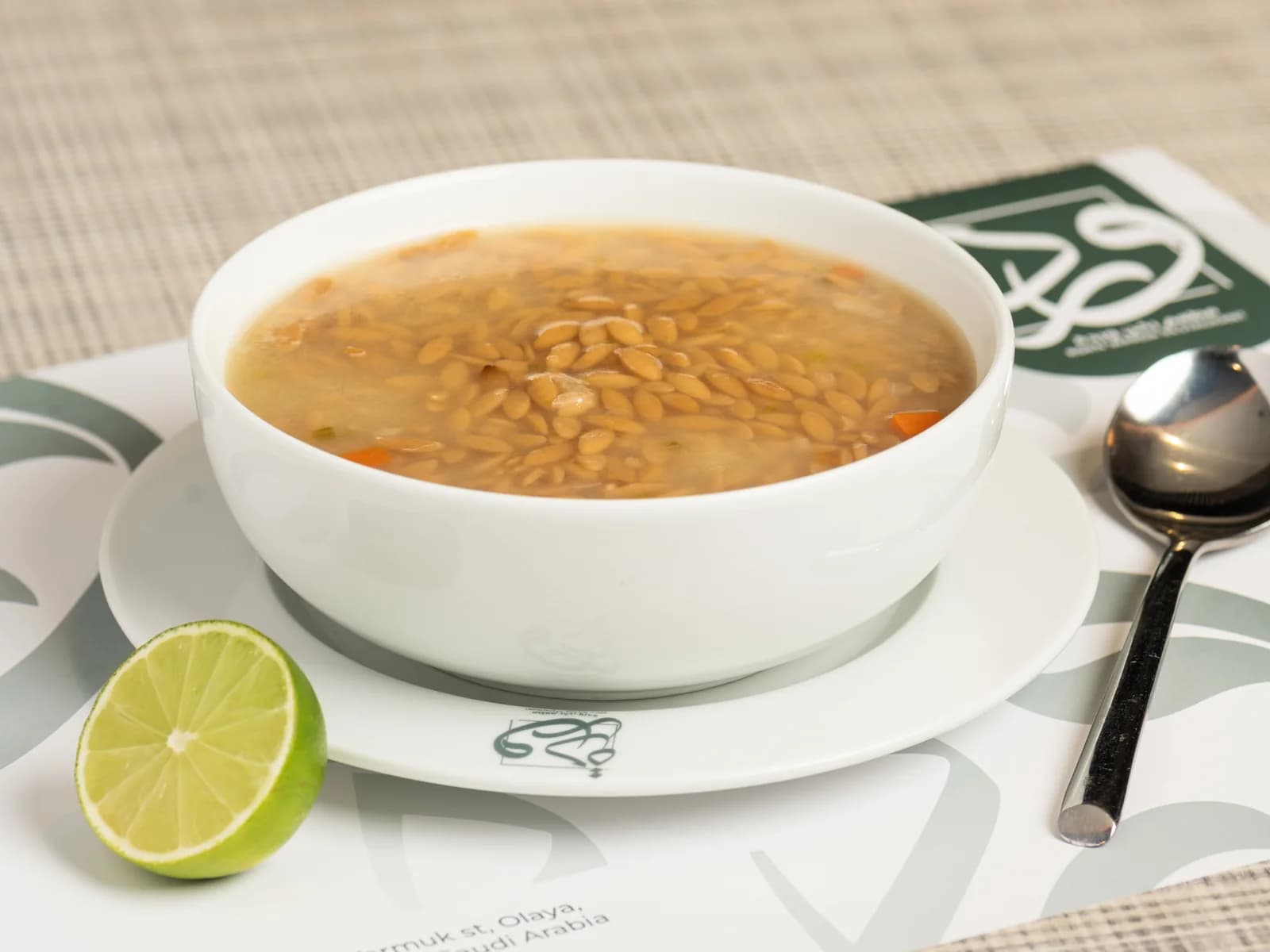
In many Egyptian homes, the big meal does not begin with the main dish; it begins with a hot bowl of soup. One of the best-known soups served at that moment is lesan asfour soup (orzo soup): a warm broth with tiny grains of pasta shaped like grains of rice, finished with a squeeze of lemon and a pinch of black pepper. A very simple dish, but for many people it is tied to home, winter and family.
In this article we tell the story of lesan asfour soup: what it is, where its name comes from, how it is made at home, why Egyptians love it, and when and how it is served.
What is lesan asfour?
Lesan asfour is a kind of very small pasta whose grains look like rice grains, only longer and narrow at both ends. In other countries it is called "orzo", but in Egypt the popular name is the one everyone uses.
Why is it called "bird's tongue"?
It is said that the name, which means "bird's tongue", comes from the shape of the grain itself: small, slender and pointed, so people likened it to the tongue of a little bird. There is no confirmed story of who named it, but the name has become part of everyday Egyptian speech, and any Egyptian who hears it knows at once that it means the soup.
How is it made in Egyptian homes?
Lesan asfour soup is one of the easiest soups, but its taste depends entirely on the broth. The method changes from home to home, but the well-known steps recur:
- The broth: from boiling meat or chicken with onion, cardamom and bay leaves.
- Toasting the orzo in a little ghee or butter until lightly golden, which gives it a pleasant toasted taste.
- Adding the hot broth and letting it simmer gently until the pasta is cooked.
- Seasoning with salt and black pepper; some homes add a little tomato paste.
- Serving hot, with lemon on the side.
The broth: the secret of the dish
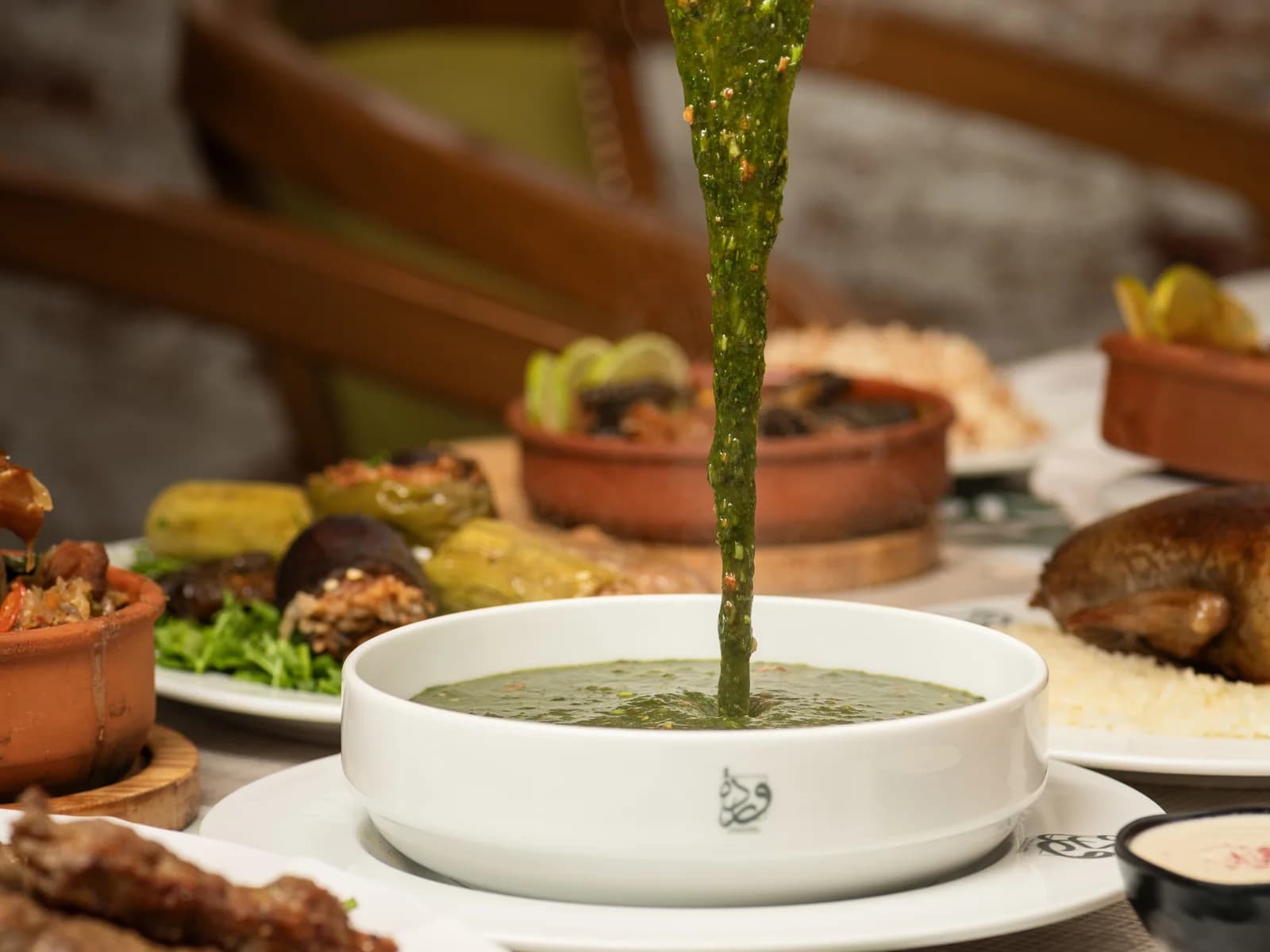
In the Egyptian home, soup is usually not a dish made on its own. When the cook boils meat for fatteh or molokhia, or chicken for a tray or casserole, the broth from that boiling becomes the base of the soup. It is part of the thrift of the Egyptian kitchen: nothing goes to waste, and broth full of the taste of meat becomes a completely new dish. To learn more about molokhia and its broth, read Egyptian molokhia.
With tomato or without?
There are two well-known versions at home:
- Lesan asfour in broth only: light in colour and gentle in taste, where the lemon stands out more.
- Lesan asfour with tomato: a little tomato paste gives it a red colour and a slightly richer taste.
Every home has its preference, and some make both depending on the mood.
Why do Egyptians love it?
The taste of childhood
Lesan asfour soup is one of the first dishes many people met as children. That is why for many Egyptians it is not just a soup but a memory: their mother's table, Fridays, cold outside and hot soup inside.
Light and warming
This soup is light on the table, so it is eaten first without weighing down the food that follows. Its warmth makes the gathering cosy, which is why many people associate it with winter.
Loved by young and old
Its gentle taste suits every age, and children in particular love the look of the tiny grains. You rarely find anyone at the table who turns it down.
When is it served?
At the start of the meal
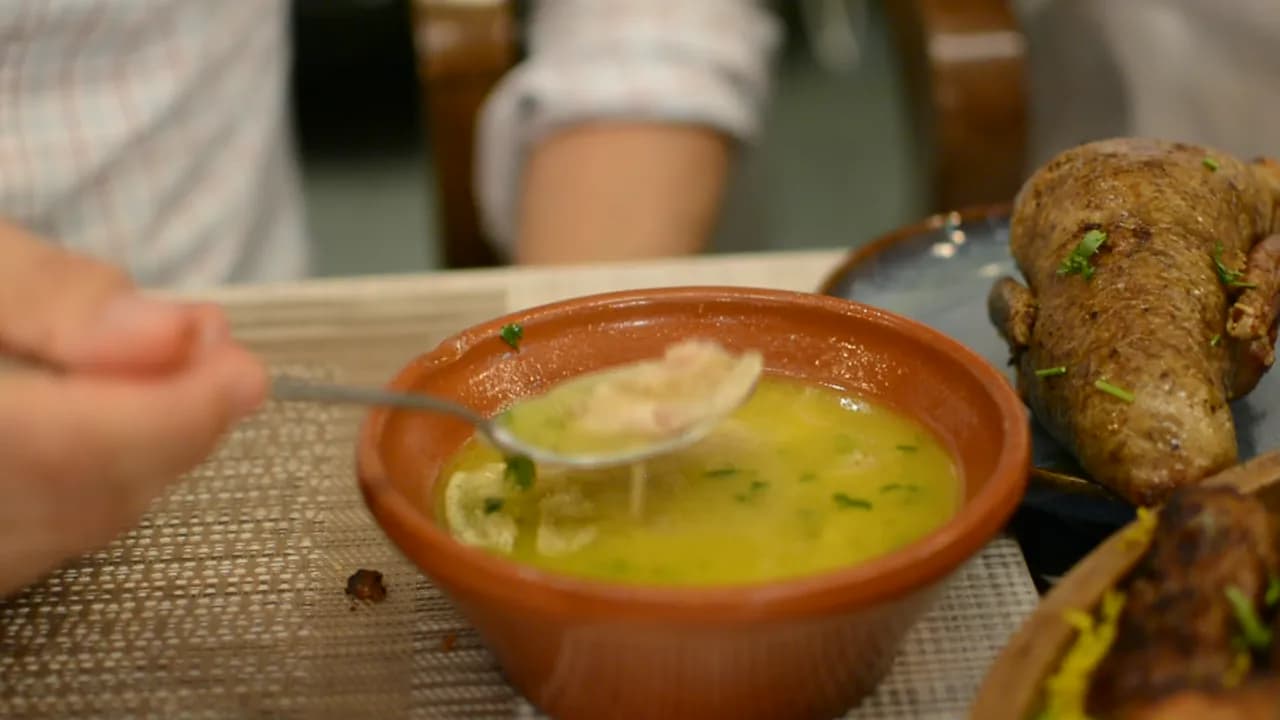
The best-known role of lesan asfour soup is opening the table: a small hot bowl before the main dish, whether that is mahshi, fatteh, casseroles or grills.
In Ramadan
In Ramadan, many Egyptian homes begin iftar, after dates and water, with a bowl of soup, and lesan asfour is one of the most popular choices. Read about the Egyptian Ramadan table in The best Egyptian dishes for Ramadan iftar.
In winter
When the weather turns cold, soup becomes a fixture on the table, and lesan asfour and lentil are among Egypt's best-known winter soups. For Egyptian winter food in general, read Egyptian winter dishes in Saudi Arabia.
At family feasts
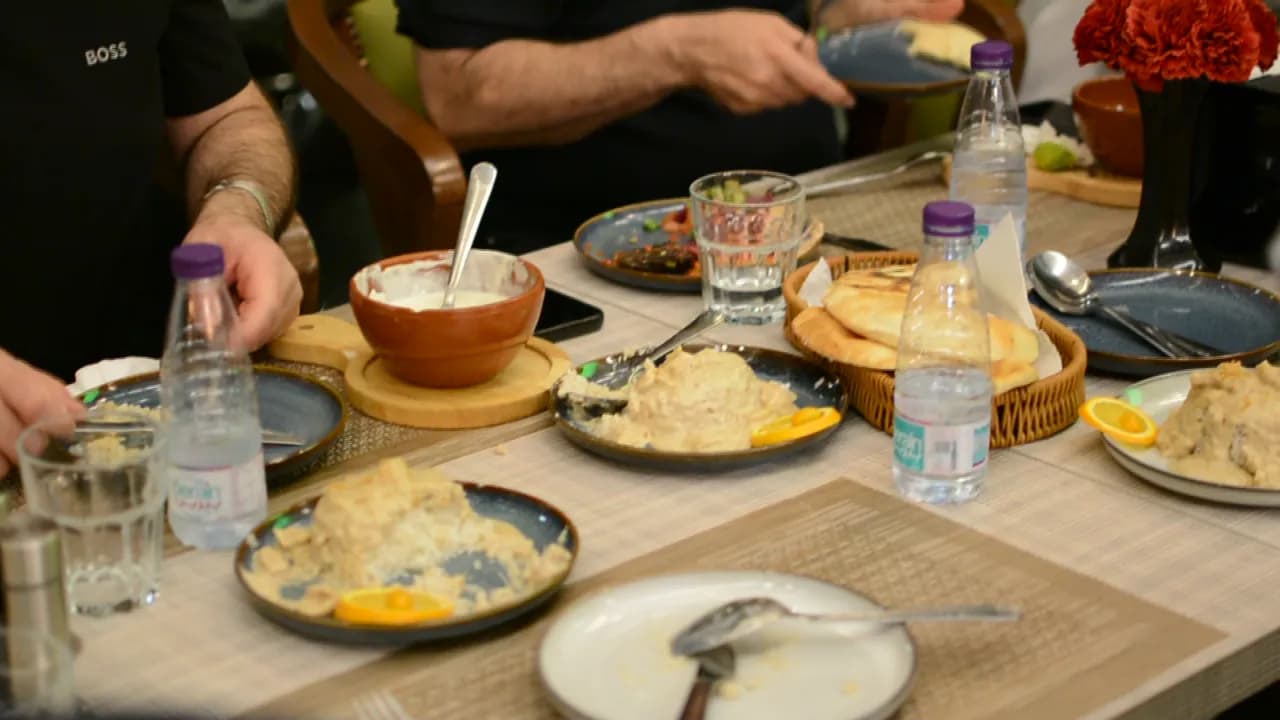
At big gatherings, the bowl of soup at the start is part of the order of the Egyptian table: soup, then the main dishes, then dessert and tea.
Lesan asfour is not only for soup
In Egypt lesan asfour is best known in soup, but some homes use it in other dishes. One of the best known is toasting it in ghee and cooking it with rice in place of vermicelli, so the rice comes out dotted with small golden grains. Some homes also cook it with tomato and broth as a slightly heartier side dish, closer to pasta than to soup.
Whatever the use, the picture that comes to most Egyptians' minds when they hear "lesan asfour" is the hot bowl of soup at the start of the table, with half a lemon beside it.
Lesan asfour, lentil or trotters: which suits you?
Egyptian soups are many, and each has its own mood:
- Lesan asfour: the lightest and gentlest, ideal before a big meal.
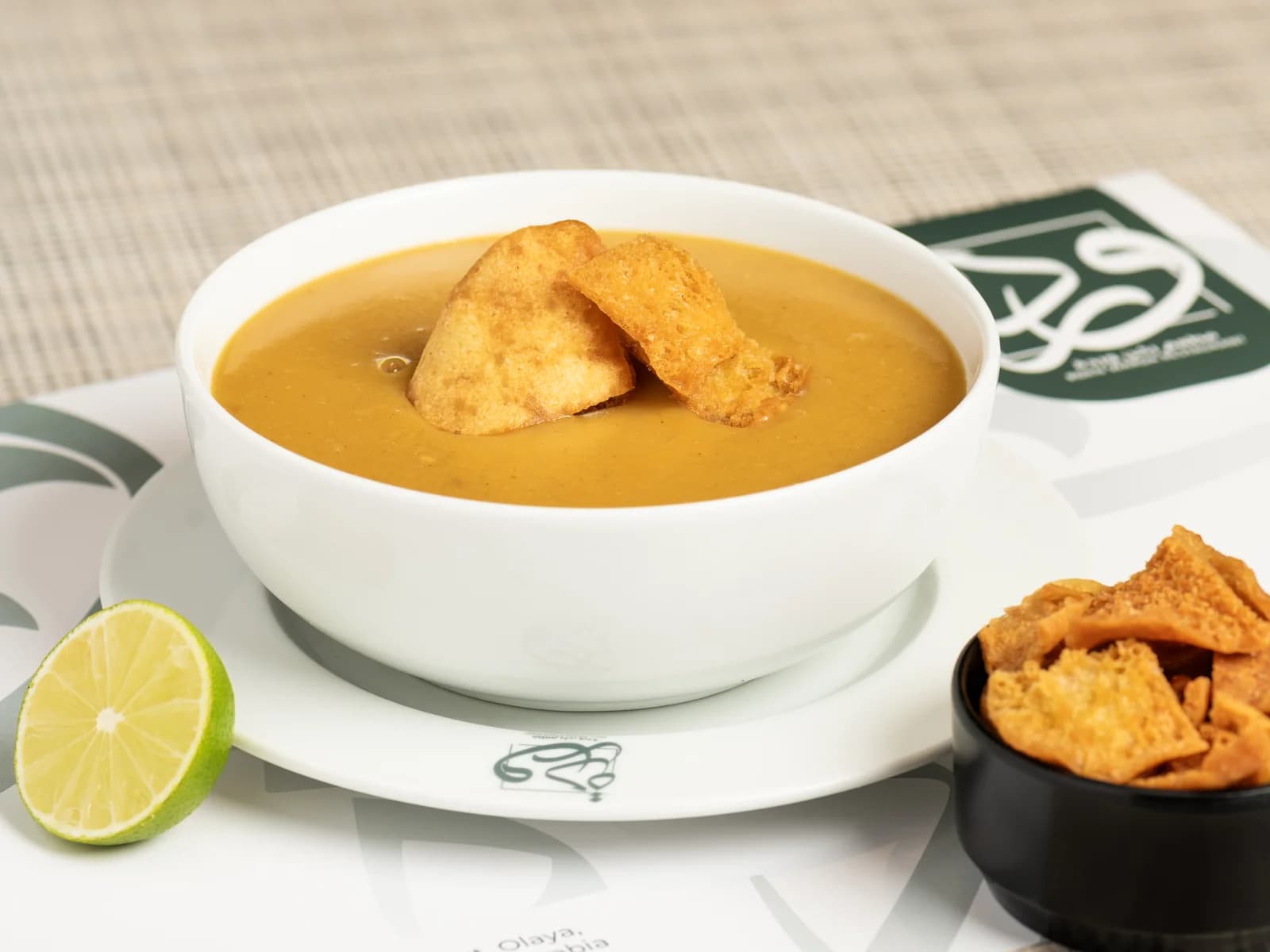
- Lentil: heavier and more filling, tied to winter and toasted bread.
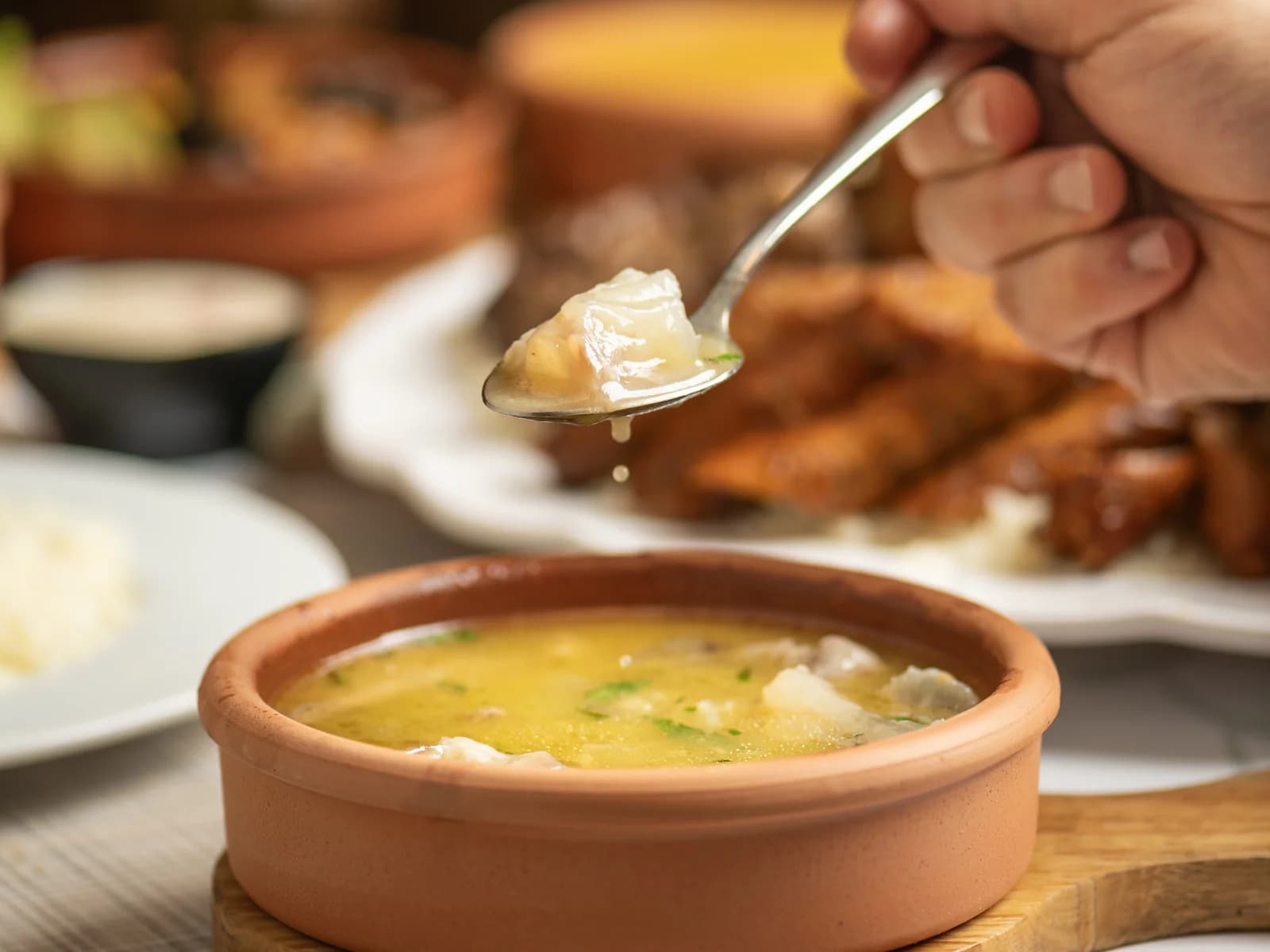
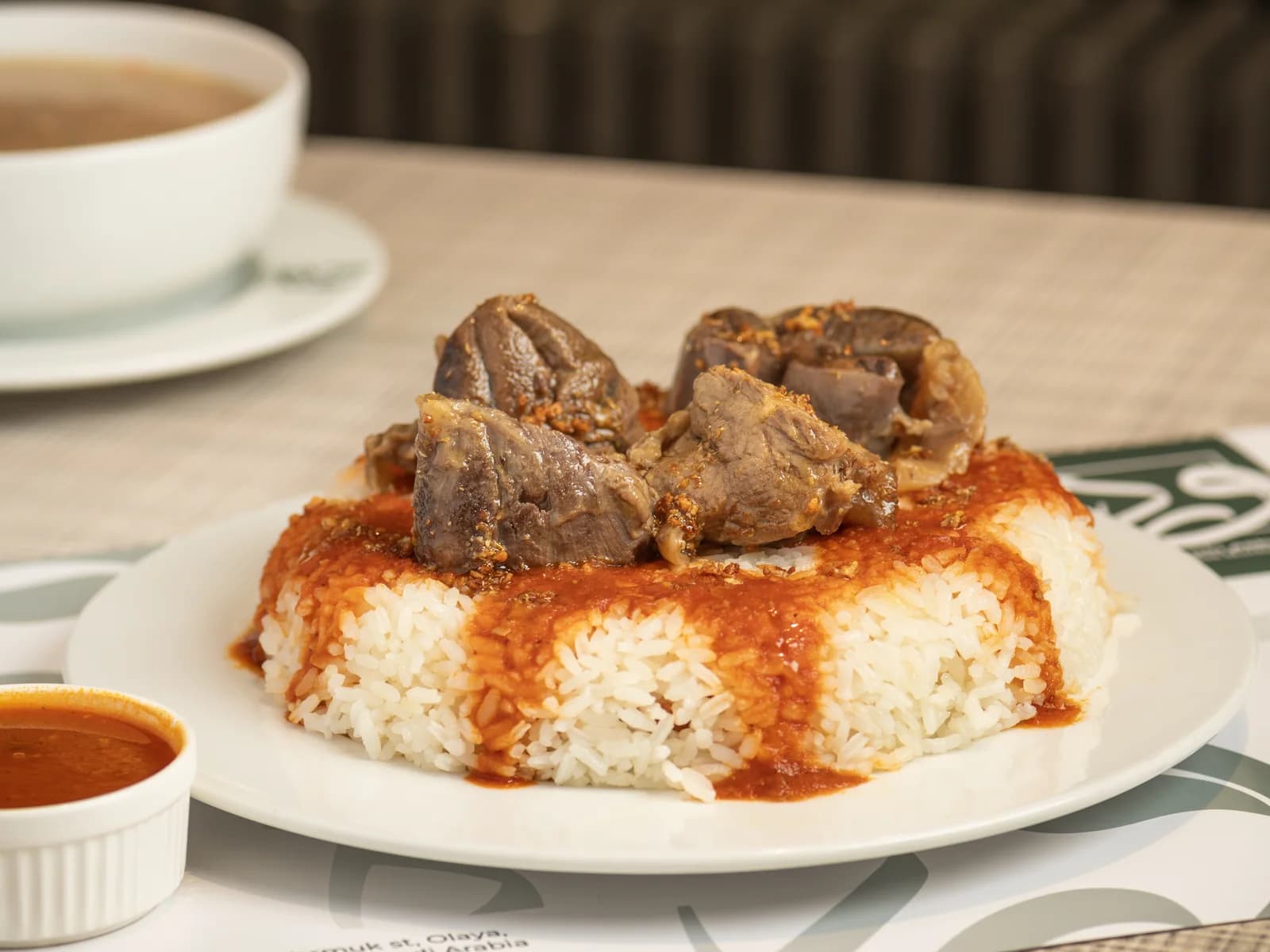
- Trotters: the richest and heartiest, for lovers of substantial dishes.
If you cannot decide, read our full guide: Orzo, lentil or trotters soup?.
How to enjoy it more
- A squeeze of lemon before you start opens up the flavour.
- A pinch of black pepper if you like a stronger taste.
- Eat it hot, because the pasta soaks up the broth if it waits too long.
Frequently asked questions
What is lesan asfour? A kind of very small pasta whose grains look like rice, called "orzo" in other countries.
Why is it called "bird's tongue"? It is said the name comes from the small, pointed grain that resembles a bird's tongue, but there is no confirmed story of the name's origin.
What broth is lesan asfour soup made with? Usually meat or chicken broth, and some homes add a little tomato paste.
What is the difference between lesan asfour and vermicelli? Both are small pasta, but vermicelli is thin broken strands, while lesan asfour is small grains that look like rice. Vermicelli is better known in rice, lesan asfour in soup.
When is it served? Mostly at the start of the meal, and often in winter, at Ramadan iftar and at family feasts.
Is lesan asfour soup available at Rokn Warda? Yes, orzo soup is on Rokn Warda's menu.
Start your table with lesan asfour in Al Khobar
Lesan asfour soup is the warm beginning that says Egyptian food is on its way. If you would like to start your meal with it in Al Khobar, at Rokn Warda on Al Yarmouk Street we have orzo soup, and if you would like to try others there is also lentil soup and trotters soup. After the soup, carry on with an Egyptian dish such as a molokhia casserole or beef fatteh. Browse the full menu, and book your table if you are coming with family.