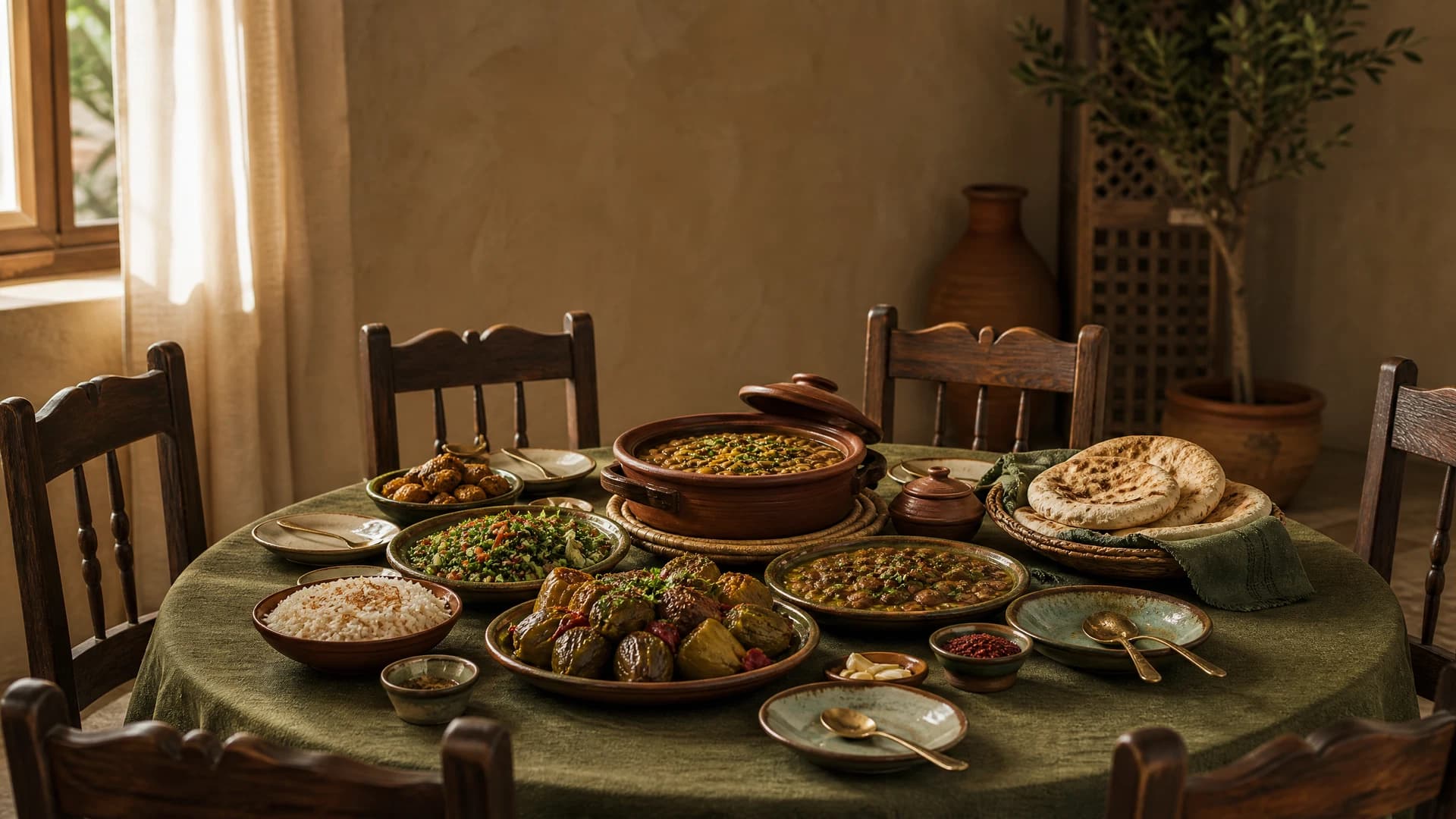
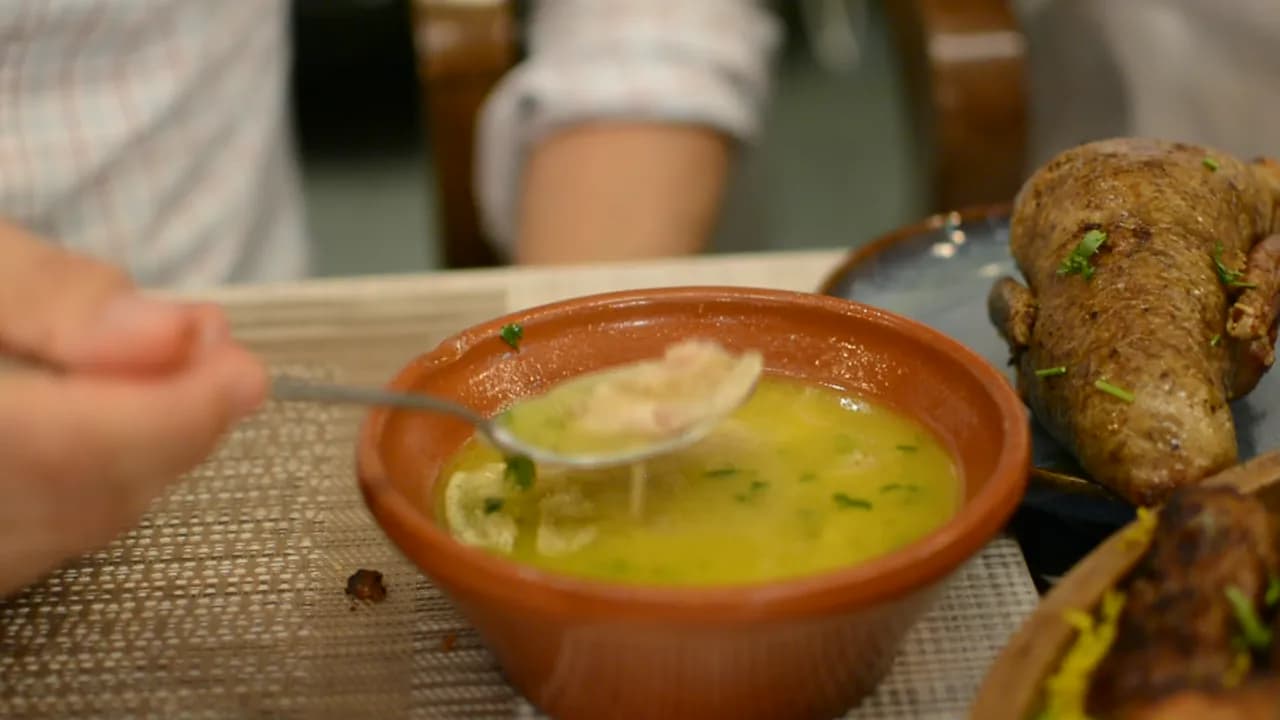
Visit a home in Upper Egypt in winter and you may be served a creamy white dish, somewhere between a soup and a pudding in looks, topped with golden fried onions and accompanied by sun bread. Take the first spoonful and you find a gently sour taste with a warm broth. This is Saidi kishk, a dish from the south of Egypt that many people in the north have never tasted, and one of the strangest dishes in visitors' eyes.
Note that Saidi kishk is not the Levantine kishk many people in the Gulf and the Levant know from manakish and soup. The two are relatives, but each has its own character. In this article we explain what Saidi kishk is, how it is made at home, how it is cooked, and how it differs from Levantine kishk.
What is Saidi kishk?
Saidi kishk is a mixture of laban rayeb (soured, fermented milk) and wheat, left to ferment, then shaped and dried in the sun until it becomes hard white or beige pieces. These pieces are stored at home, and when it is time to cook they are soaked and cooked with broth into a creamy dish.
The word itself amuses visitors, because in Egypt "kishk" also means a small street kiosk selling newspapers and sweets. So you might hear an Egyptian say "I bought kishk" and not know whether they mean the dish or the kiosk!
How do households make kishk?
Kishk is a home food above all, and its method changes from village to village and cook to cook. What follows is a description of the custom as it is told in Upper Egypt, not a recipe.
The basic ingredients
- Wheat: usually boiled and cracked, or used already cracked; some homes use flour.
- Laban rayeb: milk left until it sets and sours.
- Salt: a little, and some homes add light spices.
The steps that recur
- The wheat is mixed with the soured milk in a large container.
- The mixture is left for a while to ferment and sour further.
- It is shaped by hand into small balls or discs.
- The pieces are spread on rooftops or in a sunny spot until completely dry.
- Once dry they are stored at home in bags or closed containers.
A well-known custom in many Upper Egyptian homes is that making kishk is a day of shared work: the women gather and shape the pieces together, and stories and laughter fill the day.
Why is it dried?
The core idea of kishk is preservation: before refrigerators, drying milk and wheat was a way to keep food at home for a long time, ready in winter or for any guest who arrived unexpectedly. It is the same logic as other dishes such as mish and feseekh. Today some people buy ready-dried kishk at markets instead of making it at home, but many families still feel homemade kishk has a taste of its own.
How is kishk cooked?
When the lady of the house decides to make kishk, the method known in many homes goes like this:
- The dried kishk pieces are soaked in water or milk until soft.
- They are mashed or blended into a smooth mixture.
- Onions are fried in ghee, with some set aside for garnish.
- The mixture goes into chicken broth or meat broth and is stirred over the heat until it thickens and turns creamy.
- It is ladled into bowls and topped with fried onions, and sometimes pieces of boiled or browned chicken.
What does it taste like?
Kishk has a gently sour taste from the soured milk, depth from the broth, and the sweetness of fried onions to balance it. Its texture lies between a thick soup and a cream, and it is eaten hot with a spoon or with bread.
What is it eaten with?
- Eish shamsi (sun bread), the famous bread of Upper Egypt. Read The story of baladi bread.
- Chicken, boiled or browned, beside it or on top.
- Pickles or green onions on the side in some homes.
Kishk in the life of Upper Egypt
For many Upper Egyptian families kishk is a winter dish, because it is hot, filling and warming. It is also served at feasts, and it is said that a guest for whom an Upper Egyptian home makes kishk is a treasured guest. Some families send kishk as a gift to their children living in Cairo or abroad, so the taste of home stays with them.
Upper Egypt has many dishes that differ from the north; we told some of them in A journey through Egypt's regional food.
Saidi kishk and Levantine kishk: relatives, not twins
Both come from the same old idea known across the whole region: preserving milk and wheat together. But each cuisine took the idea in its own direction:
Levantine kishk
- Usually made from bulgur with fermented milk or labneh.
- After drying it is ground into a powder.
- It is used for kishk soup, spread on manakish, and added to other dishes.
Saidi kishk
- Usually made from wheat and soured milk, and dried in pieces.
- Cooked into a creamy main dish with chicken broth and fried onions.
- More closely tied to homes and feasts in Upper Egypt.
So the two are relatives from one family, but each has its own taste and method. If you love Levantine kishk, Saidi kishk may appeal to you as a new experience in the same spirit. The same is true of other wheat dishes in the region, as we told in Egyptian freekeh and Saudi jareesh.
Why does it surprise visitors?
- The look: a creamy white dish a guest may take for a dessert or a milk soup.
- The sour taste: nobody expects a dish made with chicken broth to taste gently sour.
- The name: for many people "kishk" means something else entirely, whether the small kiosk or Levantine kishk.
Frequently asked questions
What is Saidi kishk made of? Soured milk and wheat fermented together, then shaped into pieces and dried in the sun, and cooked with broth at mealtime.
What is the difference between Saidi and Levantine kishk? Both come from the idea of preserving milk and wheat, but Levantine kishk is usually ground into a powder for soup and manakish, while Saidi kishk is cooked into a creamy dish with chicken broth and fried onions.
Why is kishk called a winter dish? Because it is eaten hot, its texture is thick and filling, and it is made from the household's dried stores, so for many Upper Egyptian families it became the dish of cold days and feasts.
Is kishk eaten hot or cold? Saidi kishk is usually eaten hot, with a spoon or with sun bread, topped with fried onions.
Does Rokn Warda serve Saidi kishk? No. Kishk belongs to Upper Egyptian home culture and is not on the Rokn Warda menu.
The warmth of an Egyptian winter on your table in Al Khobar
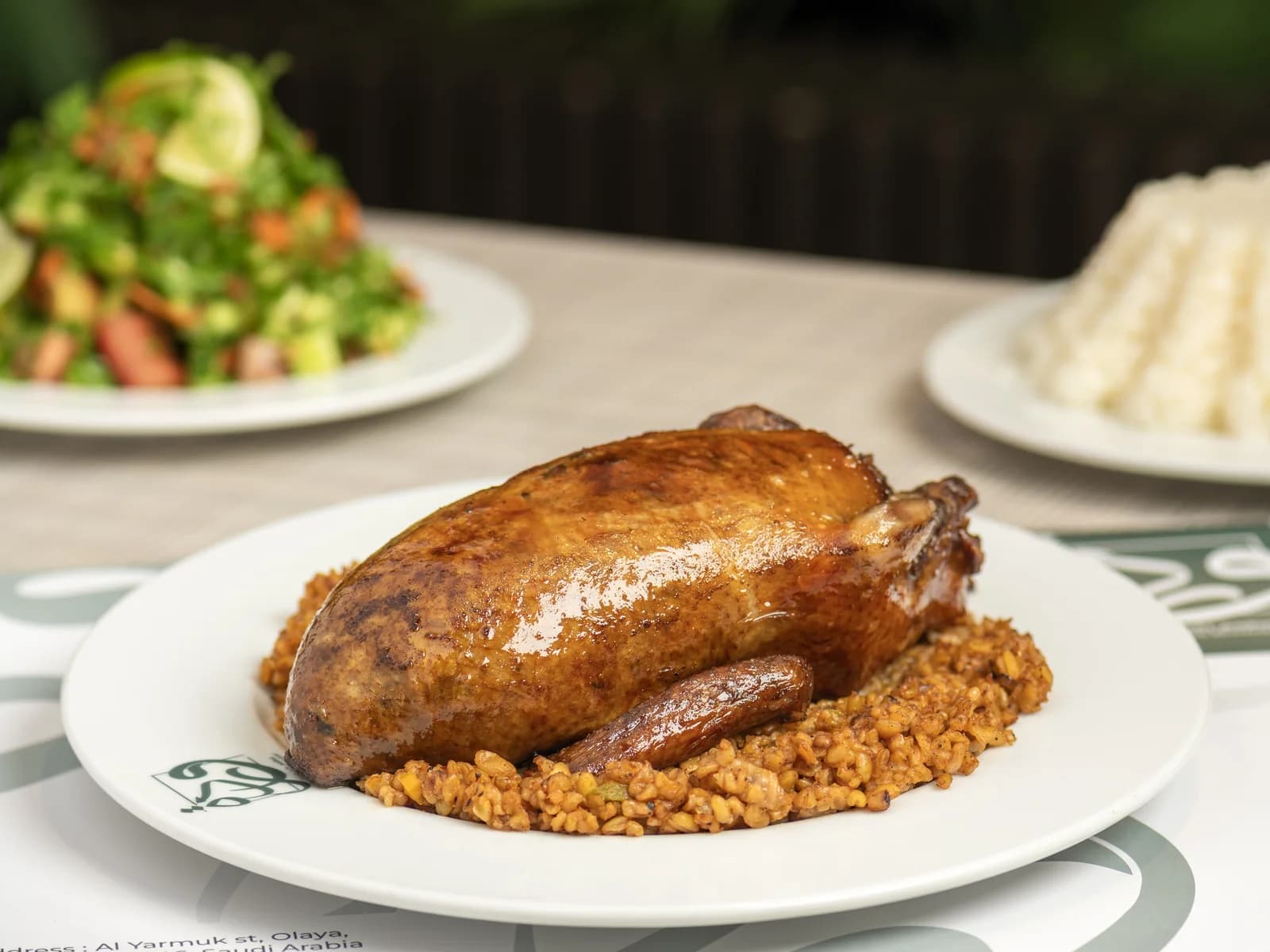
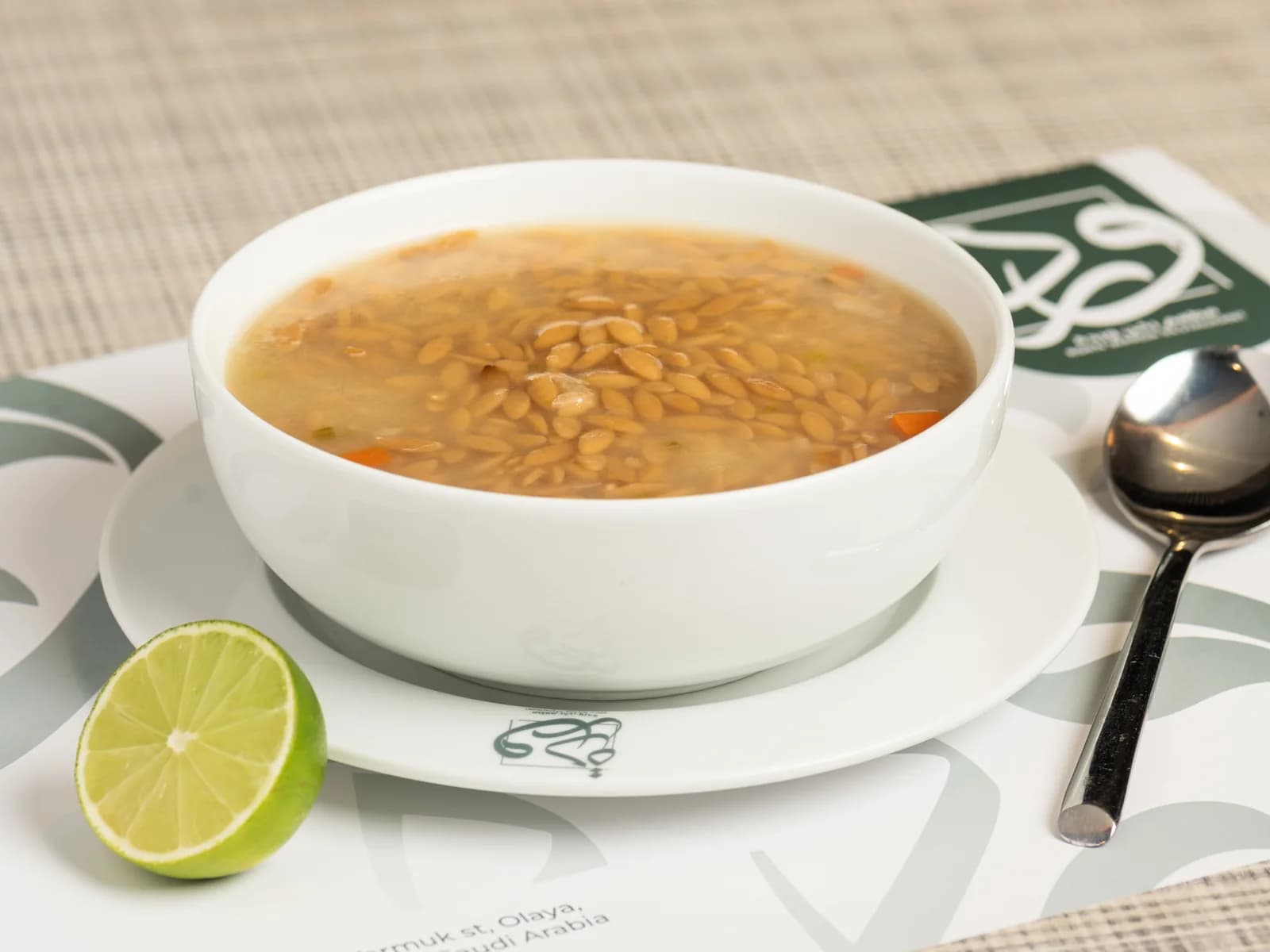
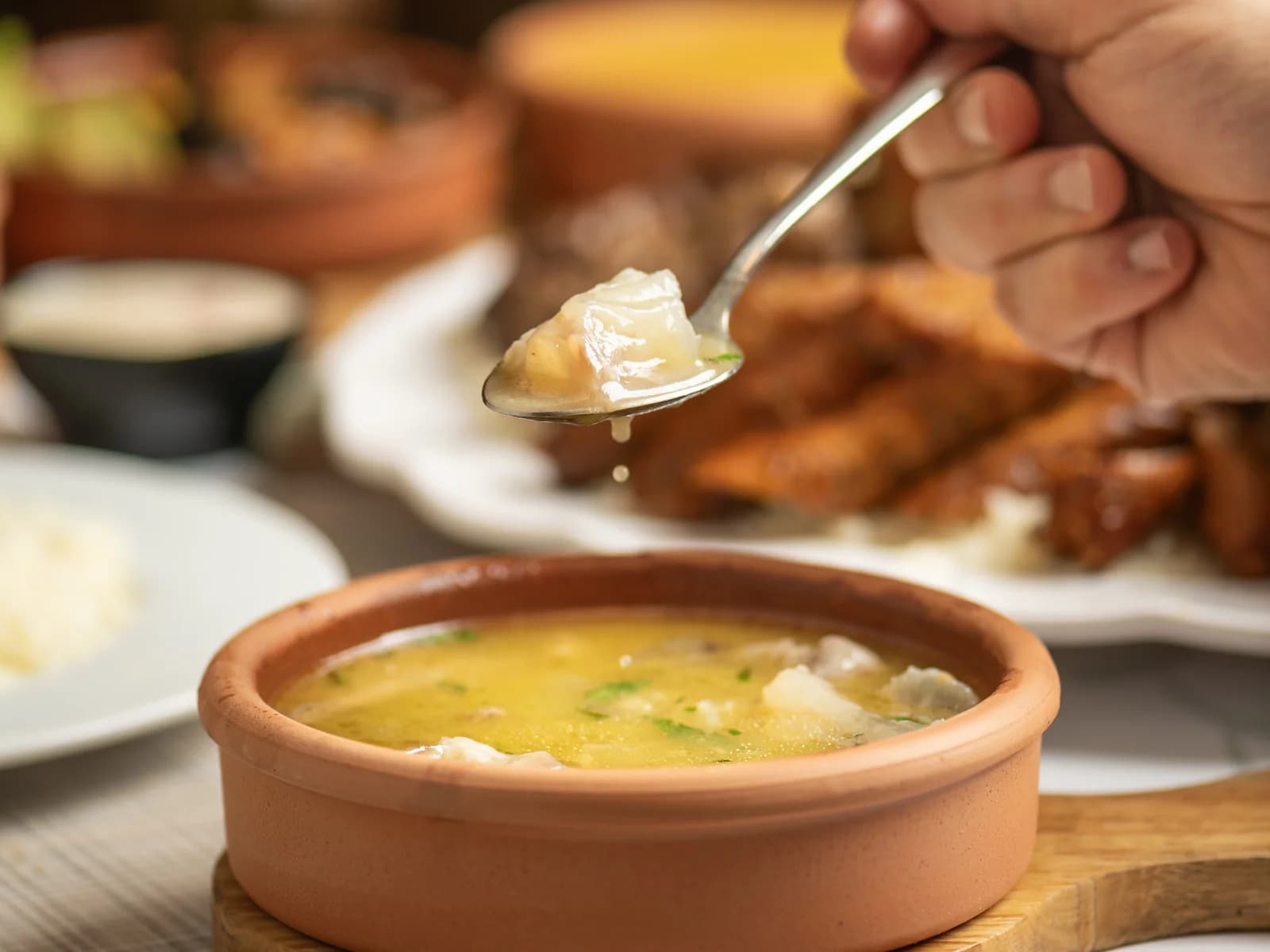
Saidi kishk is a story of rooftops, sunshine, milk, wheat and warm homes in the south. If you are craving the warmth of Egyptian food in Al Khobar, at Rokn Warda on Al Yarmouk Street we have hot soups such as lentil soup, orzo soup and trotters soup, and if you love the taste of wheat, try stuffed pigeon with freekeh or lamb shank with freekeh. Browse the menu, read Egyptian winter dishes, and book your table.