Egypt became part of the Ottoman Empire in 1517 and stayed formally tied to it for centuries, even under Muhammad Ali and his dynasty, whose ruling elite spoke Turkish. Such a long period was bound to leave a mark on the kitchen. The hard question is: what exactly came from the Ottomans?
Before answering we should be frank: Ottoman cuisine was itself a blend of many kitchens, Arab, Persian, Greek and Balkan among them. So when we find a dish in Egypt, Turkey, the Levant and Greece, we cannot always say who took it from whom. So we will go carefully.
The clearest mark: names
The easiest thing to be sure of is words, because their origin shows in the language. Here are some food names that are Turkish in origin or reached Egypt through Turkish:
| Egyptian word | Origin | Meaning |
|---|---|---|
| Basterma | Turkish pastırma | Cured beef coated in a spice and fenugreek paste |
| Shawarma | Turkish çevirme | «Turning», after the rotating spit |
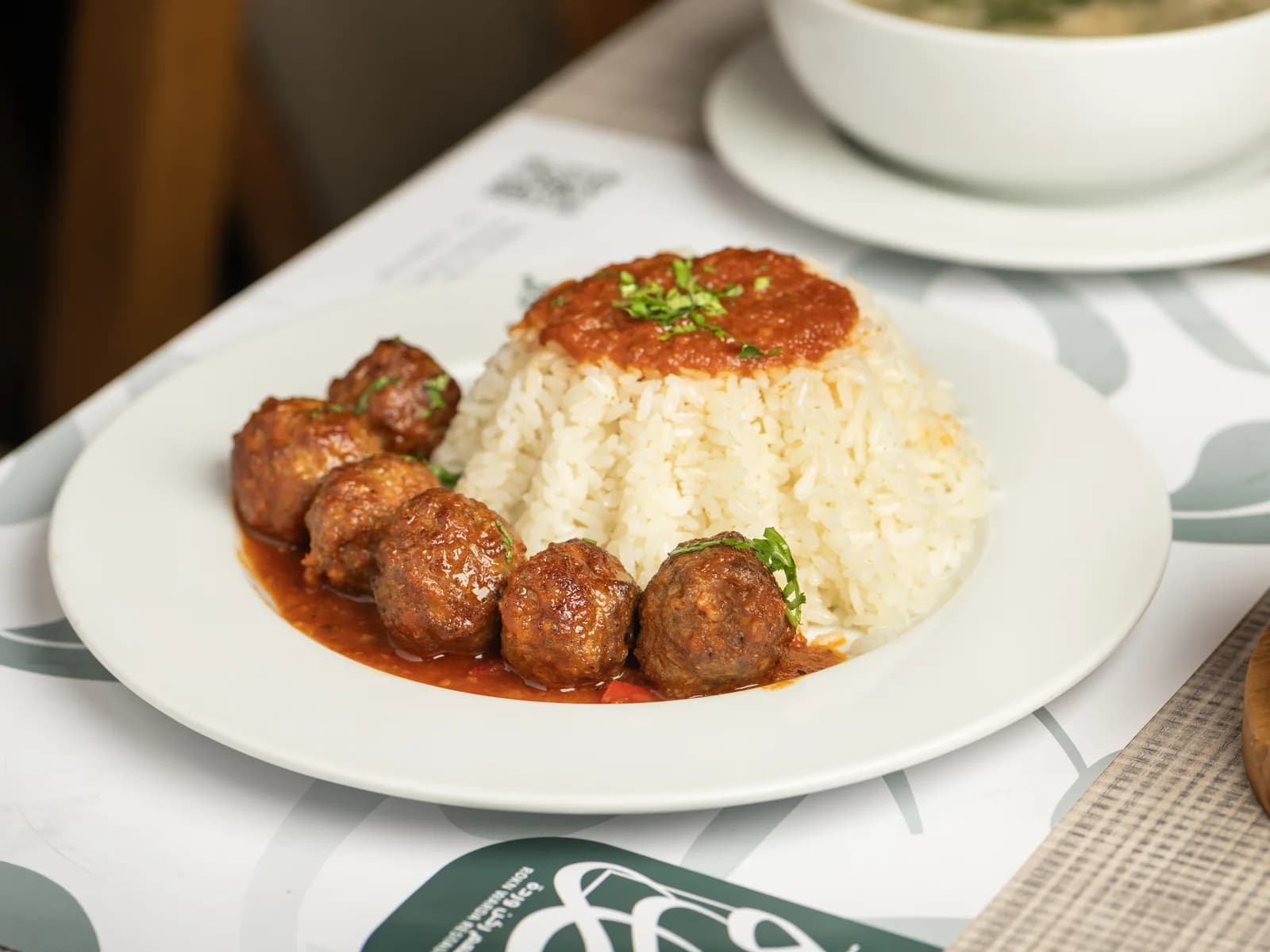
| Kofta | Turkish köfte, from Persian | Shaped minced meat |
| Dolma | Turkish dolma | «Stuffed», from a verb meaning «to be filled» |
| Baklava | Turkish baklava | Pastry layers with nuts and syrup |
Titles such as pasha, bey and hanem are Ottoman too, and they even entered dish names, like Dawood Basha kofta. Who this «Dawood Basha» was is a popular story, not confirmed history; we told it in Dawood Basha kofta: the story of the name.
Mahshi: related, not a copy
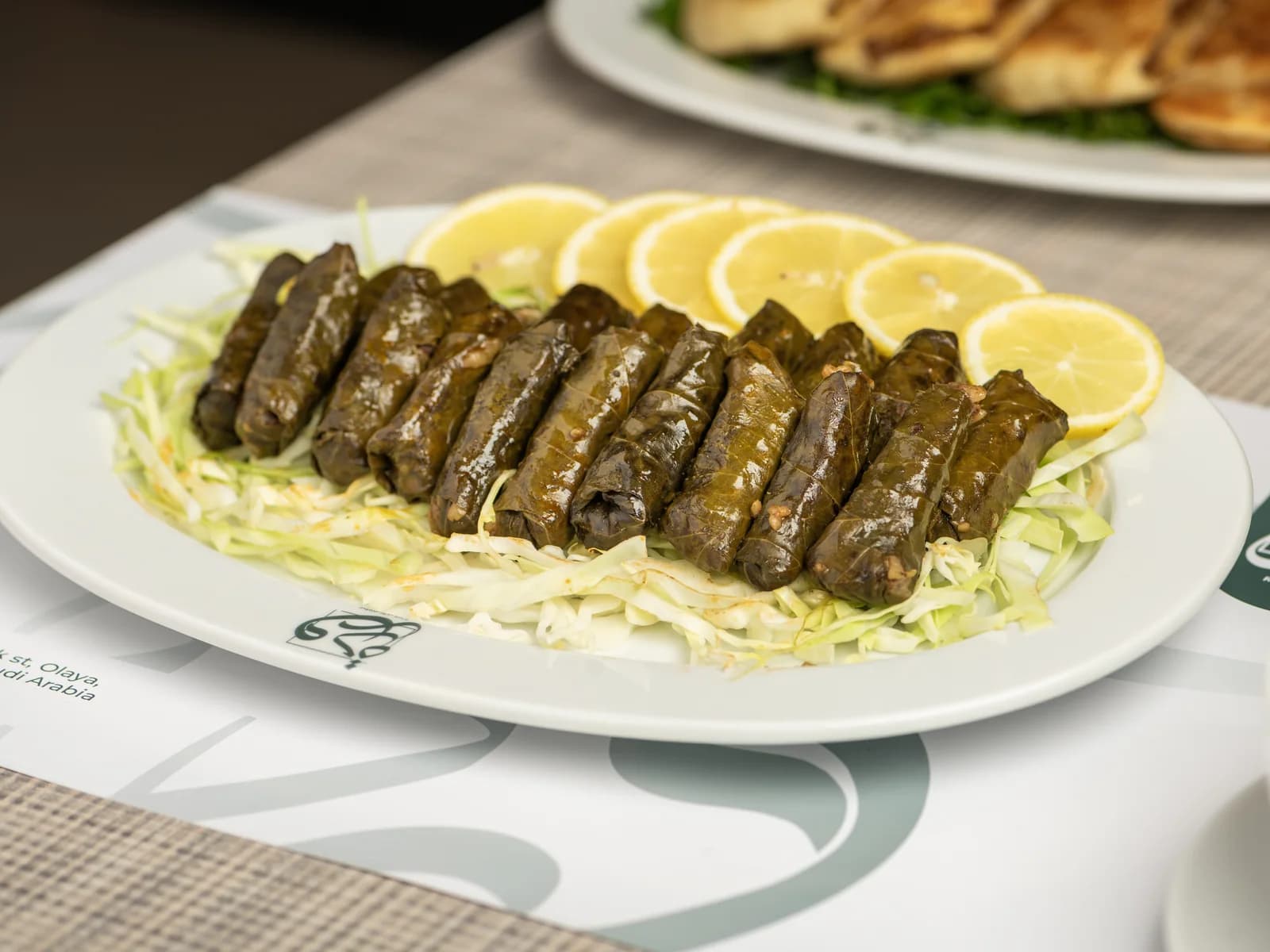
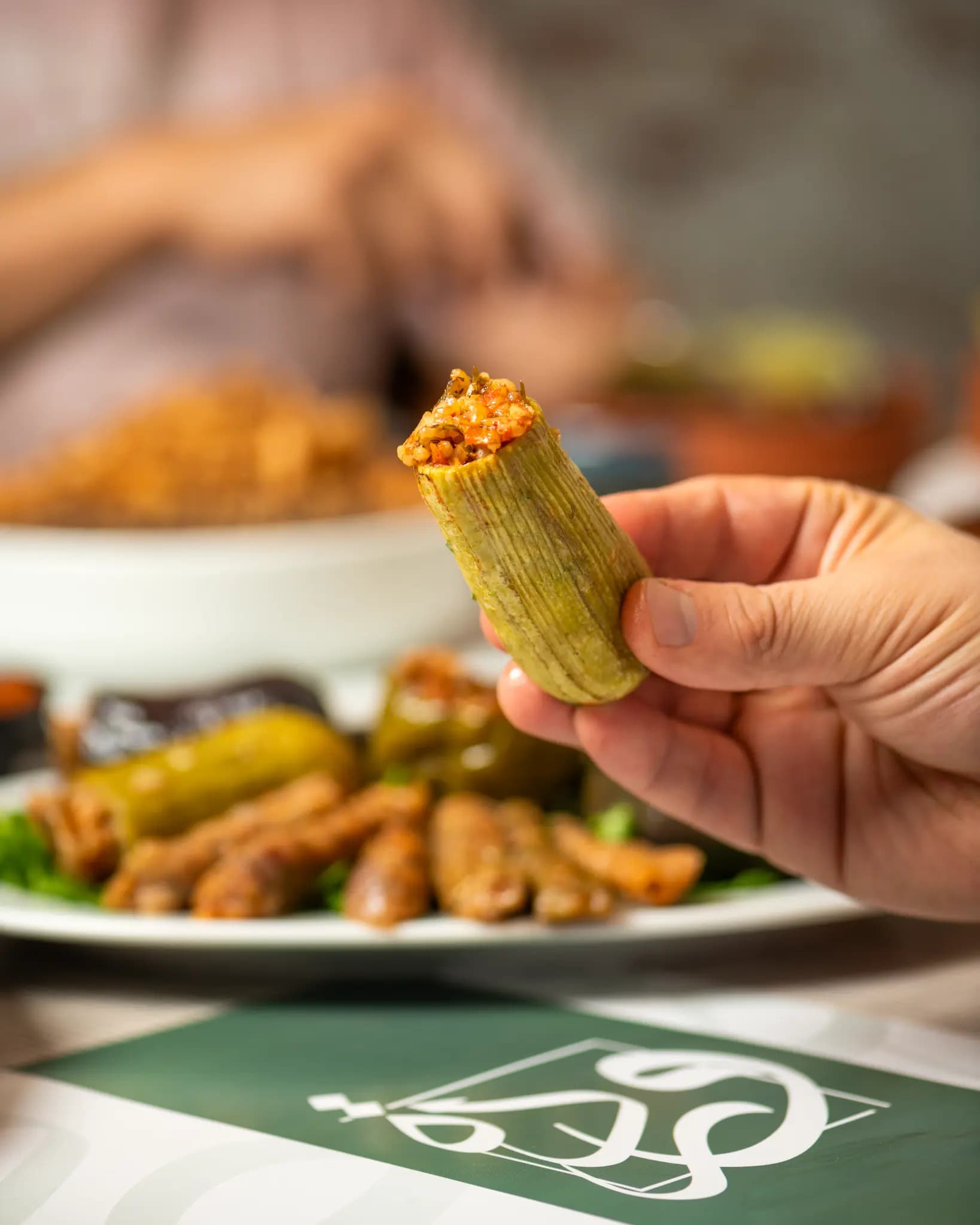
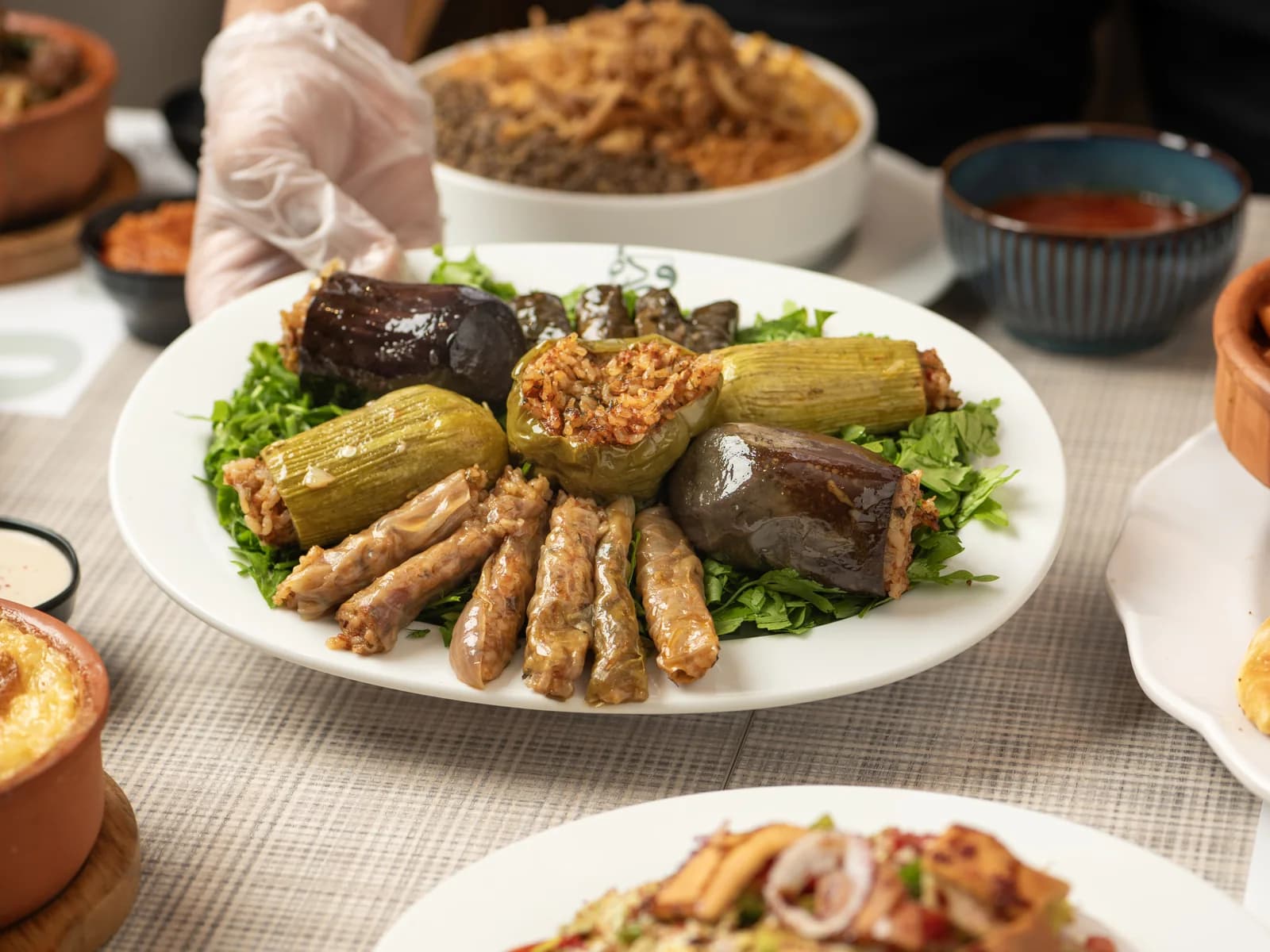
The idea of stuffing vegetables and vine leaves exists in every land once under Ottoman rule. Many writers link the spread of some kinds of stuffed vegetables to Ottoman cooking, which is plausible, but there is no decisive evidence that Egyptian mahshi came from there.
What is certain is that Egyptian mahshi has its own character: a filling of Egyptian rice with tomato and herbs (parsley, coriander and dill), and a wide range from cabbage to zucchini, aubergine, peppers and vine leaves. For the full story read mahshi in Egyptian cuisine.
Moussaka: an Arabic name that came back changed
A nice story: the word «musaqqa'a» is Arabic, meaning roughly «chilled», something eaten cold. Many dictionaries say the Greek and English name «moussaka» comes from this Arabic word via Turkish. The name travelled and came back.
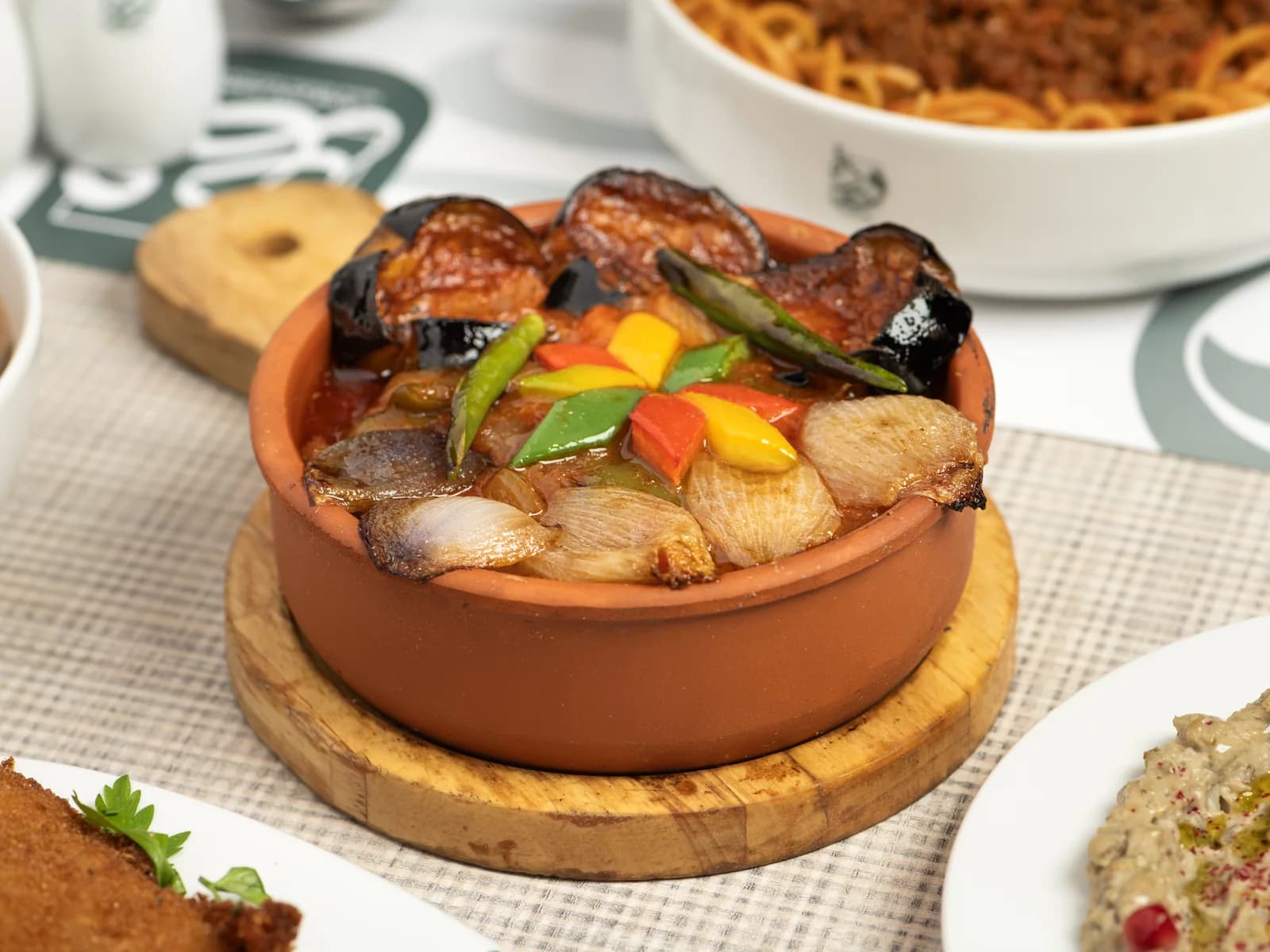
But Egyptian musaqqa'a is not Greek moussaka: the Egyptian dish is aubergine in tomato sauce, sometimes with minced meat and peppers, without béchamel.
Not everything is Ottoman
It would be wrong to credit everything to the Ottomans. Some dishes are clearly Egyptian or came from other directions:
- Molokhia, ful and baladi bread: their roots are ancient Egyptian or Arab. Read Egyptian molokhia: the history of the dish.
- Macaroni béchamel: closer to Italian and French influence of the nineteenth and twentieth centuries.
- Tomatoes themselves spread in Egyptian cooking in the nineteenth century.
And coffee?
Egyptians still say «Turkish coffee». Coffee spread in Cairo around the sixteenth century, roughly as the Ottoman era began, and originally came from Yemen. Coffeehouses have been part of the city ever since.
How to tell «influence» from «resemblance»
When you read that a dish is «Ottoman in origin» or «pharaonic in origin», ask a few questions:
- The name: is the word really Turkish in origin? That is the strongest evidence we have.
- The ingredients: did they exist in Egypt at the time? Any dish with tomatoes, for example, cannot be very old in its current form.
- The spread: is the dish found across the Ottoman lands, or only in Egypt?
- The source: does the claim come from a history book, or from «people say»?
This way you will find that many dishes are relatives in one big family of cuisines, not «copied» from one place to another.
In short
The Ottomans left Egypt clear names, and ways of shaping minced meat and stuffing vegetables that resemble those across their lands. But Egyptian cooking took these and made them Egyptian: with Egyptian rice, the taqleya, tomatoes and slow cooking in the clay casserole.
From the story to your table at Rokn Warda
At Rokn Warda in Al Khobar you will find mixed mahshi (cabbage, vine leaves, peppers, zucchini and aubergine the Egyptian way), stuffed grape leaves, Dawood Basha kofta in tomato sauce with rice, minced meat moussaka casserole, and charcoal-grilled kofta. Order from the menu for delivery in Al Khobar and Dammam.
Read more in grills in Egypt: from kebab and kofta.