Egyptian hawawshi is a dish you recognise by its smell before you see it: crisp baladi bread outside and seasoned meat melting in its own fat inside. In Saudi Arabia it has become one of the Egyptian street foods Egyptians look for when they miss the taste of home, and many non-Egyptians have come to know it as a quick, filling meal.
In this article we talk about the secret of the seasoning as Egyptian homes make it, the best-known kinds of hawawshi people make, the difference between oven and griddle, and then the hawawshi on Rokn Warda's menu.
Hawawshi in two lines
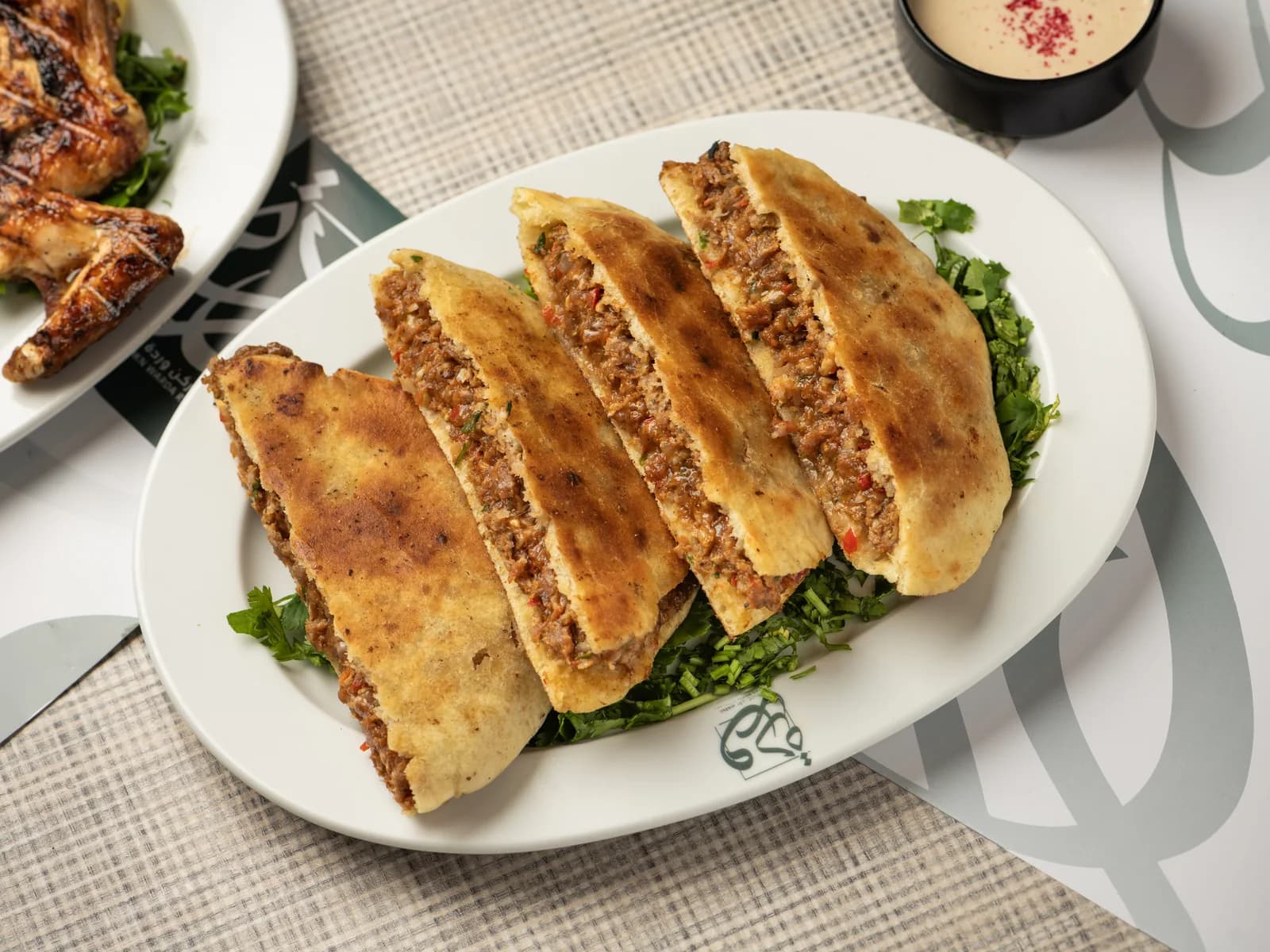
A round of baladi bread is opened from the side, stuffed with raw minced meat seasoned with onion, pepper and spices, and goes into the oven or onto a griddle until the meat cooks inside and the bread turns crisp. The story of its name and the butcher said to have made it first is a popular tale, not documented history; we wrote about it in Egyptian street food.
The classic seasoning: the way it is common in Egyptian homes
Let us be frank: there is no single «original» hawawshi recipe. Every home and every shop has its own mix. But there is a base that recurs in most Egyptian homes, and that is what we describe here as a common home method, not our kitchen's recipe.
| Ingredient | Its role in hawawshi |
|---|---|
| Minced meat with some fat | The fat melts and soaks into the bread, so it is soft inside and crisp outside |
| Finely chopped or grated onion | Flavour and sweetness; some squeeze out its juice so the bread does not go soggy |
| Bell or green pepper | Aroma and colour, plus hot pepper for those who like heat |
| Parsley | Freshness |
| Spices | Salt, black pepper, cumin and mixed spices; some homes add a pinch of cardamom or nutmeg |
| Some homes' additions | A spoon of tomato paste, chilli or garlic |
To learn more about the spices behind «the Egyptian taste», read Egyptian spices.
Secrets people who make it often share
- The filling goes in raw in the common method and cooks inside the bread, so its juices stay there.
- Do not overfill the bread: a medium layer cooks well, a thick one stays raw in the middle.
- Brush the outside of the bread with a little oil or ghee for crispness and colour.
- Slightly day-old bread holds the filling better than very soft bread.
- Let it rest a minute before cutting, so the juices do not all run onto the plate.
Oven, griddle or charcoal?
| Method | Result |
|---|---|
| Oven | Even cooking and good crispness, the easiest at home |
| Griddle or pan | Crisper, but needs turning and a heat that is not too high |
| Charcoal grilling | A distinct grilled aroma; some shops in Egypt do this |
The best-known kinds of hawawshi
These names are common in everyday Egyptian speech, but they are not an official classification; details vary from home to home and shop to shop.
Hawawshi in baladi bread
The classic form most people know: a baladi loaf and seasoned meat. Simple and filling, and the base the other kinds come from. For the story of the loaf itself, read baladi bread.
«Alexandrian» hawawshi
This name is used for more than one thing: in many places it means hawawshi made with a dough that is rolled out, filled and closed instead of a baladi loaf, so it comes out thinner and crisper. The name is not fixed, so if you order it somewhere, ask how it is made.
Hawawshi with cheese
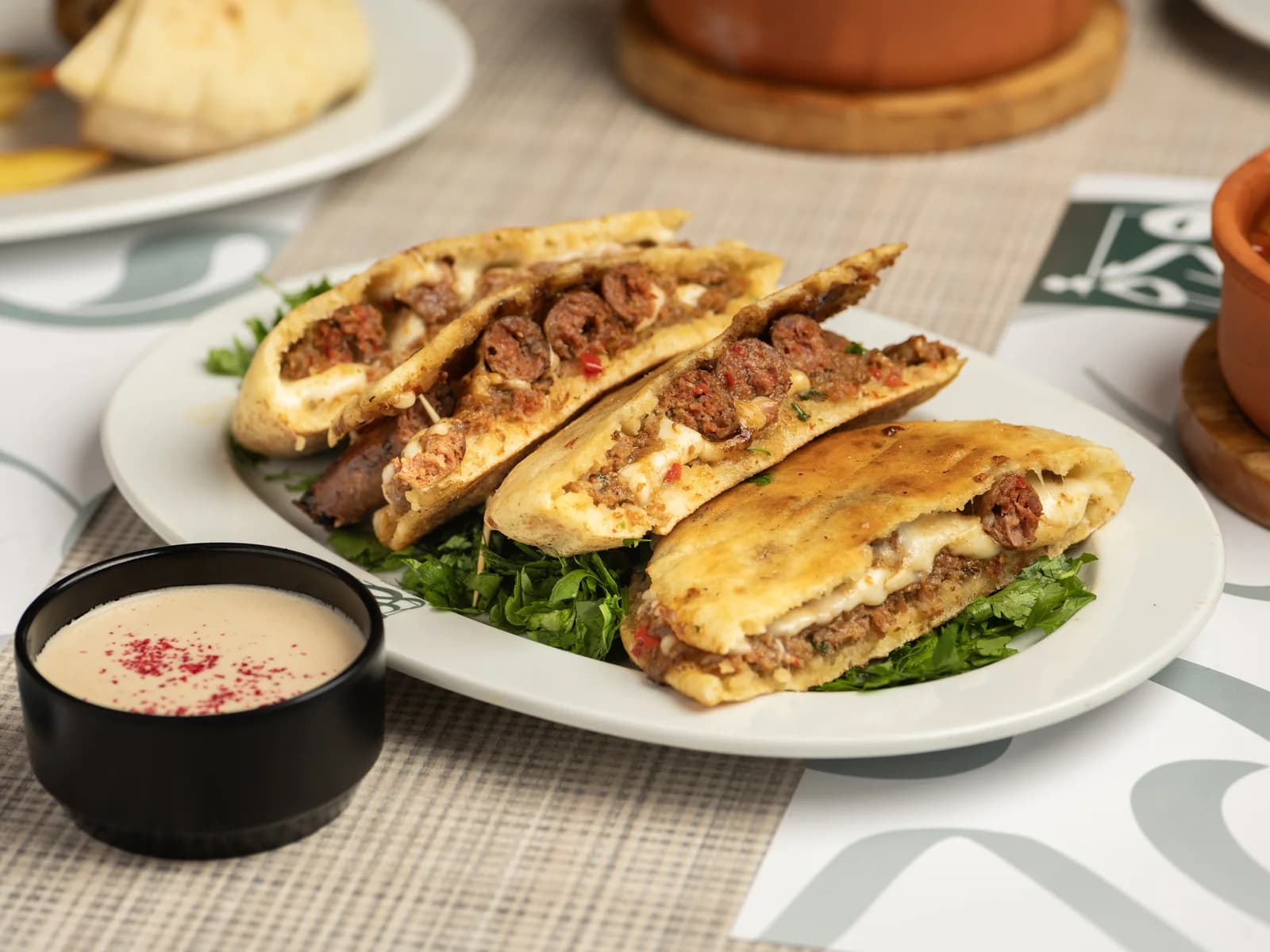
Seasoned meat with melting cheese, usually mozzarella or rumi. The cheese gives a softer taste and children often love it.
Sausage hawawshi
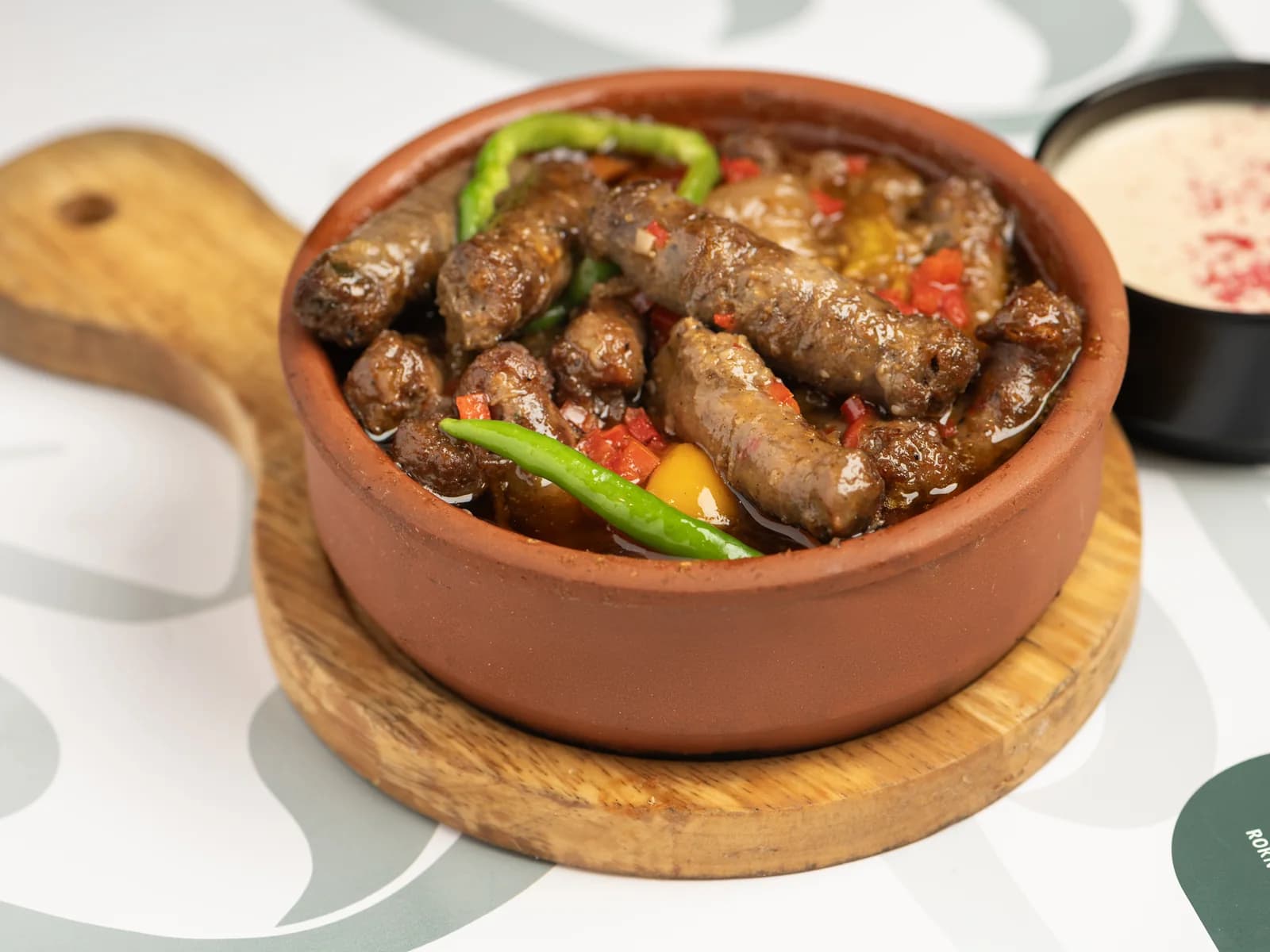
Sausage goes in with the meat or instead of it, for a bolder, spicier taste.
Chicken hawawshi
A lighter version many people make at home: minced chicken or small pieces in the same spirit of seasoning.
What to eat it with
In Egypt hawawshi is usually eaten with pickles and green salad, some like tahini beside it, and a cold drink. It works as a quick meal in the middle of the day, or with friends during a match.
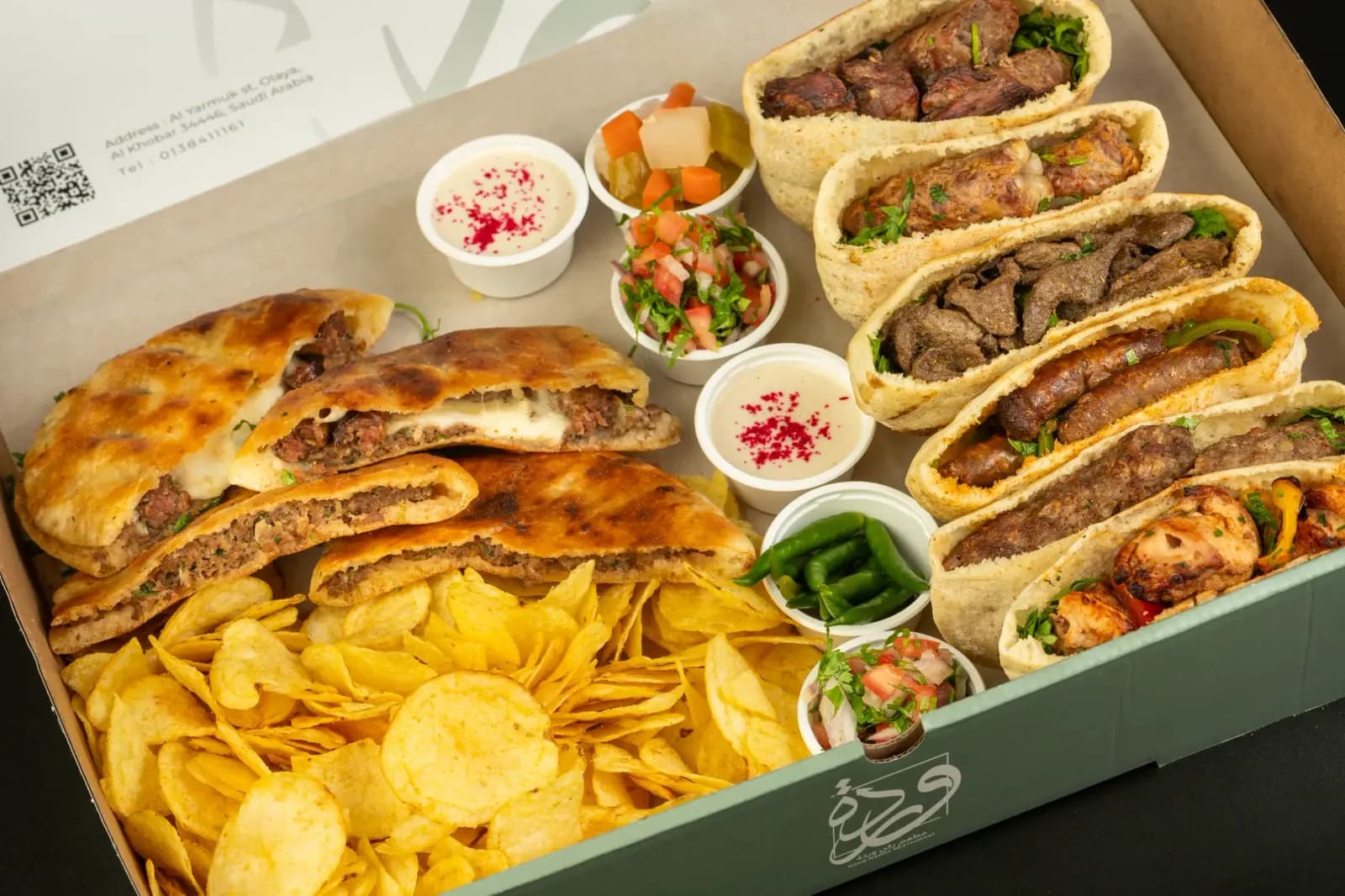
Hawawshi on Rokn Warda's menu
At Rokn Warda in Al Khobar you will find two kinds, described here as the menu describes them:
- Meat hawawshi: baladi bread stuffed with seasoned meat, onion and pepper, grilled until crisp.
- Sausage hawawshi: baladi bread stuffed with meat, sausage, pepper and mozzarella.
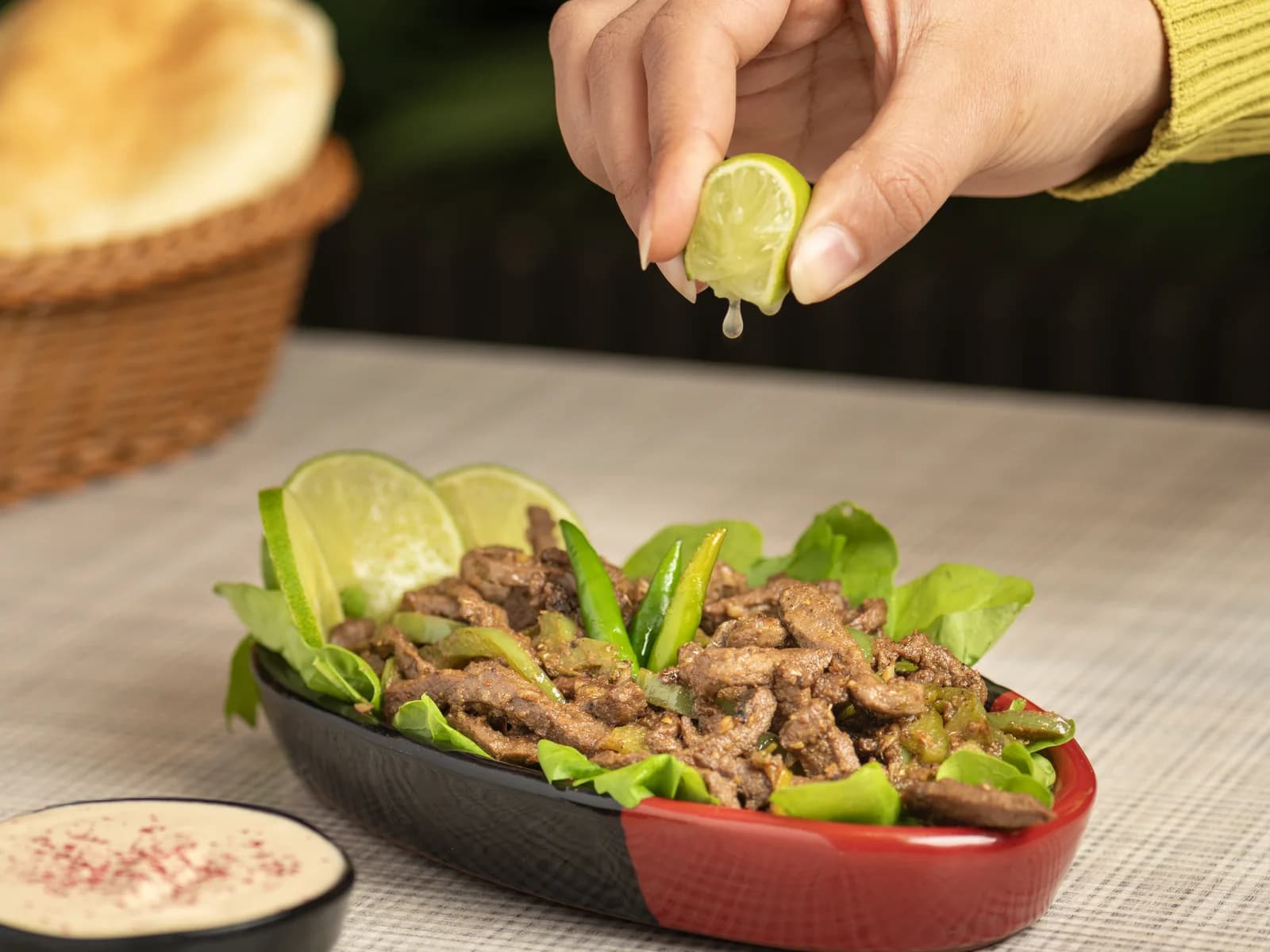
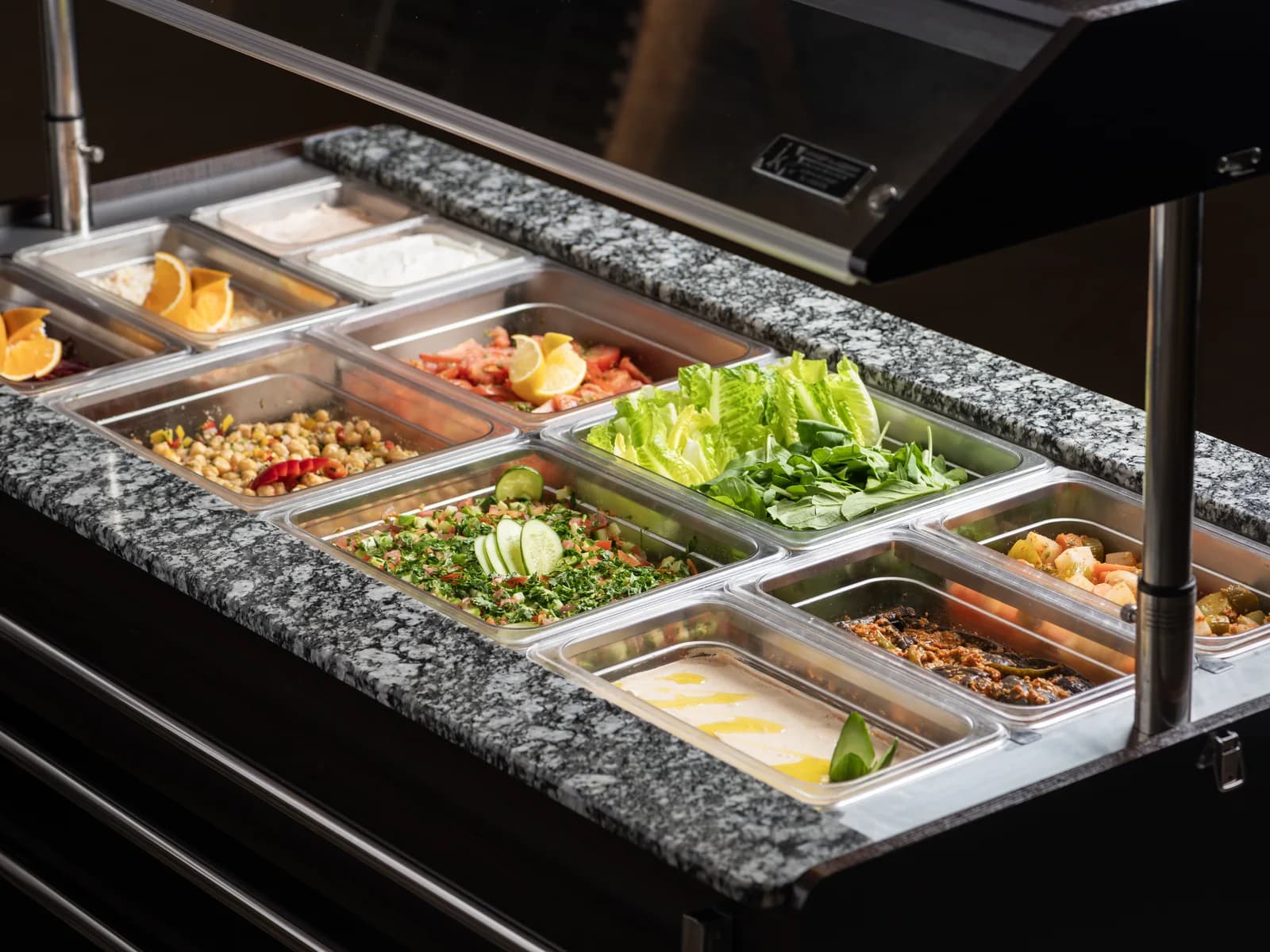
Our meat arrives fresh, never frozen. Beside it you can have the salad buffet and pick vegetables, sauces and Egyptian pickles to your taste, and if you like spicy street food also try the Alexandrian liver. We have a page with the details of hawawshi at the restaurant itself: Egyptian hawawshi in Al Khobar.
Common questions
Is the original hawawshi made with baladi bread or with dough? Both are common in Egypt. The best-known and oldest in people's minds is in baladi bread; the dough is another version found in many places.
Why does hawawshi come out raw inside or dry? Usually because of the amount of filling or the heat: a thick filling over high heat burns the bread before the meat cooks, and a thin filling without fat comes out dry.
What is in Rokn Warda's sausage hawawshi? As the menu says: baladi bread stuffed with meat, sausage, pepper and mozzarella.
Do you deliver to Dammam? Yes, delivery from our website covers districts of Al Khobar and Dammam, the available districts show as you order, and we are also on HungerStation, Keeta and Ninja.
Order it, or come and eat it hot
Order hawawshi from the menu for delivery in Al Khobar and Dammam, track your order and pay on delivery. If you would rather eat it hot from the oven with friends, come to our dining room in Al Khobar, which has screens for matches: where to watch matches in Al Khobar. And to see hawawshi among the rest of Egypt's famous food, read the most famous Egyptian dishes in Saudi Arabia.