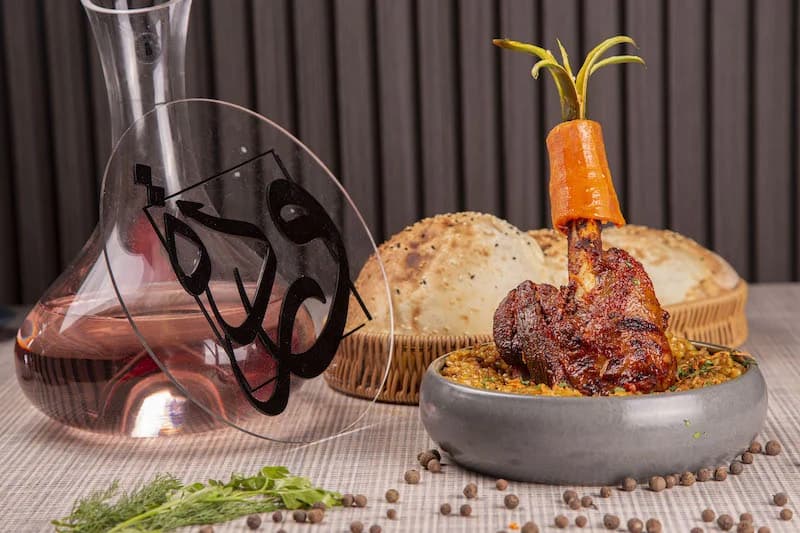
In an Egyptian home, moza (lamb shank) is not just any piece of meat. When it is set in front of a guest, the message is clear: you are dear to us. And although the shank is the same, Egyptians serve it in more than one way: on freekeh, on top of fatteh, beside rice, and straight from the oven. Each way has its own taste, feel and occasion.
In this article we explain what lamb moza is, why it needs slow cooking, and the best-known ways Egyptians serve moza and when to choose each. If you are looking for moza in Al Khobar specifically, read moza in Al Khobar, and for Ramadan invitations, Egyptian Ramadan feast dishes.
What is moza?
Moza is the lower part of the lamb's leg, meat wrapped around the bone. Egyptians use the word for beef from the same place too, but when they say «lamb moza» they mean the lamb shank on the bone, the one served whole in front of each person.
Shank meat has a lot of connective tissue and tendons around the bone, which makes it:
- Dry and tough if cooked quickly.
- Very tender if cooked slowly, until the meat comes away from the bone easily.
That is why moza in Egyptian cooking is a dish of patience: it takes its time on the fire.
How do homes cook moza?
The common way in many Egyptian homes is two steps:
- Simmering on a low heat in water with onion and spices such as cardamom and bay leaves, and in many homes mastic, until tender.
- Browning after simmering, in ghee or in the oven, so the outside gets colour and a crust.
The broth from simmering is the treasure of the dish: the freekeh or rice is cooked in it, and it is poured over the fatteh bread. This is general Egyptian home practice and every home has its own details; it is not one fixed recipe.
How do you know moza is cooked right?
- The meat comes away from the bone with a fork, without pulling.
- The outside is browned, not pale.
- The texture is tender, neither dry nor falling into stringy threads.
- The spices are there without hiding the taste of the lamb.
The best-known ways Egyptians serve moza
1. Moza with freekeh
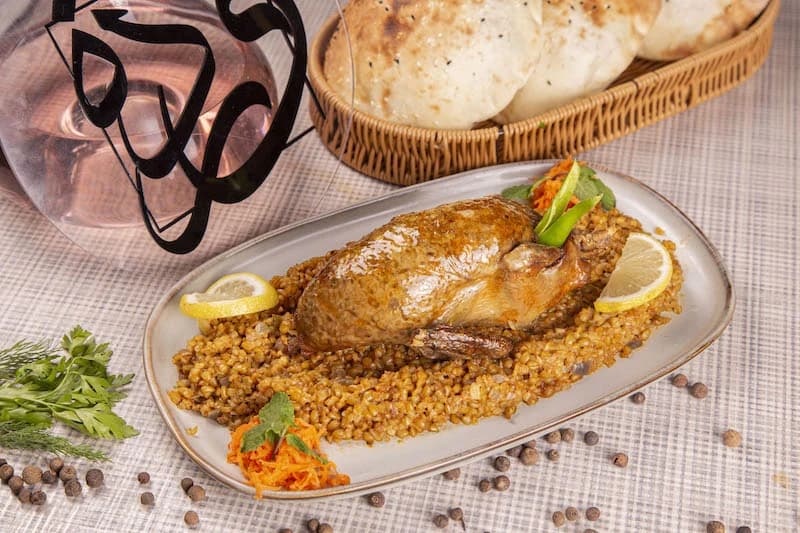
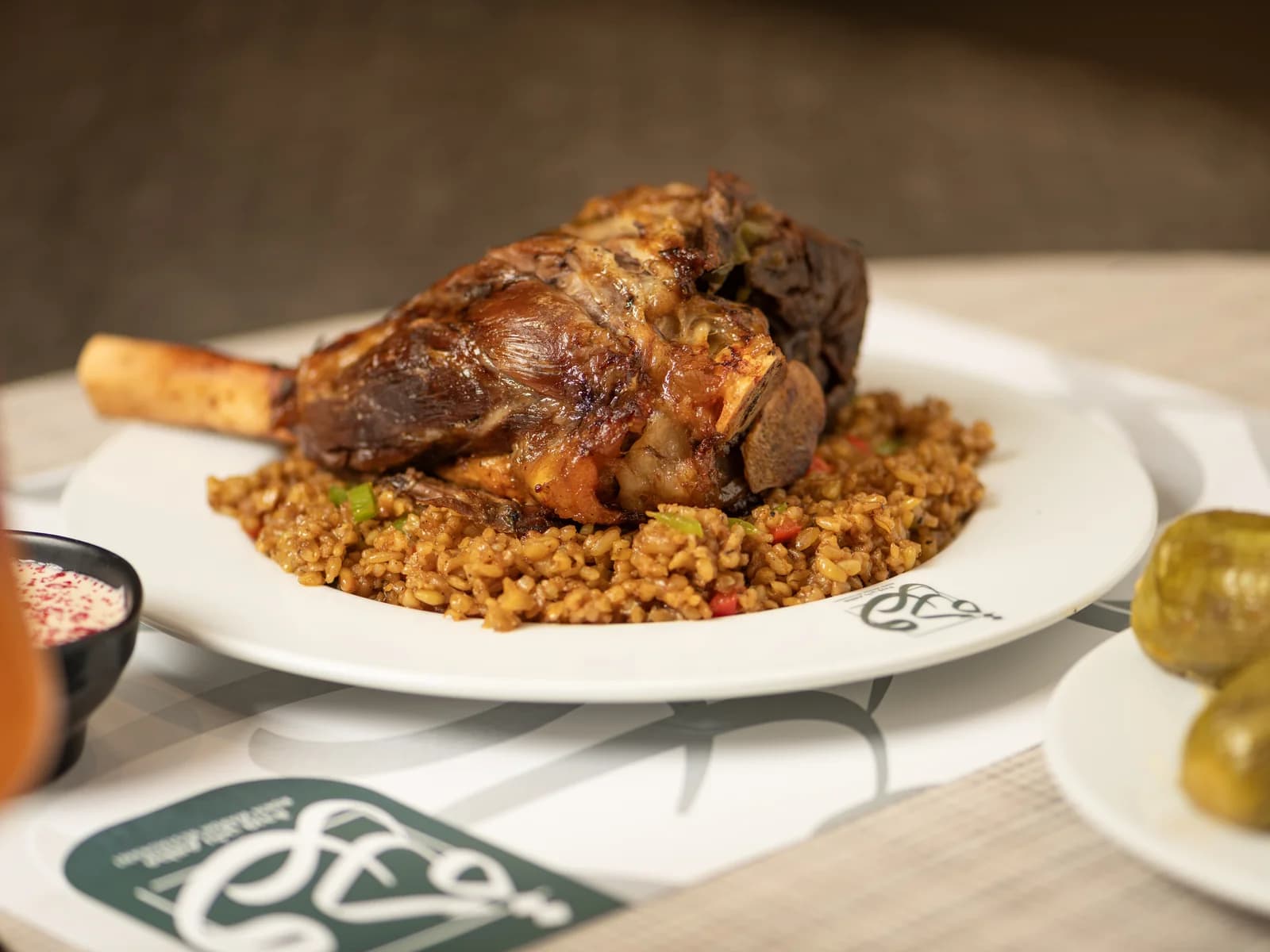
Freekeh is green wheat harvested early and roasted, with a light smoky aroma and a grainy texture. In many homes it is cooked in the moza's own broth, so it takes on the flavour of the meat, and the shank sits on top whole. This way has a clear country taste, and in Egypt freekeh is linked with stuffed pigeon too; read about it in stuffed pigeon in Al Khobar.
2. Moza on fatteh
Here the shank is the crown of the fatteh: toasted bread soaked in broth, rice on top, vinegar and garlic sauce over it, and the moza above everything. In Egypt this is linked with Eid al-Adha and large invitations. The difference between moza, beef and trotters fatteh is explained in Egyptian fatteh: its types.
3. Moza with rice
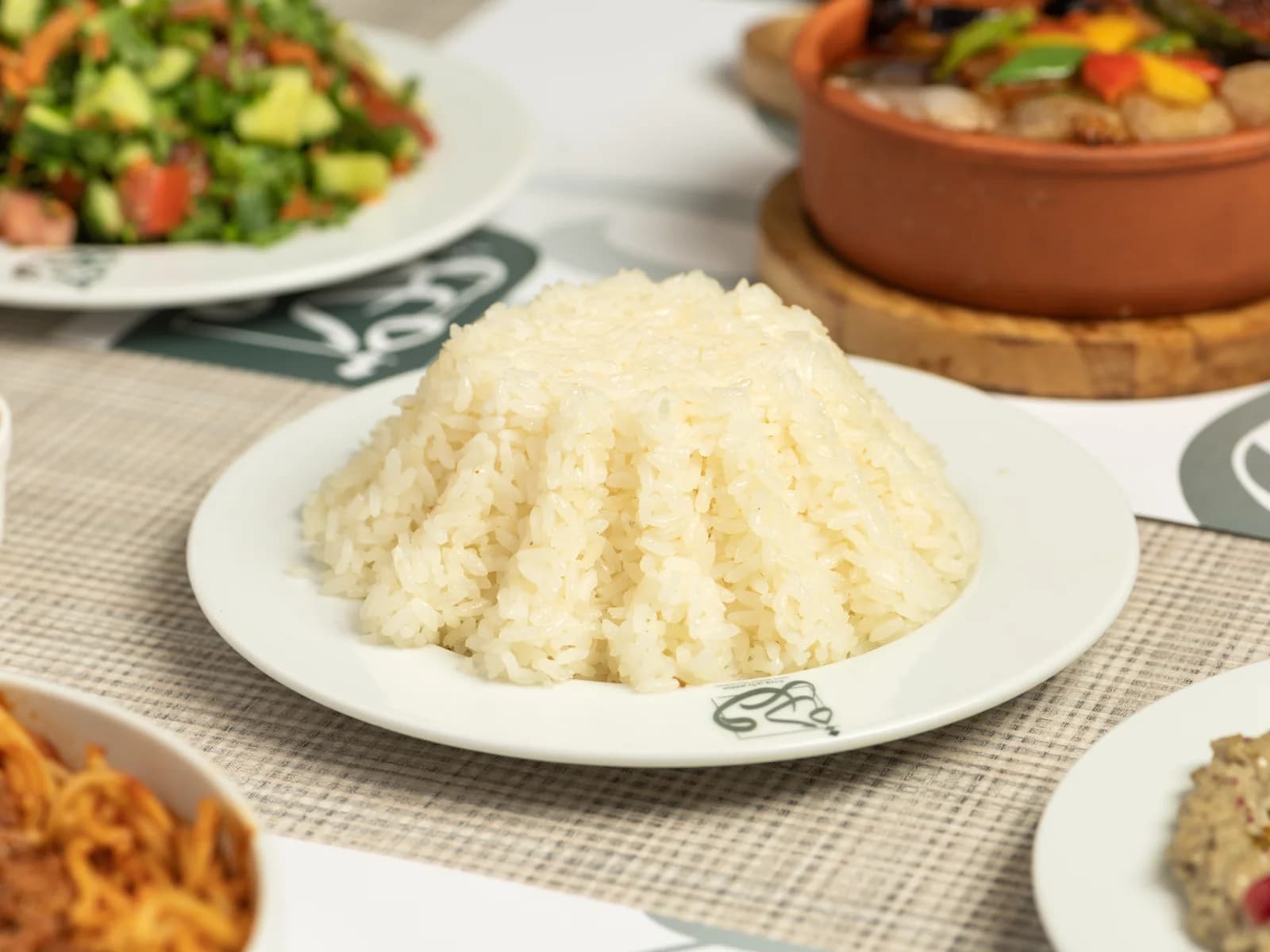
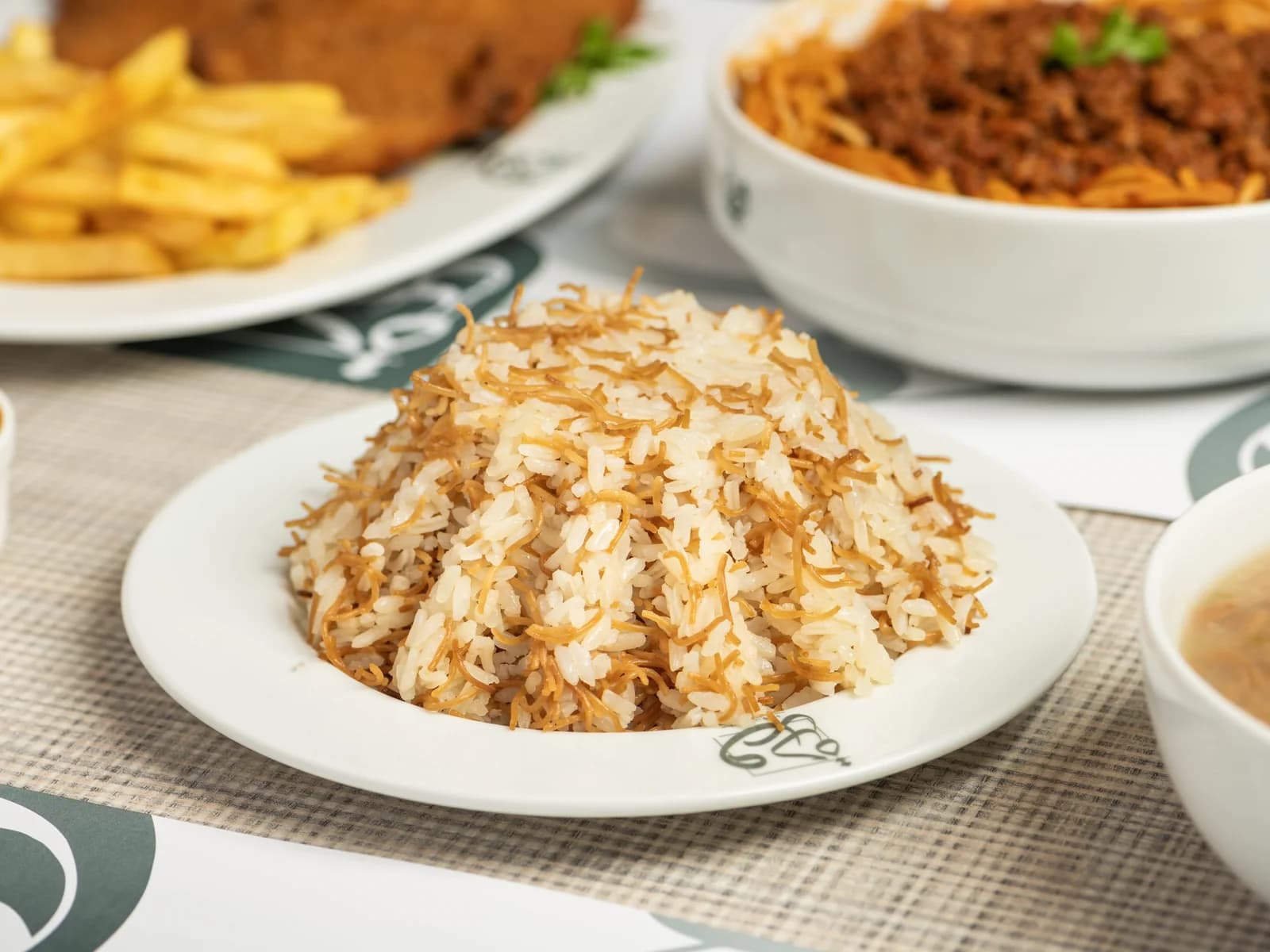
The simplest and most homely way: a shank beside a plate of white rice or vermicelli rice, sometimes with a little broth over the rice. Many people choose this when there are children, or guests not used to the taste of freekeh.
4. Moza from the oven
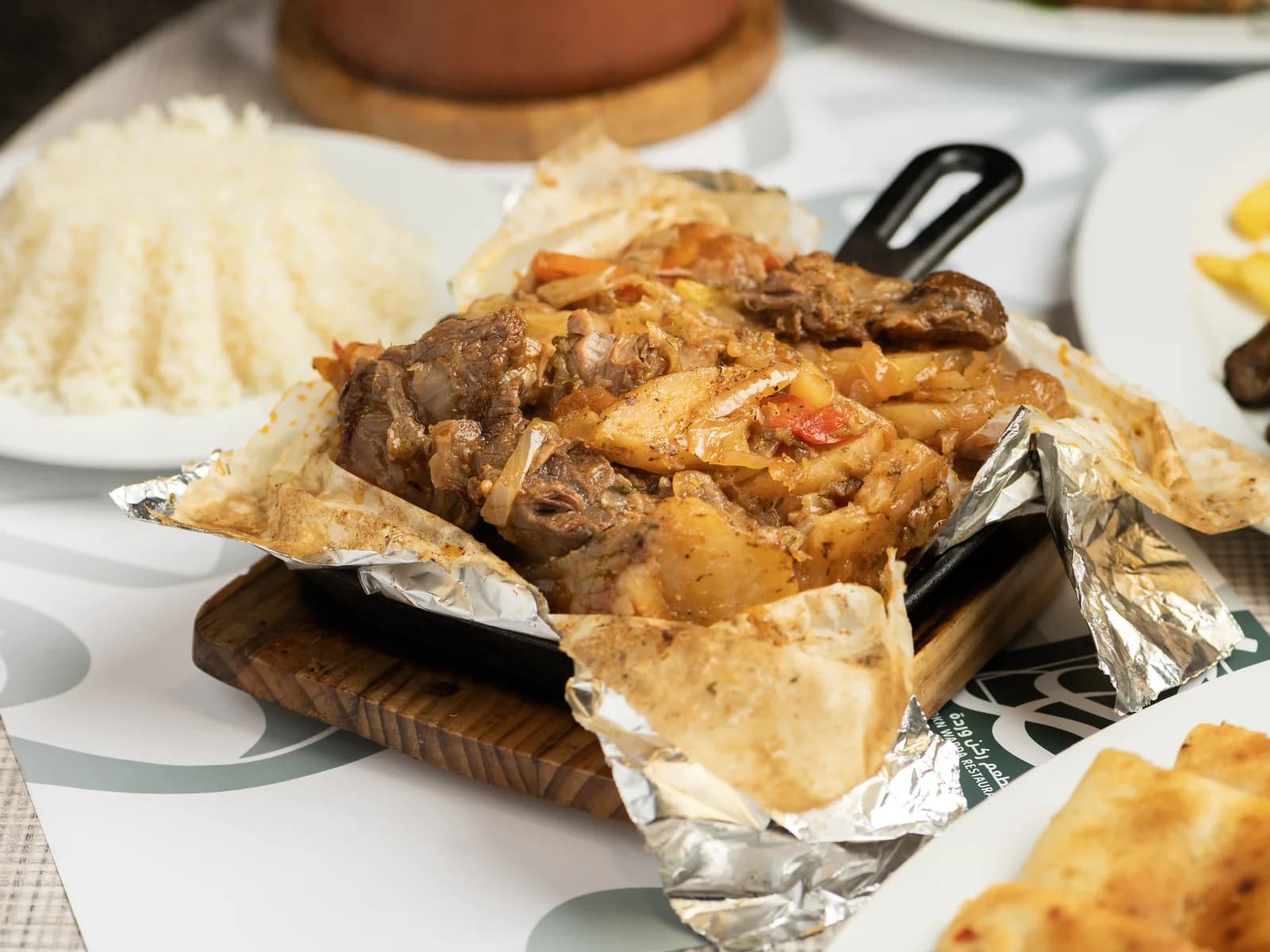
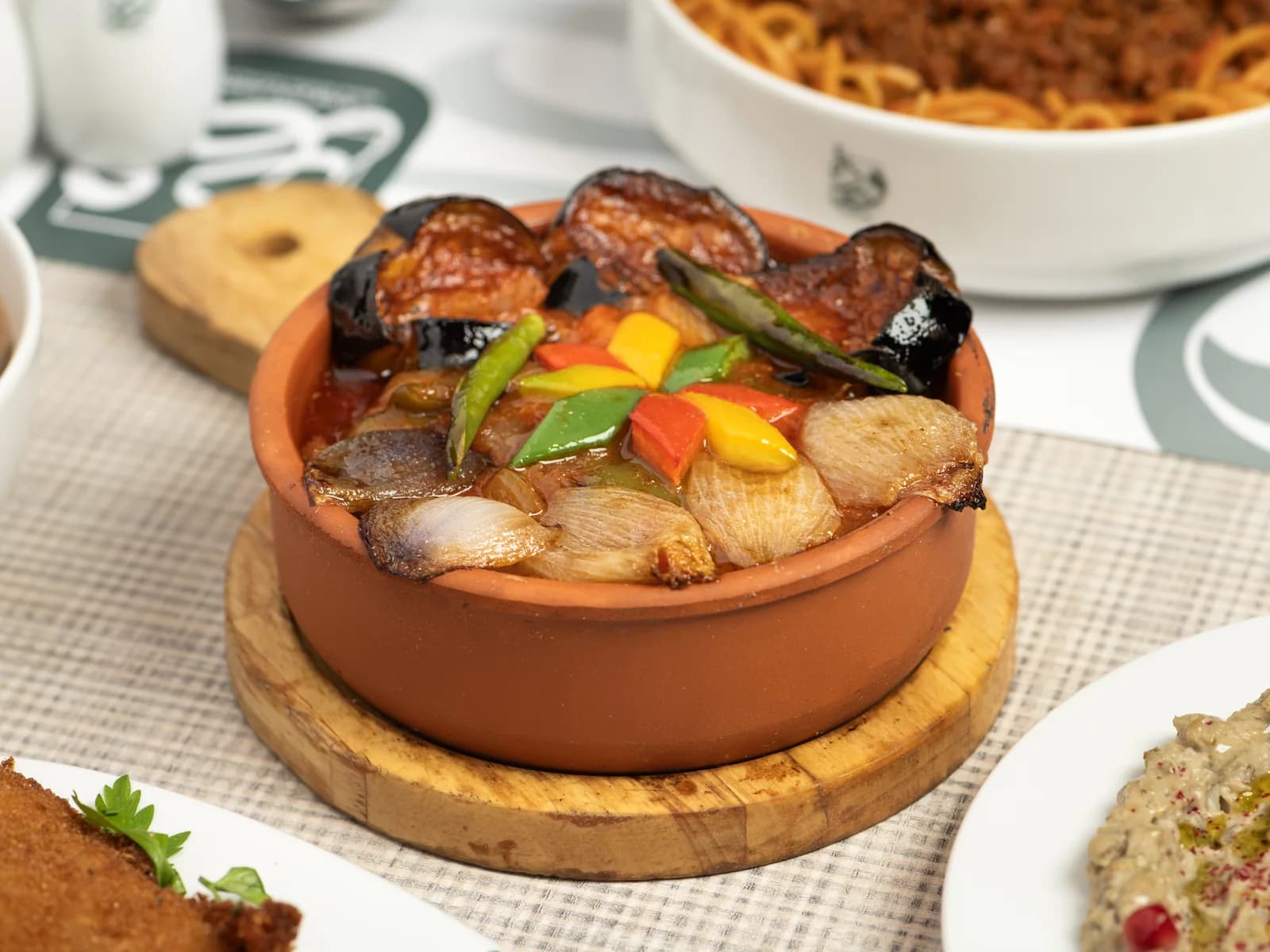
In many homes, after simmering, the shank goes into the oven in a tray with onions and sometimes potatoes, or wrapped in paper to keep its juices, until the top browns. Some homes make it slowly in a clay pot. This gives a more roasted taste, and it is a home way, not a dish on the Rokn Warda menu.
A quick comparison
| Way of serving | Taste | Best for | On the Rokn Warda menu? |
|---|---|---|---|
| With freekeh | Lightly smoky, grainy | When you like a country taste | Yes: moza with freekeh |
| On fatteh | Rich with vinegar, garlic and broth | Invitations and occasions | Yes: lamb shank fatteh |
| With rice | Mild and homely | Children and first-timers | Rice is available as a side |
| From the oven | Roasted | Home cooking and trays | No, a home way |
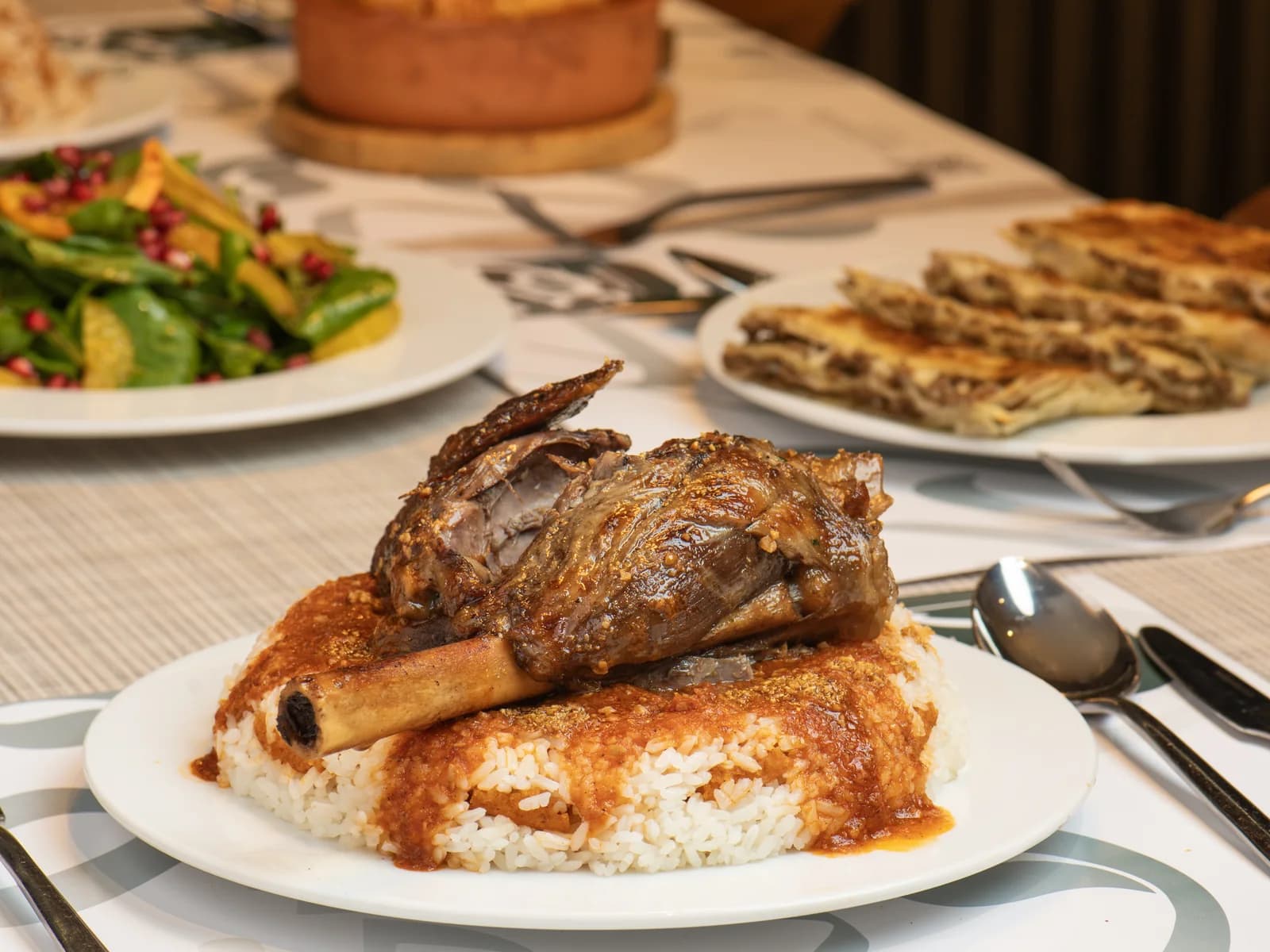
Tips for eating moza
- Start at the edges: the meat around the bone comes away with a fork if the shank is cooked right.
- Moza is filling: if there are other dishes on the table, one shank can be shared by two, depending on appetite.
- Add something light: a salad or soup balances the richness.
- Eat it hot: moza is best hot.
Moza at Rokn Warda
At Rokn Warda in Al Khobar, moza is on the menu in two ways:
- Moza with freekeh: slow-cooked lamb shank served with seasoned freekeh.
- Lamb shank fatteh: lamb shank, rice and toasted bread with vinegar and garlic sauce and broth.
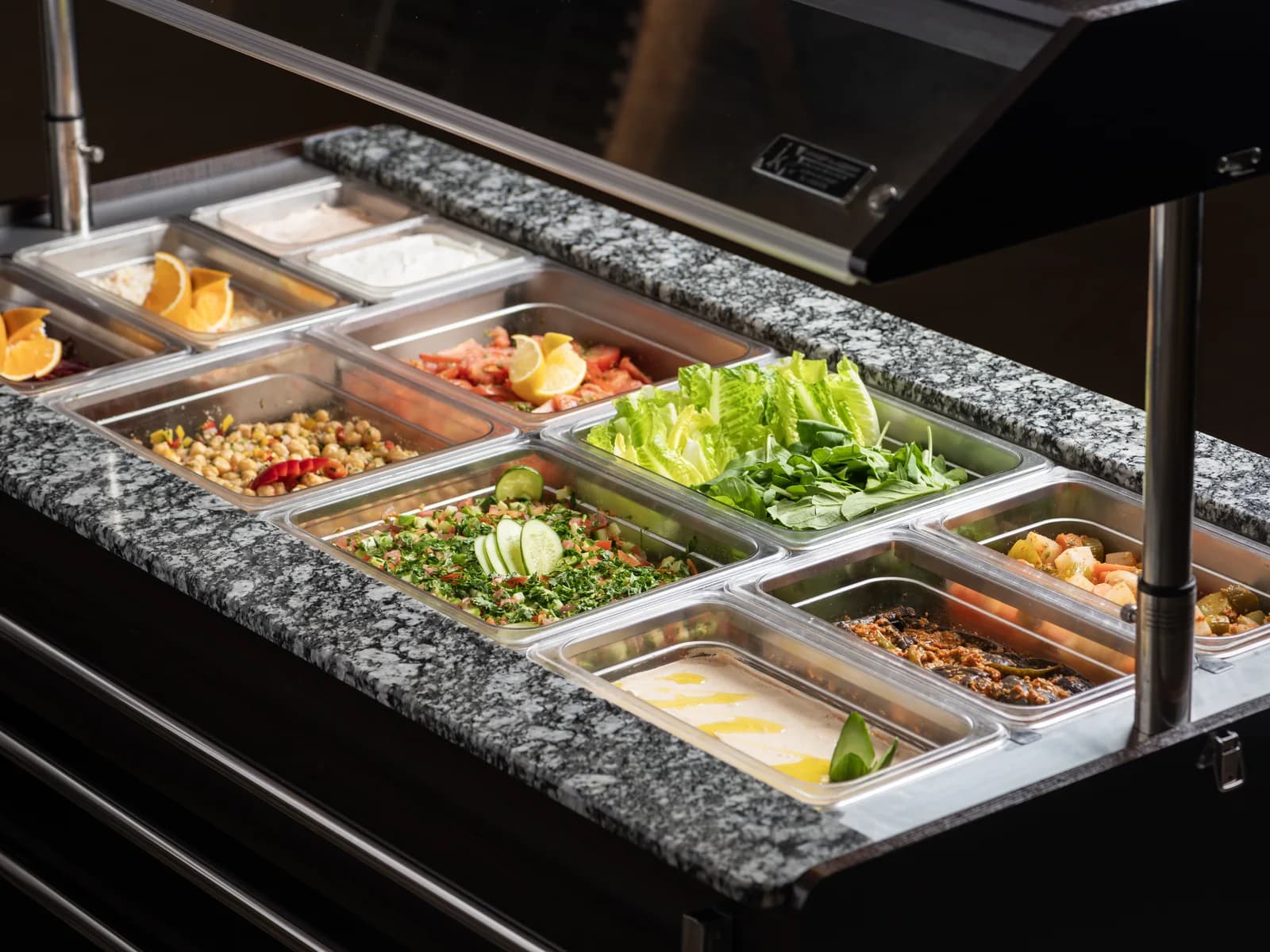
Our meat arrives fresh, never frozen; why that matters is explained in fresh or frozen meat?. If you would like your moza with rice, add Egyptian vermicelli rice or Egyptian white rice as a side, with the salad buffet or orzo soup beside them.
Order from the menu for delivery in Al Khobar and Dammam, or come and eat it hot in our dining room on Al Yarmouk Street and book your table. For invitations and large groups, see the events page.
Frequently asked questions
Is moza lamb or beef? In Egypt the word is used for both, but the moza served as a whole piece is usually lamb, and at Rokn Warda the moza is lamb.
What is freekeh? Green wheat harvested early and roasted, with a light smoky aroma.
Should I order moza with freekeh or moza fatteh? If you like a country taste and a grainy texture, choose freekeh. If you like vinegar and garlic with toasted bread, choose fatteh. If there are two of you, order both and share.
How many people does one moza serve? It depends on appetite and the other dishes on the table; it is filling, and the details of each dish are on the menu.
In the end, moza does not need many words; it needs to be eaten hot. See the menu and choose your way, or come to Al Khobar; the table will be waiting.