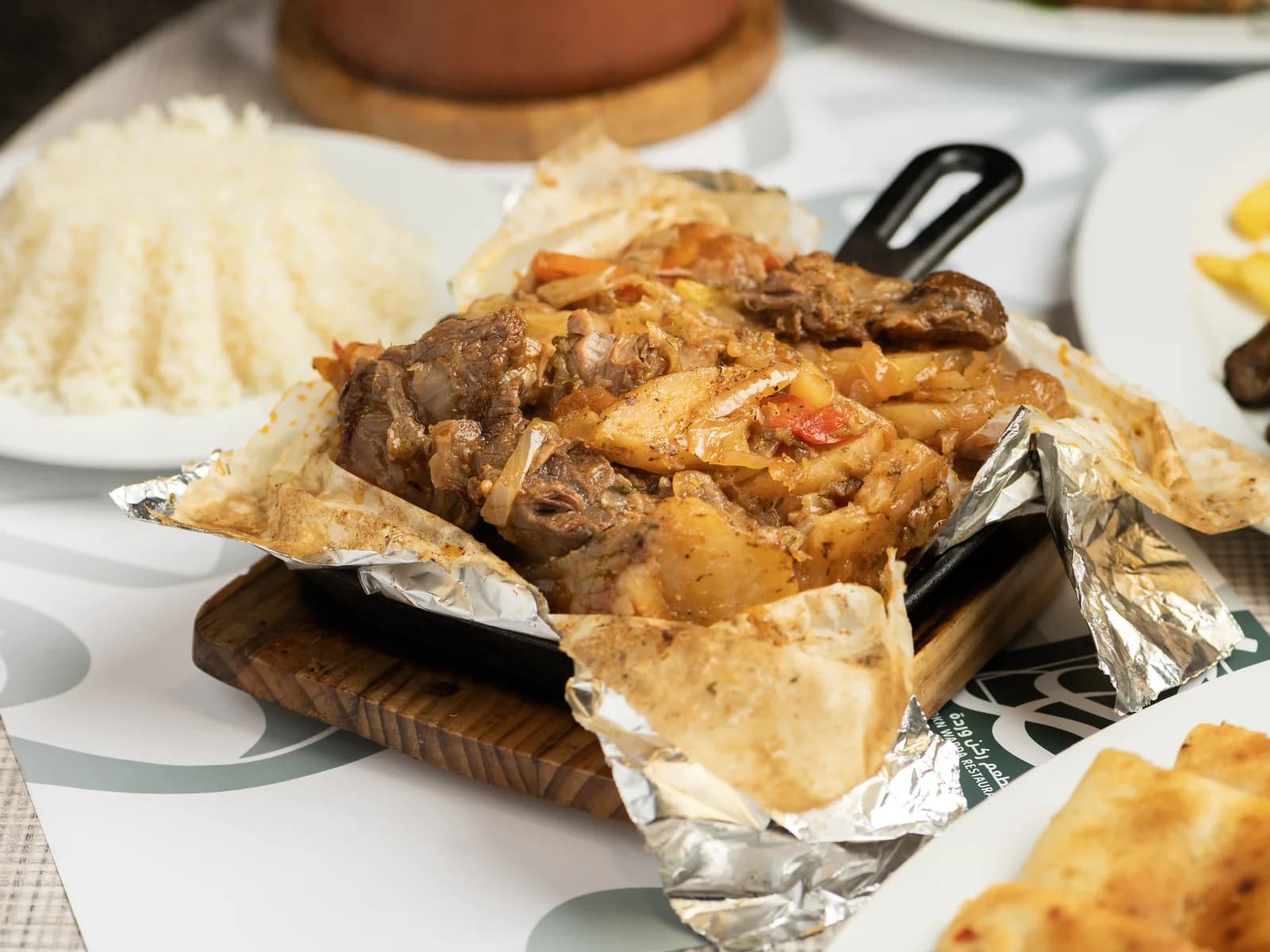
The first time people hear "waraqet lahma" they ask: a leaf of what? Grape leaves? Not at all. Waraqet lahma is an Egyptian home dish with simple ingredients, whose whole secret lies in how it is cooked: meat, potatoes and vegetables cook slowly in their own juices until the meat is tender and the potatoes have soaked up the flavour. In this article we explain what it is, why the method matters and how to eat it.
What does "waraqet lahma" mean?
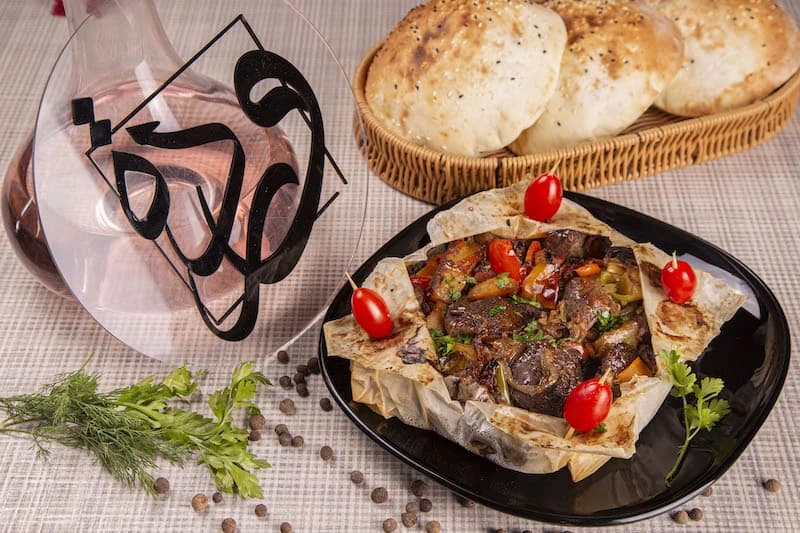
In many Egyptian homes, waraqet lahma is pieces of seasoned meat with potatoes, onions, tomatoes, peppers and garlic, all closed up in a "waraqa", a sheet of baking paper or foil, then put in the oven on gentle heat. That is most likely where the name comes from: the food cooks inside the paper (waraqa means sheet or leaf).
There is no single recipe. Some homes brown the meat first and others put it in straight away; some use a covered tray or a clay pot instead of paper; and some make the same idea with kofta or with chicken. The constant idea: food that cooks in its own steam, not fried and not grilled over high heat.
Not grape leaves
Because of the name, many people confuse it with grape leaves. Grape leaves are a rolled, stuffed dish; waraqet lahma is meat and vegetables closed in. If you love grape leaves, the difference between the kinds of mahshi is in Egyptian mahshi: grape leaves, cabbage and more.
Why does the way it is cooked change the taste?
This dish is a clear example of a well-known kitchen rule: the same ingredients, cooked differently, taste different. Here are the reasons, simply put:
Gentle heat and time
Cuts of meat with connective tissue turn dry and tough if cooked fast over high heat. On gentle heat for longer and with moisture, that tissue softens and the meat becomes tender. It is the same secret as Egyptian casseroles, which we wrote about in Egyptian casseroles: the secret of slow cooking.
Trapped steam
When the food is closed in, the steam cannot escape. The vegetables release their water and the meat its juices, and both stay inside. The result: the meat does not dry out, and the flavour concentrates instead of evaporating.
Potatoes soak up the flavour
The potatoes in waraqet lahma are not just an extra; they absorb the meat's juices and the spices, which is why many people say the potatoes are the best part of the dish.
Even cutting
When the pieces of meat and potato are close in size, they cook together: no piece dry while another is still raw.
Browning at the end
In many homes the paper is opened near the end of cooking so the top browns, giving you tenderness underneath and a browned colour and flavour on top.
The summary in a table
| What is done at home | What it does to the taste |
|---|---|
| Seasoning before cooking | The spices get into the meat and vegetables from the start |
| Closing with paper or a lid | Traps the steam so the meat does not dry out |
| Gentle heat and longer time | The tissue softens and the meat turns tender |
| Potatoes, onions and tomatoes | Release water and make a sauce on their own |
| Opening the paper at the end | A browned colour and deeper flavour on top |
All of this is general practice in Egyptian homes, and every home has its own details.
Mistakes that spoil waraqet lahma at home
If you plan to try it at home, these are things Egyptian home cooks usually warn about:
- High heat: it dries the meat outside before it turns tender inside. This dish needs patience.
- A paper left open: if the paper is not sealed well, the steam escapes and the food roasts instead of cooking in its juices.
- Potatoes cut too thin: they fall apart before the meat is done, so medium pieces are better.
- Too much salt: the juices concentrate as it cooks, so gentle seasoning at first is safer, adjusting the salt at the end.
- Opening too early: every time you open the paper to check, you let out the steam the food needs.
Waraqet lahma (beef) at Rokn Warda
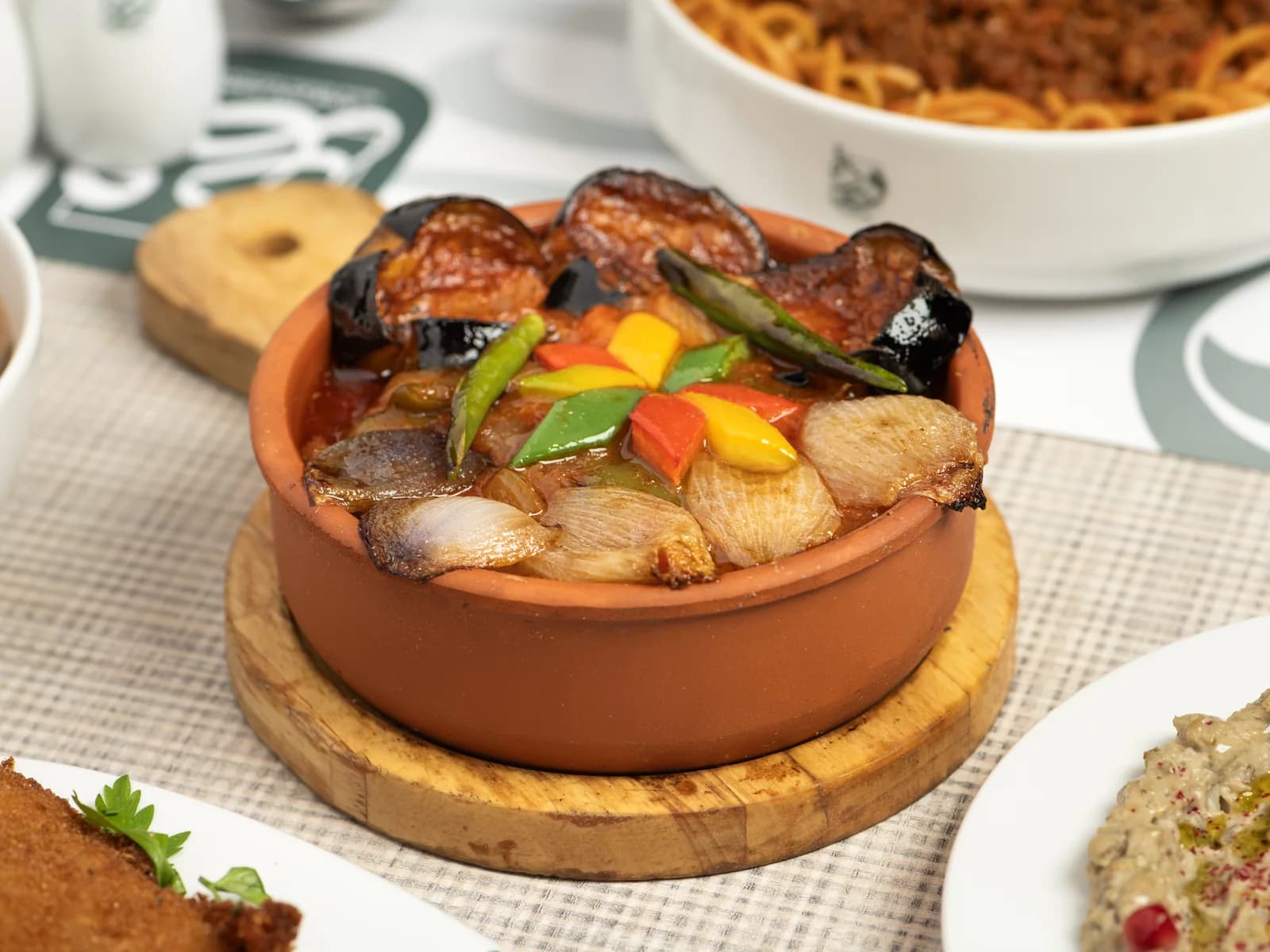
At Rokn Warda in Al Khobar, the dish is on the menu as Waraqet Lahma — Baked Beef Parcel, described as: tender beef baked with potatoes, vegetables and aromatic spices. Our meat arrives fresh, never frozen, and why that matters is explained in Fresh or frozen meat?. What is said above about paper is the way Egyptian homes do it; for the details of how ours is served, ask when you order.
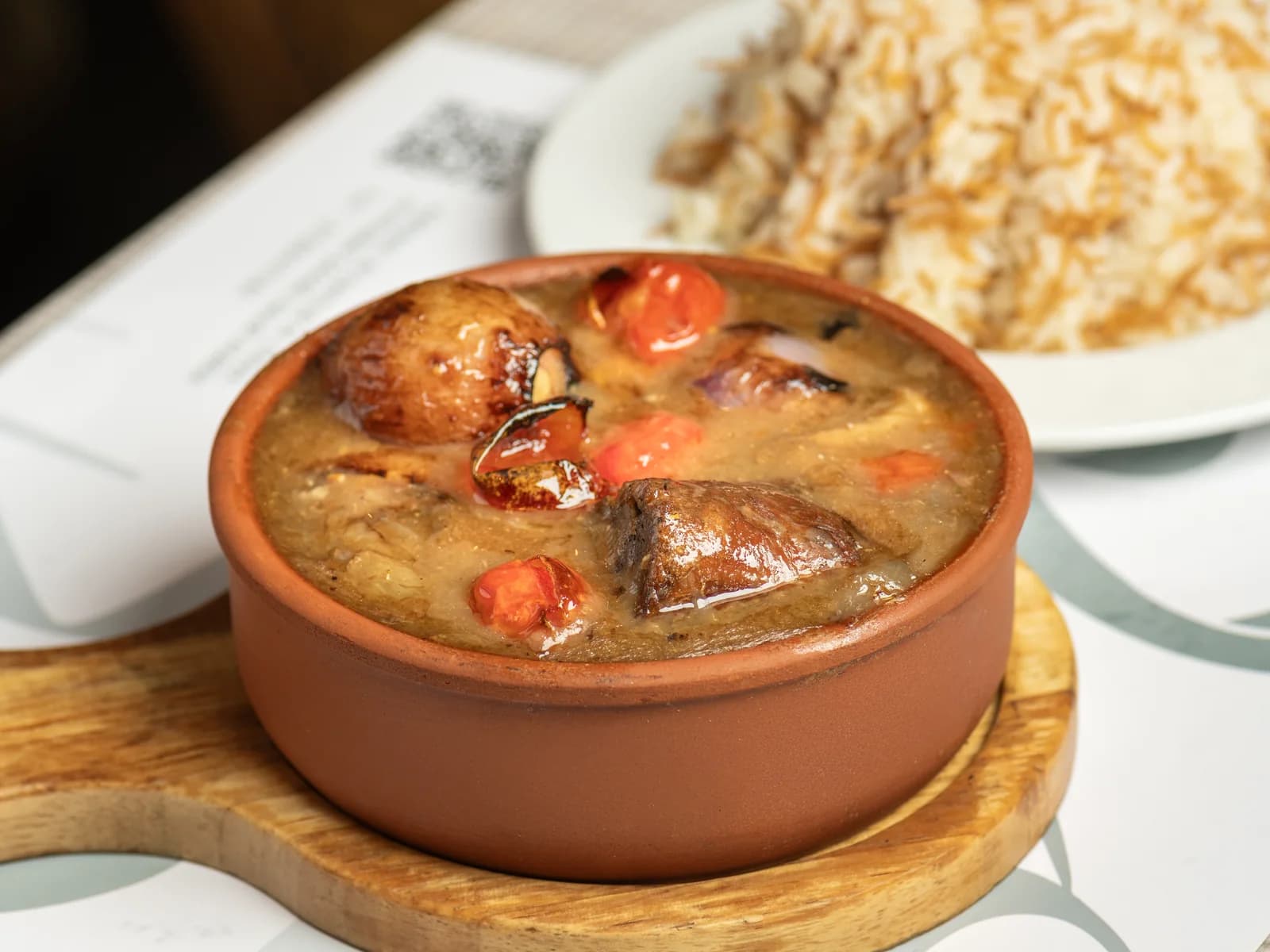
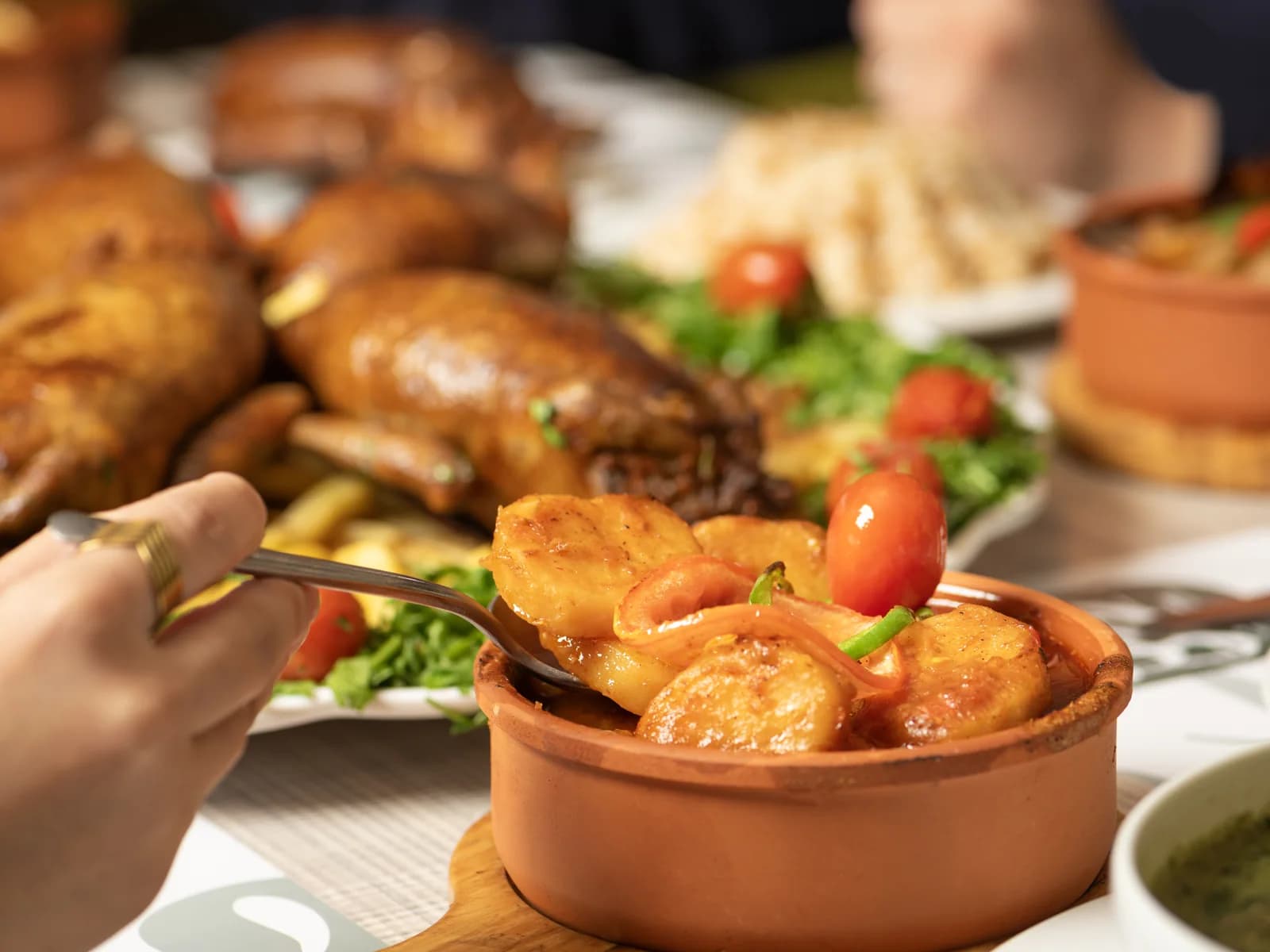
If you love meat and potatoes in a red tomato sauce, we also have the Potato & Beef Casserole: tender beef and potatoes in tomato sauce with Egyptian spices. If you cannot decide between them, ask about the difference in serving when you order.
How is it eaten, and with what?
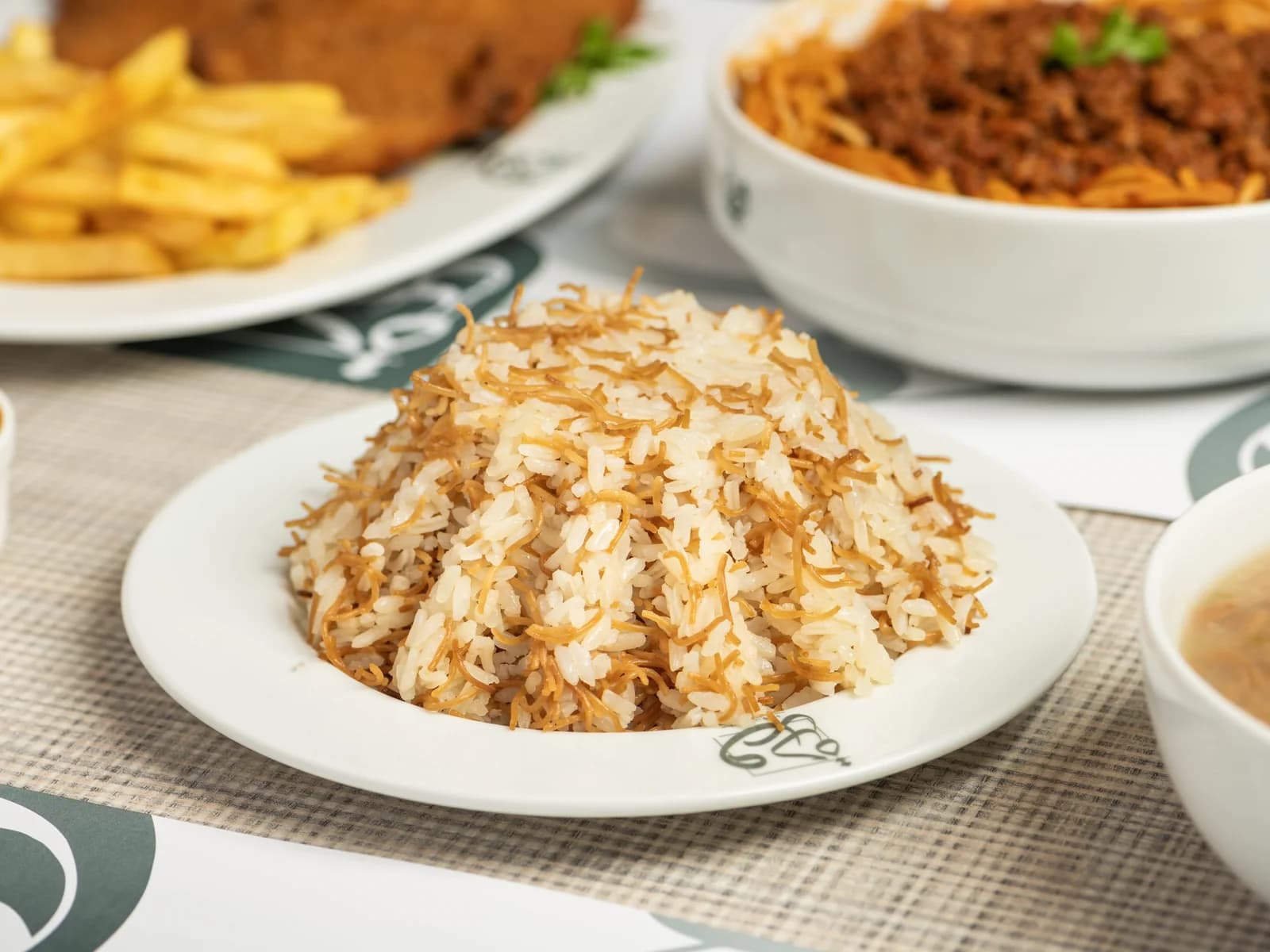
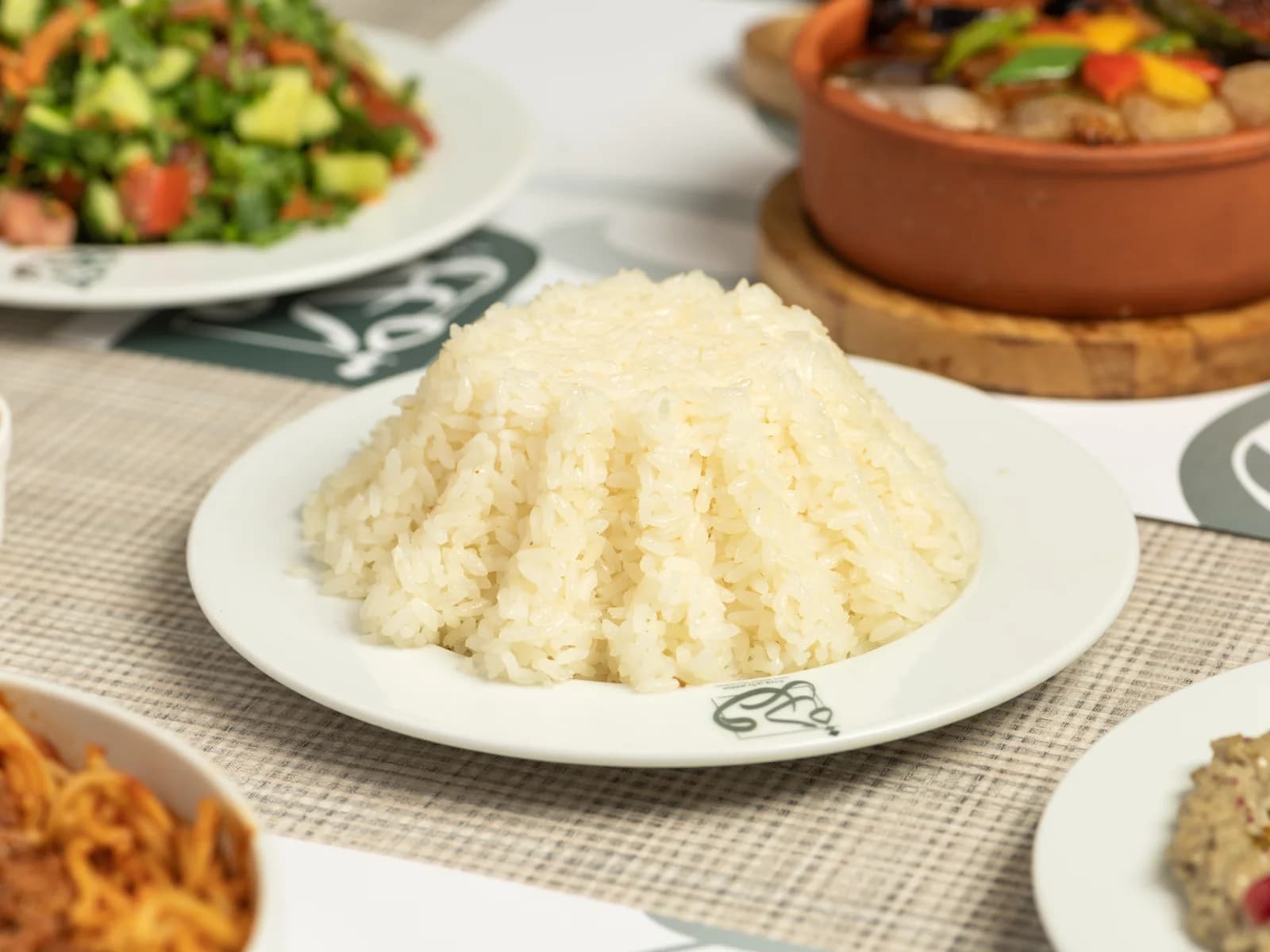
- With rice: the most common way at home is next to White Egyptian Rice or Egyptian Vermicelli Rice, with the juices over the rice. If you cannot choose between the two, read Vermicelli rice or white rice?.
- With bread: dip bread into the juices, a pleasure in itself.
- With something green: a plate from the Salad Buffet balances the taste of the meat.
- Hot: it is best eaten as soon as it arrives. If you are ordering it home, see the tips in Grills or a casserole for delivery?.
Frequently asked questions
What does waraqet lahma mean? An Egyptian home dish: meat, potatoes and vegetables cooked slowly; in many homes it is closed in baking paper or foil in the oven, which is most likely where the name comes from.
Is it hot? No, the Waraqet Lahma — Baked Beef Parcel is not marked spicy on our menu; it is seasoned, not fiery. The label is a guide; if you have an allergy or a strict diet, ask the staff.
Can I order it for delivery? Yes, from the menu on the website, delivered in Al Khobar and Dammam (the available districts show as you order), and the restaurant is also on HungerStation, Keeta and Ninja.
How many people does it serve? Ask about quantity when you order; the ordering page shows every dish.
A taste of home on your table
Waraqet lahma is one of those dishes that remind Egyptians of lunch at home: the smell of the oven, and the potatoes everyone hunts for. For more ideas in the same mood read Egyptian dishes for lunch and dinner. Order the Waraqet Lahma — Baked Beef Parcel from the menu, or come and eat it hot on Al Yarmouk Street in Al Khobar and book your table.