In any old popular neighbourhood of Cairo or Alexandria, you may pass a small shop with a large wooden chopping block out front, where a man quickly chops pieces of hot meat with a cleaver and tucks them into a loaf with tahini and lemon. This is a head meat shop, one of many places serving dishes that surprise visitors: tripe, spleen and head meat. Their names may make a guest hesitate, but for Egyptians they are authentic popular food, with customers who know their favourite shops by name.
In this article we tell the story of these dishes: what they are, how they are cooked at home, where they are eaten in Egypt, and why they became part of popular food culture.
In this article
- 1"Nothing gets thrown away": the philosophy of the Egyptian home
- 2Tripe (kersha)
- 3Spleen (tehal)
- 4Head meat (lahmet ras)
- 5Tripe's cousins: a whole family of dishes
- 6Where are these dishes eaten in Egypt?
- 7Why do they look strange to visitors?
- 8Frequently asked questions
- 9From the kawareh shops to your table in Al Khobar
"Nothing gets thrown away": the philosophy of the Egyptian home
The Egyptian household, like many around the world, long ago learned to use every part of the animal. The red meat goes to casseroles and grills, the bones to broth, the feet to kawareh, the intestines to mombar, the stomach to tripe, and the head, spleen and liver to other dishes. This is not stinginess; it is respect for what you have and skill in the kitchen, and it shows most during Eid al-Adha, when homes and families slaughter.
Whole dishes grew from this, with their own shops, names and customers, and some became among the best-known Egyptian street foods. Read Street food in Egypt.
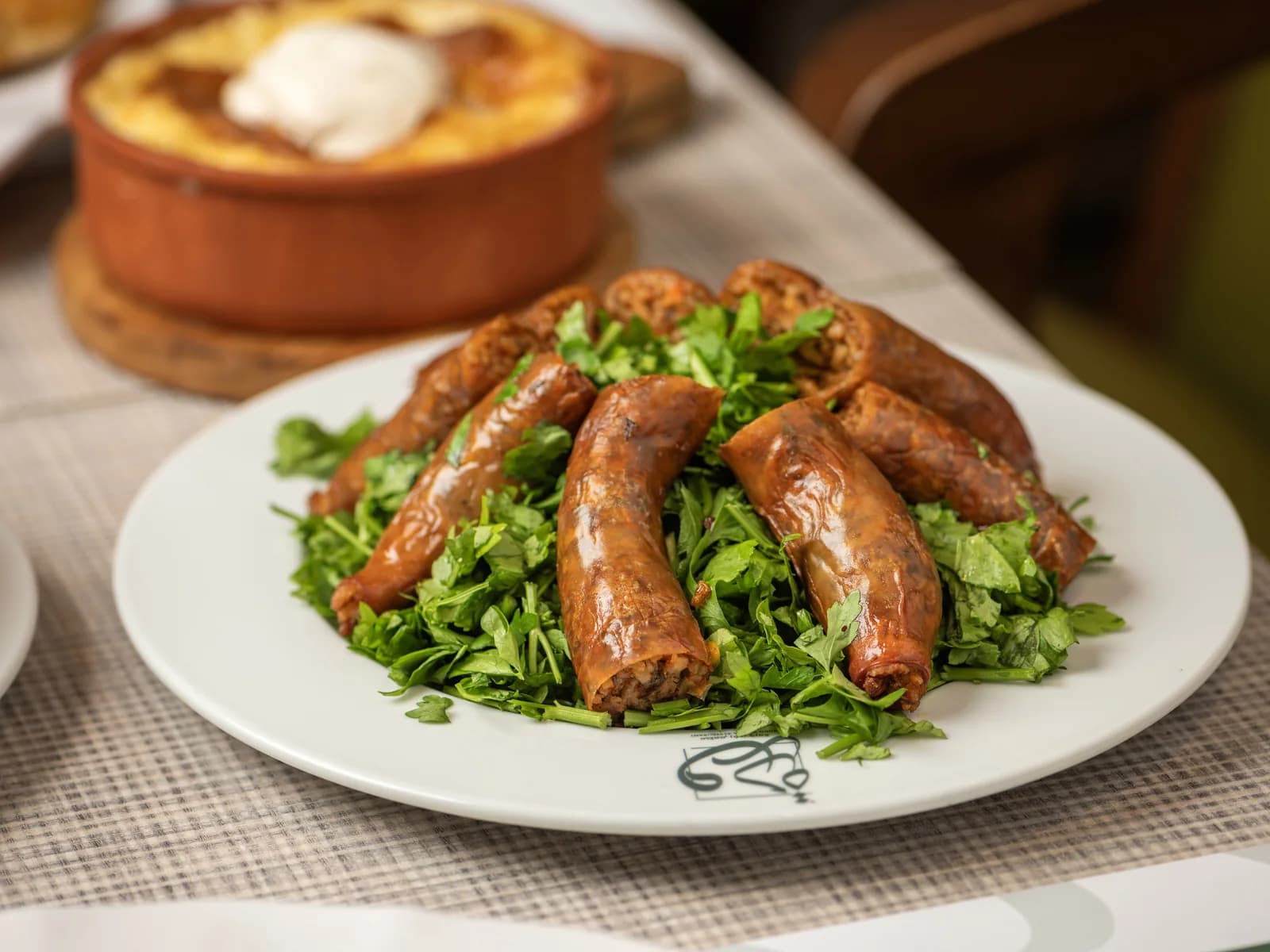
Tripe (kersha)
Kersha is the animal's stomach, and its wrinkled surface looks strange the first time. But in Egyptian homes it is a well-known dish, especially in winter and during Eid.
How is it cooked at home?
Tripe takes a lot of cleaning, which is why many cooks see it as a dish made only "when in the mood". The well-known ways:
- Tripe in sauce: after boiling it is cut up and cooked in a tomato sauce with garlic and spices.
- Tripe with rice: many homes serve it with white rice and its broth.
- Tripe in fatteh: in some homes it goes into the Eid fatteh beside the meat.
- Browned tripe: boiled, then browned in ghee.
Tripe and Eid
At Eid al-Adha, when a household slaughters, the tripe, lungs and other offal are usually cooked in the first days and become part of the family gathering around the table. Read about Eid customs in Ramadan and feasts in Egypt.
Spleen (tehal)
Spleen is a dish many people outside Egypt have never heard of. In Egypt its best-known form is stuffed spleen.
Stuffed spleen
The spleen is slit along one side and stuffed with a mixture of garlic, pepper, cumin and spices, sometimes with a little minced meat or fat, then closed and cooked. Once done it is cut into dark slices and served in sandwiches or on a plate with bread, tahini and pickles. Stuffed spleen is best known in the popular shops that sell head meat, liver and lungs.
What does it taste like?
Spleen has a smooth texture and a somewhat strong taste, and the stuffing gives it the garlic-and-spice flavour its fans love. Some people adore it and others will not touch it, which is natural for any dish with a distinctive taste.
Head meat (lahmet ras)
Head meat is the meat taken from the head of a calf or buffalo after long boiling, along with the tongue and cheeks. It is one of the best-known dishes of Egypt's popular eateries.
Head meat shops
- The meat is boiled in large pots until tender.
- In front of the customer it is chopped into small pieces with a cleaver on the wooden block.
- It goes into baladi bread with tahini, lemon and chilli, sometimes with onion or tomato.
- Some shops serve it on a plate with rice or bread.
These shops are often the same ones that sell kawareh and mombar, and in Egypt they are called "kawareh shops". To learn more, read The story of kawareh in Egypt.
Tripe's cousins: a whole family of dishes
Tripe, spleen and head meat belong to a larger family in Egyptian cooking:
- Mombar: intestines stuffed with seasoned rice and fried. Read Egyptian mombar.
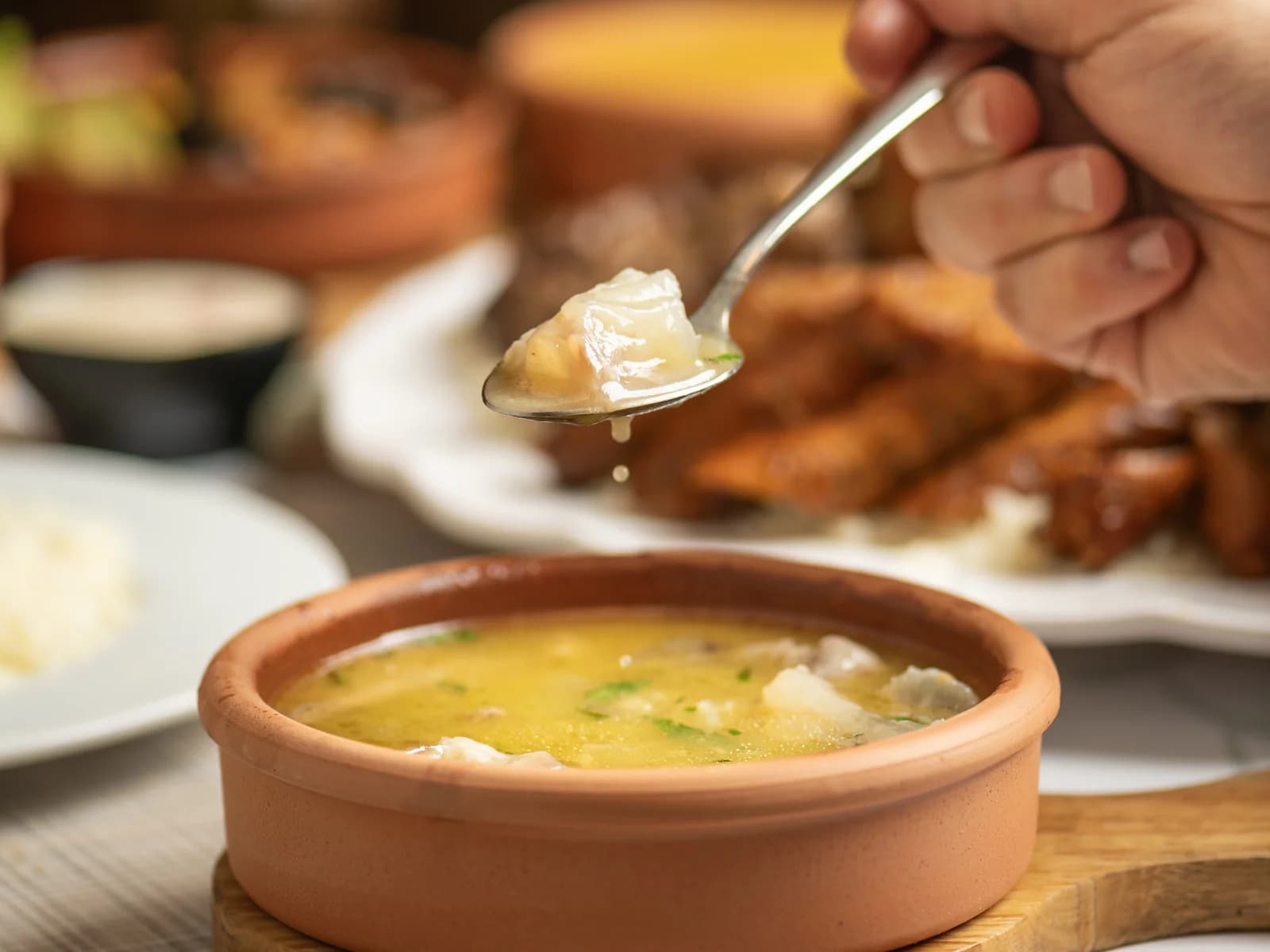
- Kawareh: calf or lamb trotters, as soup, fatteh and casserole.
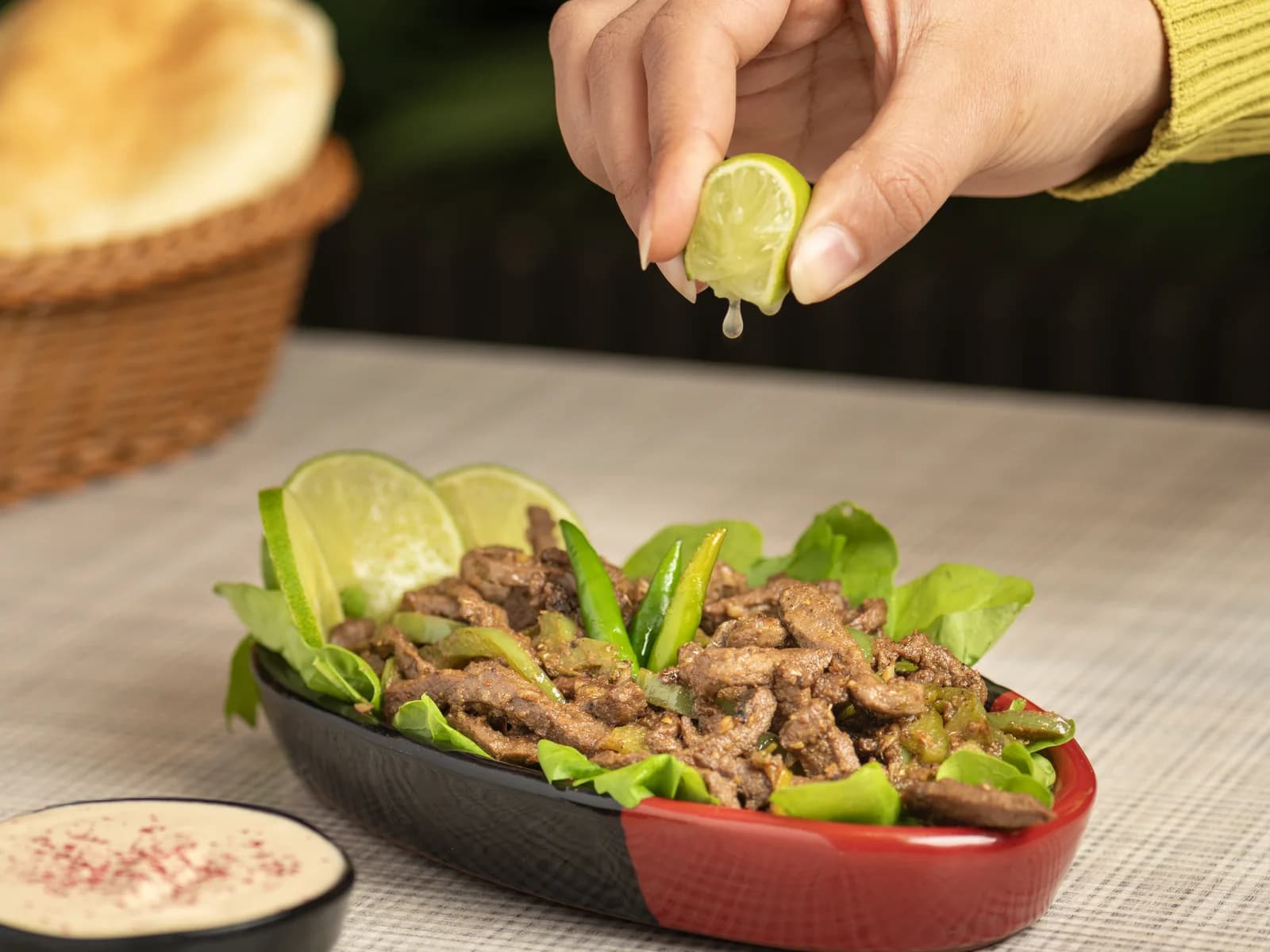
- Liver: most famously the spicy Alexandrian liver. Read Alexandrian liver.
- Lungs (fasha): cooked at home with onion and tomato sauce.
- Kidneys and sweetbreads: sold at popular liver shops.
Where are these dishes eaten in Egypt?
- Specialised popular shops in the old neighbourhoods of Cairo, Alexandria and other large cities, each district with a shop famous among its people.
- Carts and small shops selling sandwiches late into the night.
- Homes in winter and during Eid al-Adha, when the family gathers.
- The countryside and Upper Egypt, where these dishes are a natural part of home cooking.
The popular atmosphere is part of the taste
Much of the pleasure of these dishes is the place itself: the small tables, the sound of the cleaver on the block, the smell of broth and garlic, and customers chatting with the owner like old friends. Many people stay loyal to one shop for years and feel its taste cannot be replaced. This atmosphere is part of the memory of Egypt's popular neighbourhoods, like sitting over tea and baladi coffee.
Why do they look strange to visitors?
- The names: "tripe", "spleen" and "head" are words that can make a guest hesitate before tasting.
- The look: tripe with its wrinkled surface and spleen with its dark colour are different from the meat people are used to.
- Culture: in many countries offal is rarely eaten, while in others, like Egypt, it is a beloved popular food. Many cuisines around the world have similar dishes, each in its own way.
Frequently asked questions
What is kersha? Kersha is the animal's stomach, cleaned, boiled and cooked in sauce or with rice, and well known in Egyptian homes especially in winter and at Eid.
How is stuffed spleen made? The spleen is opened and stuffed with a garlic, pepper and spice mixture, then cooked and sliced, and served in sandwiches or on a plate.
How is head meat eaten? It is boiled, chopped into small pieces and put into baladi bread with tahini, lemon and chilli, at specialised popular shops.
Why are they called "kawareh shops"? Because the popular shops that sell head meat and spleen are usually the same ones that sell kawareh and mombar, so people named them after their best-known dish.
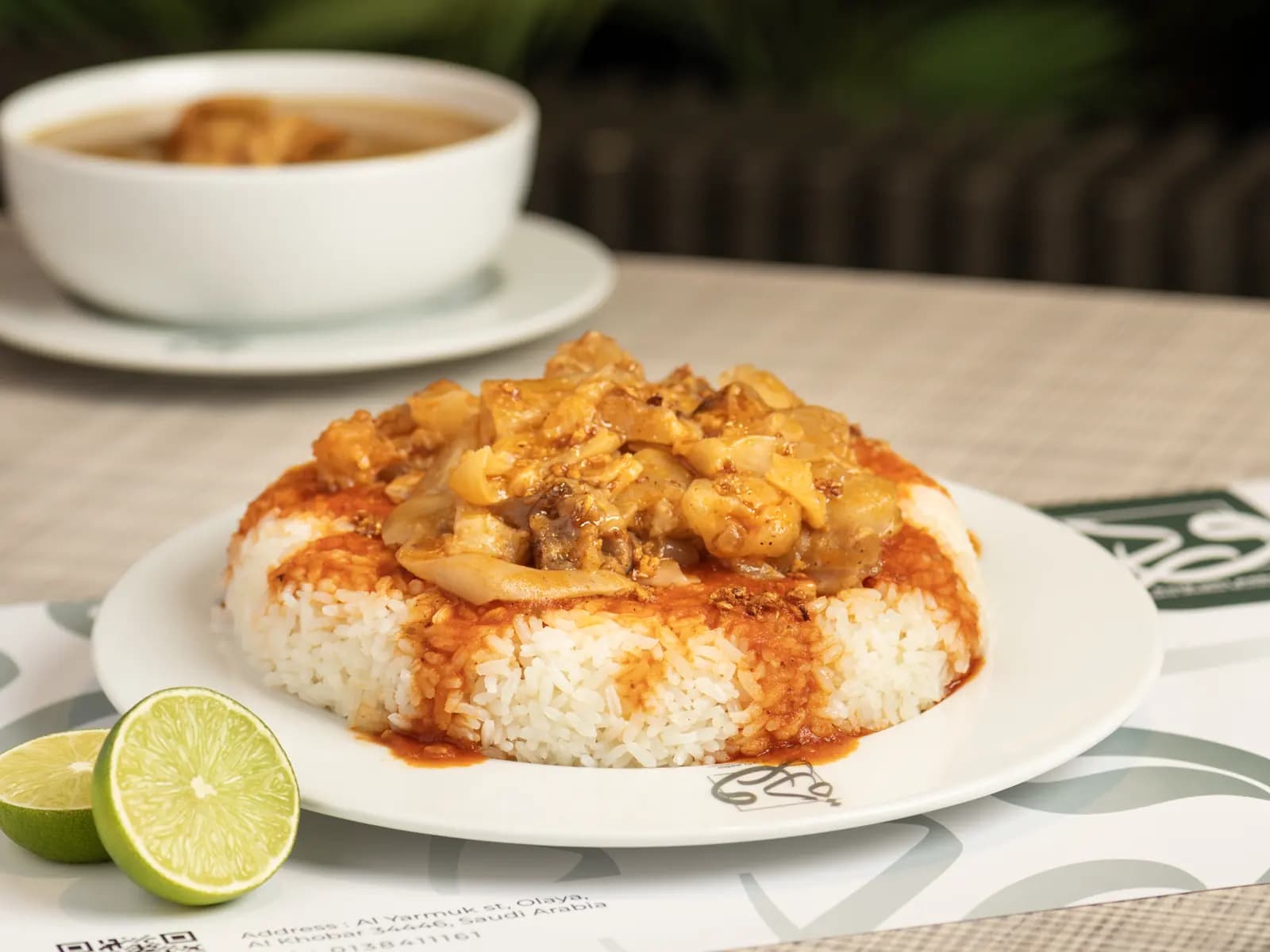
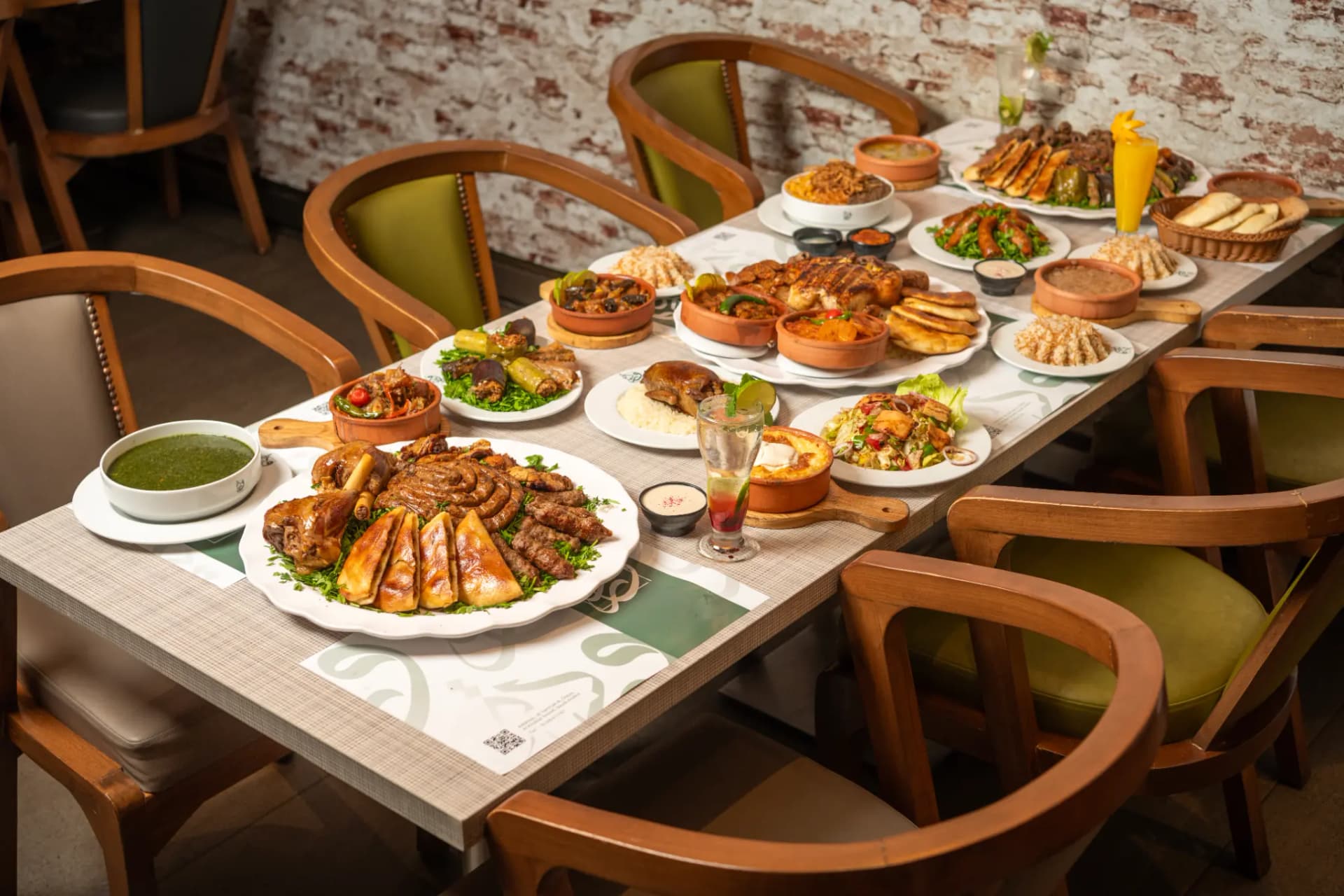
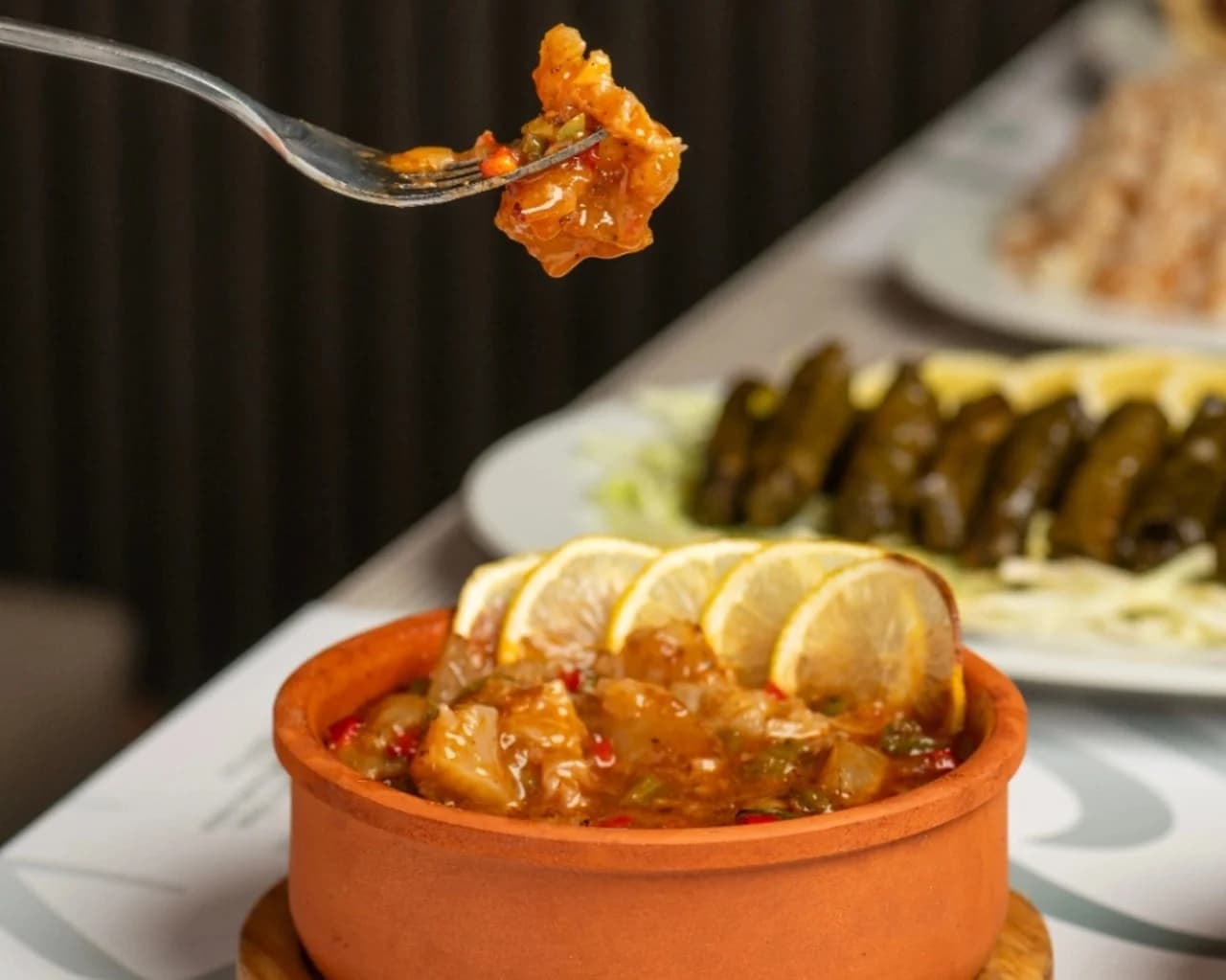
Does Rokn Warda serve tripe, spleen or head meat? No. These belong to Egyptian popular food culture and are not on the Rokn Warda menu. But from the same family we serve kawareh in several ways, mombar, and Alexandrian liver.
From the kawareh shops to your table in Al Khobar
Tripe, spleen and head meat are a story of popular neighbourhoods, small shops and homes at Eid. If you would like a taste from the same family in Al Khobar, at Rokn Warda on Al Yarmouk Street we have mombar, trotters soup, trotters casserole, trotters fatteh, grape leaves with trotters casserole and Alexandrian liver. Browse the menu, read Kawareh the Egyptian way, and book your table.