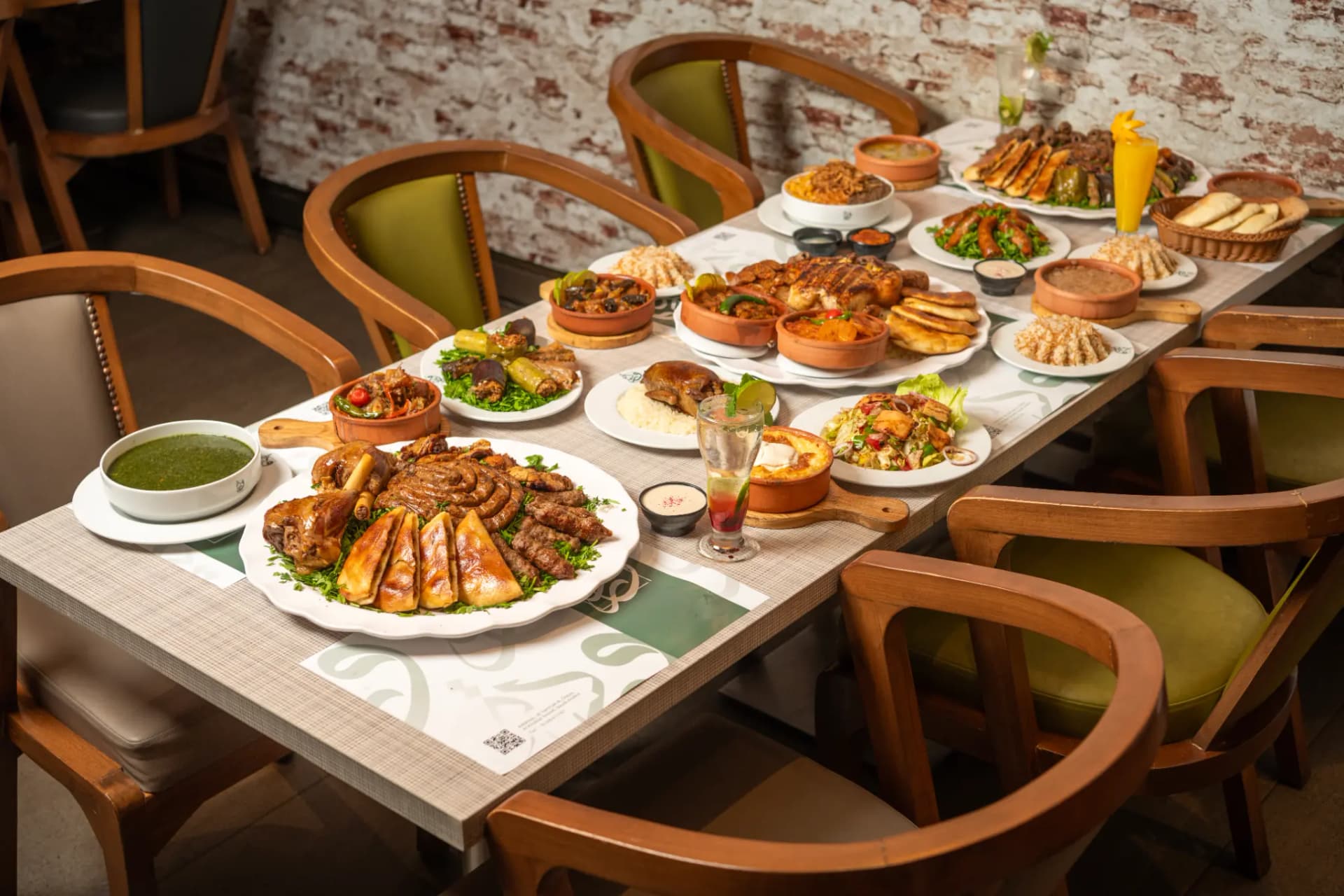
When a guest visits Egypt for the first time, or sits at an Egyptian friend's table, at some point they will probably ask with a smile: "What is this?" Egyptian cooking is not only mahshi, molokhia and grills; it has dishes with strong flavours and looks that are new to anyone who has not grown up with them, and yet for Egyptians these are foods full of memories, tied to feasts, winter, home and neighbours.
In this article we walk through ten of the strangest Egyptian dishes through visitors' eyes, not to mock them but to understand their stories: what they are, when and where they are eaten, and why Egyptians love them. Keep in mind that "strange" here simply means "new to someone seeing it for the first time". Every people has dishes that surprise a guest, and these are ours.
Why does some Egyptian food look strange?
Before the list, a few reasons explain why a very ordinary Egyptian dish can look strange to a visitor:
- Old preserving methods: before refrigerators, people preserved food with salt, fermentation and drying, which gave dishes like mish, feseekh and kishk their strong taste and distinctive smell.
- "Nothing gets thrown away": the Egyptian household learned to use every part of the animal, which gave us trotters (kawareh), mombar, tripe and head meat.
- Birds and animals raised at home: pigeons and rabbits were raised in towers and on rooftops, so they became part of everyday home cooking.
- The nature of each region: the sea in the north, Upper Egypt in the south and the farmland of the Delta each have dishes that may be unknown elsewhere. Read A journey through Egypt's regional food.
Ten dishes that surprise visitors
1. Mish
Mish is aged cheese left in a clay jar or glass jar with milk or cheese whey and salt, sometimes with chilli, for a long time until its taste becomes sharp and very strong. It is eaten in small amounts with baladi bread, tomatoes and cucumbers, and many people consider it the true countryside breakfast. Guests are surprised by its strong smell; Egyptians will tell you "it opens the appetite".
2. Feseekh and malouha
Feseekh is salted grey mullet, the star of the Sham el-Nessim table, while malouha is a smaller salted fish better known in Upper Egypt. Both have a strong smell and a very salty taste, and are eaten with bread, green onions and lemon. They divide Egyptians themselves: some wait for them all year, others will not go near them. We told the story of feseekh and the festival in Sham el-Nessim foods.
3. Tripe and mombar
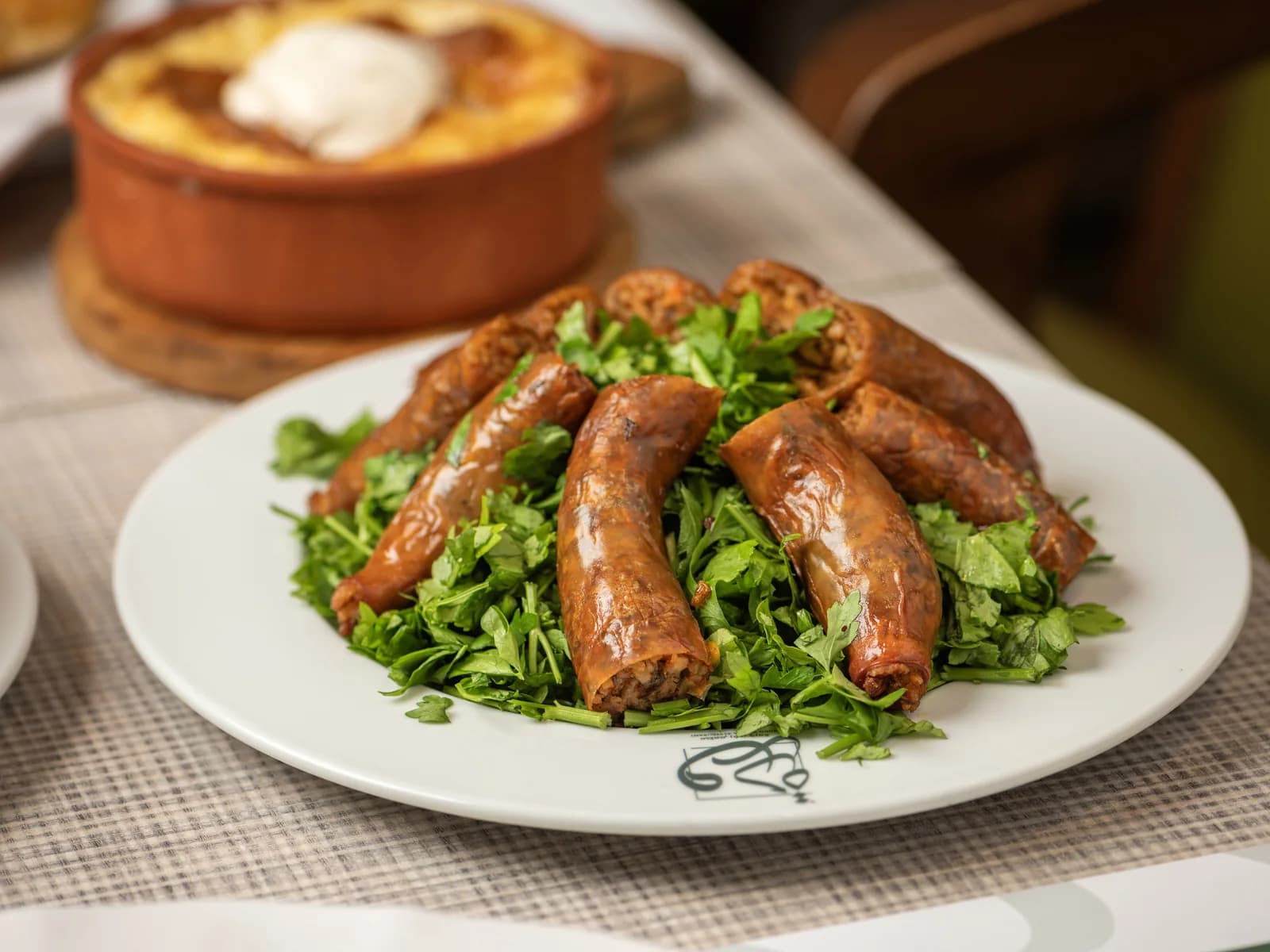
Tripe (kersha) is the animal's stomach, cleaned, boiled and cooked in a sauce or with rice, while mombar is intestine stuffed with seasoned rice, simmered and fried. A guest may hesitate on hearing the name, but mombar in particular has many fans of every nationality. Read about Egyptian mombar and the secret of its crunch.
4. Head meat and spleen
Head meat (lahmet ras) is boiled, chopped and served in sandwiches with tahini and lemon at popular eateries, while spleen (tehal) is stuffed with a garlic-and-spice filling, cooked and cut into slices. These are deeply popular dishes, with their own shops in the old neighbourhoods and loyal customers who go there especially.
5. Rabbit with molokhia
In many countries the rabbit is a pet, but in Egypt rabbit is home food, traditionally raised in hutches on rooftops. The rabbit is boiled and then browned, and its broth is used to make molokhia; for many families this dish is a feast meal. Molokhia itself has a long story, told in The history of Egyptian molokhia.
6. Om el-kholoul
Om el-kholoul are tiny clams from the Mediterranean shore, known in Alexandria, Damietta and Port Said. Vendors walk the beaches with them in summer; they are eaten with lemon, and many homes cook them. A guest looks at the tiny shell and asks "where's the food?", and a local laughs and shows them how.
7. Saidi kishk
Saidi kishk is not the Levantine kishk many people know. It is a mixture of soured milk and wheat that is fermented and dried in the sun, then cooked with broth into a creamy white dish topped with fried onions and sometimes chicken. Its gently sour taste is unlike anything else on the Egyptian table.
8. Bessara
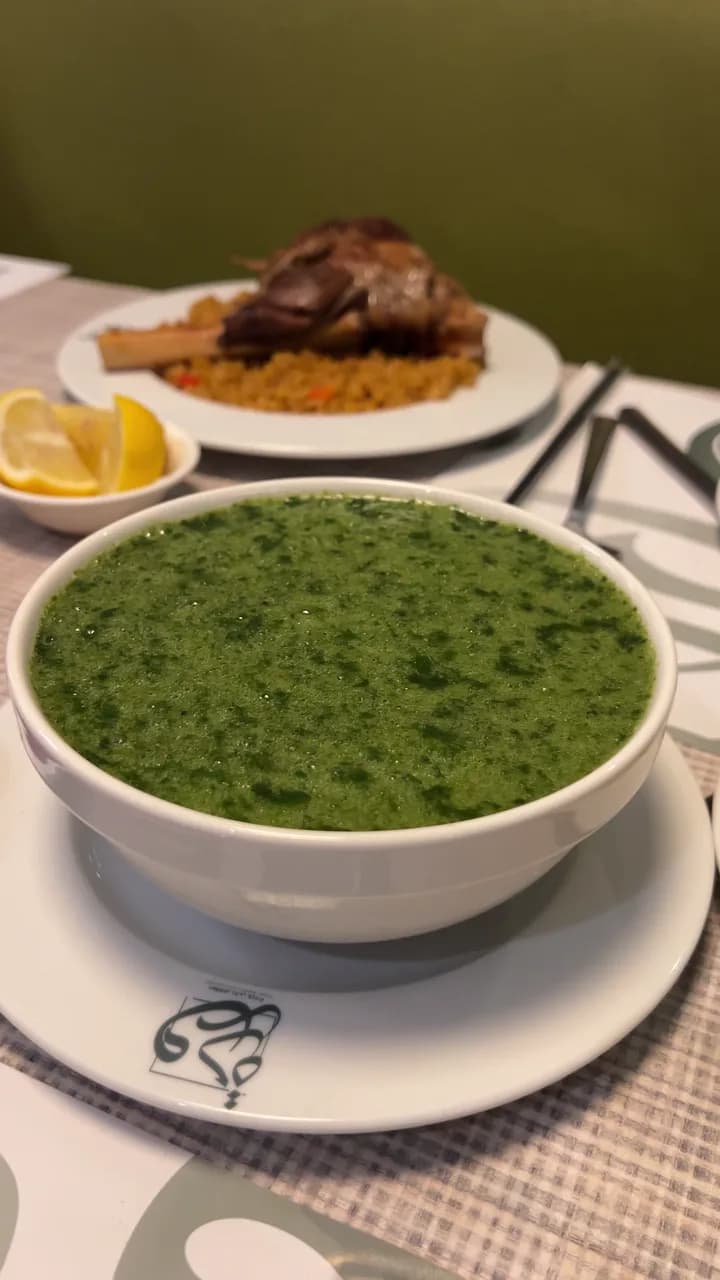
Bessara is split fava beans cooked with plenty of greens such as dried molokhia, dill, coriander and parsley, so it comes out deep green, and it is eaten with fried onions and bread. Guests are surprised by the colour; Egyptians see it as the food of a warm home and simple days. Read about its cousin in The story of ful medames.
9. Stuffed pigeon
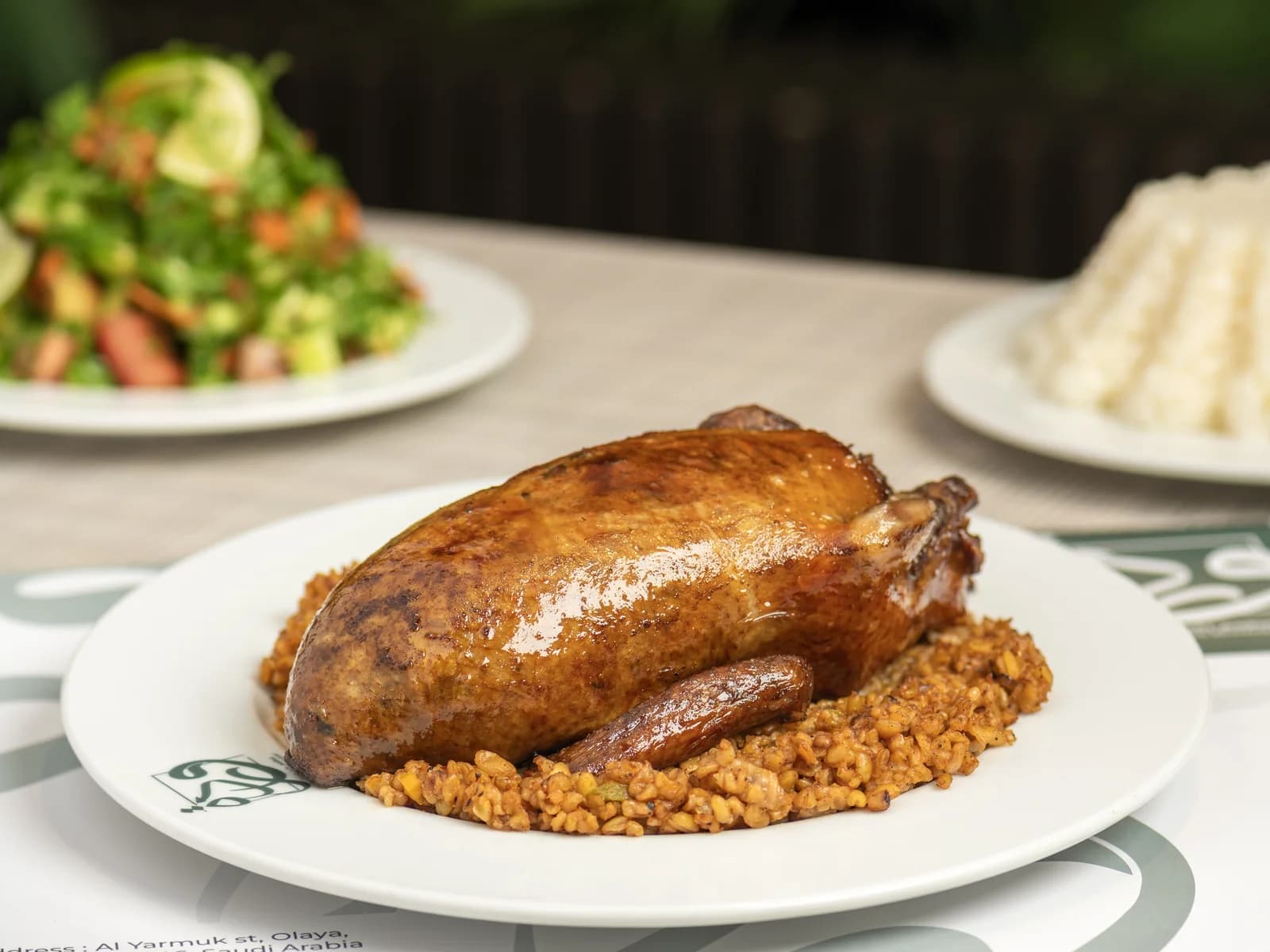
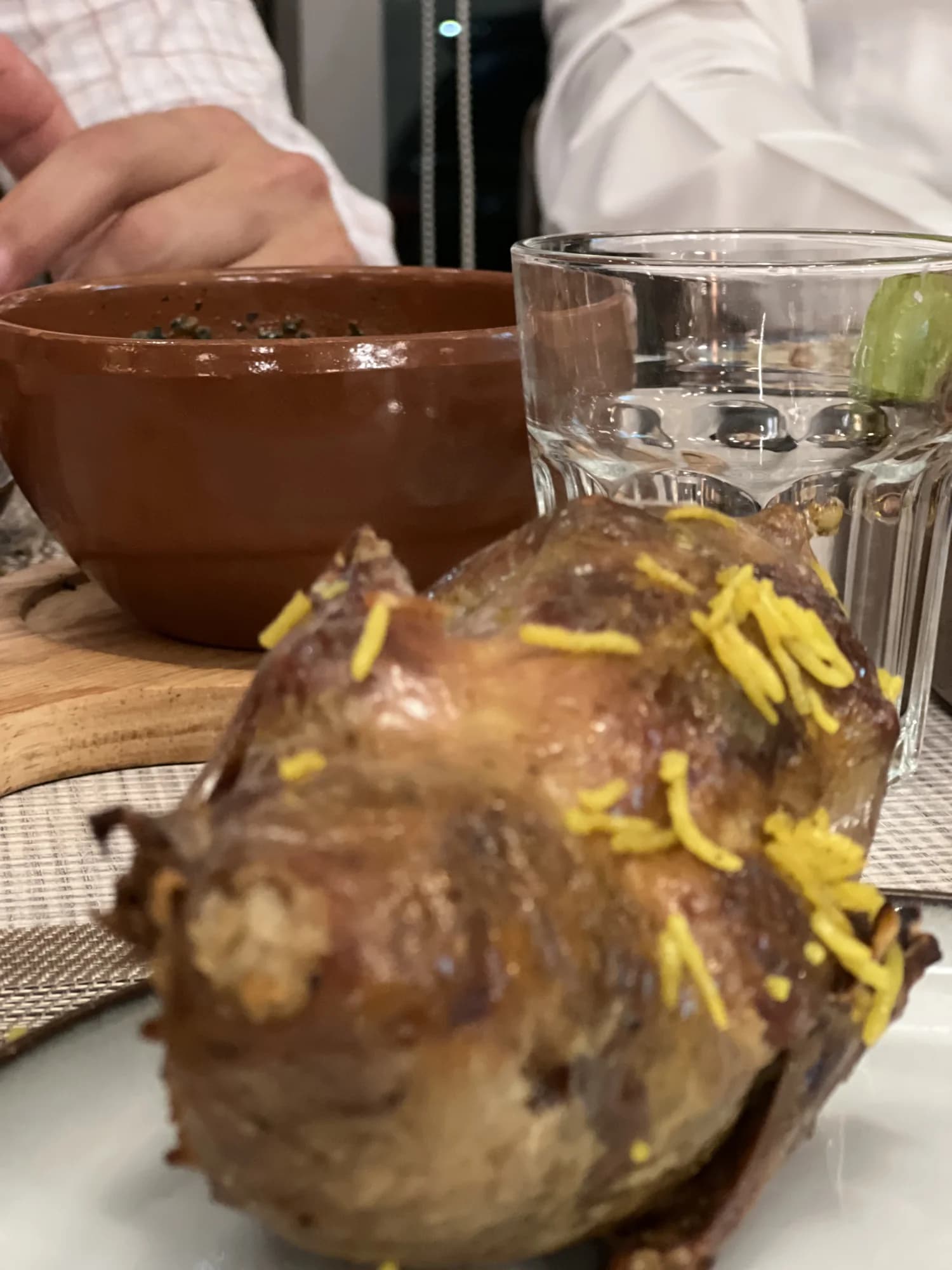
Many people outside Egypt see pigeons only as birds in city squares, so they are surprised that pigeon stuffed with freekeh or rice is one of the most generous dishes on the Egyptian table and a dish of weddings and feasts. The story begins with the mud towers of the countryside, told in Pigeon towers of the Egyptian countryside.
10. Kawareh (trotters)
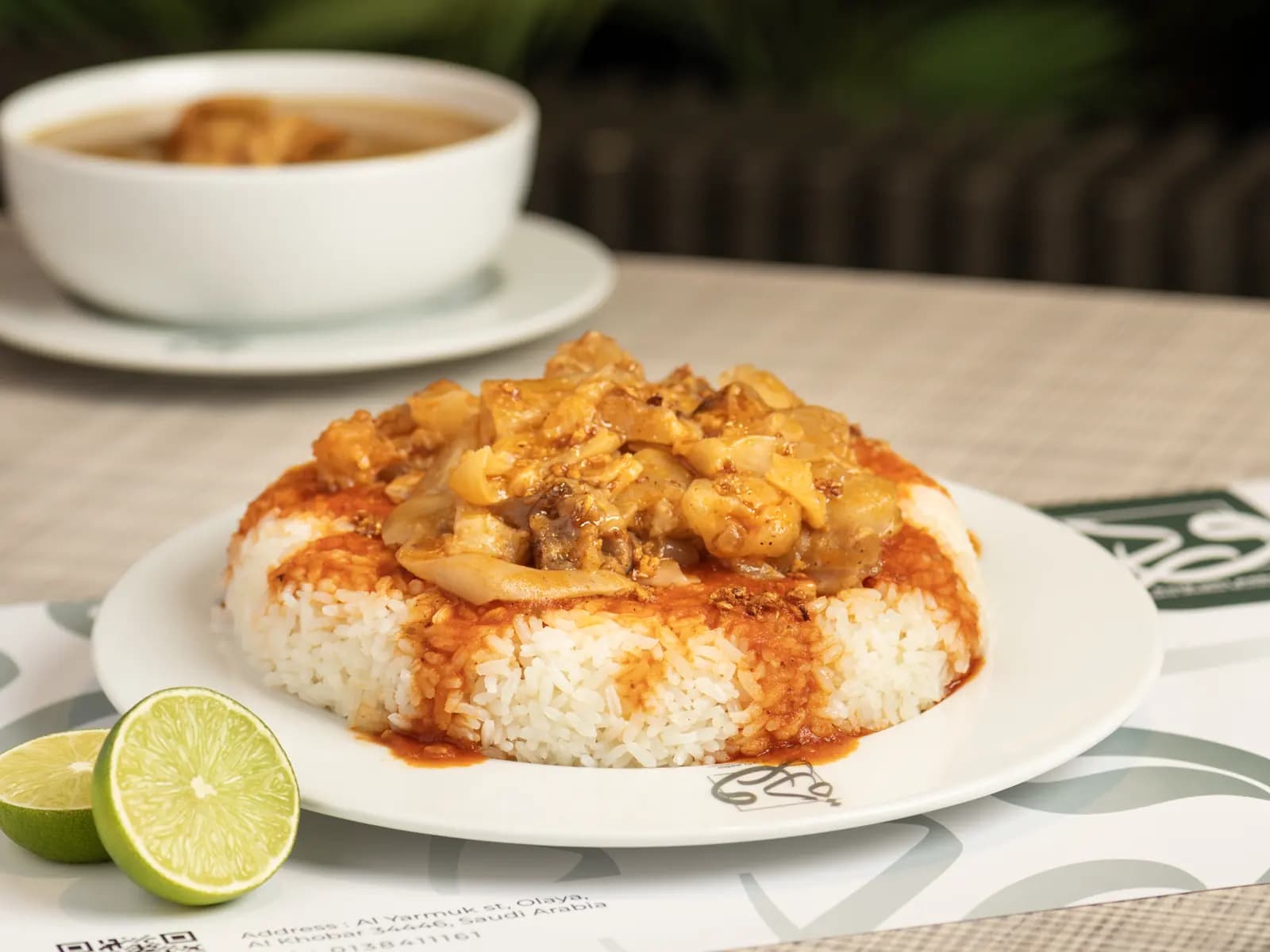
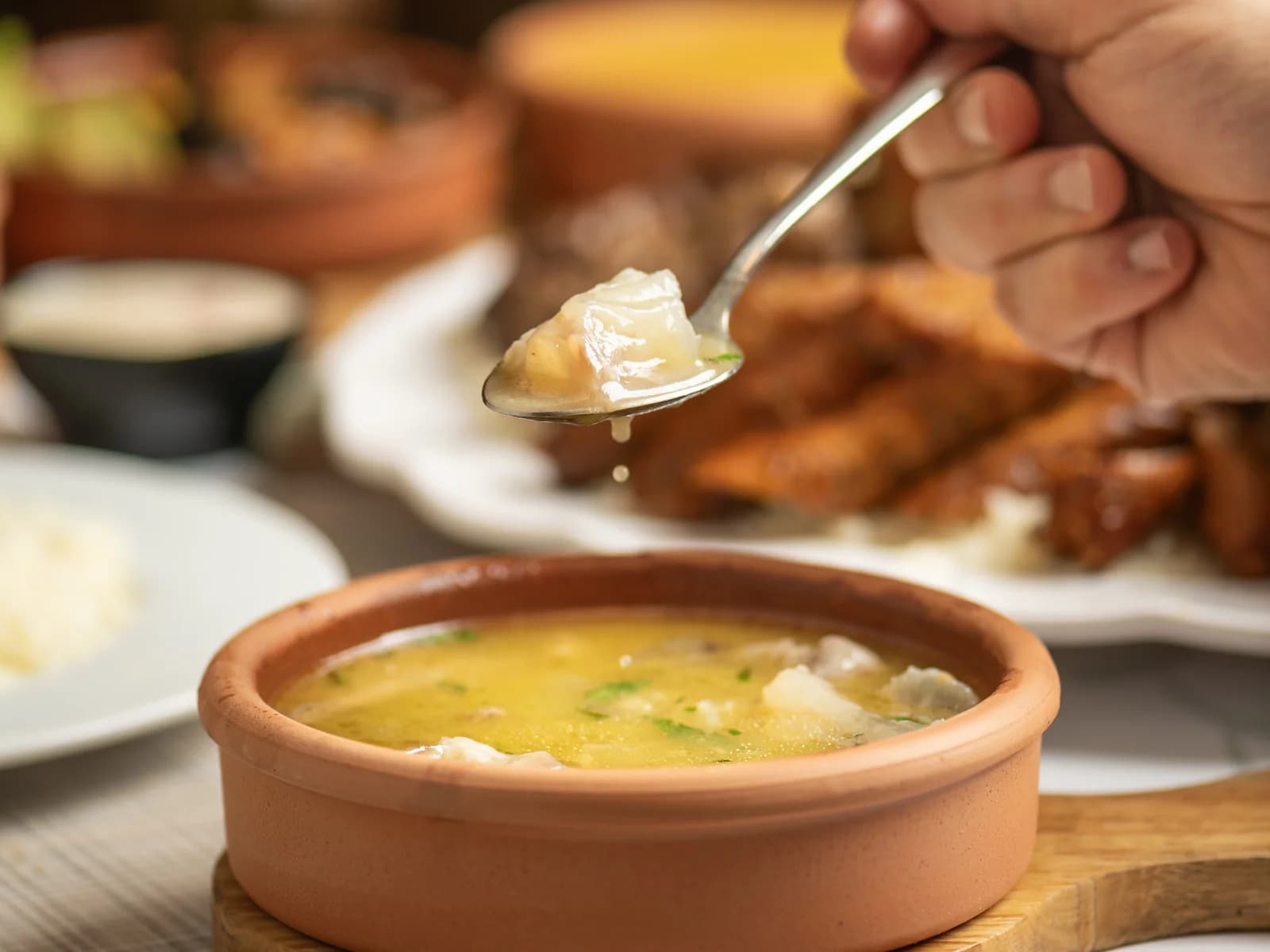
Kawareh are calf or lamb trotters, simmered gently for a long time until tender, giving a rich, thick broth; they are made into soup, fatteh and casseroles. They are the food of winter, of Eid and of popular eateries, with a large following. Read The story of kawareh in Egypt.
How to try a dish that is new to you
If you are a guest and want to take the plunge, here are a few simple ideas:
- Start with what is closest to your taste: mombar, pigeon and kawareh are close to anything a meat lover enjoys; mish and feseekh are for the more daring.
- Taste a small piece: strong-flavoured dishes are eaten in small amounts anyway, alongside bread and vegetables.
- Ask for the story: each of these dishes has one, and knowing it changes how the taste feels.
- Don't judge by the name: many people changed their minds about kawareh and mombar after the first try.
- Eat with an Egyptian: the best way to know a dish is to eat it with someone who loves it and shares their memories of it.
Frequently asked questions
What is the strangest Egyptian dish according to visitors? It varies from guest to guest, but mish, feseekh, tripe and head meat are among the dishes people ask about most, because of their strong smell or their names.
Are these dishes eaten every day in Egypt? No. Most are tied to an occasion or a season: feseekh at Sham el-Nessim, kawareh and tripe in winter and at Eid, pigeon at feasts, and om el-kholoul in beach summers.
Is Egyptian kishk the same as Levantine kishk? Both come from the same idea: preserving milk and wheat. But Saidi kishk is usually cooked into a creamy dish with broth, while Levantine kishk is ground into a powder for soups and manakish.
Which of these dishes does Rokn Warda serve? From this list we serve kawareh in several ways, mombar, and stuffed pigeon. Mish, feseekh, malouha, tripe, head meat, spleen, rabbit, om el-kholoul, kishk and bessara belong to Egyptian food culture and are not on the Rokn Warda menu.
Try part of the story in Al Khobar
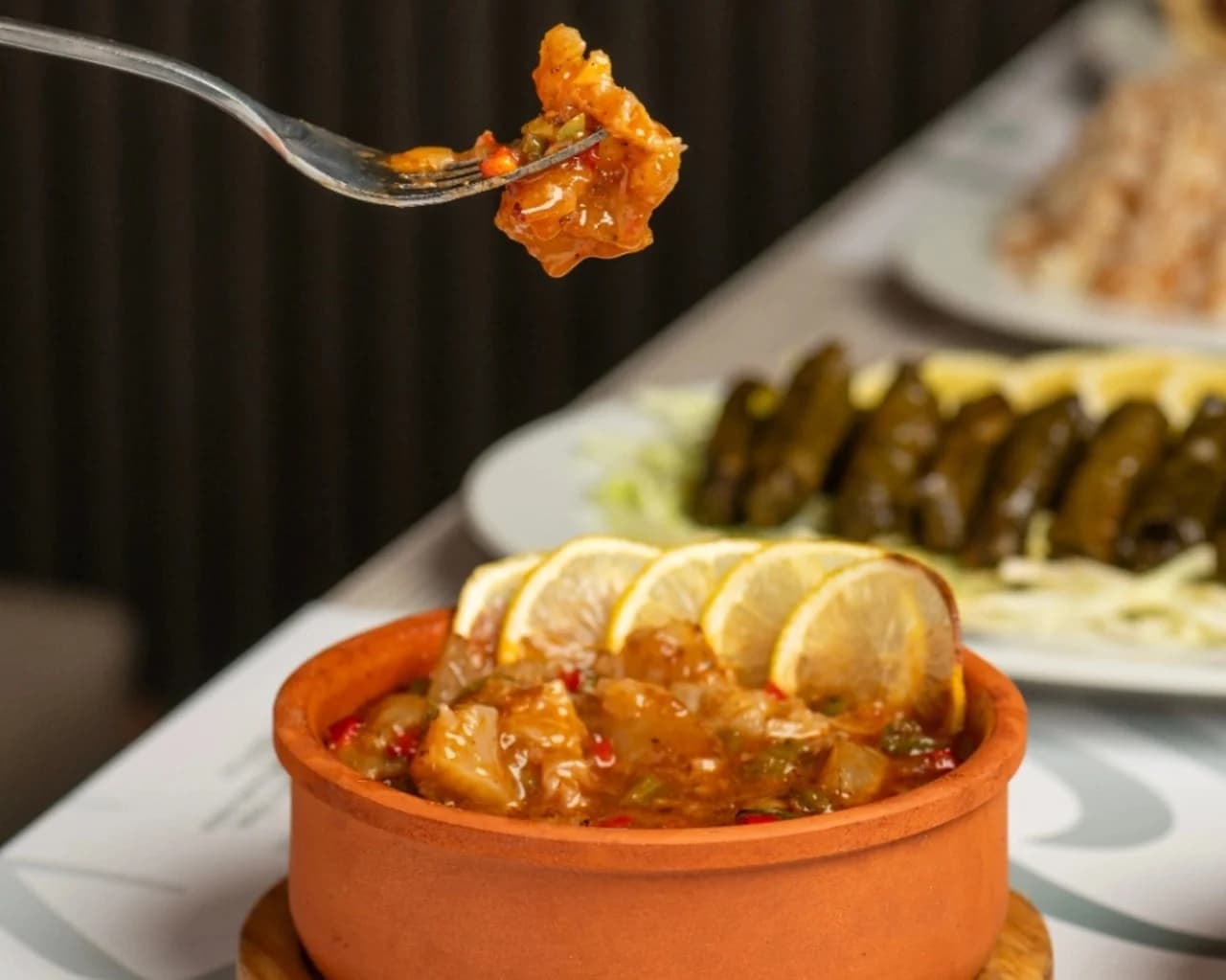
This list is the story of Egyptian cooking at its boldest, and not all of its dishes are ours. But if you would like to start your "strange food" journey with an authentic Egyptian dish, at Rokn Warda on Al Yarmouk Street in Al Khobar we have trotters soup, trotters fatteh, trotters casserole and grape leaves with trotters casserole, as well as mombar, stuffed pigeon with freekeh and stuffed pigeon with rice. Browse the full menu, and if this is your first Egyptian meal read our guide for guests from Saudi Arabia, then book your table if you are coming with family or friends.