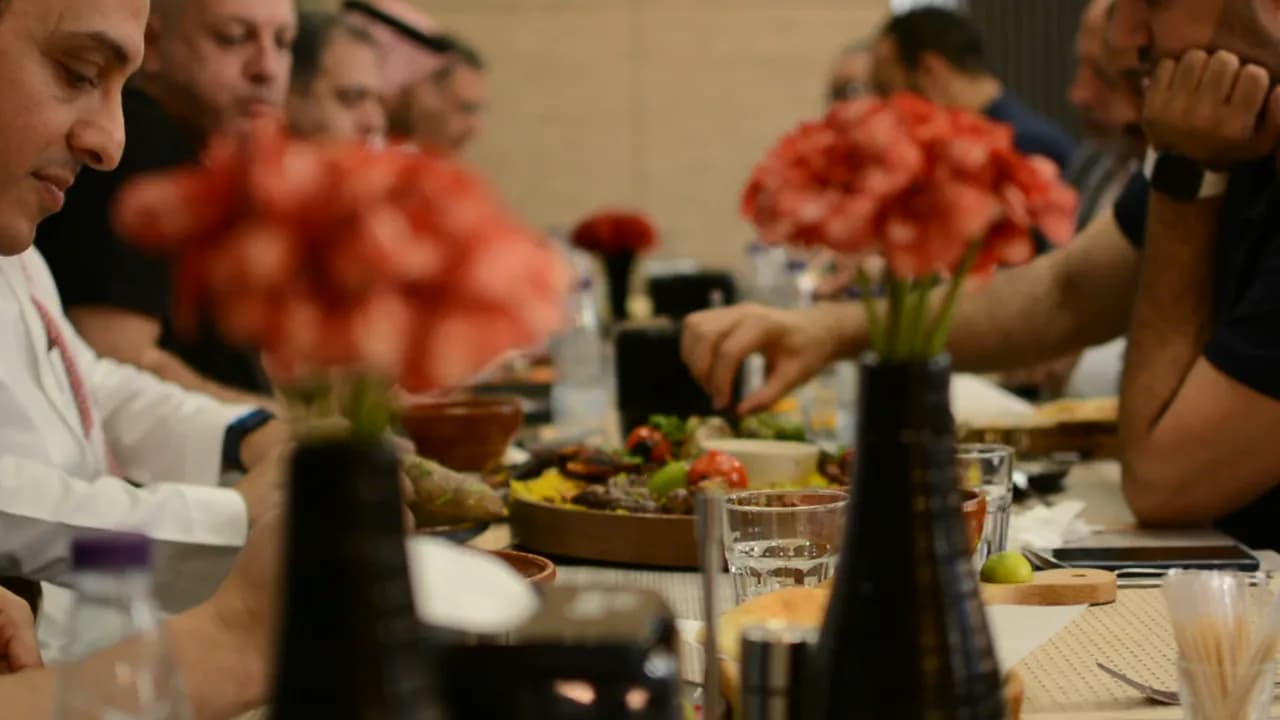
As soon as the weather warms in Egypt and spring arrives, homes begin preparing for one of the oldest and most loved festivals among Egyptians: Sham el-Nessim. It is a day when everyone heads out to gardens and the banks of the Nile, and the table tastes unlike any other day of the year. Ask any Egyptian about the foods of Sham el-Nessim and they will answer at once: feseekh, renga, coloured eggs, green onions, lettuce and termis.
In this article we tell the festival's origin as it is commonly told, the story of each food on its table and its meaning in popular tradition, and the family outing that is the soul of the day.
Sham el-Nessim: the Egyptian spring festival
Sham el-Nessim falls every year on the Monday after Coptic Easter, which is why its date changes from year to year, usually landing in April or early May. It is a social occasion celebrated by Egyptians of all backgrounds, as a popular custom and a celebration of spring and fine weather.
The festival's origin: what is said?
The widespread view is that Sham el-Nessim is one of Egypt's oldest festivals, with roots going back to the ancient Egyptians' celebration of spring and the harvest season, which is why people describe it as "a festival thousands of years old". It is also said that the word "Sham" comes from an old name for the harvest season, and that "el-Nessim" (the breeze) was added later for the pleasant breeze of that time of year. These accounts are very well known, but their exact details are not settled, so we tell them as people tell them. To learn more about the food of the pharaohs, read Food of the ancient Egyptians.
What is certain is that the festival has lived with Egyptians for a very long time, its form changing over the years while its idea stayed the same: going out into nature and celebrating spring.
After the days of fasting
Sham el-Nessim comes after Great Lent and Easter for Copts, so for many families it is a day of joy and a return to foods that were absent from the table during the fast. Read about fasting food in Coptic fasting dishes.
The foods of Sham el-Nessim and their meanings
Every food on the Sham el-Nessim table has a story, and most of these meanings are popular interpretations handed down through generations, not established facts.
Feseekh
Feseekh is fish, usually grey mullet, that is salted and left for a period until it is ready. It is the star of the table and the food everyone talks about. It also divides Egyptians: some wait for it all year, others will not go near it. Salting fish is one of the oldest ways of preserving food known along the Nile, and there are many accounts linking salted fish to the festival since ancient Egyptian times.
One piece of advice is repeated every year: buy feseekh from trusted, well-known sources.
Renga
Renga is smoked herring, the lighter choice for the many people who do not like feseekh, and it has become an essential part of the table. It is served with bread, lemon and green onions, and some homes make it into a salad or put it in the oven. Herring originally comes from distant seas, but Egyptians made it one of the festival's foods.
Coloured eggs
Colouring eggs is the children's favourite part. The eggs are boiled and coloured; in the past many homes coloured them with onion skins or natural dyes, and today with food colouring, drawings and stickers. In popular interpretation the egg is a symbol of new life and the start of spring, and a well-known story says that people long ago wrote their wishes on eggs.
Green onions
Green onions are the companion of feseekh and renga on the table. A popular story says that onions had a place in ancient celebrations and that homes of old hung them on doors at this time of year, but these are folk tales that are told, nothing more.
Lettuce, termis and malana
- Lettuce: a spring green, said to have been among the plants known to the ancient Egyptians.
- Termis (lupin beans): soaked until their bitterness is gone, and eaten as a snack on the outing.
- Malana: green chickpeas, eaten as they are or roasted in many areas.
All these greens are bright and refreshing, as if the table itself were celebrating spring.
The outing: the soul of the day
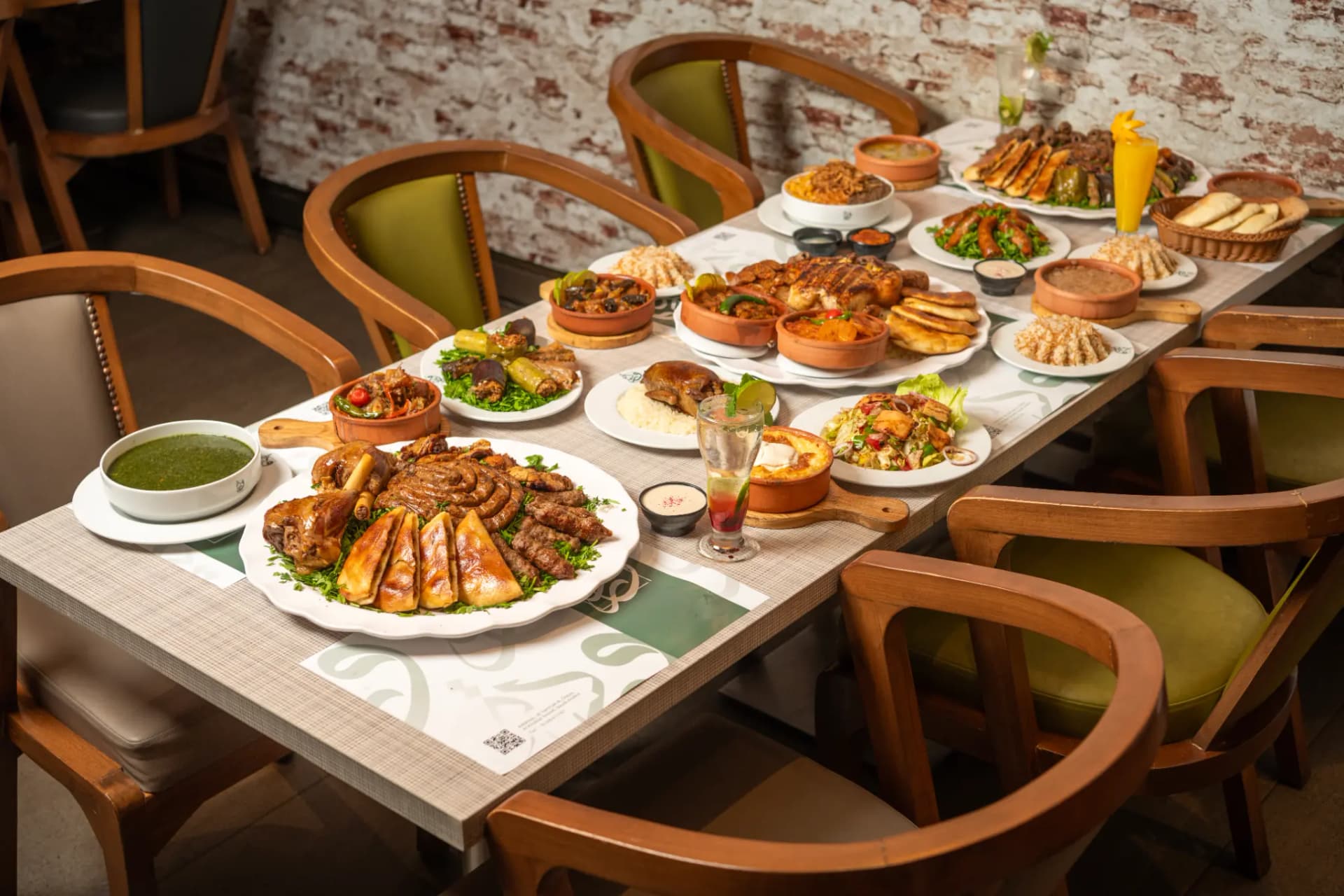
Sham el-Nessim is not only about food. From early morning families pack the food and head out: gardens and public parks, the banks of the Nile, the Delta Barrages (El-Qanater El-Khayreya) and boats on the river. Children play and run around with their coloured eggs, the grown-ups sit on mats talking and laughing, and the gathering lasts until sunset. Many prefer to leave early before the crowds, because open spaces fill up on this day and every family looks for a green spot to sit. Details of the day people remember:
- The family gathering, of every age.
- The basket with all the food wrapped inside.
- Baladi bread beside everything (read The story of Egyptian baladi bread).
- The pleasant breeze, which the festival is said to be named after.
Sham el-Nessim far from Egypt
Egyptians living outside Egypt, many of them in the Gulf, try to keep the day in their own way: a family gathering, an outing to an open space, and coloured eggs for the children. Every home does what it can, and some families gather with friends from back home so the day feels like the old days. What matters is that the joy and togetherness remain, and that the children know the story of this festival and feel it.
Frequently asked questions
When is Sham el-Nessim? On the Monday after Coptic Easter, which is why its date changes every year, usually falling in April or early May.
Why is feseekh eaten on Sham el-Nessim in particular? There are many accounts; the best known is that eating salted fish is an old custom tied to the festival since long ago. What is certain is that it has become a firm tradition passed down through families.
What is the difference between feseekh and renga? Feseekh is salted fish and renga is smoked fish. Their taste and smell are different, and many homes put both on the table.
Why are eggs coloured on Sham el-Nessim? In popular interpretation the egg symbolises a new beginning and new life, and colouring it became the children's joy on this day; every home has its own colours and designs.
Is Sham el-Nessim an occasion for all Egyptians? Yes. Egyptians of all backgrounds celebrate it as a social occasion and a spring festival, even though its date is tied to Coptic Easter.
From the spring table to an Egyptian table in Al Khobar
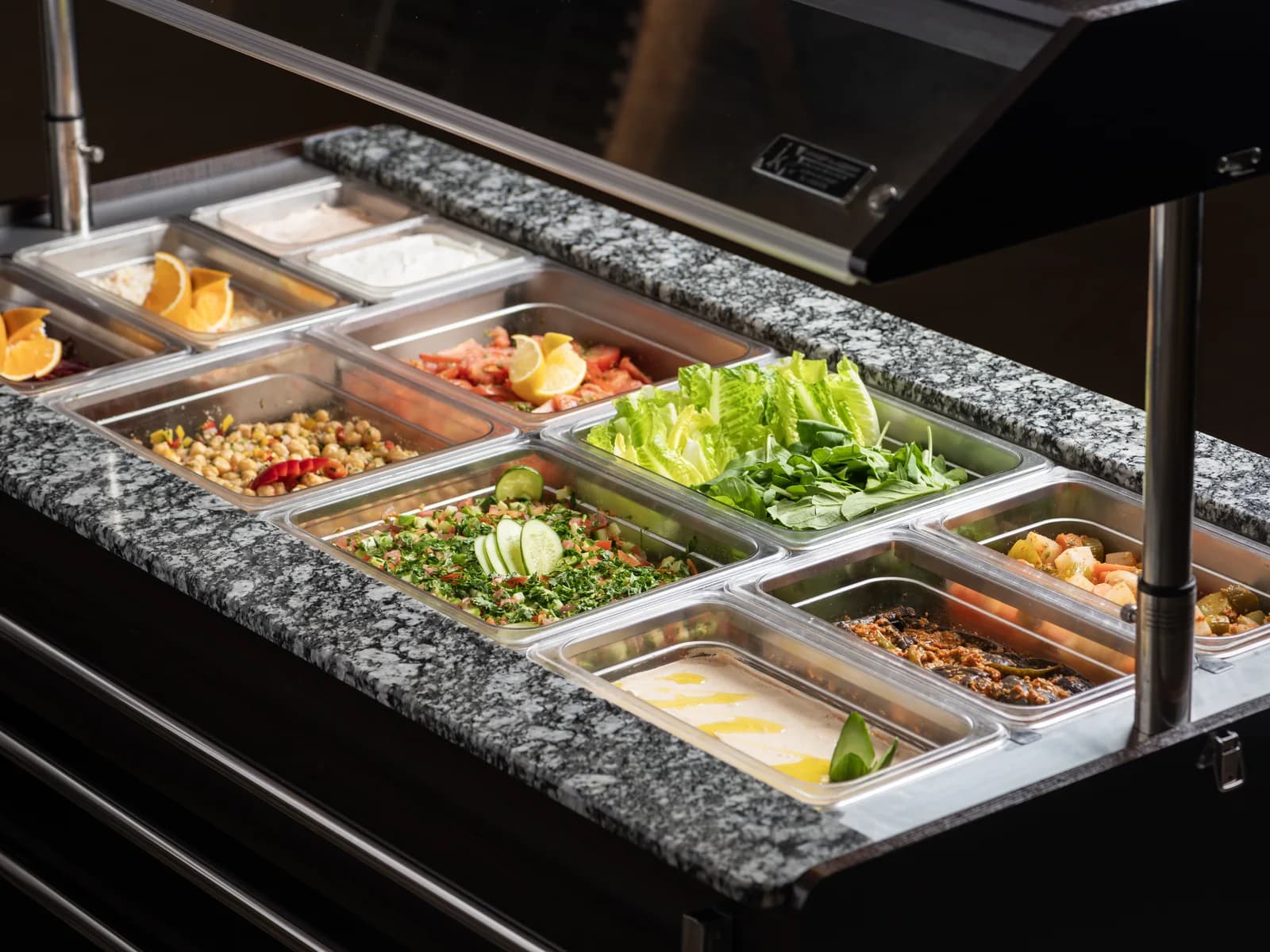
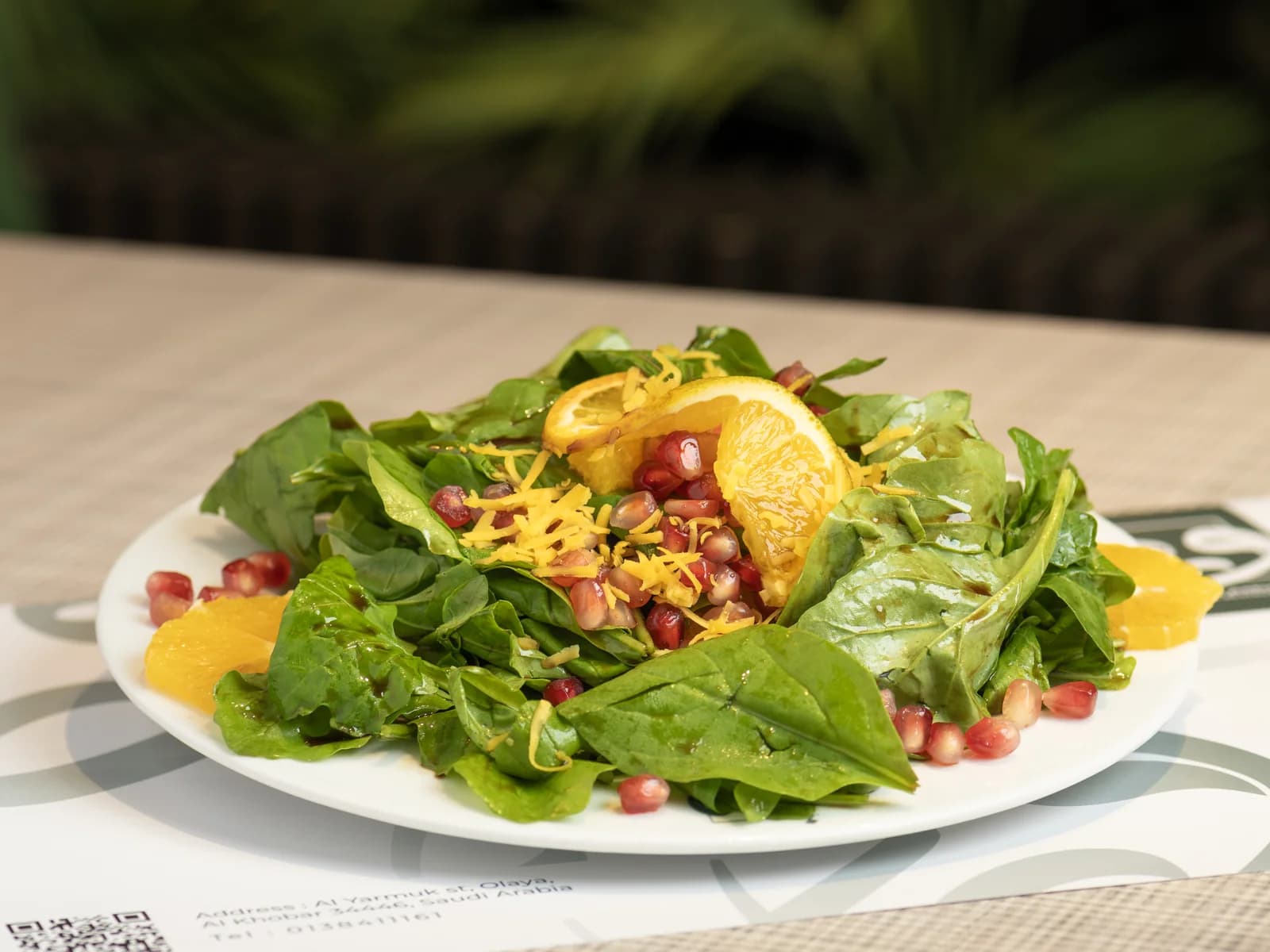
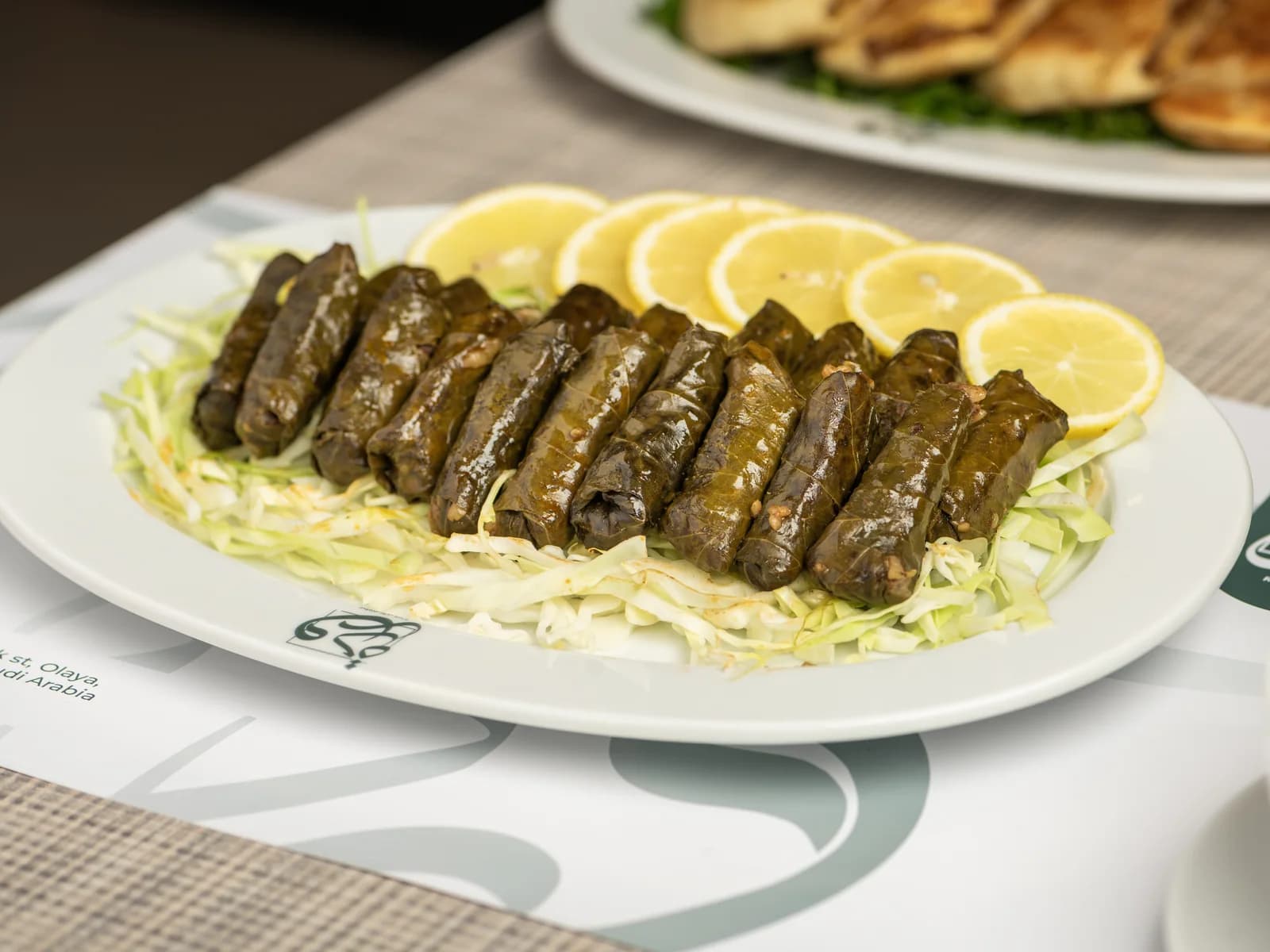
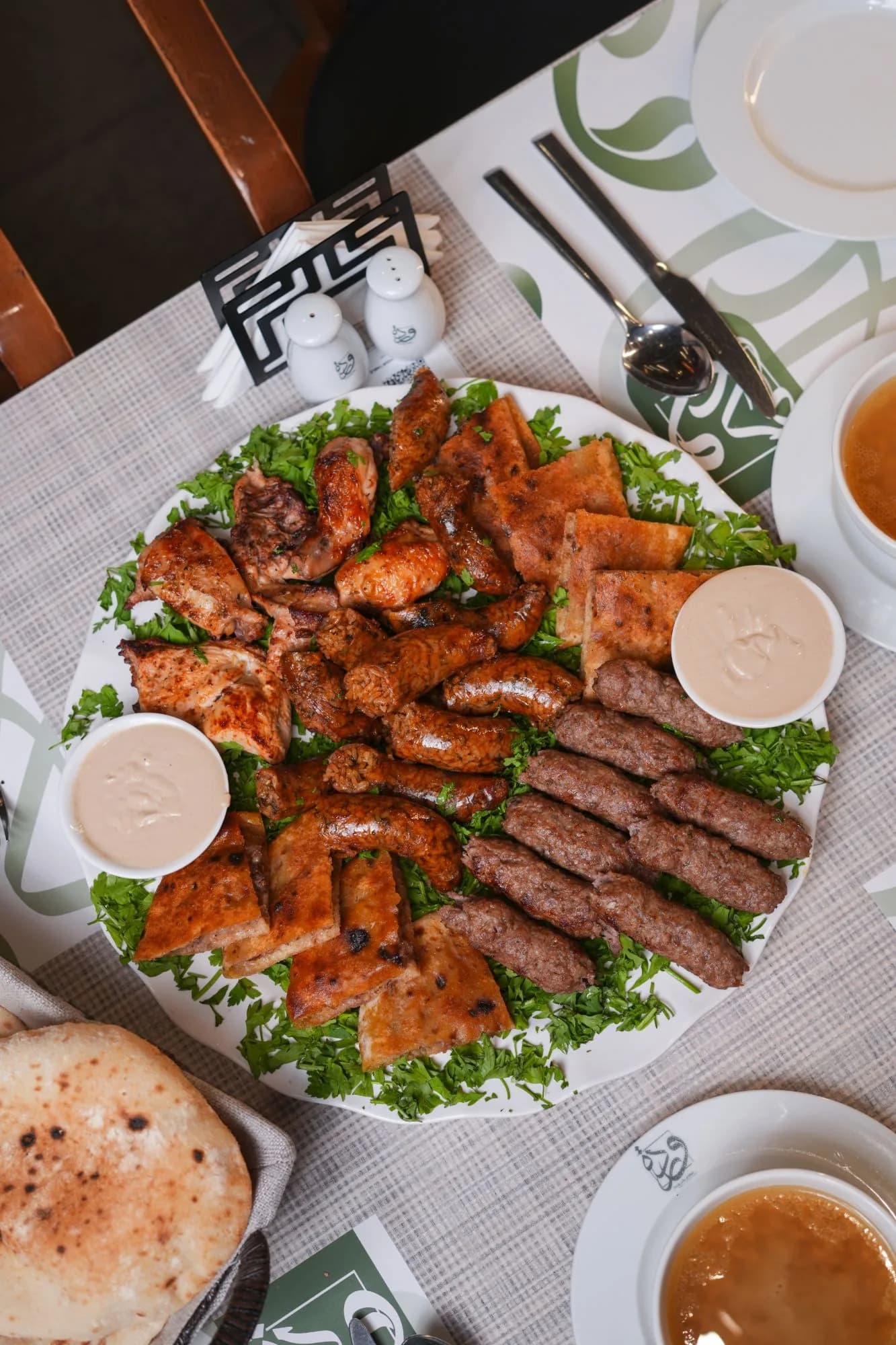
The foods of Sham el-Nessim are an Egyptian story that lives in homes and gardens, and they are not dishes on Rokn Warda's menu. But the spirit of the day, the gathering, the full table and the family around it, is what we love. If you would like to gather your family around an Egyptian table in Al Khobar, choose from the menu fresh, green dishes such as arugula and pomegranate salad, the salad buffet and stuffed grape leaves, or a sharing tray such as the family tray with mixed grills over charcoal, and book your table on Al Yarmouk Street. For the meaning of gathering around the table, read The Egyptian table and hospitality.