Ask any Egyptian about breakfast and the first word you will probably hear is ful medames. A simple dish of slow-cooked fava beans, a loaf of baladi bread, and a little oil, cumin and lemon, yet it has lived in Egyptians' lives for a very long time, at home, in the street and at the Ramadan suhoor. This article is about the story of the "qidra" of ful: how it is made, the stories told about its origin, and why it became every Egyptian's breakfast.
What is ful medames?
Ful medames is dried fava beans that are soaked and then left to cook over a very low heat for many hours, until they are completely soft and close to mashed. The whole secret is time and a gentle heat, not a lot of spices.
As for the word "medames" itself, there are many accounts of its origin:
- Some say it comes from "dams", meaning burying or covering, because the pot used to be buried in hot ashes or left tucked away beside the fire all night.
- Some link it to old cooking places that used the heat of ovens and furnaces.
- And some trace it back to even older roots.
Honestly, there is no single confirmed view; what matters is the meaning that reached us: slow cooking in a gentle, hidden heat.
Ful in Egypt since long ago
Fava beans are among the pulses known in Egypt since ancient times, and it is said they were people's food in very distant eras, though historians differ on the details. What nobody disputes is that ful became, over time, everyone's food: rich and poor, farmer and city dweller, each eating it their own way. If you love old stories, read the food of the ancient Egyptians.
Ful is not only medames
The same fava bean gave Egyptian cooking many other dishes: Egyptian taameya, made from split fava beans with green herbs; bessara, made from crushed fava beans with greens such as dill and coriander; and ful nabet, sprouted beans that many homes make into a soup in winter. It shows how deeply the fava bean runs through Egyptian cooking, from breakfast to dinner.
The qidra: the secret of slow cooking
The qidra is the pot ful is cooked in: a wide belly and a narrow neck, a shape that helps the heat spread gently and keeps the water from evaporating quickly. It used to be made of copper or clay, and later of other metals. The shape of the qidra itself became a symbol of ful; see the qidra and you know there is ful.
The bathhouse furnace story
One of the best-known stories about ful medames in old Cairo is that pots of ful were left all night beside the furnace of the public bathhouses, the place where the fire heated the bath water. That fire burned constantly, so instead of its heat going to waste, the ful cooked slowly on it until morning.
This story is told often and appears in many articles about Egyptian food, but it is a popular tale more than a fact documented in certain detail, and it may have happened in some places and not in others. In the end it carries a true idea: ful needs a gentle heat and a long time.
The qidra at home and in the shop
At home, people cooked ful over a low flame from the night before, and in ful shops the big qidra stayed on the fire from before dawn so it would be ready for the first customer. It is like the idea behind casseroles and slow cooking: Egyptian food loves patience.
The ful cart: street breakfast
There is no picture of morning in Egypt's streets without the ful cart: a cart carrying a big qidra, with baladi bread beside it, plates of pickles, rocket and onion, and people standing around it before work and school. The seller ladles from the qidra, adds the oil and spices, makes sandwiches quickly and answers each person's order: "With hot oil? Or with tahini?"
Almost every neighbourhood has its favourite ful cart, people argue jokingly about whose ful is best, and everyone believes the cart on their own street is the real one.
This cart is part of the whole history of Egyptian street food, told in full in the history of street food in Egypt. Next to ful you will usually find taameya, which in Egypt is made from fava beans too; its story is in the origin of taameya and falafel.
Ways to serve ful: everyone has their own taste
Ful is one dish, but its dressings are many, and every home and every cart has its own way:
- With hot oil (zeit har): the most popular way, with a strong, distinctive aroma; many say it is linseed oil.
- With olive oil: lighter and gentler, with cumin, lemon and salt.
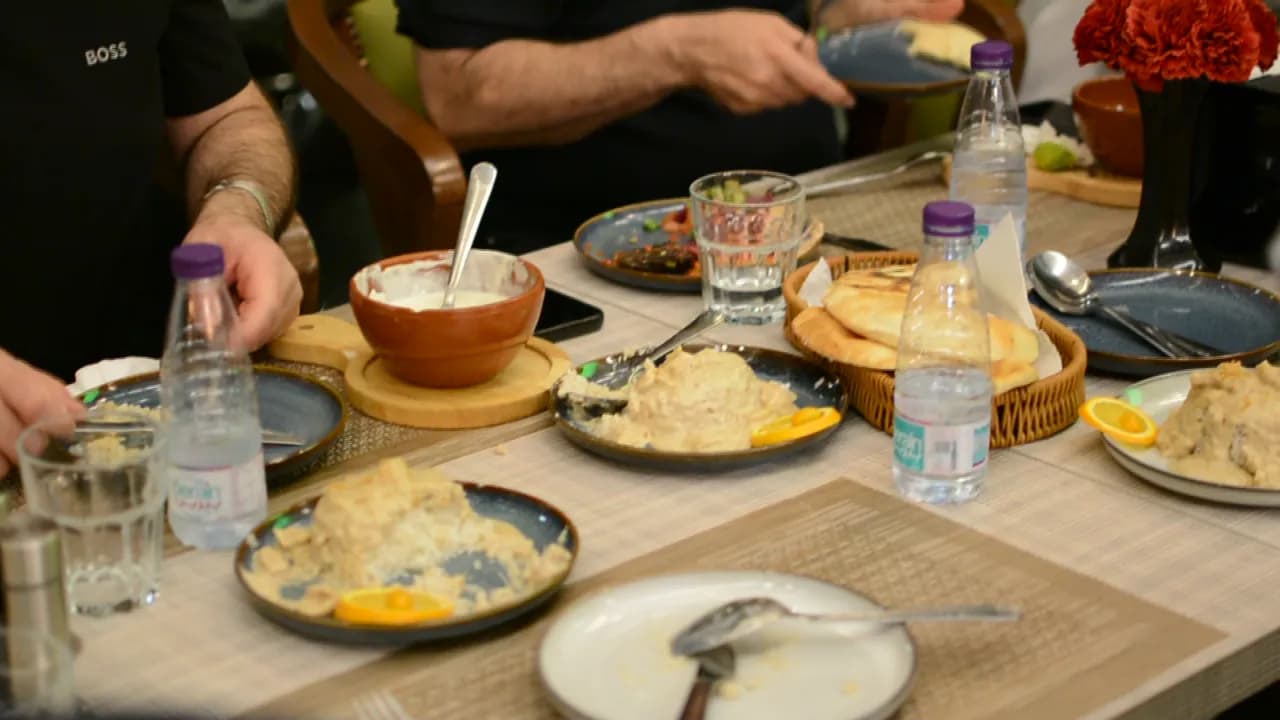
- With tahini: the beans are mashed and mixed with tahini and lemon for a creamy texture.
- Alexandrian style (eskandarani): ful with chopped tomatoes, peppers, onion and garlic, sometimes with chilli. A style attributed to Alexandria, as the name says.
- With ghee (samna): the warm home-style way, especially in winter.
- With eggs or pastirma: an extra for weekend breakfasts.
It is no surprise to find two people at the same table, one adding plenty of lemon and the other wanting none at all; ful is a dish that suits every taste.
And always beside it baladi bread, whose story is in the story of baladi bread, with pickles and spring onions.
Ful in Ramadan and during fasts
Ful is one of the best-known suhoor dishes in Ramadan in many Egyptian homes, with the family gathering around it before dawn. It is also a food of the Coptic fast because it is plant-based, like the fasting dishes of Egypt. Ramadan customs as a whole are in Ramadan and Eid food in Egypt.
Frequently asked questions
Why is it called "medames"? There are many accounts: one says the word comes from "dams", covering or burying in hot ashes, and there are others; no single origin is confirmed.
Was ful really cooked in the old bathhouses? It is one of the best-known stories about old Cairo, that pots were left beside the bathhouse furnace all night, but it is a popular tale and not documented in certain detail.
What is the difference between Alexandrian ful and the regular kind? Alexandrian ful is mixed with chopped tomatoes, peppers, onion and garlic, while the regular kind is served with oil, cumin and lemon, or with tahini.
Is ful on Rokn Warda's menu? No, ful is not one of the dishes on Rokn Warda's menu. This article is about its story as part of Egyptian food culture.
From the story of ful to our table
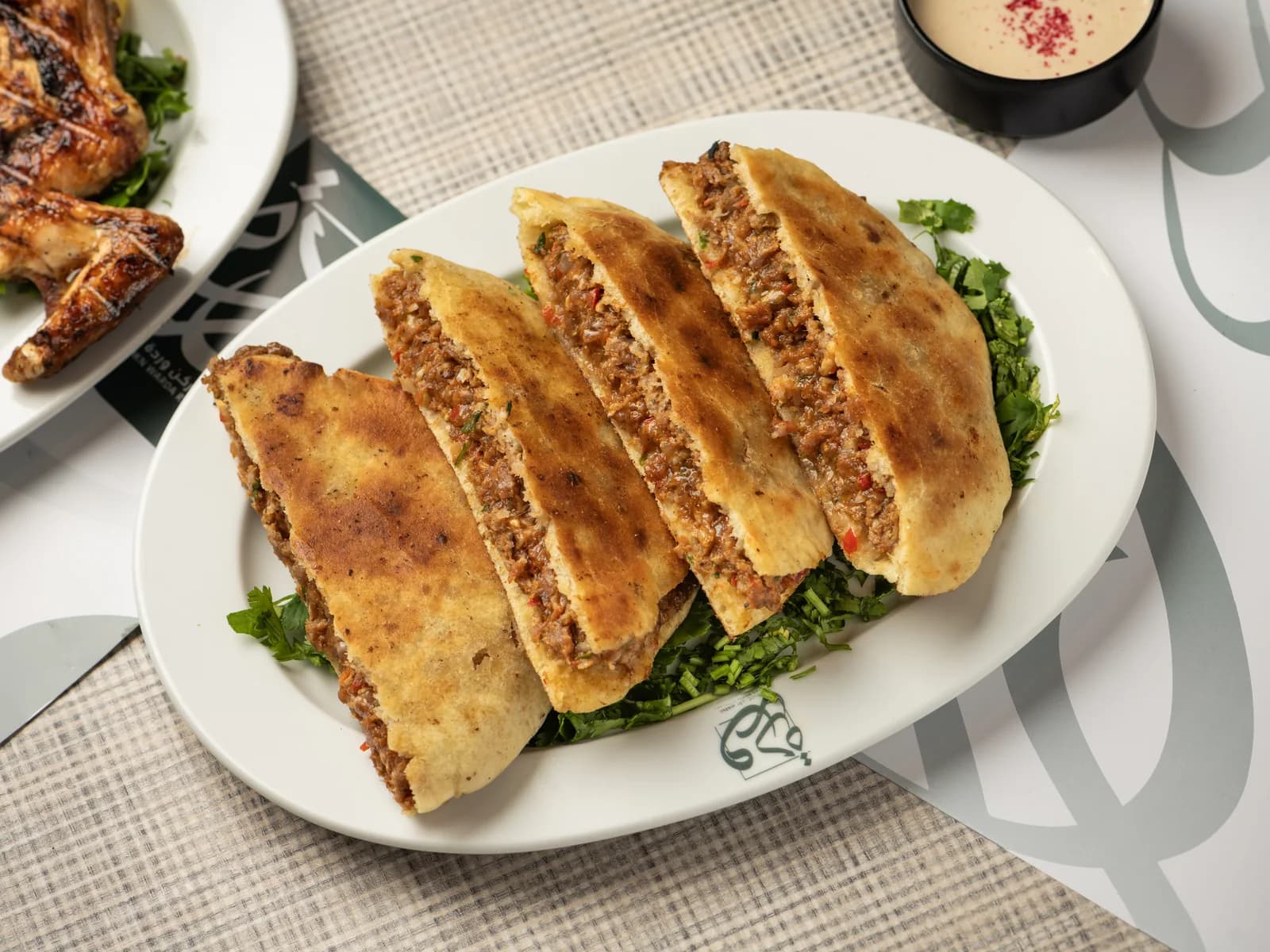
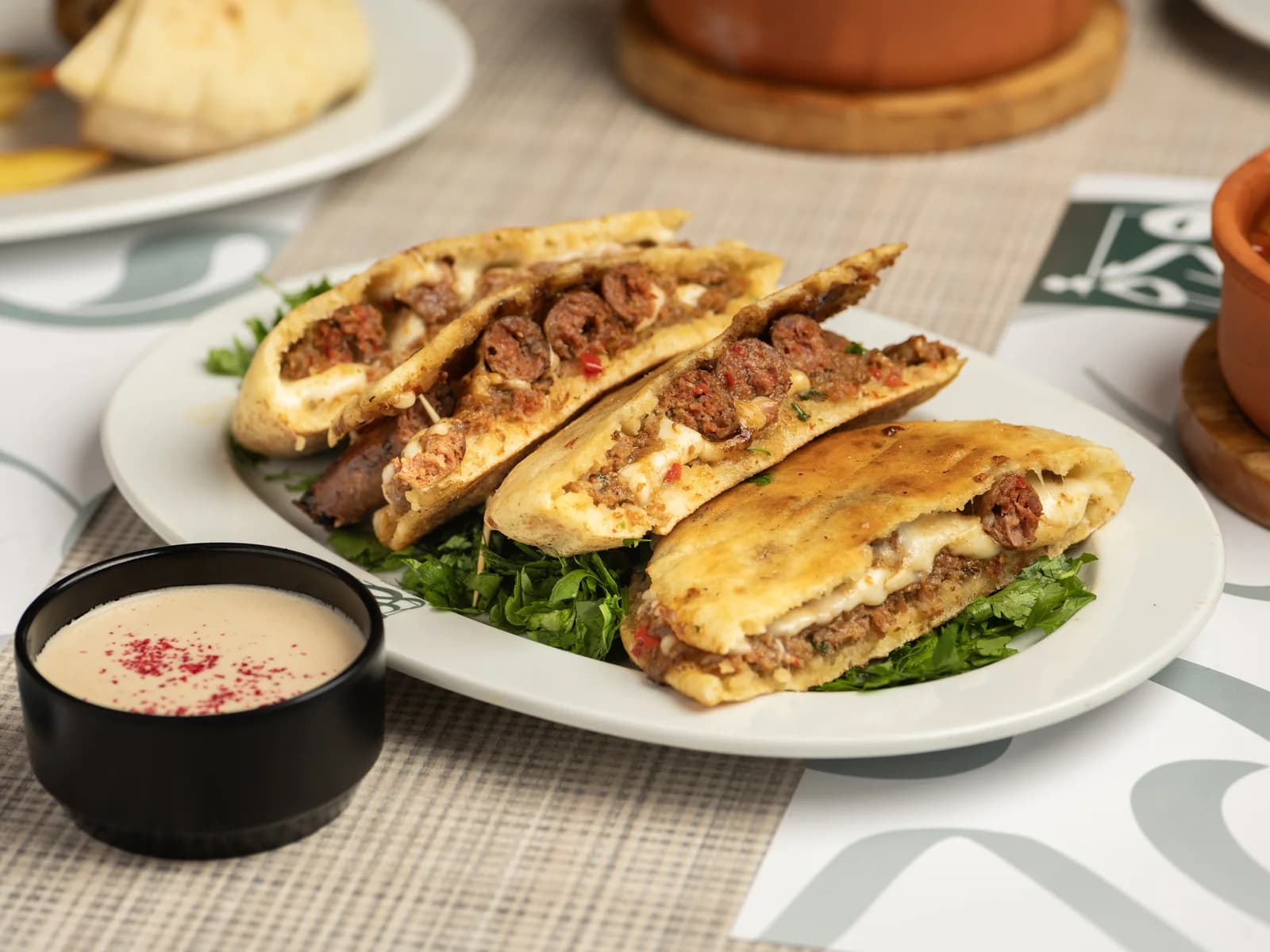
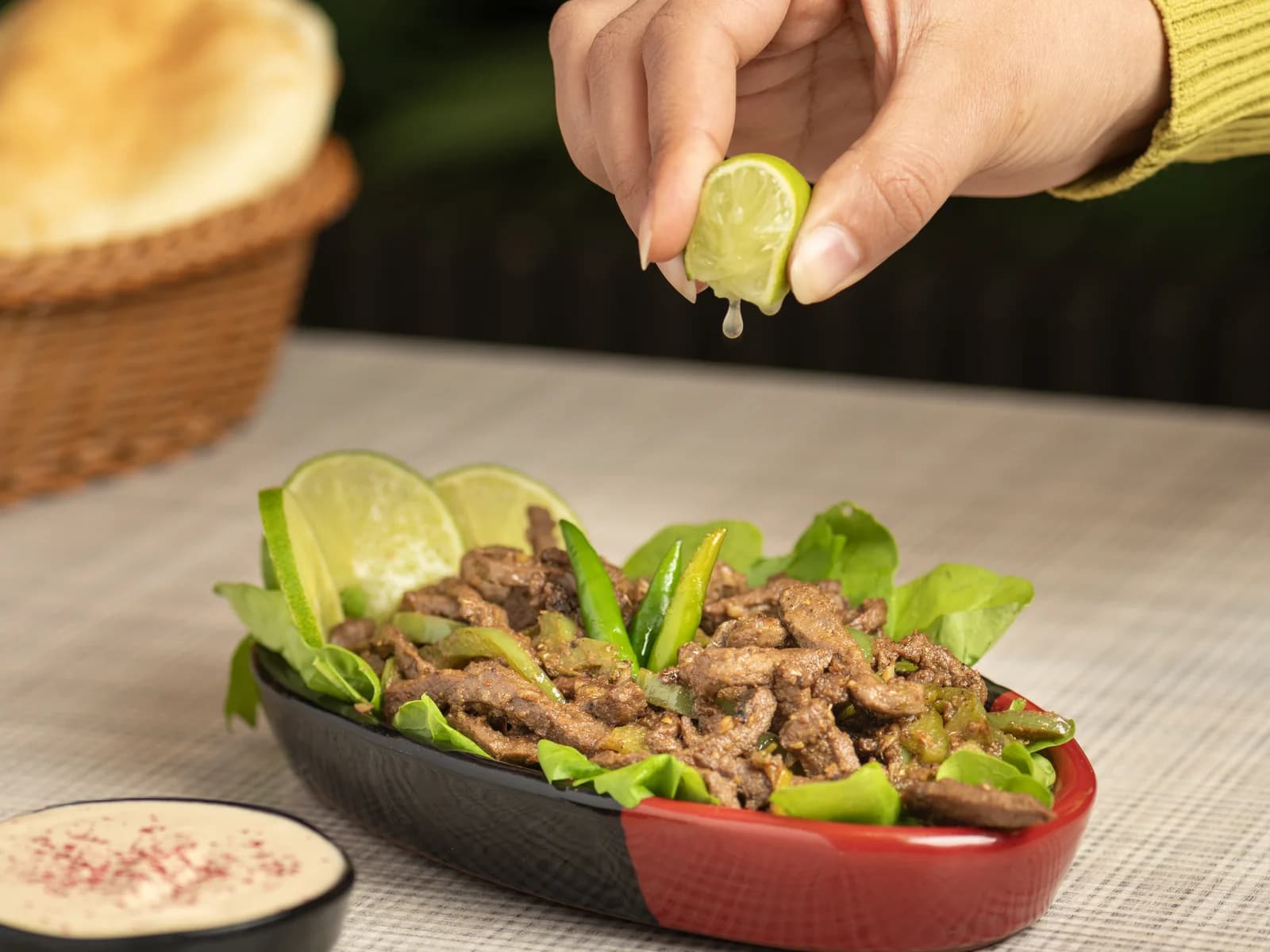
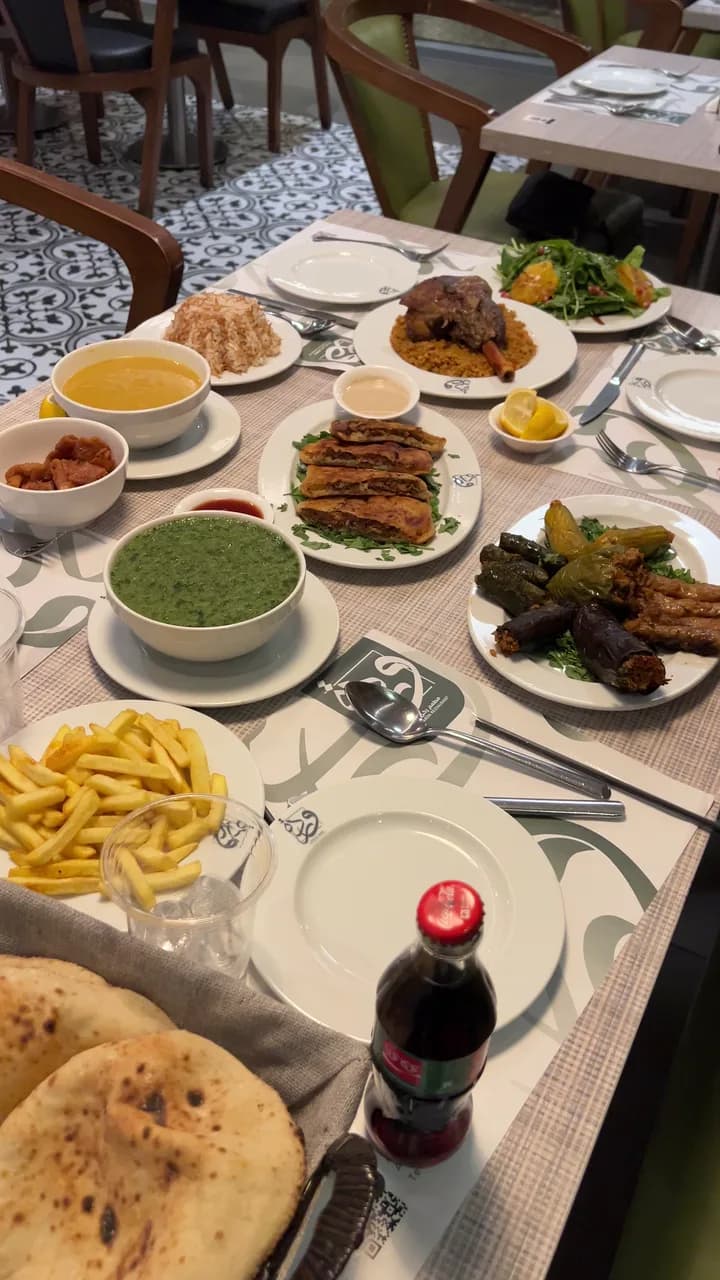
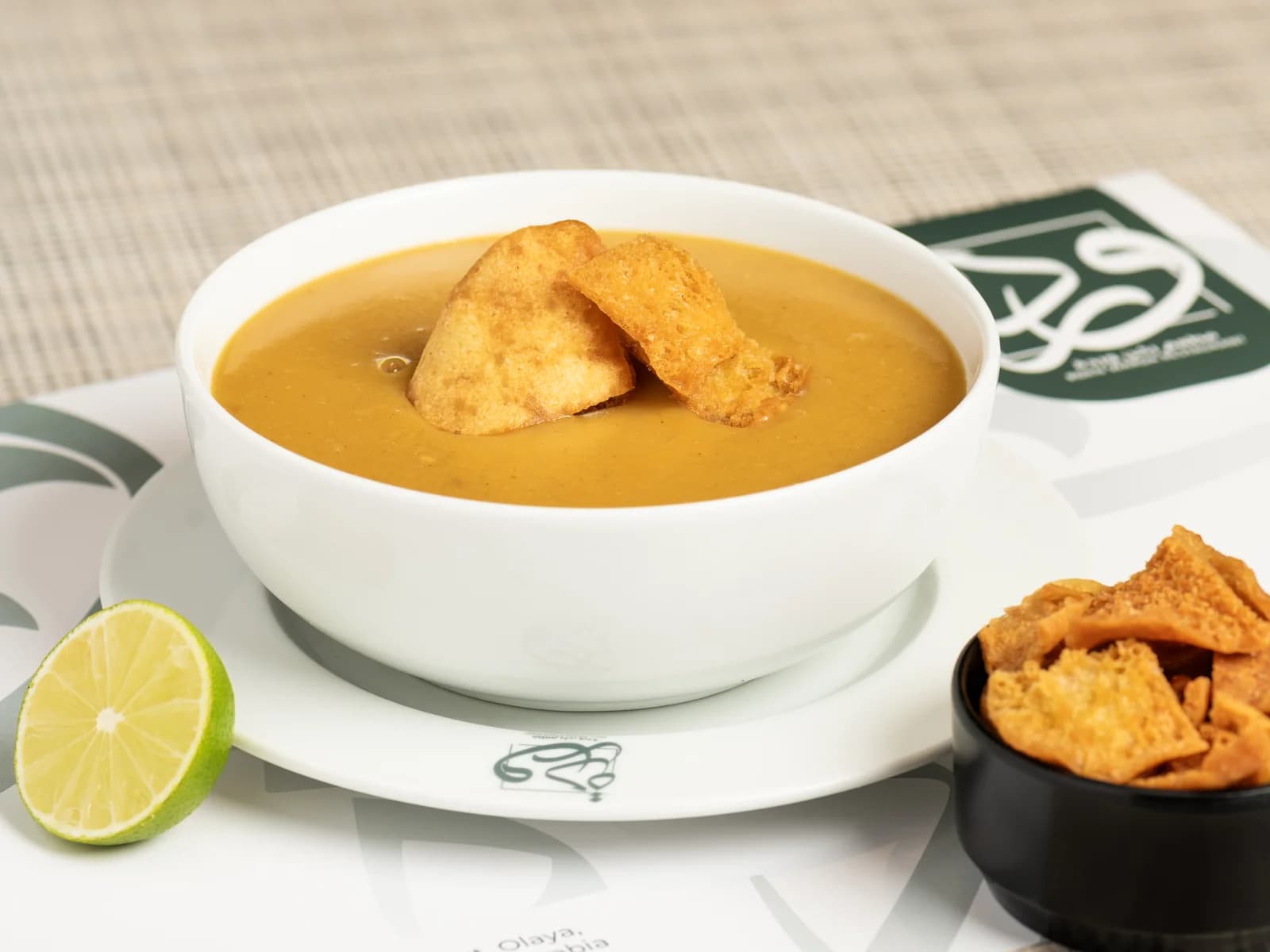
Ful is not on Rokn Warda's menu, but the same spirit of simple, warm Egyptian food lives in other dishes we serve, such as lentil soup that warms up a gathering, meat hawawshi that comes from the spirit of street food, and Alexandrian liver that brings Alexandria to mind. To carry on the story, read the history of street food in Egypt.
Browse the menu at your leisure, and if you are in Al Khobar and would like to sit with the family at an Egyptian table, book your table.