Ask any Egyptian "Where does falafel come from?" and the answer is ready before you finish the question: "From us, of course!" Ask someone from another country and you will hear exactly the same confidence. That is what makes Egyptian taameya one of the best friendly debates at any breakfast table: who came first, who invented it, and who makes it right? In this article we will joke a little and tell a lot, but honestly: nobody can say for certain where this dish began, and everything we say about its beginnings is stories and theories, nothing more.
Egyptian taameya: crushed fava beans and lots of green herbs
Two things set taameya apart in most of Egypt. First, it is made from crushed dried fava beans (dried broad beans, skinned and split), not chickpeas. Second, it is green inside, because the mixture is blended with plenty of fresh herbs.
The mixture you find in every home
- Split fava beans soaked in water until soft, without being cooked.
- Fresh coriander, parsley and dill, and some people like to add leeks.
- Onion and garlic, a little cumin, ground coriander and salt.
- And finally sesame seeds on top for many people, for the crunch.
The mixture is ground fine, left to rest a little, then shaped into patties and dropped into hot oil. When they come out and you break one open, it is light green inside and smells of coriander. Every Egyptian knows that scene from the ful cart in the morning, and from the baladi bread sandwich with tahini, salad and pickles.
And note: even inside Egypt there are differences. In Alexandria, for example, many people say "falafel" rather than "taameya", which opens a small Cairo-versus-Alexandria debate before we even reach another country!
Shapes on every cart
- The round patty, small or large depending on the shop.
- Sesame taameya, its surface covered in toasted sesame.
- Stuffed taameya, which some shops fill with onion, chilli or extra herbs.
Every shop swears by its own "secret": one says it is in how the beans are soaked, another says it is the amount of coriander, a third insists the whole secret is the oil and how hot it is. Sit with your friends and ask which ful cart was the best in your old neighbourhood, and each one will have a cart they never changed. That too is a true Egyptian debate!
And falafel outside Egypt? Chickpeas and another flavour
In the Levant and many other countries, the well-known falafel is usually made from chickpeas, sometimes from a mix of chickpeas and fava beans, and served in bread with tahini, vegetables and pickles, each country with its own way, spices and sizes. The result is a sister dish to taameya: the same idea, with a slightly different texture and taste.
There is no "better" or "worse" here. It is like comparing two brothers: each has his own character, and someone who loves soft green taameya may also love crunchy chickpea falafel, and the other way round. The lovely thing is that this dish travelled, and every kitchen loved it and made it its own way, which is reason enough for it to bring people together rather than divide them.
Who came first? The stories people tell
This is where the real debate begins. There is no conclusive source that tells us when and where the first taameya or the first falafel was made, and everything said about it is theory, some of it reasonable and some closer to folklore. The best known:
The "Egyptian origin" story
It is said that taameya started in Egypt, because fava beans are an old, deeply rooted Egyptian food, and Egyptians have long made many dishes from them. Some people go further and say it dates back to the Pharaohs, but that is a popular claim, not a proven one, and there is no known evidence for it.
The "fasting food" story
Another well-known story links taameya to Coptic fasting, because during fasting periods Copts abstain from food containing animal products, so they needed a filling dish made from pulses and herbs. The story is reasonable and well loved, but it is still a story, not a documented historical fact. For fasting dishes in general, read Egyptian Lent and fasting dishes.
The "travelled through the ports" story
There is also a view that the dish moved from Egypt to the Levant through trade and the ports, where chickpeas became the base. That too is a guess people repeat, not written history we can point to.
Even the name "falafel" itself has several competing explanations, and nobody has closed the subject to this day.
The honest conclusion: the origin is not known for sure. What is certain is that Egyptian taameya, made with fava beans and herbs, is a genuine Egyptian popular food in the sense that matters to us: it is eaten everywhere in Egypt, loved by young and old, and holds a big place in people's memories. So if someone tells you confidently that the matter is settled in favour of one country, listen with a smile, treat them to a sandwich, and carry on talking while you eat; a good debate never ends with a final verdict.
Taameya in an Egyptian's day
Talk about taameya without talking about the Egyptian breakfast and you have forgotten half the story. Taameya and ful are an inseparable pair:
- Breakfast before work and school: a hot taameya sandwich from the cart or the shop on the corner.
- Friday breakfast at home: a plate of ful, taameya, eggs, baladi bread, salad and pickles, with the whole family around the low table.
- Suhoor in Ramadan: in many homes ful is a staple of the pre-dawn meal, and sometimes taameya comes with it.
That is where taameya's place comes from: an affordable, filling food that is easy to find on any street, so it became part of many people's day without anyone stopping to ask where it came from in the first place.
We have a full article about the world of food carts and popular shops: Egyptian street food. For taameya's first companion, read the story of ful medames, and for the bread that holds them together, the story of baladi bread.
Frequently asked questions
Are taameya and falafel the same thing? The same idea: patties of ground, spiced pulses, fried. But Egyptian taameya is usually made from split fava beans and is green inside, while falafel in many other countries is made from chickpeas or a chickpea and fava mix.
Why is Egyptian taameya green inside? Because the mixture is blended with a large amount of fresh coriander, parsley and dill, which gives it its colour and aroma.
Is it proven that taameya dates back to the Pharaohs? No. It is said a lot, but there is no known conclusive evidence for it, and the honest answer is that its origin is uncertain.
Why do Alexandrians call it falafel? It has long been common usage there, and the exact reason is not settled, like many things about food names.
Our Egyptian table today
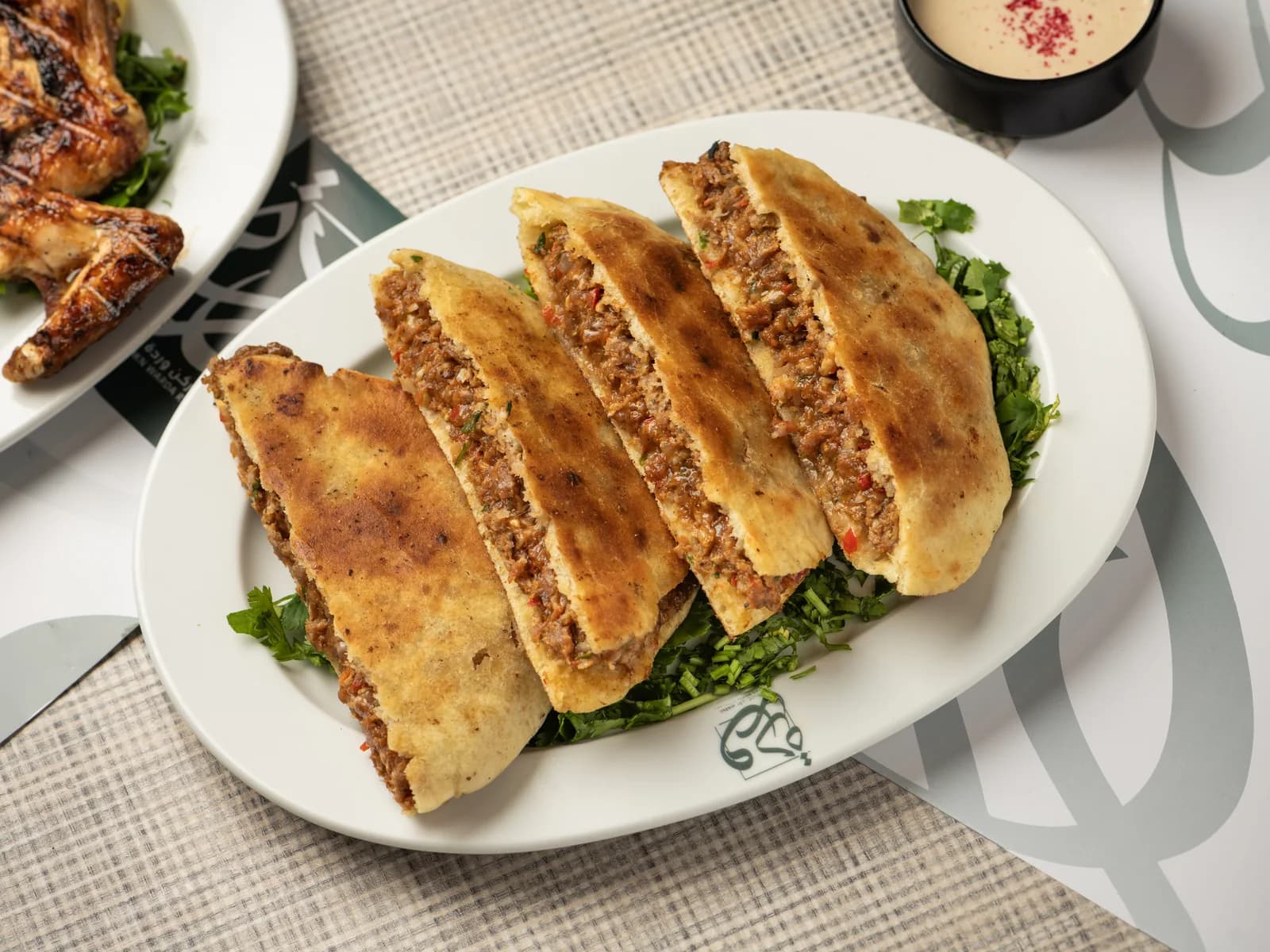
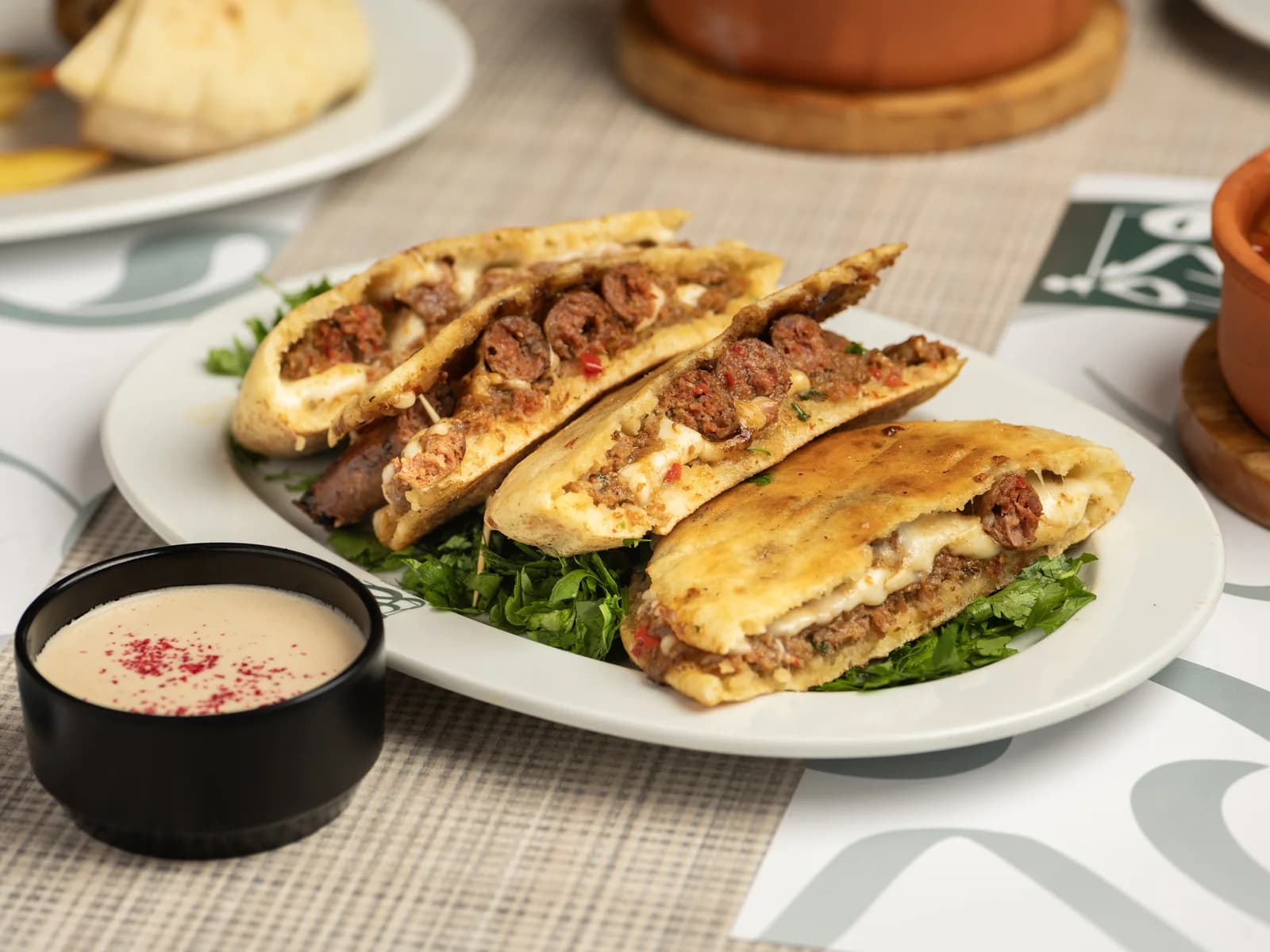
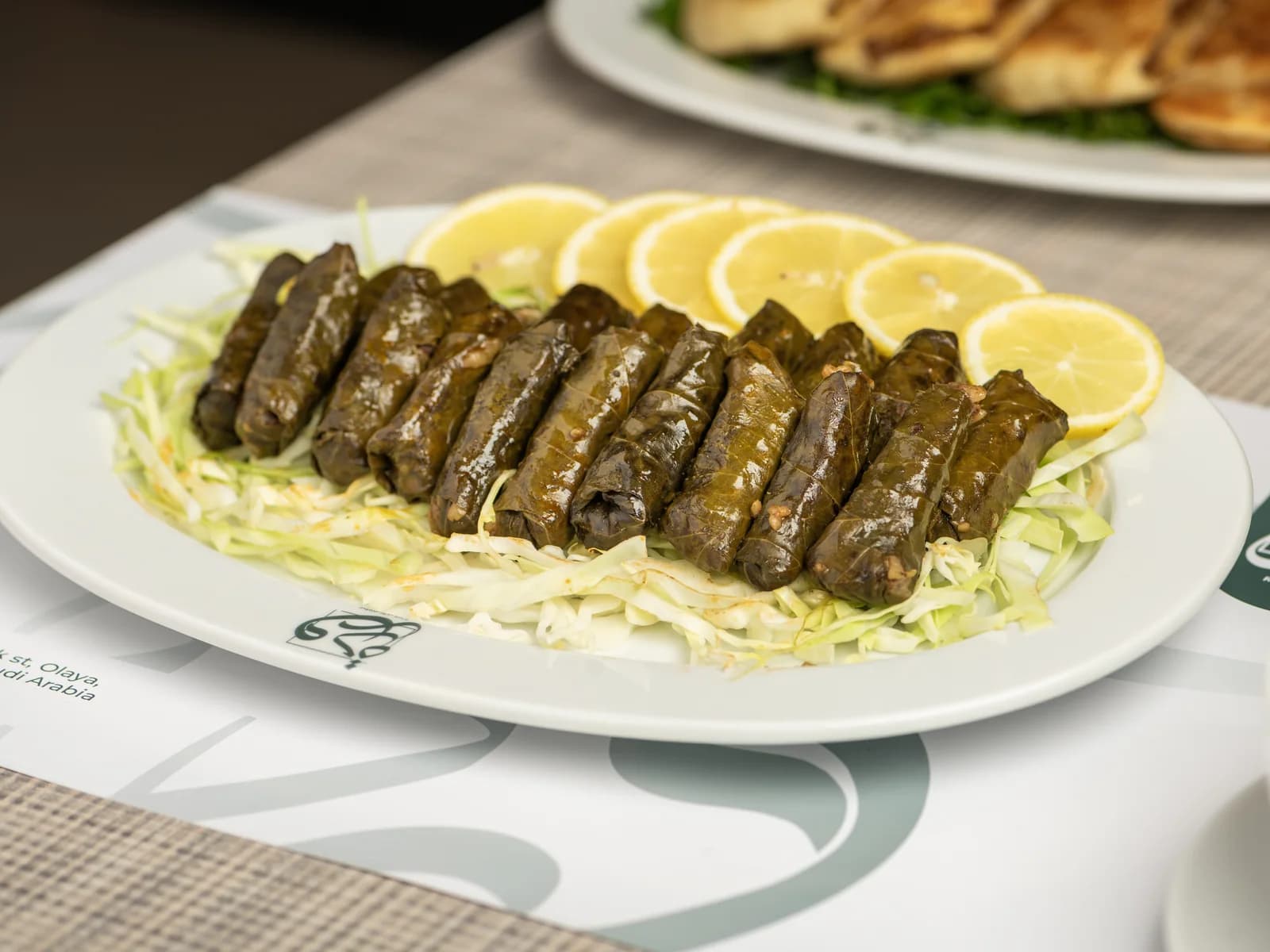
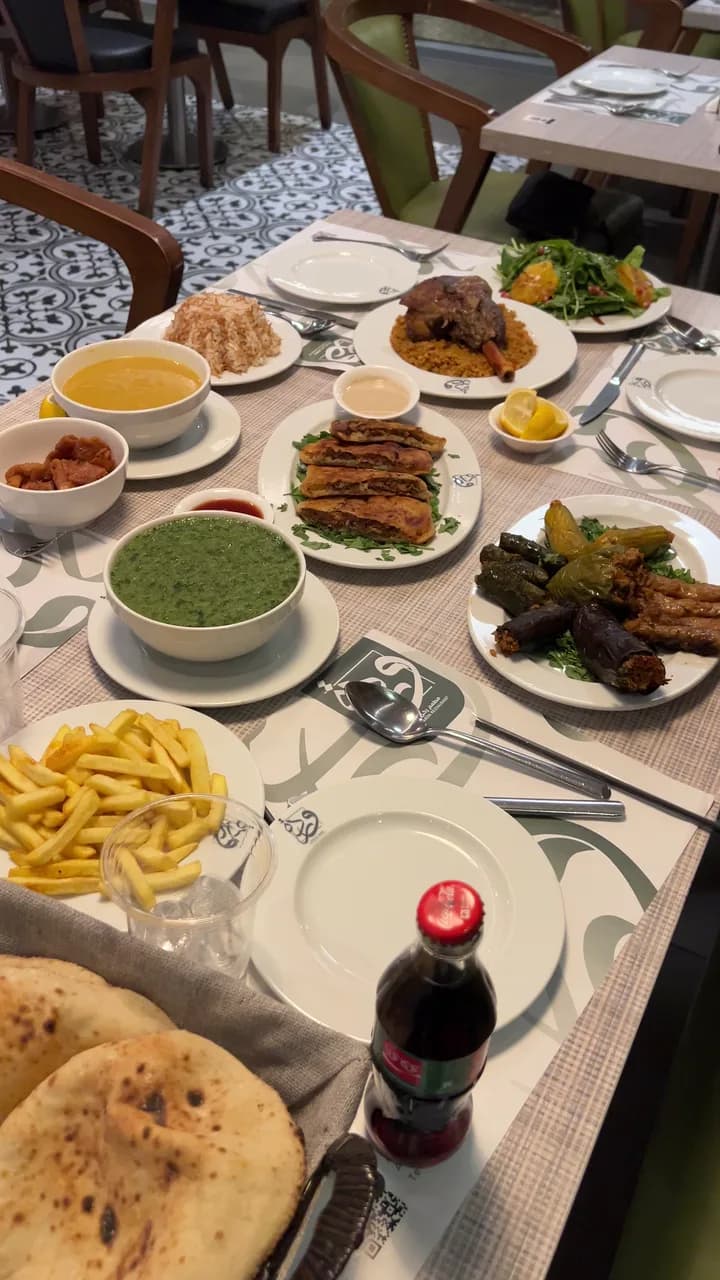
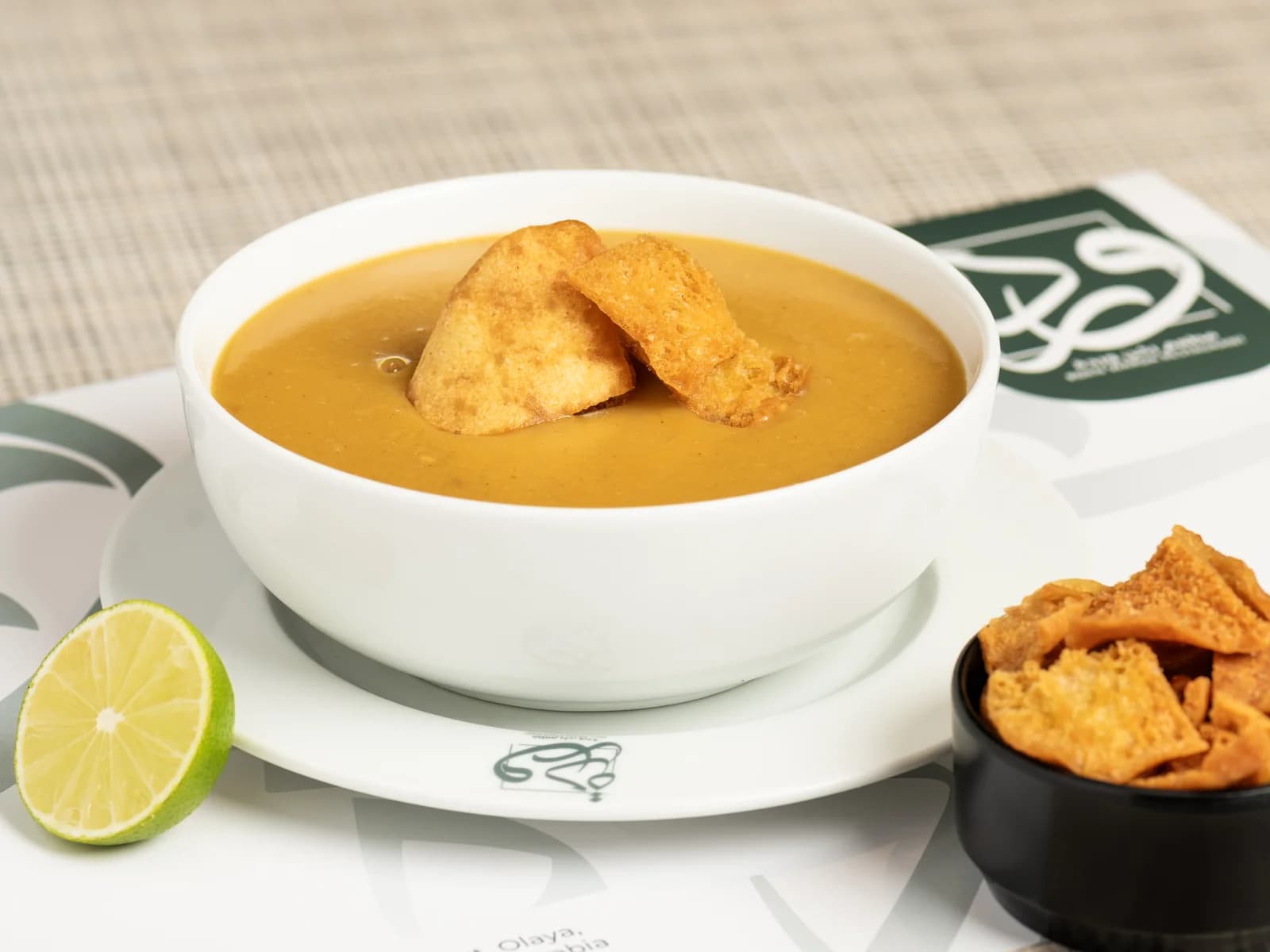
Taameya is not on Rokn Warda's menu; its story here is one of culture and memories. But if this debate has given you an appetite for Egyptian popular food, we have dishes in the same spirit: meat hawawshi and sausage hawawshi in bread, lentil soup, stuffed grape leaves and the salad buffet. Take a look at the menu, or book your table in Al Khobar and carry on the debate over an Egyptian table.