Ask any Egyptian about their fondest food memories and they will most likely tell you about a wedding or a sebou': trays of fatteh coming out of the kitchen, bowls of muhallabia lined up on the table, and bags of sugared almonds for the children. Egyptian wedding food and sebou' food are not just food; they are the Egyptian way of saying "we are happy, and we want everyone to be happy with us".
In this article we go through the food customs of weddings and the sebou' in Egypt: the family invitation, the neesh, fatteh at feasts, sebou' sweets, and the neighbour's plate that never goes back empty. These customs vary from governorate to governorate and from home to home, so we will talk about the general picture that many people will recognise themselves in.
In this article
- 1The wedding starts with the invitation
- 2Fatteh: queen of the feasts
- 3The sabaheya and the bride's family trays
- 4The sebou': the first celebration of a baby's life
- 5The neighbour's plate: it never goes back empty
- 6From Upper Egypt to Alexandria: Egyptian wedding food customs
- 7Frequently asked questions
- 8Family gatherings today
The wedding starts with the invitation
Well before the wedding, an Egyptian home turns into a beehive. The engagement and the marriage contract come with "sharbat", and to this day when someone tells you "we'll be drinking sharbat" you immediately know there is good news. Then come the invitations: the groom's family invites the bride's family, the bride's family returns the invitation, and the table has to be full.
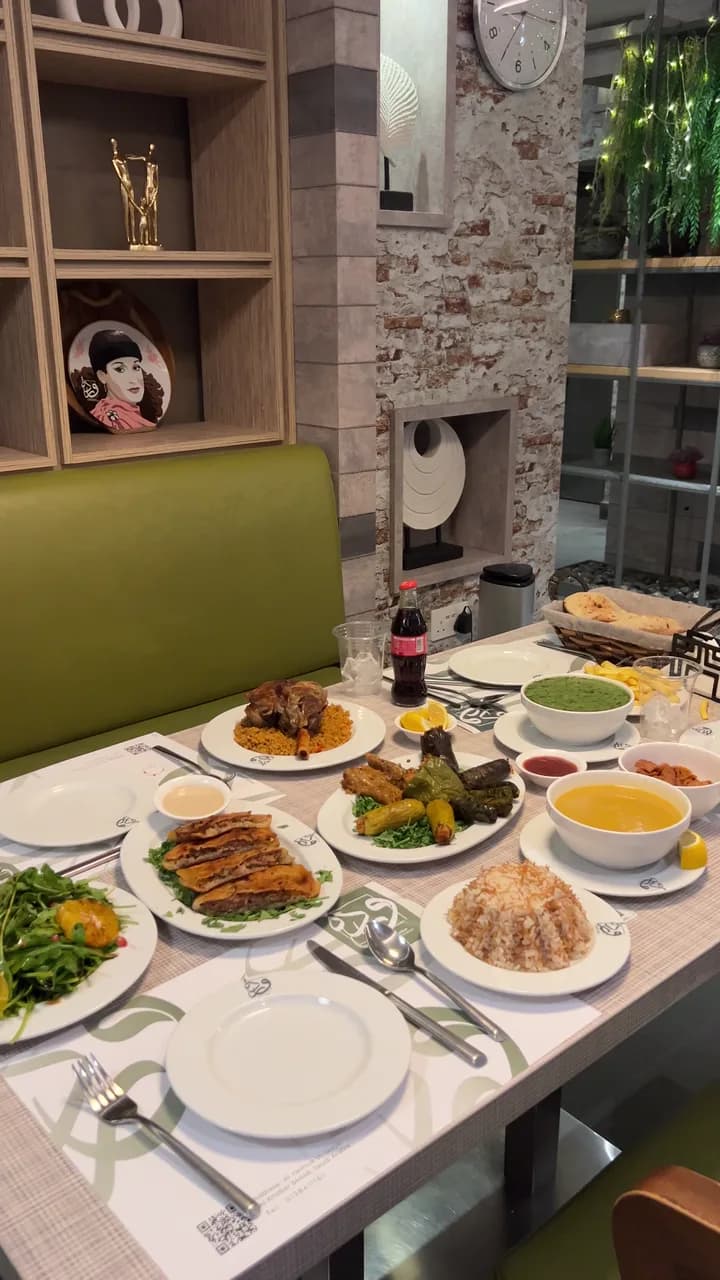
At these gatherings the lady of the house brings out her best: mahshi, rice, chicken or meat, casseroles and something sweet at the end. An Egyptian invitation is not measured only by the number of dishes, but by the guest leaving full while the table is still full, and that is part of the generosity we grew up with.
The neesh and the guest set
One of the well-known items of the bride's trousseau in Egypt is the neesh: the cabinet where the china set and the "good" glasses are displayed. Many people joke that this set only comes out for the most cherished guests. But the idea itself says something about Egyptians: the guest has a special set, and food is served at its very best.
Henna night
The day before the wedding, many homes hold a henna night for the bride: her friends and relatives around her, singing and zaghareet, and of course trays of sweets, tea and juices. The details vary from place to place; in some places henna has become a simple design on the hand, while in others it is still a big night with its own rituals.
Fatteh: queen of the feasts
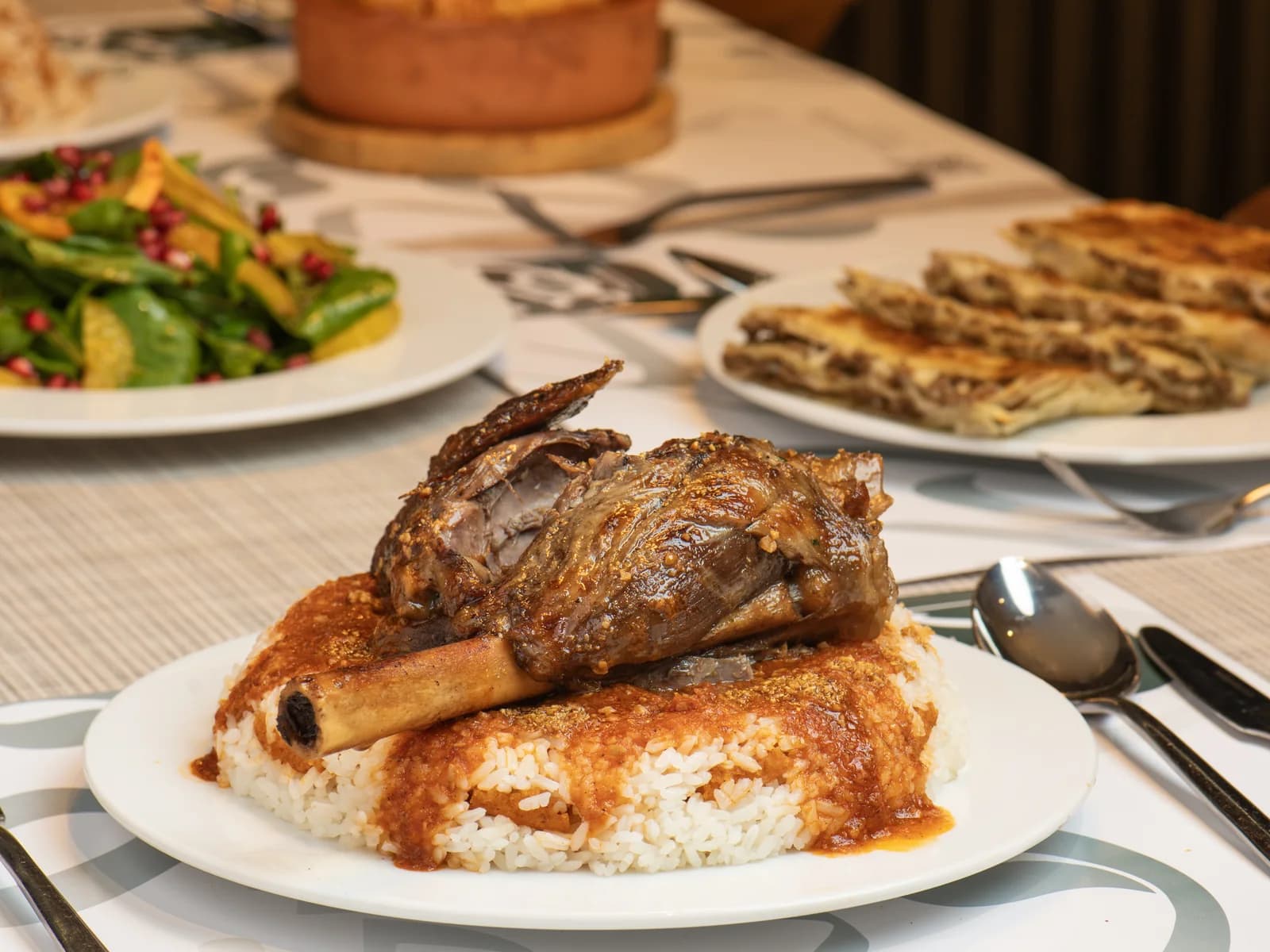
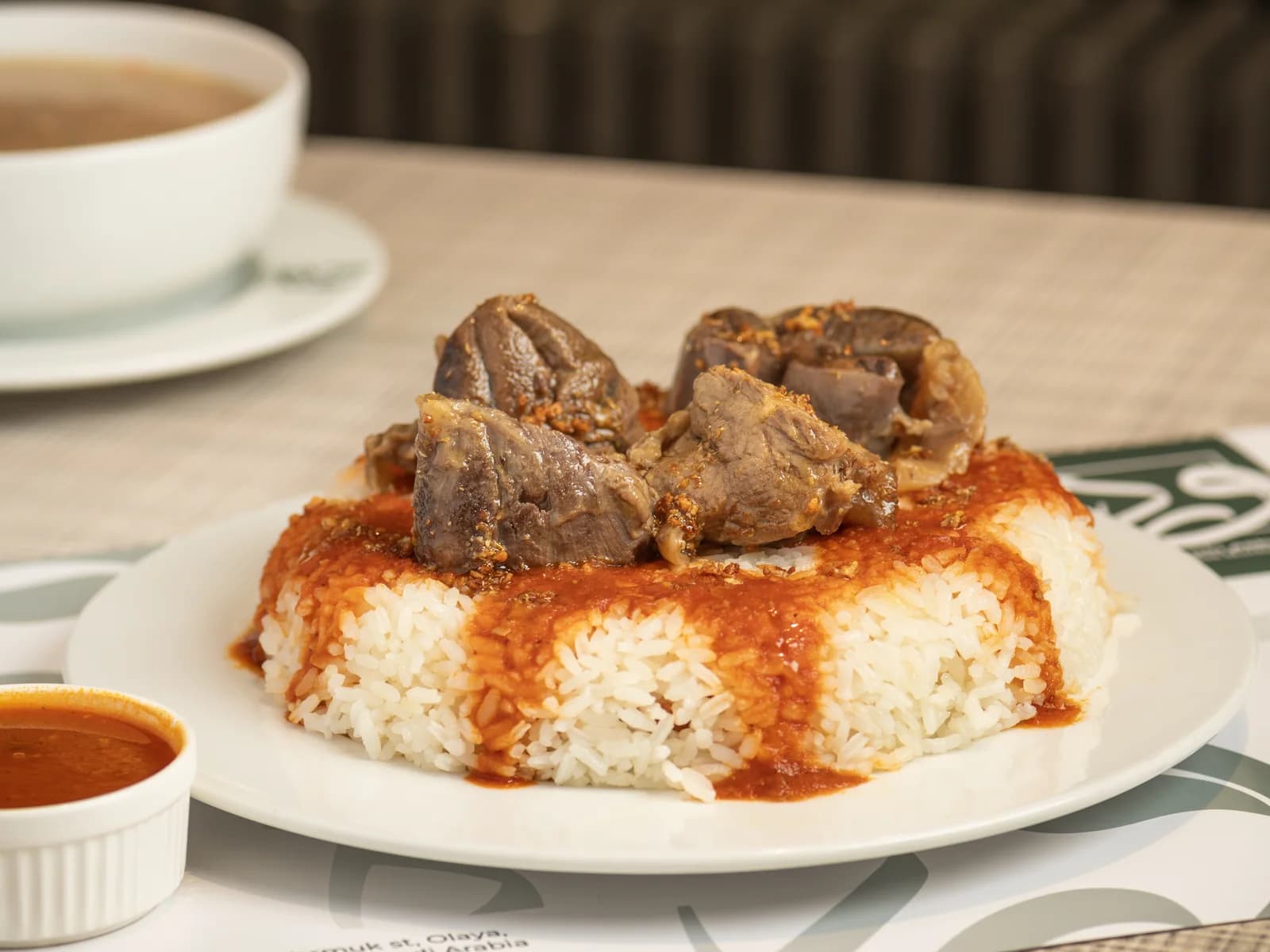
If one dish is tied to big feasts in Egypt, it is fatteh: toasted bread, rice, broth and a vinegar and garlic sauce, topped with meat. In many villages, a wedding or a big occasion meant a slaughtered animal and trays of fatteh shared among guests, family and neighbours. Fatteh is also linked to Eid al-Adha, which we write about in Ramadan and Eid food in Egypt.
Why fatteh?
- It feeds many people: one tray is shared by a whole gathering.
- It brings people together: everyone eats from one tray in the middle.
- It is generous: meat on top of the rice and bread, as if to say "please, help yourselves".
There are many kinds of fatteh, and we have a full article on the types of Egyptian fatteh.
The sabaheya and the bride's family trays
A well-known custom in many homes is that on the sabaheya, the day after the wedding, the bride's family visits the newlyweds bringing food: trays, sweets and enough to stock the new home for a few days. The details vary a great deal: some families bring feteer, some bring meat and chicken, some bring sweets. But the message is the same: "we are by your side".
The sebou': the first celebration of a baby's life
The sebou' is an Egyptian celebration of a newborn on its seventh day. It is said to have very old roots, and many accounts link it to ancient Egypt, but nothing about its origin is certain in detail. What is certain is that it remains one of the sweetest occasions in Egyptian homes today.
Well-known sebou' rituals
- The sieve: the baby is placed in a sieve and gently rocked, with the family around.
- The mortar: someone pounds the mortar while the women playfully tell the baby "listen to your mother, not to your father", amid laughter.
- The candles: children walk around with candles singing "Bergalatak, bergalatak, a gold ring in your ears".
- The jug and the qulla: a well-known custom is a decorated ibreeq (jug) for a boy and a decorated qulla for a girl. We tell the story of the qulla and its relatives in bram, qulla and zeer.
Sebou' sweets
A sebou' without sweets is not a sebou':
- Sebou' bags: filled with sugared almonds, sweets and nuts, handed out to children and guests.
- Muhallabia: smooth white bowls, sometimes topped with nuts or cinnamon.
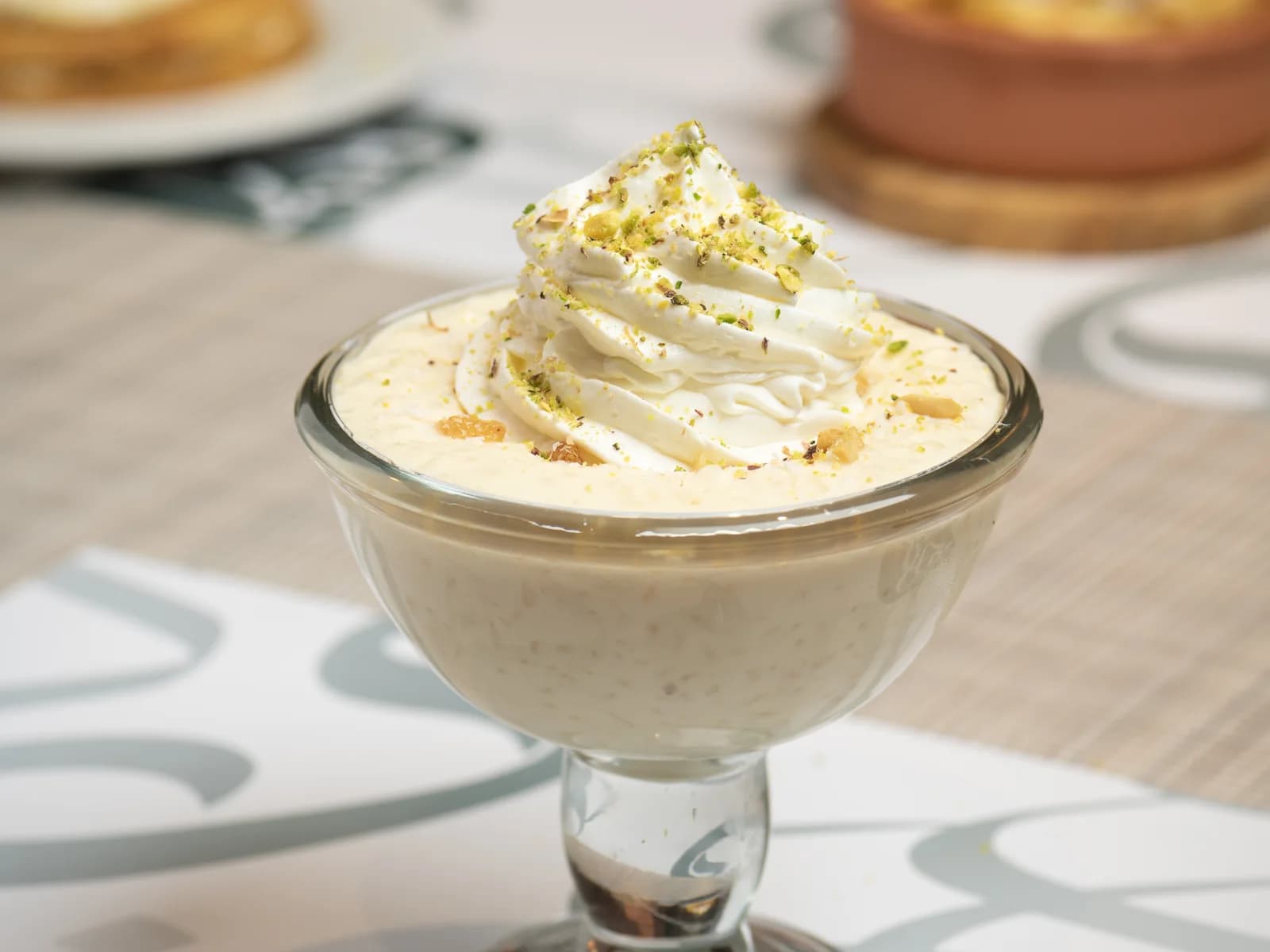
- Rice pudding: one of the best-known home desserts made for occasions.
- Moghat: a drink that many homes associate with births and the sebou', also offered to guests.
The sebou' table
After the rituals, the family sits down to eat. Some homes serve a big lunch for the relatives, while others keep it to sweets and tea. There is no fixed rule; what matters is that everyone who came tastes something and says a prayer for the baby.
The neighbour's plate: it never goes back empty
At weddings and sebou's, neighbours are not just guests; they are part of the celebration. In the popular neighbourhoods of the past, the wedding was held in the street itself, and neighbours pitched in with chairs, trays and helping hands. Trays go out to the neighbours and plates of sweets are sent to the door. And one custom every Egyptian knows is that the plate never goes back empty: if your neighbour sends you a plate, it goes back to her with something from your kitchen.
Egyptians have many proverbs that sum this up:
- "The neighbour before the house" (el-gar 'abl el-dar): before choosing your home, choose your neighbours.
- "A morsel given gladly feeds a hundred" (el-lo'ma el-hanneya tekaffi meyya): food offered with a good heart goes a long way, even if it is little.
If you would like to know more about Egyptian generosity at the table, read the Egyptian table, family and hospitality.
From Upper Egypt to Alexandria: Egyptian wedding food customs
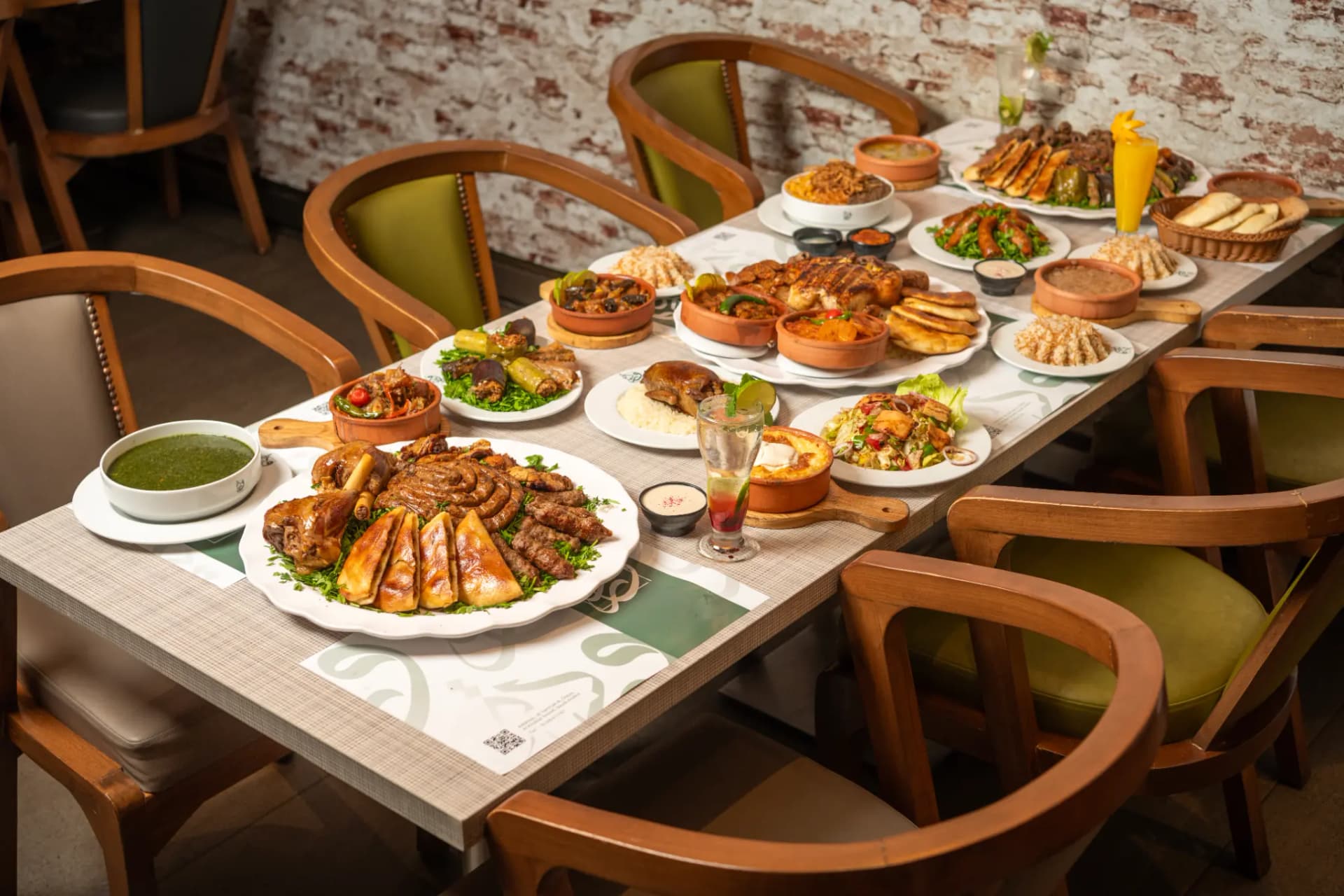
Egyptian wedding food customs differ from place to place. In Upper Egypt, for example, feasts are known for being large and open to the whole extended family; in the Delta and the countryside, fatteh, oven rice and feteer take a big place; and in the big cities, wedding halls, buffets and cakes have become common. No way is "more correct" than another; every place has its own flavour. We take a full journey in Egyptian food from governorate to governorate.
Frequently asked questions
Why is fatteh linked to feasts in Egypt? Because it feeds many people, is served in trays everyone gathers around, the meat on top is a sign of generosity, and it is also tied to Eid al-Adha.
When is the sebou' held? On the seventh day after the baby's birth, which is where its name comes from; sometimes families hold it a little earlier or later depending on circumstances.
What goes into sebou' bags? Usually sugared almonds, sweets and nuts, and the contents vary from home to home.
Are muhallabia and rice pudding the same thing? No. Both are milk desserts, but rice pudding is based on grains of rice, while muhallabia is based on starch or rice flour, so it comes out smoother and lighter.
What does "the plate never goes back empty" mean? An old Egyptian custom: when a neighbour sends you food, you return the plate with something from your own kitchen, as a sign of affection and goodwill.
Family gatherings today
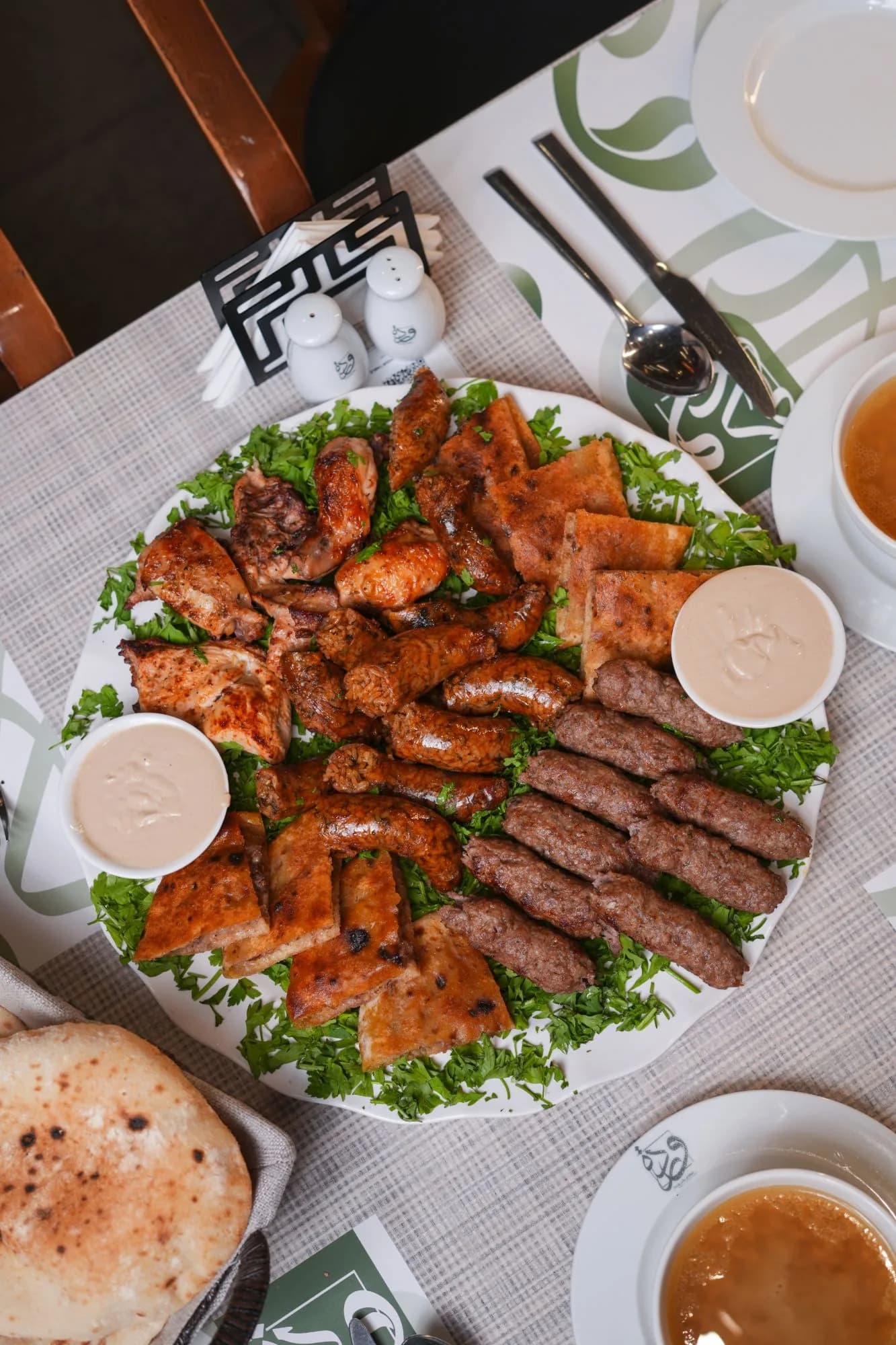
Weddings may have changed and the sebou' may have become smaller, but the idea of food that brings people together is still alive. If you have a family or friends' gathering in Al Khobar, you can find the spirit of those feasts on Rokn Warda's menu: beef fatteh, lamb shank fatteh, and sharing trays such as the family tray and the Ahl Masr tray, finishing with rice pudding. Browse the menu, and if you are coming as a group, book your table in advance.