Walk today down Al-Muizz Street or through Khan el-Khalili and you are in the heart of the Cairo the Fatimids built and the Mamluks enlarged. The city was not only palaces and mosques; it was also markets, the smell of food and cooks everywhere. Many of the food customs we love, especially in Ramadan, are said to have been born or become famous in this period.
Fatimid Cairo: a new city
Cairo was founded in 969 CE by the commander Jawhar al-Siqilli for the Fatimid caliph al-Mu'izz li-Din Allah. From then on it became a great centre of rule and trade.
Historians such as al-Maqrizi wrote of the «simat»: great tables the Fatimid caliphs laid in Ramadan and on feast days, where people gathered. Details differ from source to source, but the idea itself, food as a public occasion, has stayed part of the spirit of Ramadan in Egypt.
Ramadan tales: the lantern, kunafa and qatayef
Here we must separate history from popular stories:
- The lantern (fanous): a popular story says Cairenes welcomed al-Mu'izz into the city with lanterns, and so the lantern became tied to Ramadan. A lovely story, but not confirmed.
- Kunafa: there is more than one account; one says it was made for the Umayyad caliph Mu'awiya in Damascus for suhoor, another ties it to the Fatimids in Egypt. Both are popular tales, not settled facts.
- Qatayef: its name is said to come from «qatifa» (velvet) because its surface is as soft, and it is said to have become popular in Fatimid times or earlier. Again, a popular account.
What we can say with confidence is that kunafa and qatayef were known and loved in Egypt in the Mamluk period, so much so that the Mamluk-era scholar Jalal al-Din al-Suyuti is credited with a whole work about them, «Manhal al-Lata'if fi al-Kunafa wa al-Qata'if».
Mamluk Cairo: a city of markets
The Mamluks ruled Egypt from the mid-thirteenth century until the Ottomans arrived in 1517. In their time Cairo was one of the largest cities in the world, and Egypt sat in the middle of the spice route between the East and Europe: spices came up the Red Sea, passed through Cairo and left from Alexandria.
Khan el-Khalili, still one of Cairo's best-known markets today, was founded in the Mamluk period.
Street cooks: a city that ate out
Some historians and travellers described how many people in Mamluk Cairo bought their food ready-cooked in the market rather than cooking at home. There were:
- Cooks selling ready dishes in the markets.
- Public ovens where people brought their dough or trays to be baked.
- Street sellers of ful, sweets and drinks.
The thread is easy to follow to today: the morning ful cart, the neighbourhood oven, and the koshari and sweet shops that fill Cairo.
Ramadan in Cairo to this day
Visitors to Cairo in Ramadan still see things that recall the old markets:
- Kunafa baladi: many shops set up a stall on the street, where the kunafa maker pours batter in fine threads onto a hot round griddle, and people stop to watch and buy by weight.
- Qatayef: made in front of you on the griddle, small rounds filled at home with nuts, cream or cheese, then fried or baked and finished with syrup.
- Lanterns hang across streets and alleys, especially around Al-Muizz Street and El-Hussein.
Whatever the origin of the tales, the scene says the bond between Cairo, Ramadan and sweets is centuries old.
And Om Ali?
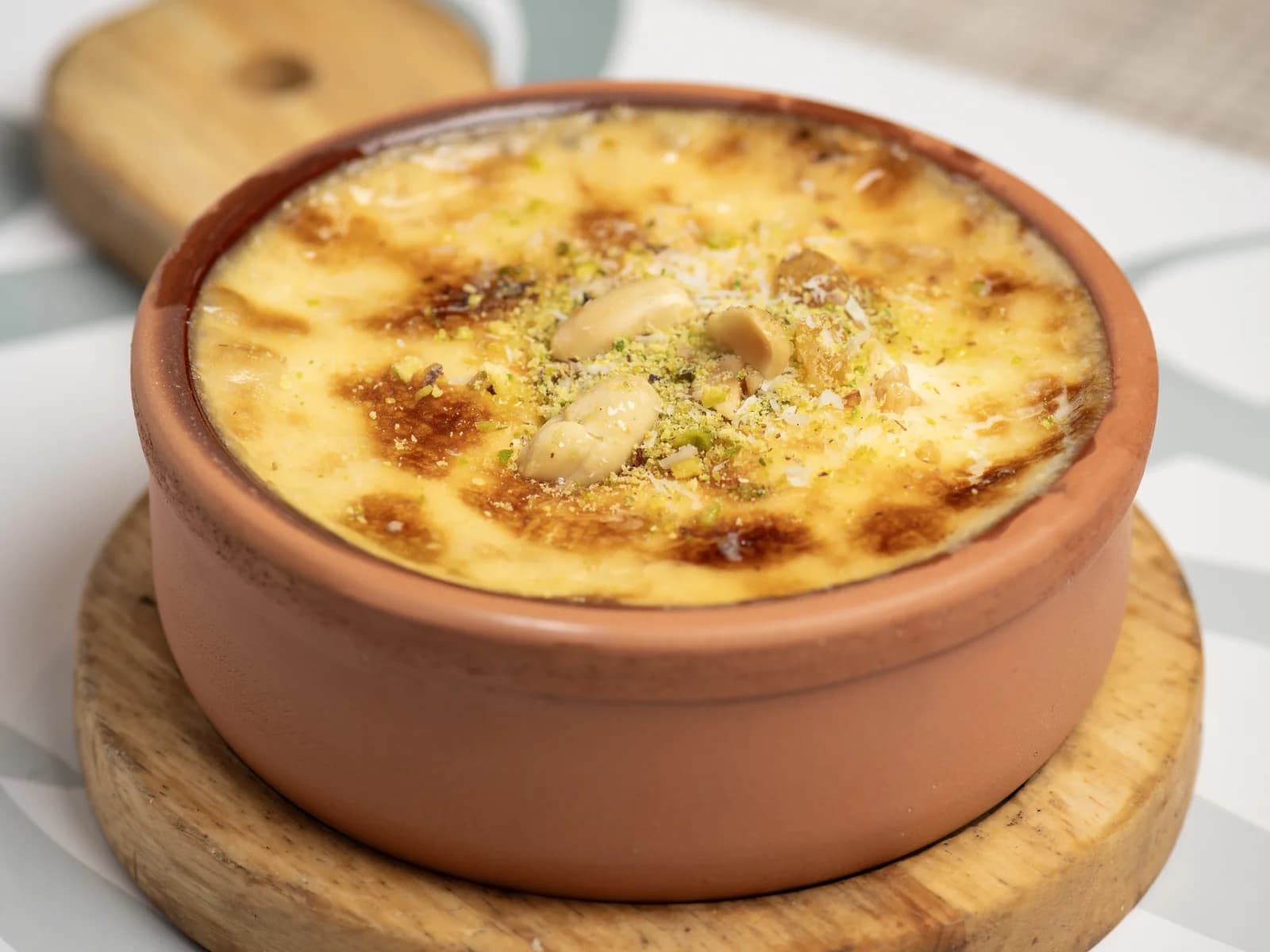
Om Ali is among the best-known desserts whose story is told with the Mamluk era: the popular tale credits the name to the wife of Sultan Ezz El-Din Aybak. But it is a popular story, not confirmed history, and we told it in detail in Egyptian desserts loved in Saudi Arabia.
In short
| Established | The tale | |
|---|---|---|
| Cairo | Founded in 969 CE for al-Mu'izz | — |
| The simat | Ramadan and feast tables described by historians | Details vary |
| Kunafa and qatayef | Loved in the Mamluk period | Who made them first |
| The lantern | Tied to Ramadan in Egypt | Al-Mu'izz welcomed with lanterns |
| Om Ali | A famous Egyptian dessert | Aybak's wife |
Egyptian sweets at Rokn Warda
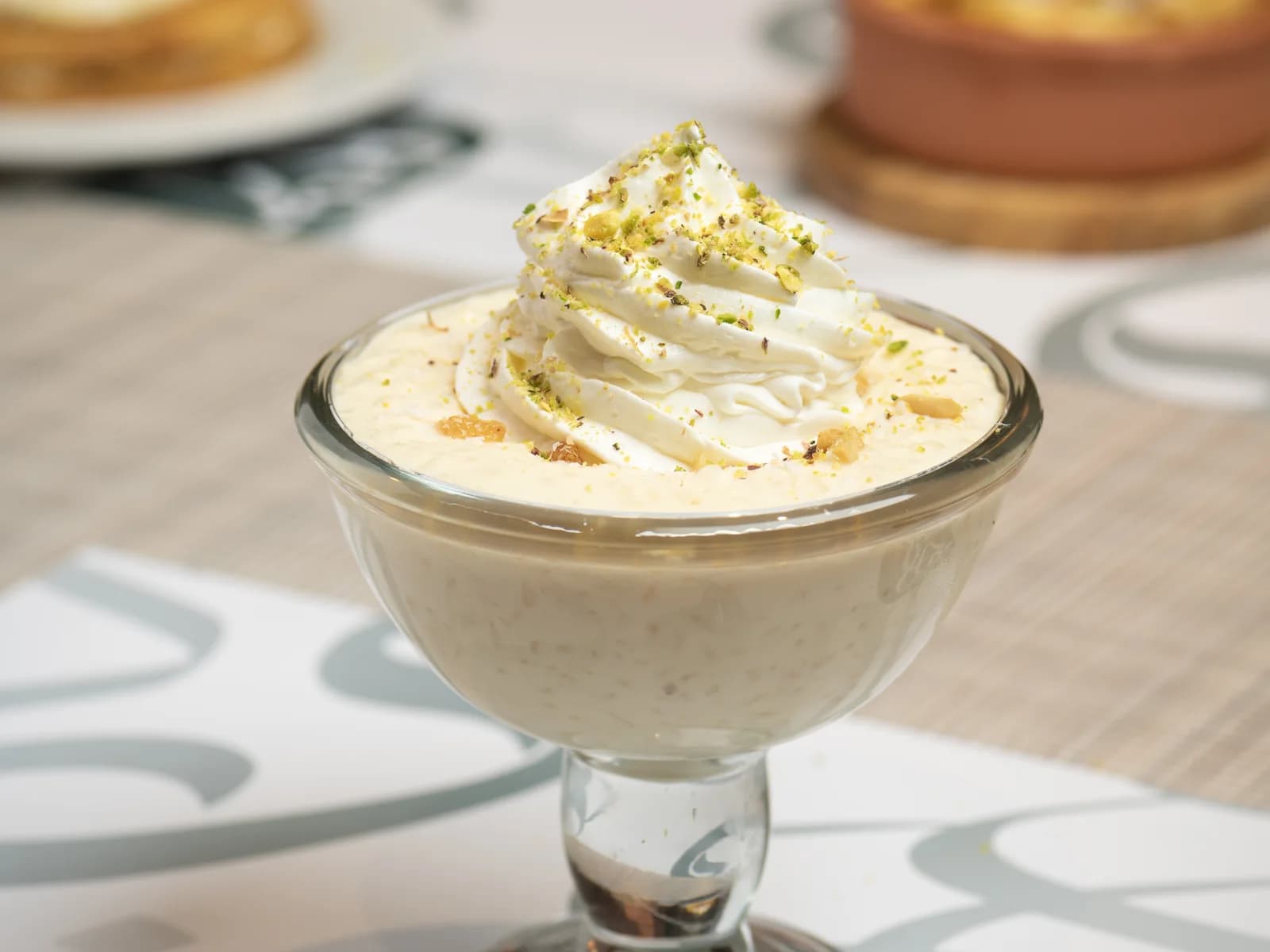
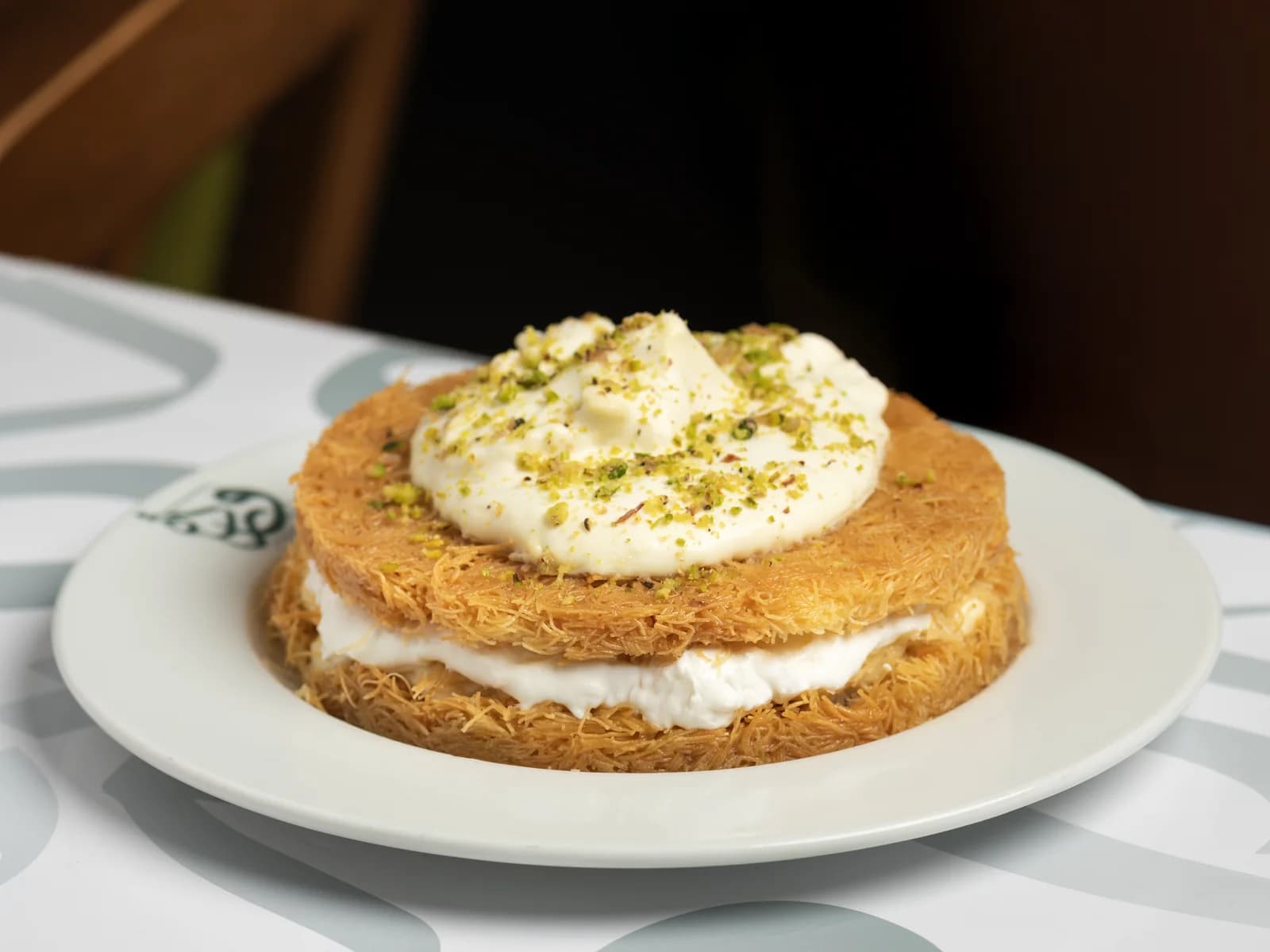
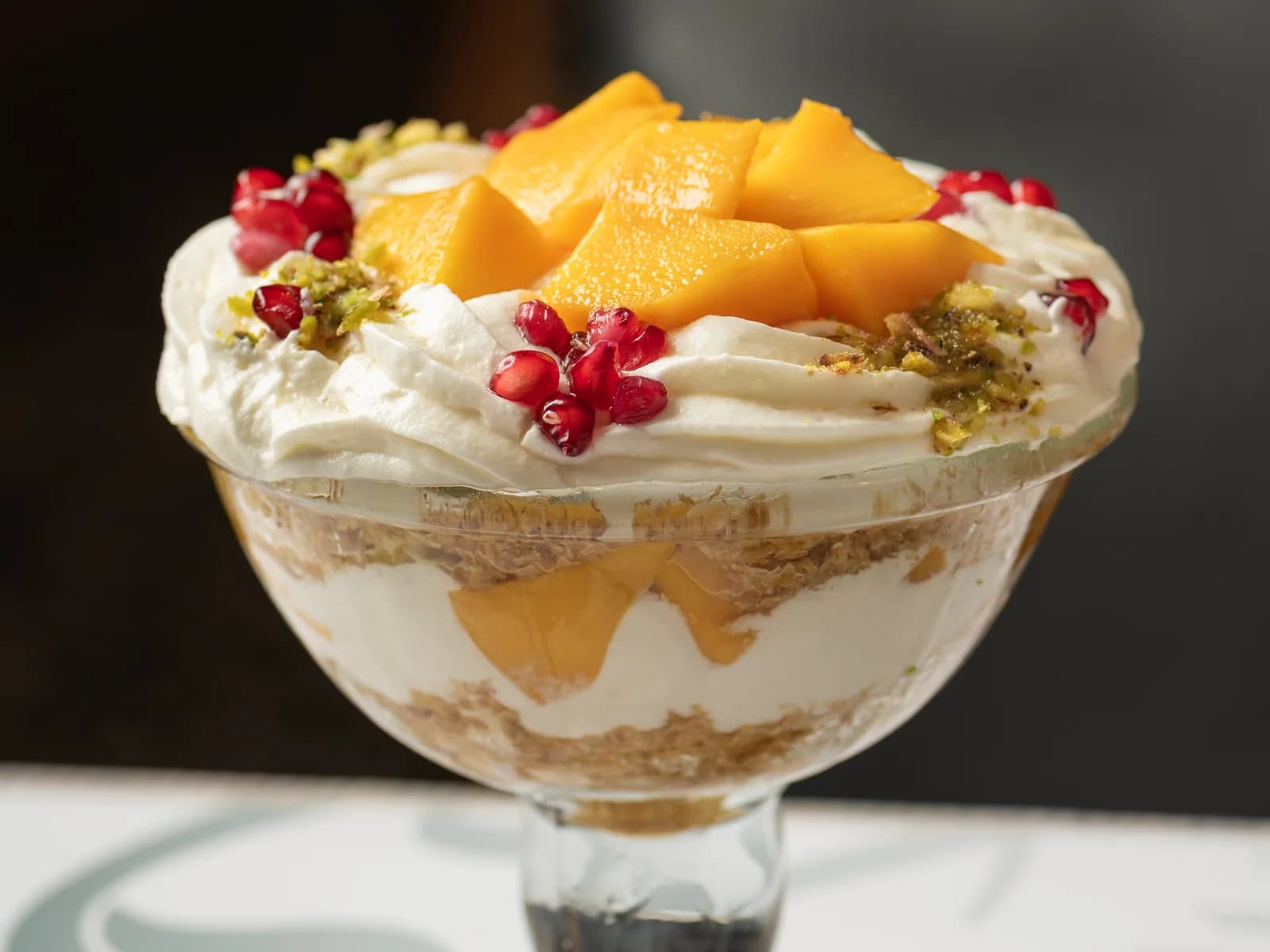
At Rokn Warda in Al Khobar you will find kunafa with cream (crisp kunafa with layers of cream and pistachios), mango kunafa, warm Om Ali and rice pudding. Order them with your meal from the menu for delivery in Al Khobar and Dammam.
Read more in mango kunafa or kunafa with cream? and Ramadan and Eid in Egypt.