In Egypt, a meal does not end when the plate is empty. It ends when someone says: «Shall we have tea?». Tea and coffee are more than drinks in Egyptian life; they are a daily habit, a way of welcoming guests and a place to sit together. This article is about Egyptian tea, «tea after the meal», the traditional ahwa (coffeehouse) and Turkish-style coffee in a kanaka.
Egyptian tea: strong and sweet
Tea in Egypt is usually black tea, best known for being brewed strong and drunk sweet. Many Egyptians measure sugar in spoons, and «how many spoons of sugar?» is a perfectly normal question for any guest.
There are many ways to make it:
| Style | What it is |
|---|---|
| Shai koshari | Tea leaves put in the glass with hot water poured over them |
| Boiled / strong tea | Tea boiled with the water until very dark, well known in Upper Egypt |
| Tea with mint | Tea with fresh mint leaves, loved in summer |
| Tea with milk | Tea with milk, breakfast for many |
Tea is often served in a small clear glass, so its colour shows.
«Tea after the meal»
This is one of the best-known Egyptian habits: after lunch especially, and above all after a heavy meal, there must be a glass of tea. Many people say it «helps digestion», which is an inherited feeling more than a fact, but what is certain is that tea after the meal is a sign the gathering is not over: the food is done, and the talk begins.
In Egyptian homes, the first thing offered to a guest is usually tea, sometimes before they even sit down. Turning it down can need an explanation!
The ahwa: not just a drink
When an Egyptian says «I'm going to the ahwa», they usually mean not the drink but the place: the traditional coffeehouse, or «ahwa». A simple place, chairs and small tables, sometimes seating on the pavement.
What happens there?
- Backgammon (tawla) and dominoes, the clack of pieces on wood part of the atmosphere.
- Watching matches together and celebrating goals as a crowd.
- Talk of politics, football and neighbourhood news.
- And tea, coffee, aniseed, fenugreek and other hot drinks.
Among Egypt's best-known coffeehouses is El Fishawy in Khan el-Khalili in old Cairo, known as one of the oldest coffeehouses in the city and visited by many. Some coffeehouses are historically linked with gatherings of writers and artists.
Turkish-style coffee: «mazboot» or «sada»?
The coffee Egyptians drink at home and at the ahwa is mostly Turkish-style coffee: very finely ground coffee boiled with water and sugar in a kanaka, poured unfiltered into a small cup, so the grounds settle at the bottom.
You state the sugar when you order, because it is boiled in:
- Sada: no sugar.
- Ala el-riha: just a hint of sugar.
- Mazboot: medium sugar.
- Ziyada: a lot of sugar.
And «el-wesh» (the foam on top) is, for many, the sign that the coffee was made right.
How did coffee reach Egypt?
Commonly cited historical accounts say coffee found its way to Egypt from Yemen centuries ago, first associated with Sufis and with students of al-Azhar, who drank it to stay awake for devotions and study, before it spread into homes and coffeehouses. Tea, on the other hand, became widespread in Egypt later than coffee, until it became the first drink of the home.
Other drinks at the ahwa
Tea and coffee are not alone. At any traditional ahwa you will find:
- Aniseed (yansoon): a calm hot drink many people have at night.
- Fenugreek (helba): hot, sometimes with milk, a winter favourite.
- Hibiscus (karkade): a red drink made from hibiscus flowers, drunk cold in summer and in Ramadan, or hot in winter, and linked in people's minds with Aswan and Upper Egypt.
- Sahlab: a thick hot milk drink topped with nuts and coconut, a sign of winter.
Egyptian coffee and Arabic coffee
If you are used to Arabic coffee with cardamom in a finjan, you will notice that Turkish-style coffee is darker and heavier and usually drunk with sugar. Two different schools, both symbols of hospitality. We made a wider comparison in the Egyptian and Saudi kitchens.
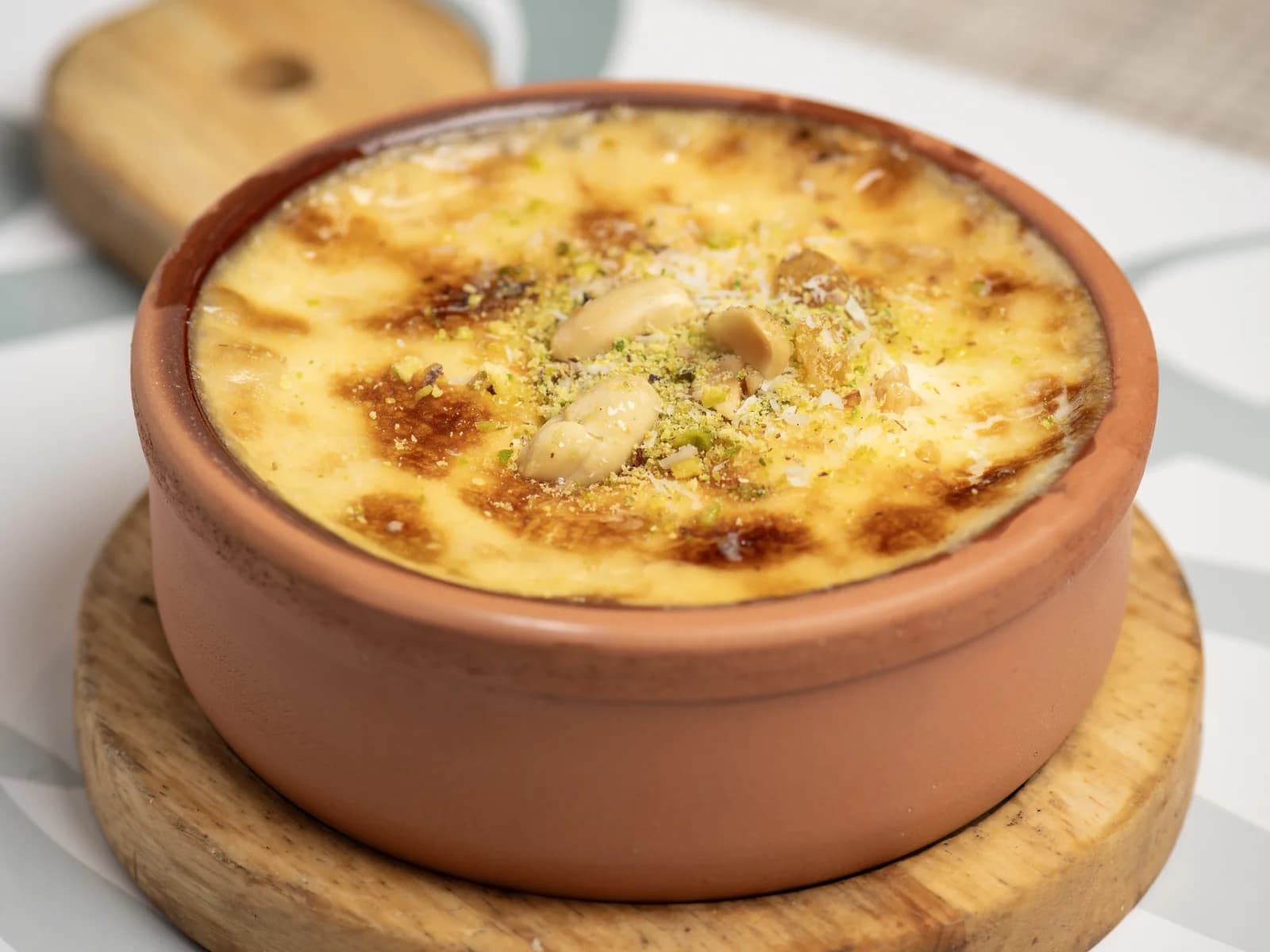
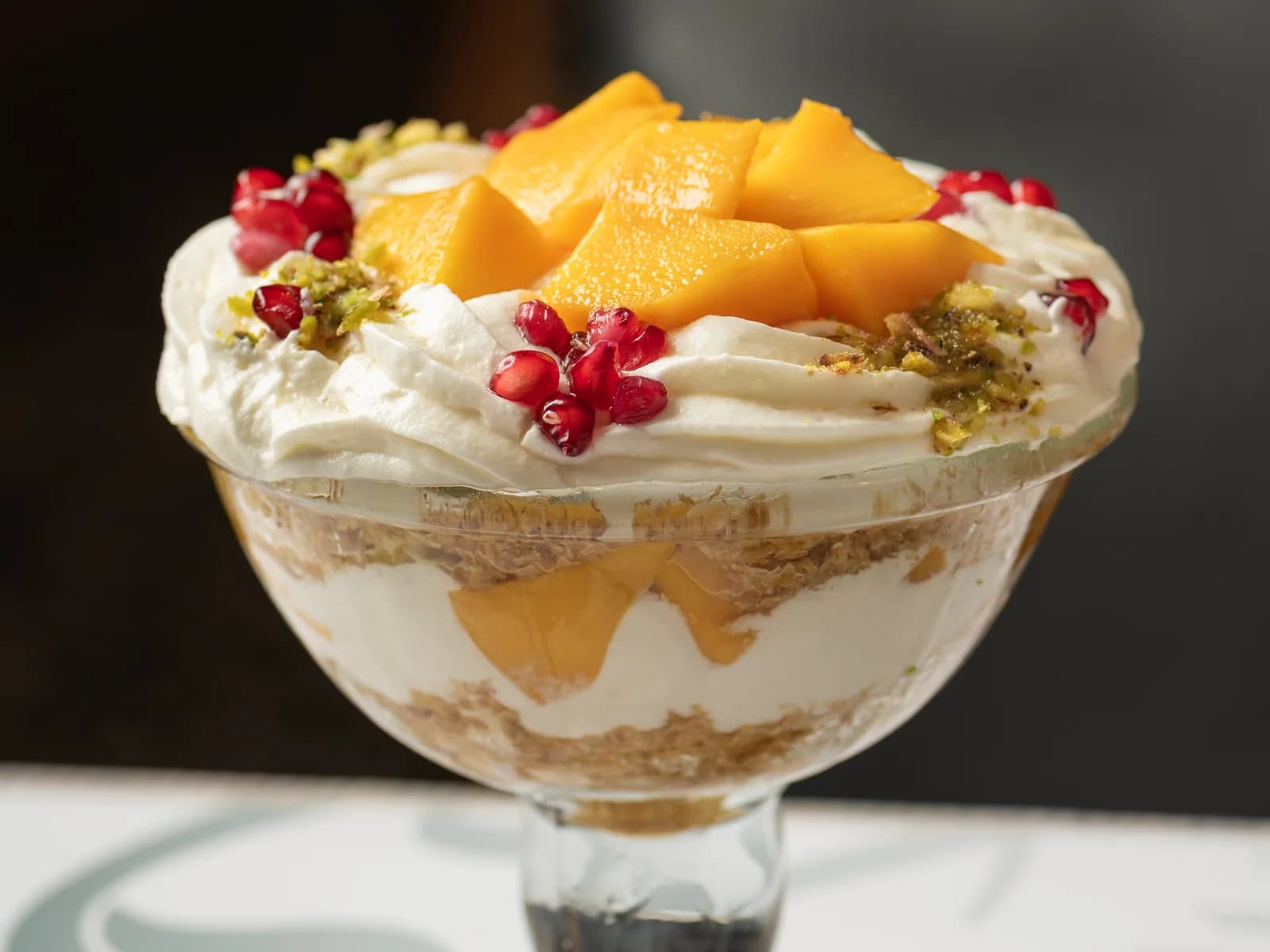
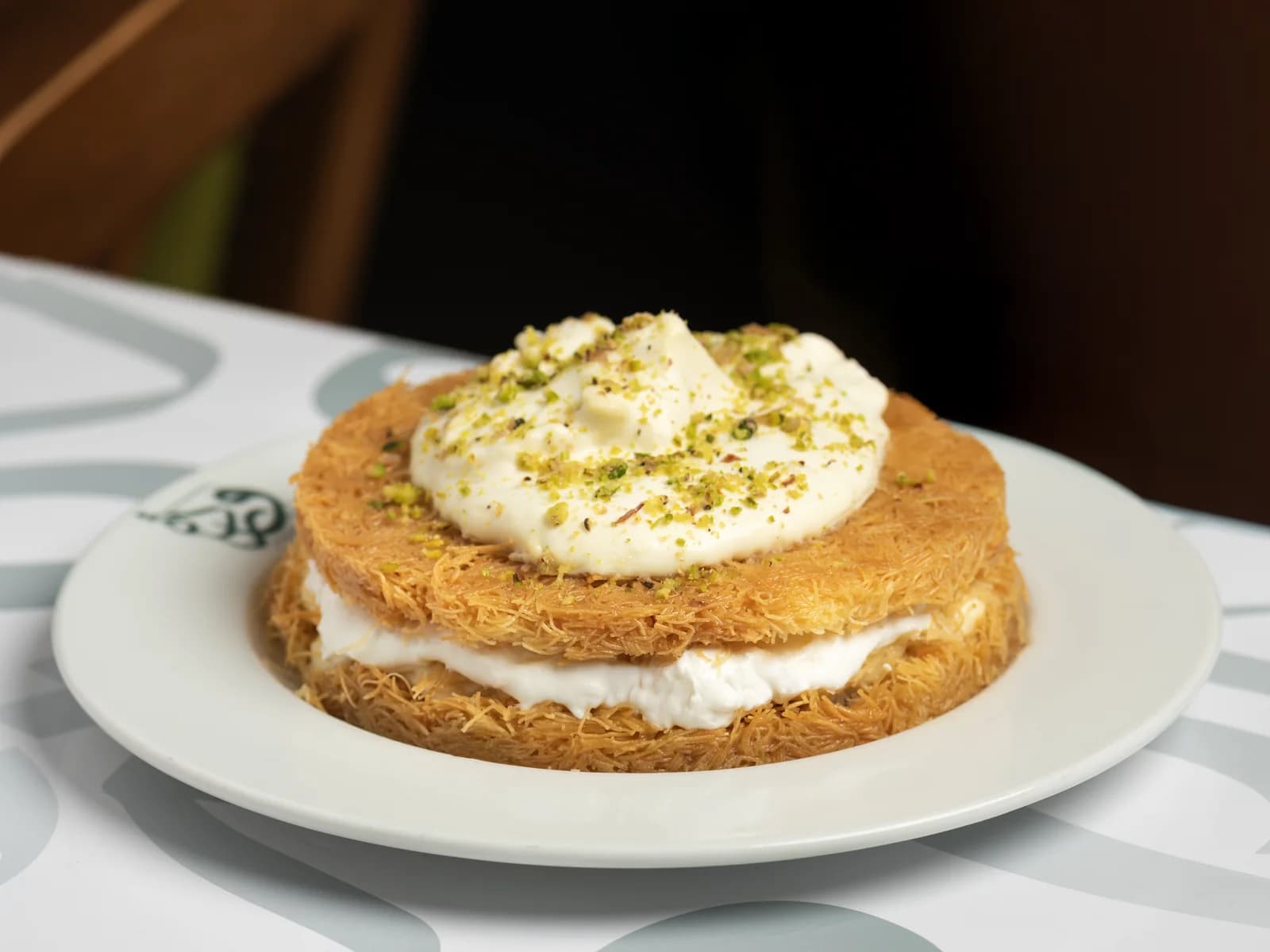
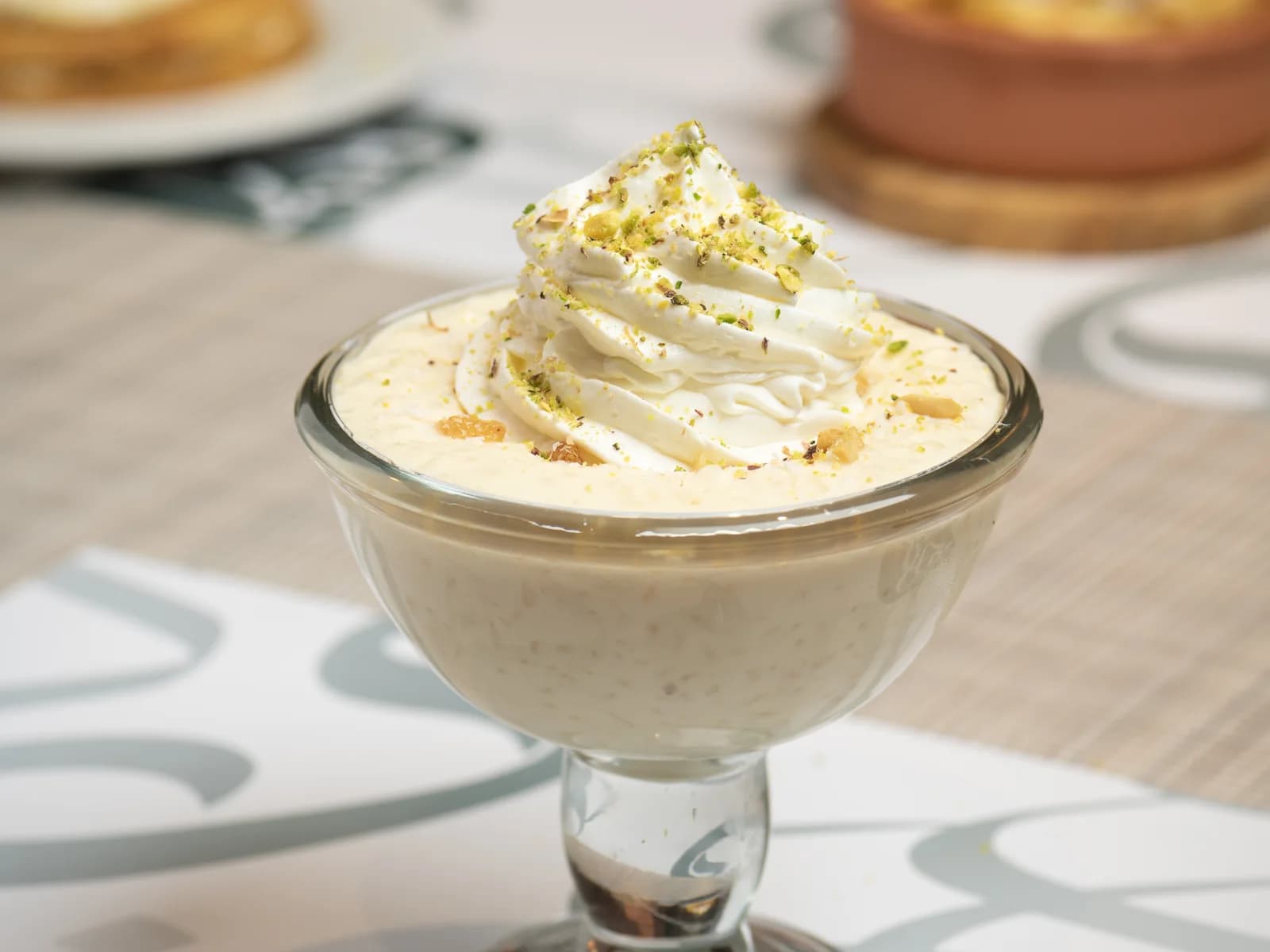
And after the meal at Rokn Warda?
Tea and coffee are not among the items on Rokn Warda's published menu, but the spirit of «something sweet after the meal» is there: try warm Om Ali, light rice pudding, kunafa with cream or mango kunafa. If you want something cold with mint, there is the mojito with lime and mint. Order from the menu for delivery in Al Khobar and Dammam. For more on desserts, read Egyptian desserts loved in Saudi Arabia and mango kunafa or kunafa with cream?.