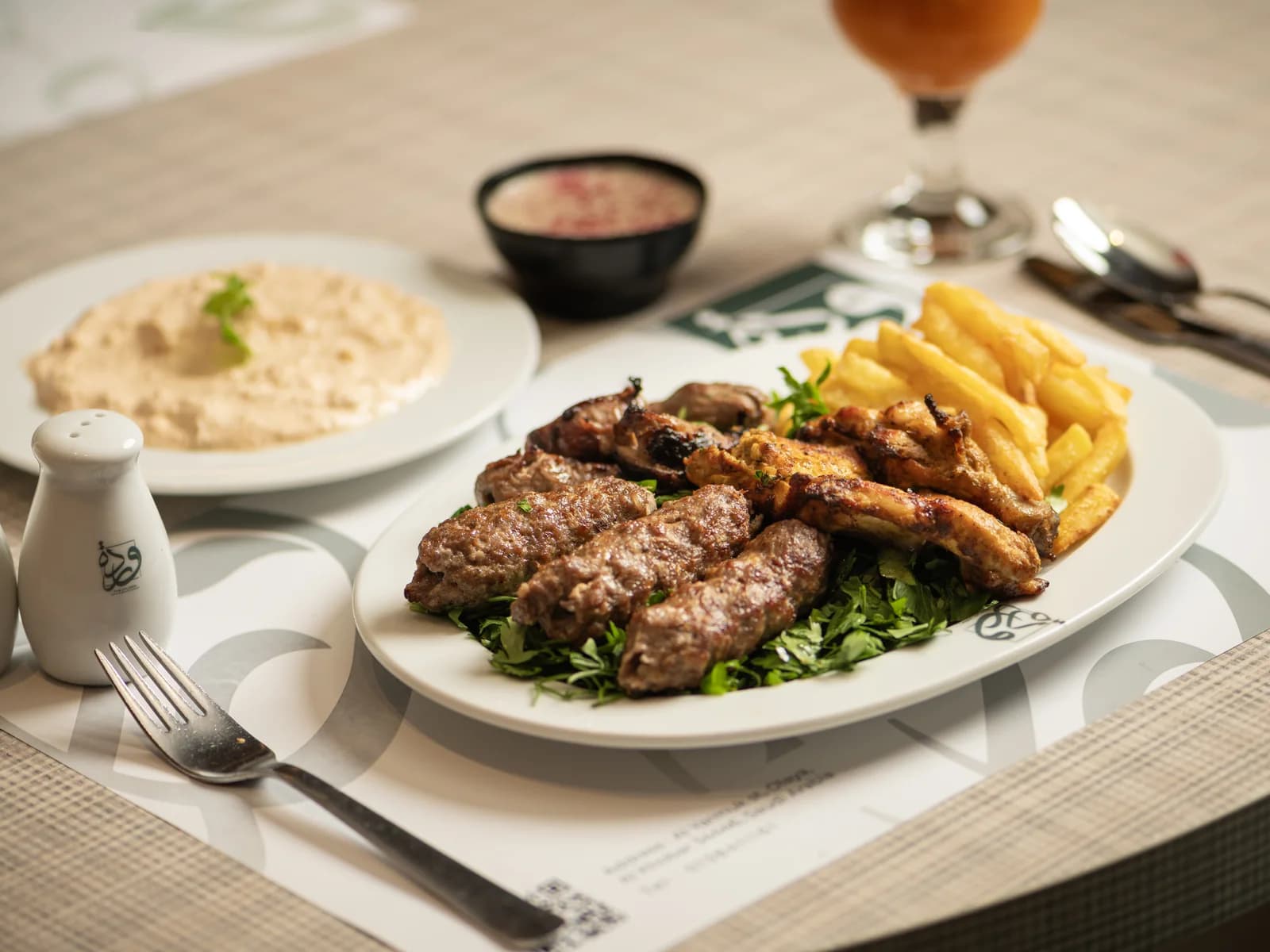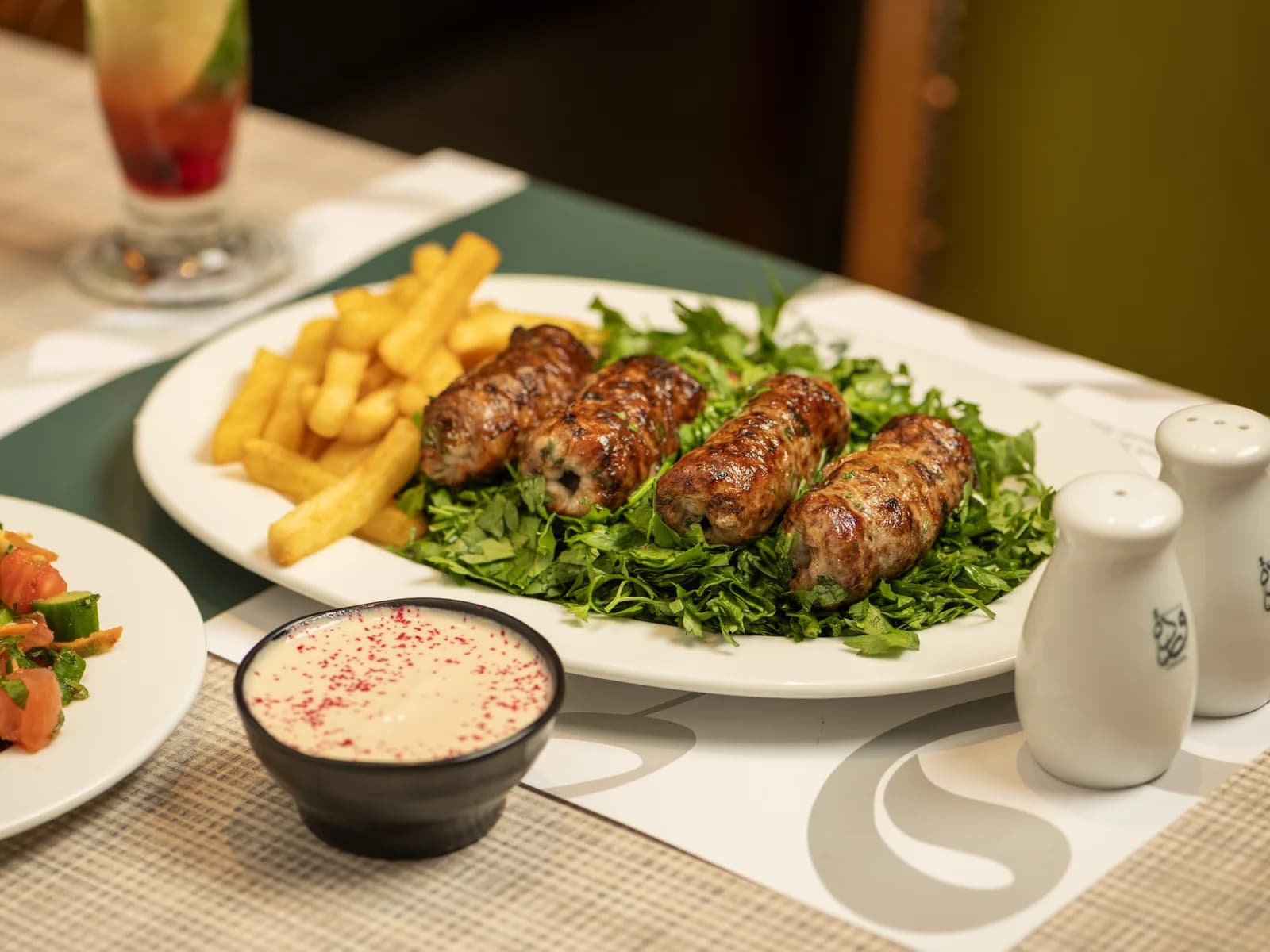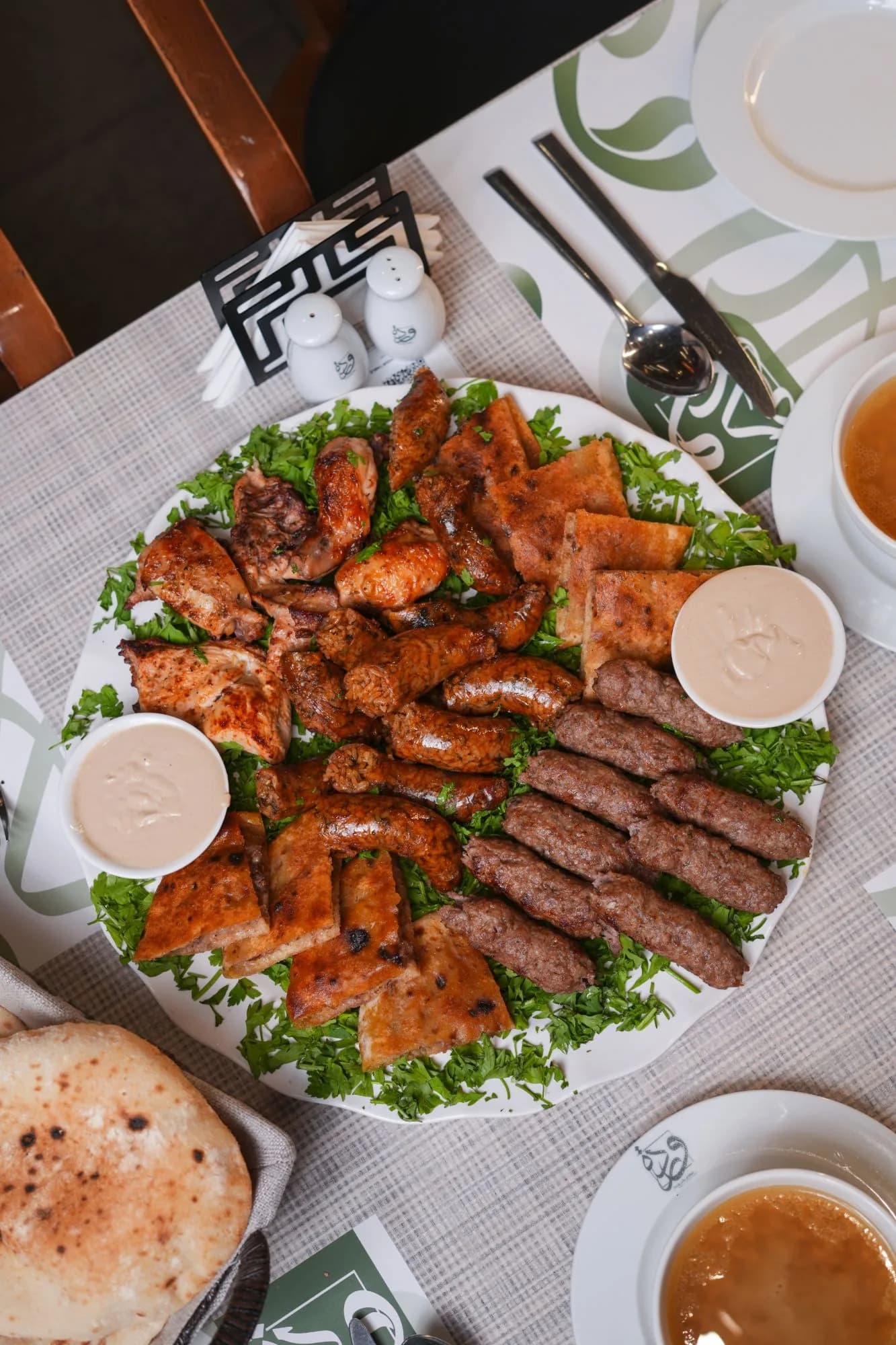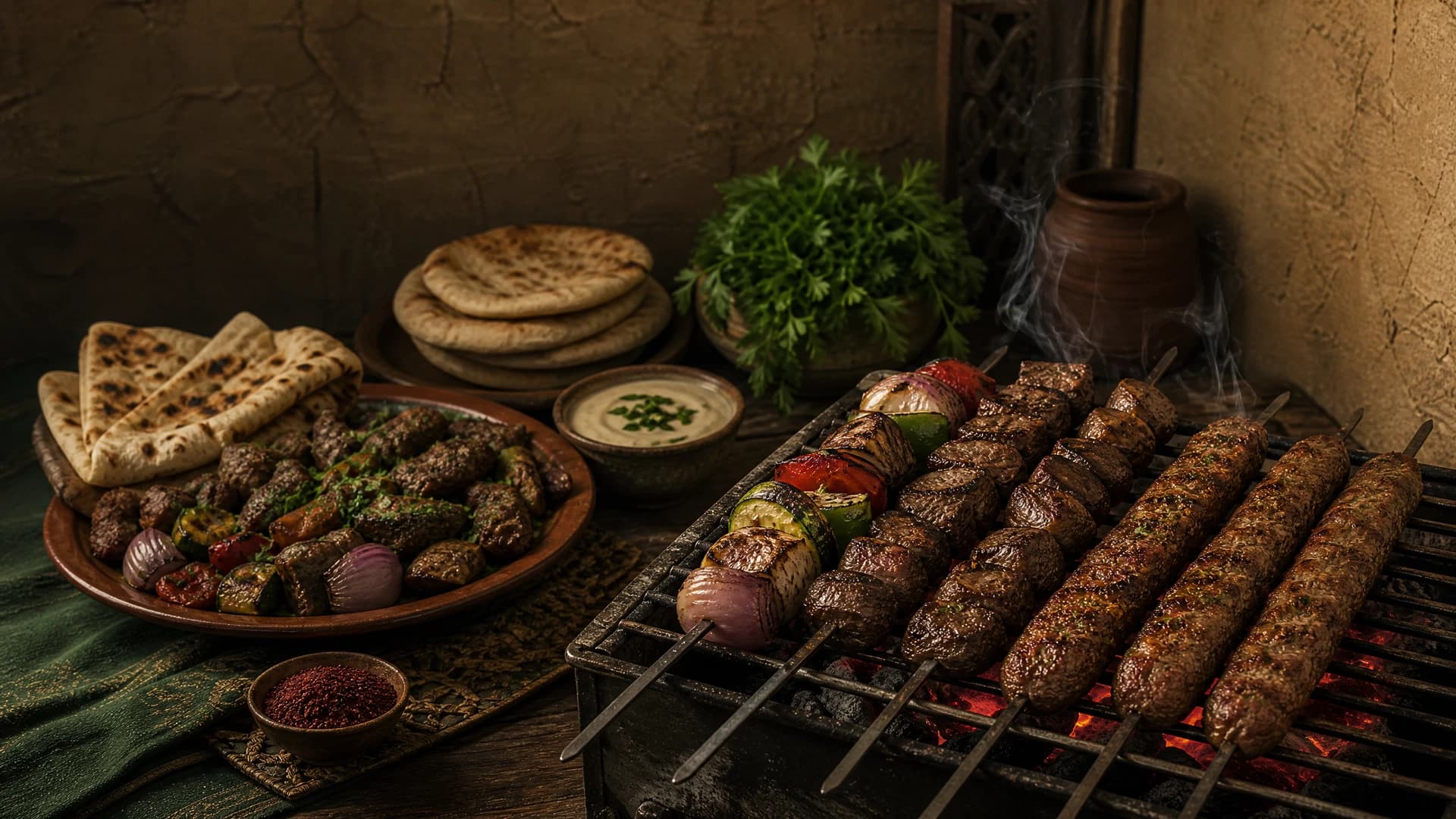
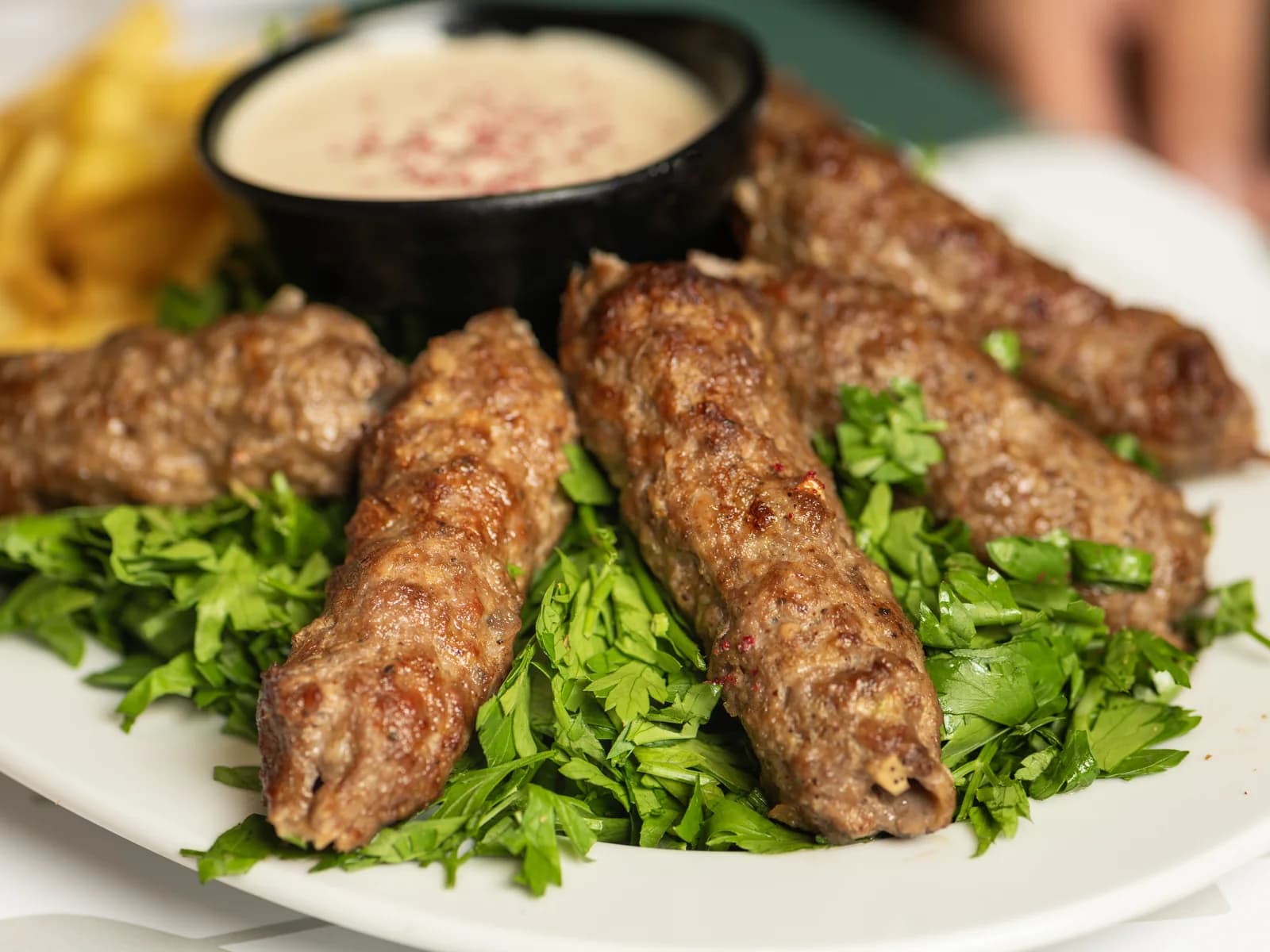
If you are looking for how to make kofta on charcoal that turns out like a restaurant's, you have probably tried before and hit the famous problem: the kofta falls off the skewer the moment it touches the fire, or comes out dry and crumbly. The good news is that the cause is usually simple: the amount of fat, the onion's water, the kneading, the chilling and when you turn it. In this article we walk you through it step by step, using a general home method that anyone who loves grilling knows, from the mix until the kofta comes off the charcoal.
And note from the first line: this is a home recipe example and general grilling know-how, not Rokn Warda's recipe or any particular restaurant's mix.
First: why does kofta fall off the skewer?
Before you start the mix, know what makes it fall. Kofta usually falls when:
- The meat is completely lean, with no fat, so nothing holds it together as it heats.
- The onion goes into the mix with its water, so the mix is soft and loosens.
- The mix is not kneaded enough, so the meat does not bind.
- The mix gets warm from your hands or the air, so the fat melts early.
- The skewer is thin and round, so the kofta spins around it and slides.
- Someone turns it too early, before the surface has set.
Each of these has an easy fix, and that is what comes next.
The mix: meat, fat and onion
The fat balance
Good kofta needs meat with a fair amount of fat: not lean meat like the kind used for steaks, and not meat that is mostly fat. Fat gives the juice, and it is also what holds the mix together on the fire. If you buy minced meat, ask for a cut with fat spread through it, ideally minced twice so the texture is fine and holds well. Many people mix beef with a little lamb for flavour, and that is each home's taste.
Onion: grated and squeezed
Onion gives kofta its familiar Egyptian flavour, and it is also the main reason it falls. The fix: grate it or chop it very finely, then squeeze it well in a clean cloth or a sieve until its water runs out. You are removing the water, not the flavour; what stays in the cloth goes into the mix.
Herbs and spices
- Parsley, finely chopped and dried well after washing.
- Salt and black pepper.
- Cumin and a little mixed spice or dried coriander, to your taste.
- A pinch of chilli if you like it hot.
For Egyptian spices in general, read Egyptian spices and dukkah.
A home recipe example
This is only an example to start from; adjust it to your taste:
- About a kilo of minced meat with a fair amount of fat.
- One large onion, grated and squeezed.
- Half a bunch of parsley, finely chopped.
- A teaspoon of salt and half a teaspoon of black pepper.
- A teaspoon of cumin and half a teaspoon of mixed spice.
How to make kofta on charcoal, step by step
Kneading
Put the meat, squeezed onion, herbs and spices in a wide bowl and knead by hand for a few minutes until the mix feels sticky and clings to itself and to your hand. Kneading with salt makes the meat's protein bind, and that is the «glue» that holds kofta on the skewer. If you have a food processor, you can mince the whole mix once more instead of kneading for long.
Chilling
Cover the bowl and put it in the fridge for at least an hour; leaving it from morning to evening is even better. Chilling firms up the fat so the mix holds, and gives the spices time to work into the meat.
Shaping on the skewer with wet hands
- Use wide, flat skewers, not thin round ones. A wide skewer carries the kofta and does not let it spin.
- Keep a bowl of cold water beside you and wet your hands before each piece.
- Take a ball of the mix, put it on the skewer, close your hand around it and pull it down while turning the skewer, until it forms an even layer no thicker than your finger.
- Press both ends firmly so they grip the skewer.
- If you are worried, shape it into fingers and put them in a closing grill basket; that is the safest way for a first try.
- Put the skewers back in the fridge until the charcoal is ready.
Fire, turning and resting
Prepare the charcoal properly
Light the charcoal and wait until the flames die down and the embers are red and covered with a light layer of ash. Kofta over direct flame burns outside and stays raw inside, and dripping fat makes the flames rise even more. All the details are in preparing a charcoal fire.
Safety note: never use charcoal indoors or in any closed space such as a kitchen, garage, enclosed balcony or tent, because burning charcoal gives off carbon monoxide, a colourless, odourless and very dangerous gas. Grill in an open, ventilated place and keep children away.
Turning
- Leave the kofta on its first side until it sets and browns before turning. Turning too early is what makes it fall more than anything else.
- After that, turn it every so often so it cooks on every side.
- If the fat catches fire, move the skewers to another spot instead of splashing lots of water.
- Thin kofta cooks quickly, so do not walk away. You can tell it is ready when it is browned outside and firm when you press it, with no raw colour inside.
Resting
Take the skewers off and leave them a minute or two on a plate or inside a loaf of bread before sliding the kofta off. Resting lets the juice settle, and the kofta comes off the skewer easily without breaking.

Mistakes that dry kofta out
Before you light the charcoal, go through this list:
- [ ] The meat has some fat; it is not completely lean.
- [ ] The onion is well squeezed.
- [ ] The mix is kneaded until sticky, and chilled.
- [ ] The fingers are of even thickness.
- [ ] The embers are steady, with no high flames.
- [ ] No extra cooking «just to be sure».
For grilling mistakes in general, read grilling mistakes that dry out meat.
What to serve it with
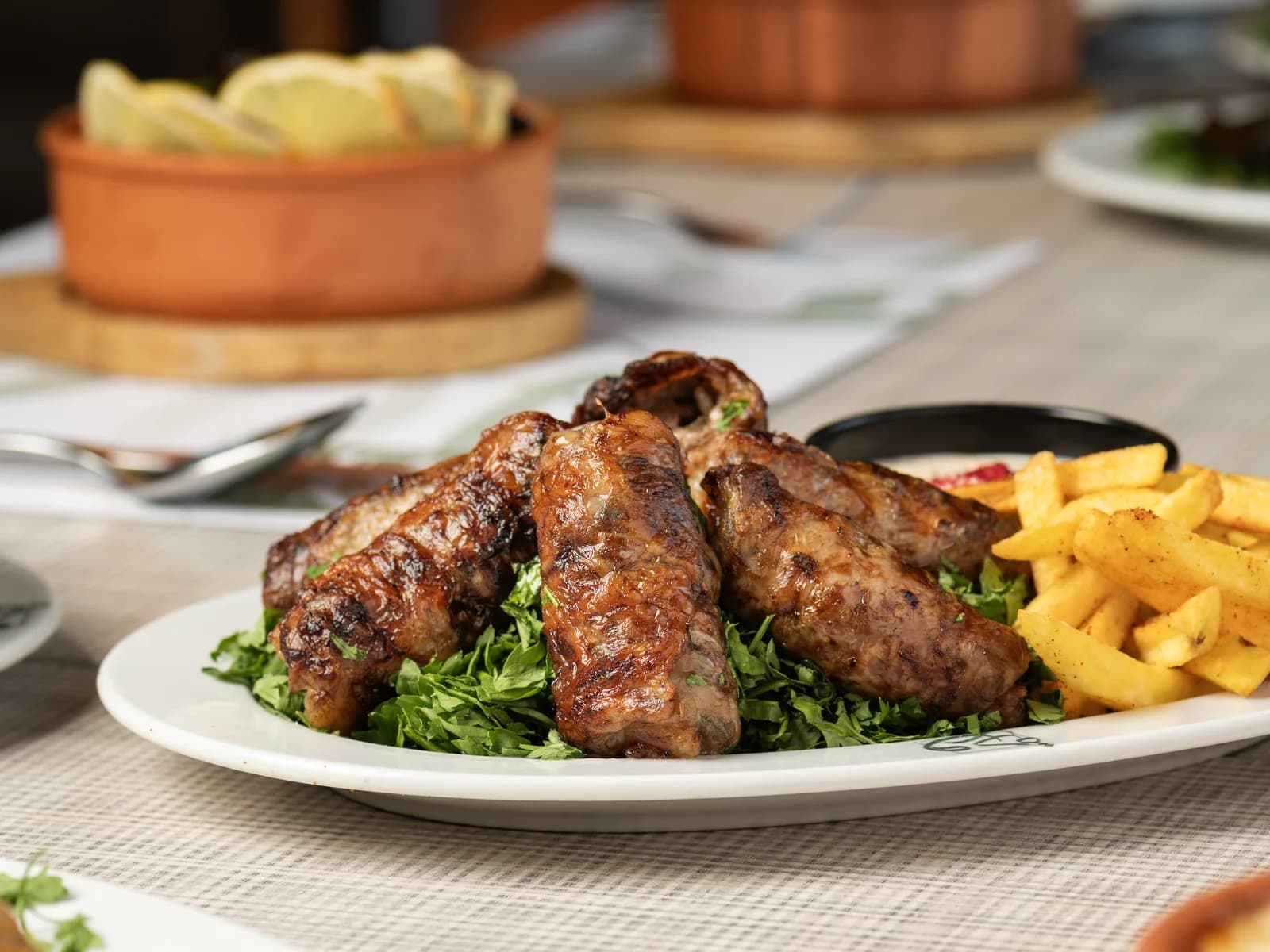
Hot baladi bread, tahini, a green salad, pickles and onion with parsley. More ideas in salads to eat with grills. And if you like the same idea wrapped in a layer of fat, that is called tarb; learn more in Egyptian tarb.
Frequently asked questions
Why does kofta fall off the skewer? Usually because of the onion's water, completely lean meat, too little kneading or turning too early. Squeeze the onion, knead until the mix is sticky, chill it, and wait for the surface to set.
Should I add bread or breadcrumbs to the mix? Some people add a few breadcrumbs to soak up extra water, which can help if the onion is still wet. But familiar charcoal kofta relies mainly on the meat, the fat and the kneading.
Can I prepare the mix the day before? Yes, and that usually makes the flavour better and the mix firmer. Keep it covered in the fridge and shape it just before grilling.
Can I make it in the oven if I have no charcoal? You can cook it under the oven grill and turn it, but the charcoal aroma will not be there.
No time for all that?
If you want charcoal kofta without the kneading and the smoke, at Rokn Warda, an Egyptian restaurant on Al Yarmouk Street, Al Olaya, Al Khobar, the grills are cooked over charcoal and the meat is fresh every day. Order kofta: minced meat with spices and herbs over charcoal, or tarb: kofta wrapped in caul fat over charcoal, or mixed grills with kebab, kofta and chicken shish. Add the salad buffet with vegetables, sauces and Egyptian pickles, or vermicelli rice.
We deliver in Al Khobar and Dammam, you can pick up your order from the restaurant, or book your table and come eat kofta straight off the charcoal. Everything is on the menu.