Ask any older Egyptian woman about "the Abla Nazira book" and she will probably smile and say: "My mother had it" or "It's still in my kitchen". This book, whose real title is "Usul al-Tahi" (The Principles of Cooking), is one of the most famous cookbooks in the history of the Egyptian home, and it is still printed, sold and given as a gift today.
In this article we talk about this book, why people called it "the Abla Nazira book", and how Egyptian homes learned to cook before and after it: from a mother's hands, to home economics class, to radio and television, all the way to videos on the phone.
The book "Usul al-Tahi": who is Abla Nazira?
The book is known as "Usul al-Tahi al-Nazari wal-Amali" (The Principles of Cooking, Theory and Practice), and it carries the names of Nazira Nicola and Bahia Othman. It is widely known that they were home economics teachers and that the book was originally written to be taught to girls at school, before it left the classroom and entered homes. "Abla" is the title Egyptians use for a female teacher, which is why people called it "the Abla Nazira book", a name that became better known than its title.
We will not give dates or details about the authors' lives, because such precise information needs documented sources, but what is certain is that the book has gone through a great many printings and passed from generation to generation.
What is in the book?
As anyone who has opened it knows, the book is more than recipes:
- Kitchen basics: organising the kitchen, tools, measurements and different cooking methods.
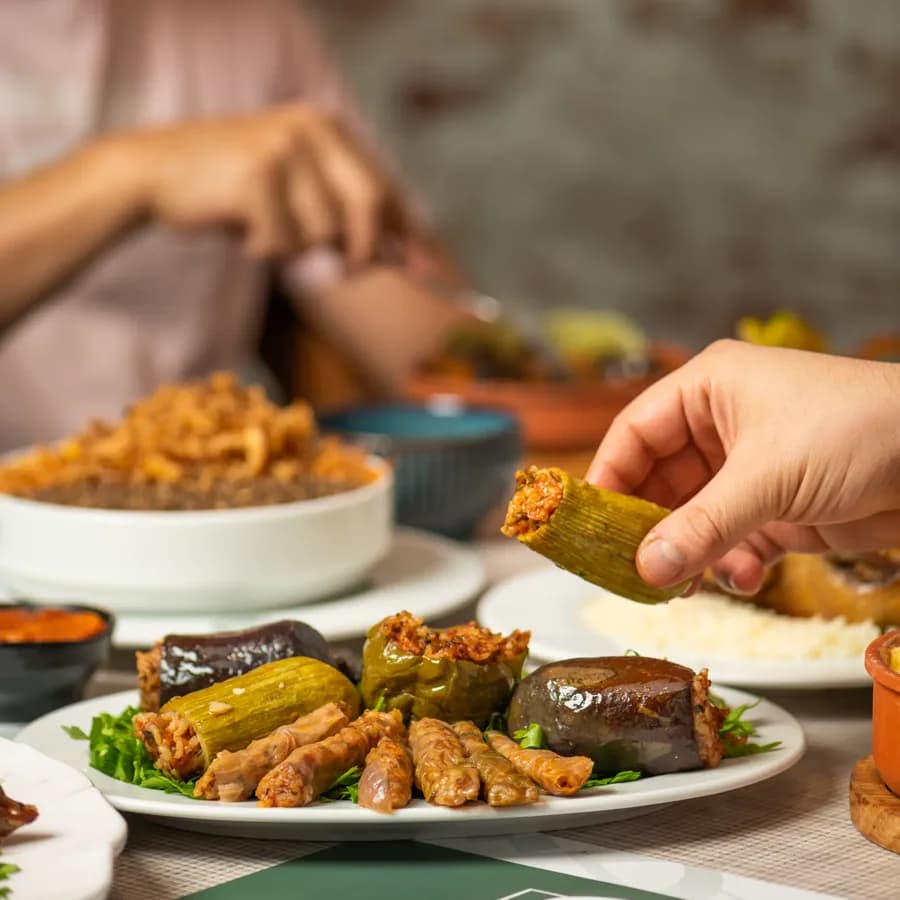
- Egyptian dishes: such as mahshi, molokhia, casseroles and oriental sweets.
- European dishes that were common in Egyptian homes: sauces such as béchamel, gâteaux and cakes, and other foreign dishes.
- Sweets and baked goods of every kind.
This reflects the taste of the Egyptian home at the time: a table bringing local food together with dishes that came from other kitchens. Read about that mix in The palace kitchen in the khedivial era.
Why has this book lasted so long?
People mention many reasons:
- A teacher's style: recipes explained step by step in simple language, the way a teacher explains to her pupils.
- Exact measurements: instead of "a bit of this and a little of that", the book gives clear quantities.
- Breadth: from the simplest thing to a full feast, almost everything is there.
- Trust: many people say "if you are not sure, go back to Abla Nazira".
A book in the bride's trousseau
A story that is often told says the book was placed in the bride's trousseau (gehaz) in many homes, beside the pots and plates, to be the reference of the new household. The custom is told with affection and humour, and its details vary from family to family.
Before the book and after it: how did homes learn to cook?
A mother's and grandmother's hands
The oldest and most important way: a daughter, and in many homes a son too, stands beside a mother or grandmother in the kitchen, watching and copying. Measurements here are "by eye" and "to taste": "add salt until it's right", "leave it until it's done". This is what gave every home its own "nafas" (breath), the quality Egyptians mean when they say "this food has nafas".
Before feasts and festive seasons, the kitchen turned into a big classroom: women of the family and neighbours gathered to roll mahshi or make the feast kahk, the eldest teaching the youngest while telling stories and laughing. In those gatherings many girls learned secrets they would never have found in any book.
Home economics class
In Egyptian schools, home economics (al-tadbir al-manzili) was a familiar subject in which girls learned the basics of cooking, sewing and running a home. The book "Usul al-Tahi" itself, as it is said, came out of that world.
Radio, television and magazines
Over time, cooking programmes on the radio and then on television, and recipe pages in magazines, became another source for homes. Many people remember scribbling a recipe down quickly while listening or watching, so as not to miss a measurement.
The recipe notebook
One of the loveliest home habits is the recipe notebook (kashkool), in which a woman writes her own recipes and those of her neighbours and relatives in her own hand, with notes like "add a little more sugar" or "half an hour in my oven is enough". Such a notebook can be passed from generation to generation and be worth more than any book.
Phones and videos
Today a recipe is one tap away, and videos show every step. Yet, curiously, many people still go back to the Abla Nazira book or their mother's notebook when they want "the original taste" they grew up with.
Why did the written recipe matter?
Cooking by eye is lovely, but it has limits: if a daughter married and lived far from her mother, or the family moved from a town to another city, a recipe could be lost or changed. This is where the written recipe, in a book or a notebook, became the memory of the home. It is what keeps the taste of molokhia in the granddaughter's house close to its taste in the grandmother's, and what lets someone cooking for the first time begin without fear. That is why books like "Usul al-Tahi" and recipe notebooks hold an emotional place for many people, far beyond paper.
Home dishes still on the table
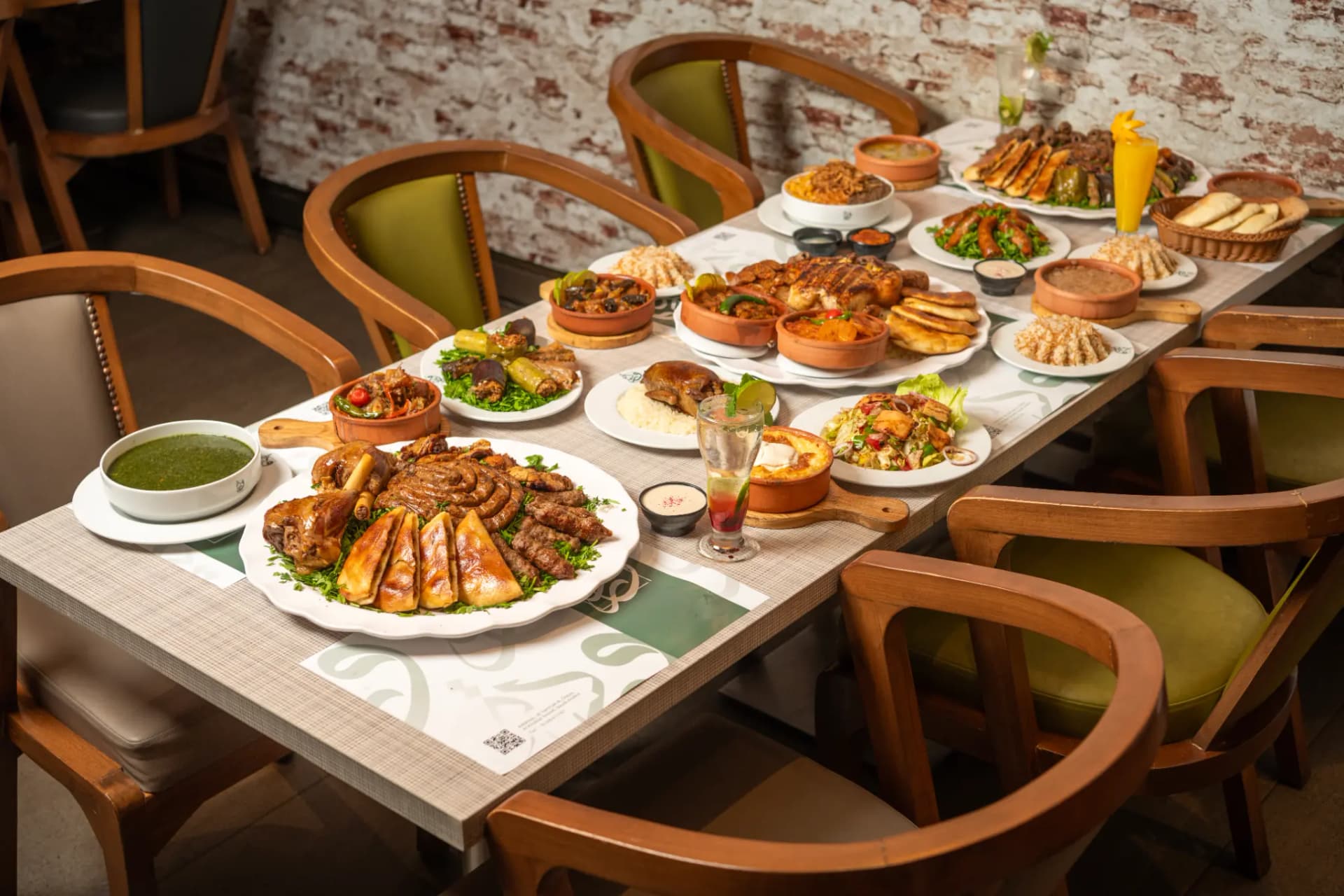
Many of the dishes homes learned from books and mothers are still the stars of the Egyptian table:
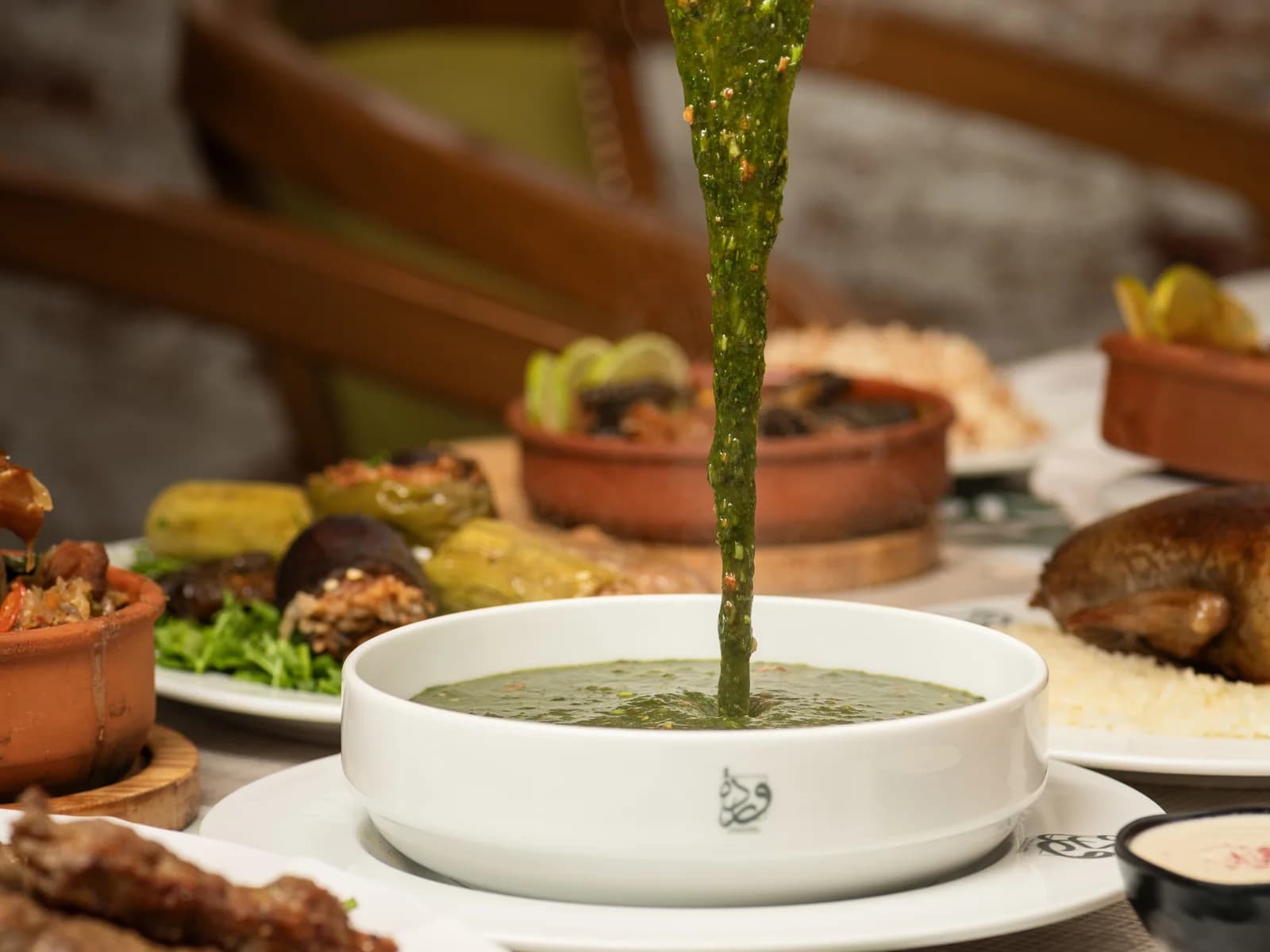
- Molokhia and its garlic finish (tasha).
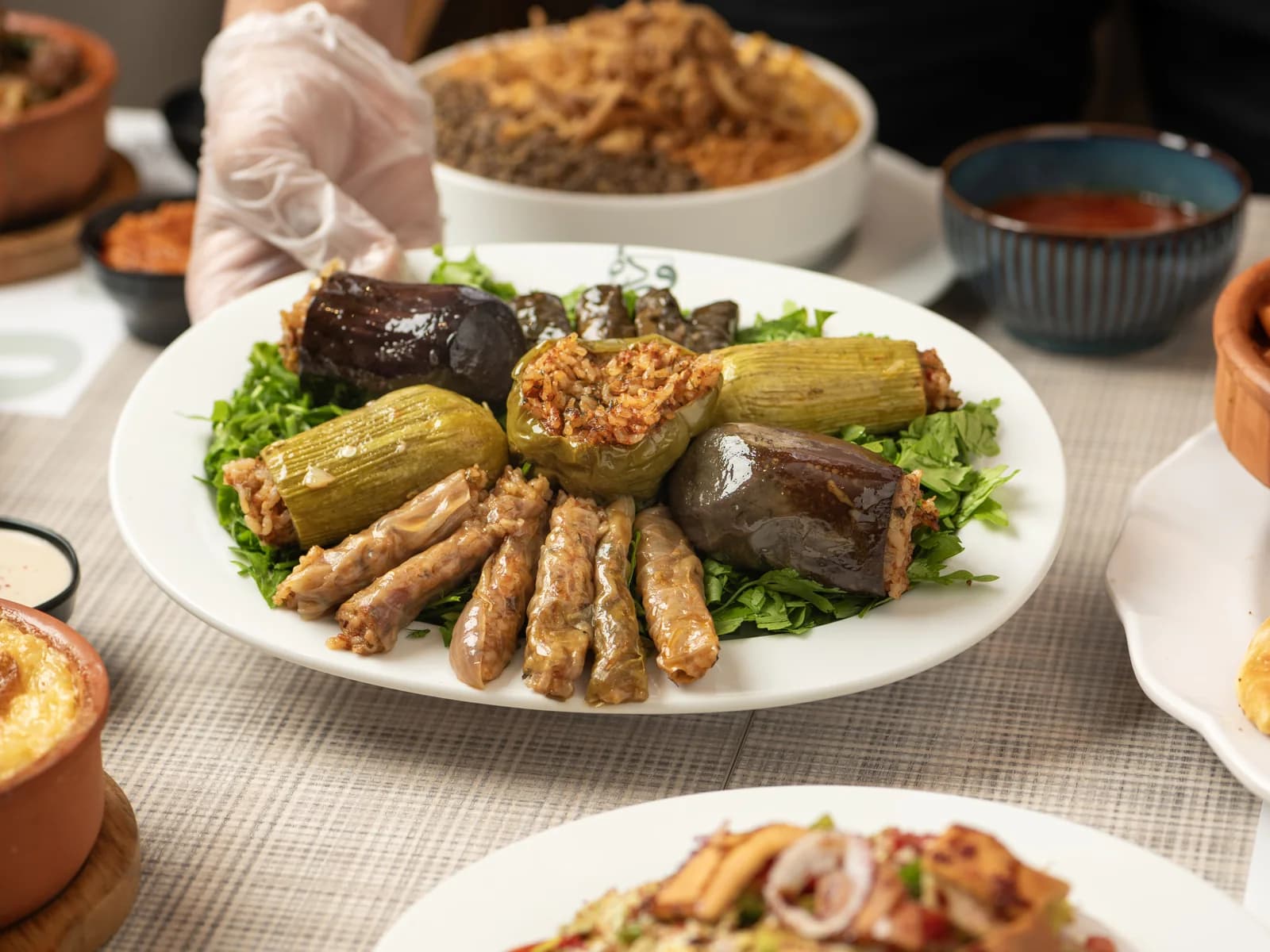
- Mahshi in all its kinds.
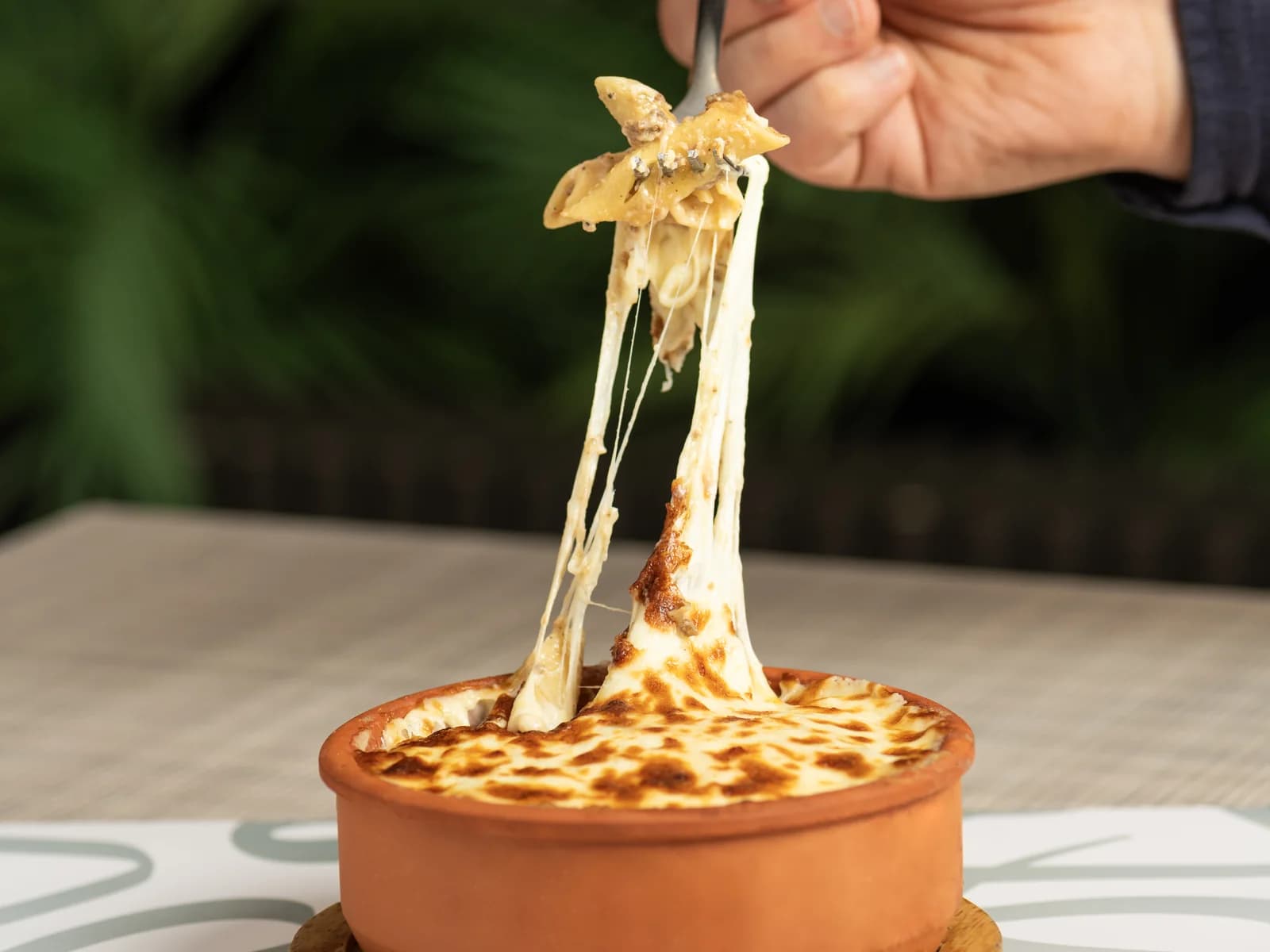
- Macaroni béchamel, whose béchamel is one of those recipes that needs exact measurements.
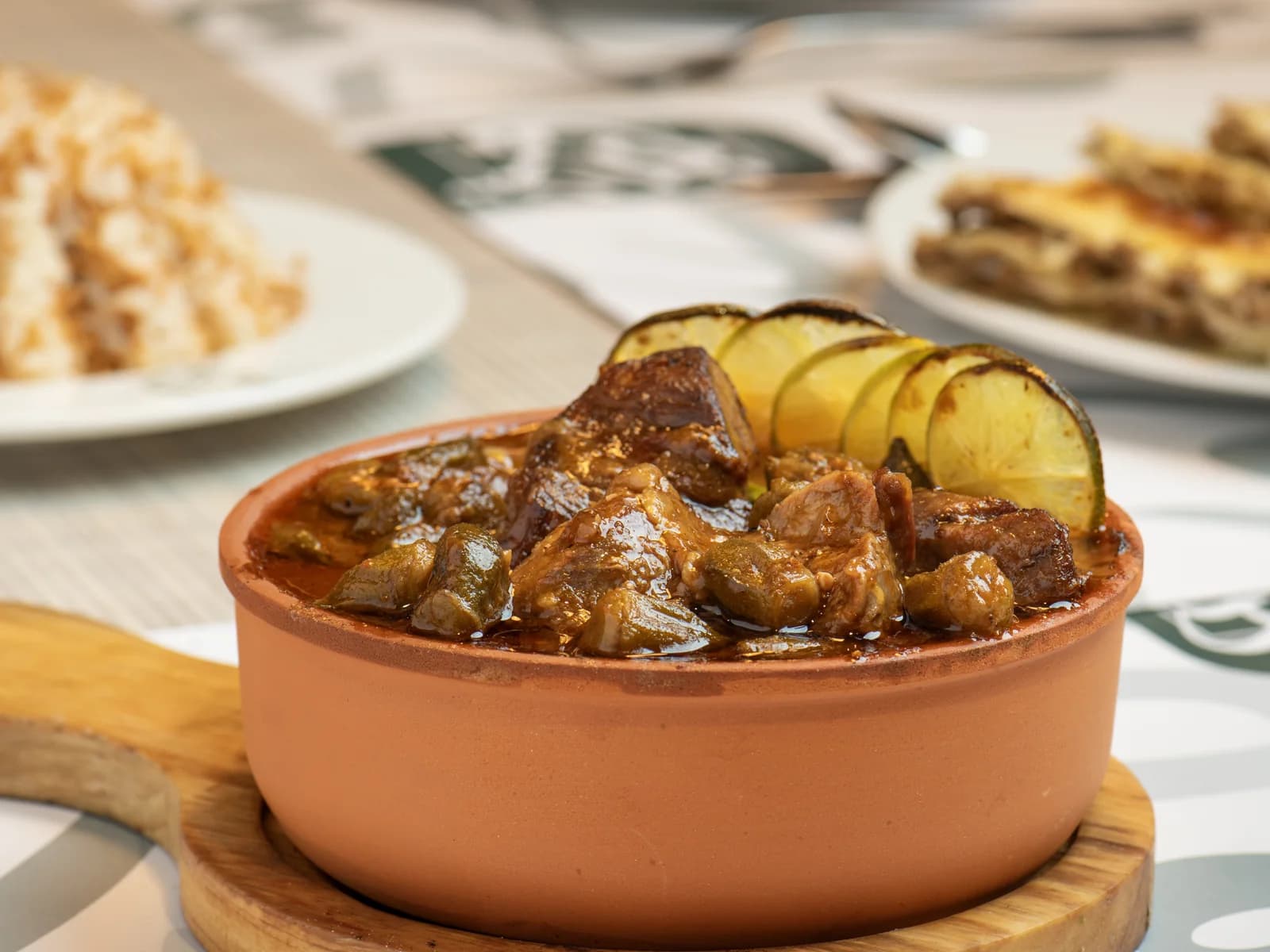
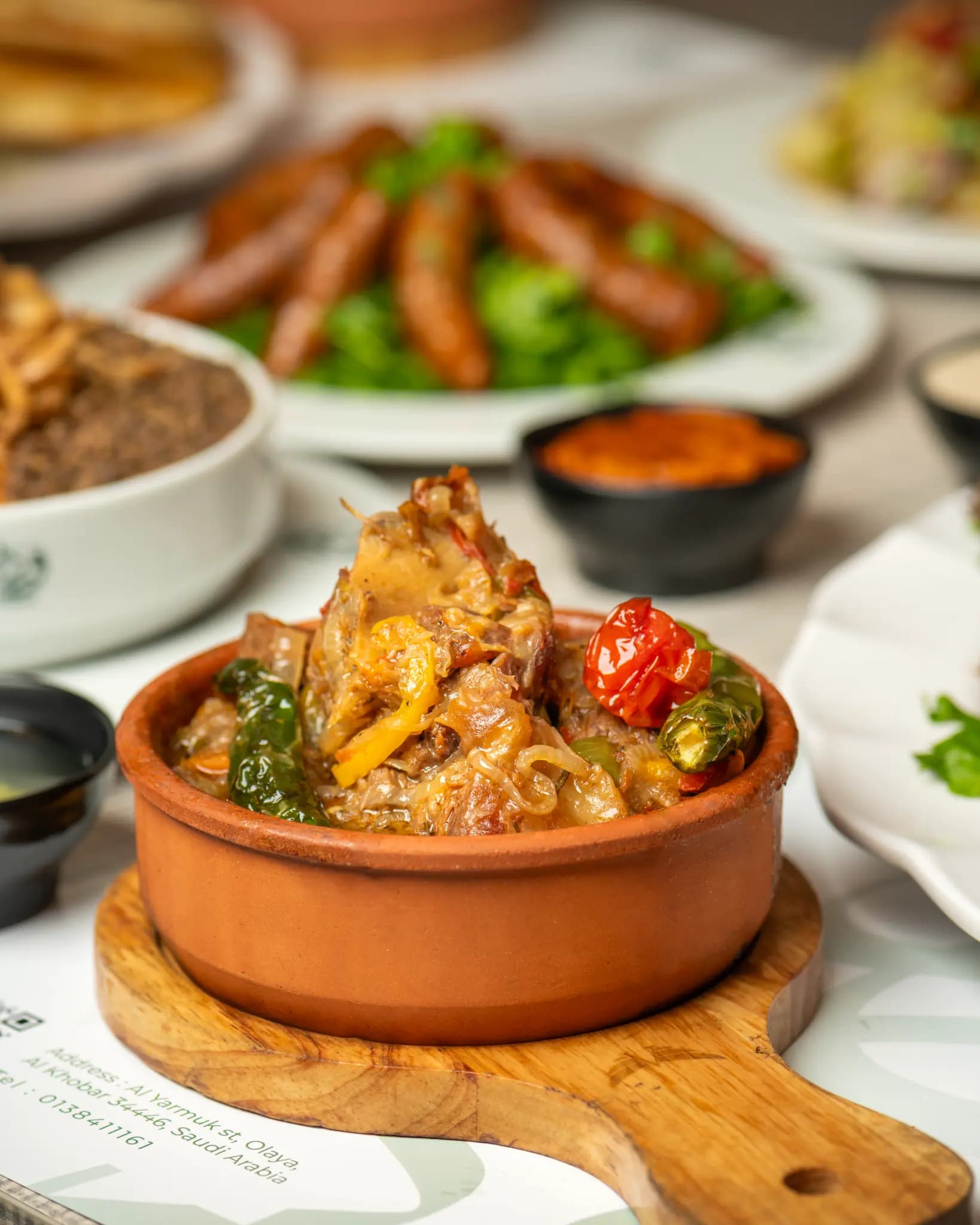
- Oven casseroles, such as okra and meat in tomato sauce.
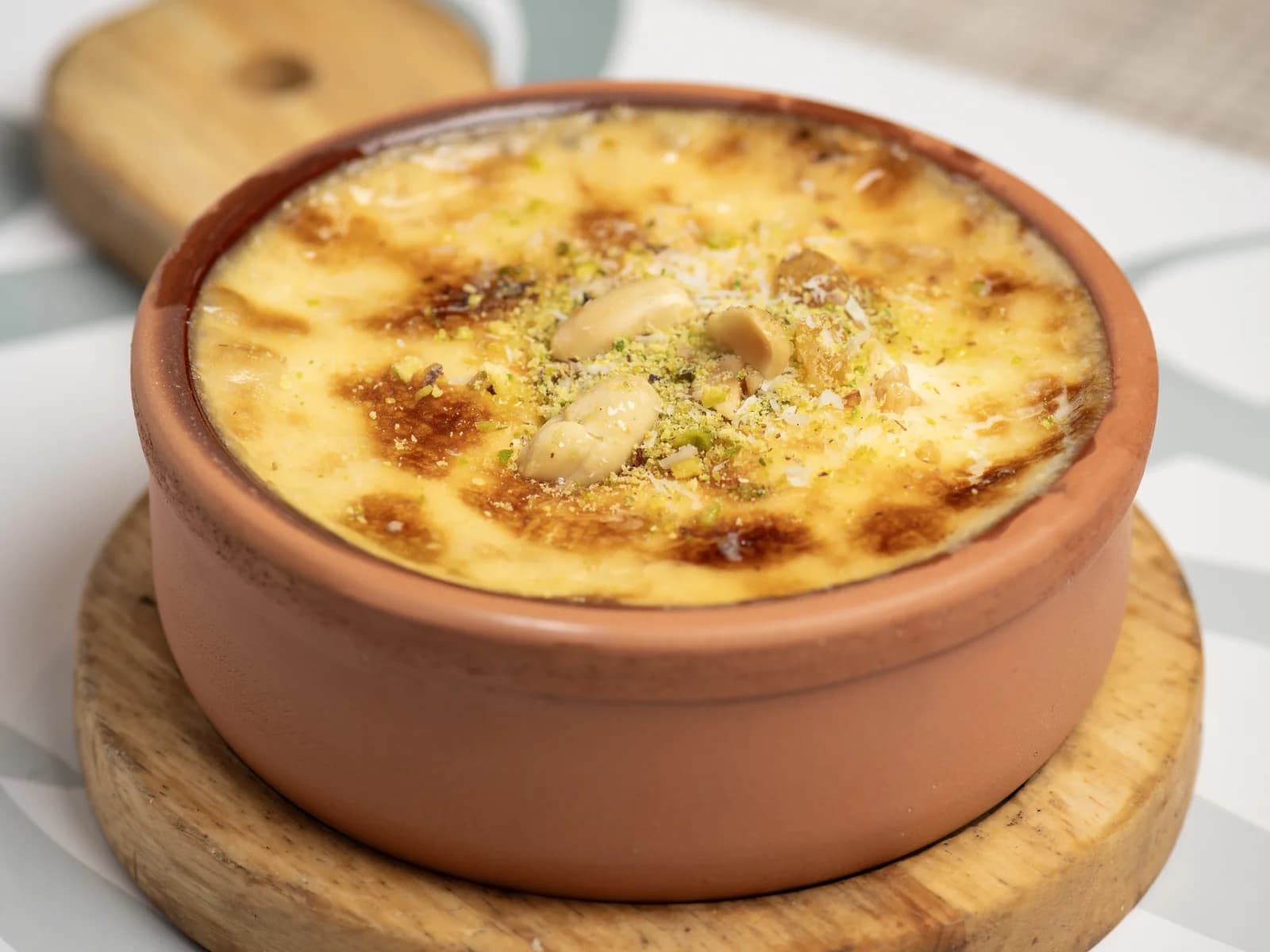
- Om Ali and rice pudding.
If you would like to know why food in Egypt is so tied to gathering together, read The Egyptian table and hospitality.
Frequently asked questions
What is the real title of the Abla Nazira book? It is "Usul al-Tahi al-Nazari wal-Amali", carrying the names of Nazira Nicola and Bahia Othman, and people came to call it "the Abla Nazira book".
Why is it called "Abla"? Because "Abla" is the Egyptian title for a female teacher, and the authors are widely known to have been home economics teachers.
Is the book still around? Yes, it is still printed and sold, and found in many Egyptian homes.
Does the book contain only Egyptian food? No, it has Egyptian dishes alongside European dishes and sweets that were common in Egyptian homes, reflecting the taste of the Egyptian table at the time.
Is cooking "by eye" better than measuring? Neither is better: exact measurements help those still learning, and the eye comes with experience. The best food usually brings the two together.
The taste of home on your table in Al Khobar
From home economics class to a mother's notebook, Egyptian food has passed from hand to hand. At Rokn Warda on Al Yarmouk Street in Al Khobar, you will find the Egyptian home dishes we grew up on: molokhia casserole, mixed mahshi, macaroni béchamel casserole and okra and beef casserole, and to finish, Om Ali or rice pudding. Browse the full menu, read Macaroni béchamel the Egyptian way, and book your table.