When you say "Let's have macaroni béchamel for lunch", ask the pastry shop for "a box of gâteaux", or hear an old story about the "sofragi" going round the guests, you are, without noticing, using words that come from a long story: the story of Egyptian food in the khedivial era and Muhammad Ali's dynasty in the 19th century, when palace kitchens opened up to Ottoman Turkish food and to European food, especially French. This story has well-known facts in it, and it has tales told without evidence, and we will separate the two as we go.
In this article
- 1Egypt in the 19th century: palaces looking towards Istanbul and Paris
- 2Egyptian food in the khedivial era: two tables in one palace
- 3Words that entered our kitchen through the palace door
- 4How did the food move from the palace to the home?
- 5Dishes on our table with a link to the story
- 6Frequently asked questions
- 7From the palace table to yours
Egypt in the 19th century: palaces looking towards Istanbul and Paris
To understand the table, you need to understand the times a little:
- Muhammad Ali Pasha ruled Egypt in the first half of the 19th century. Egypt was then formally part of the Ottoman Empire, the ruling class used Turkish for many things, and its habits in food and dress were close to Istanbul's.
- In his time educational missions were sent to Europe, especially France, and people came back with new ideas and habits.
- Later, rulers from the same family took the title "Khedive", the best known in our story being Khedive Ismail, remembered for his love of Europe and his wish for Cairo to resemble its capitals; hence the name "Khedivial Cairo" for downtown with its streets and buildings.
- In the same century many foreign communities settled in Egypt and worked in trade and crafts, and all of this influenced the Egyptian home, including its kitchen.
Egyptian food in the khedivial era: two tables in one palace
Picture a palace of the ruling family or the house of a great pasha at that time. The commonly told picture is that the table followed two lines side by side.
The Ottoman Turkish line
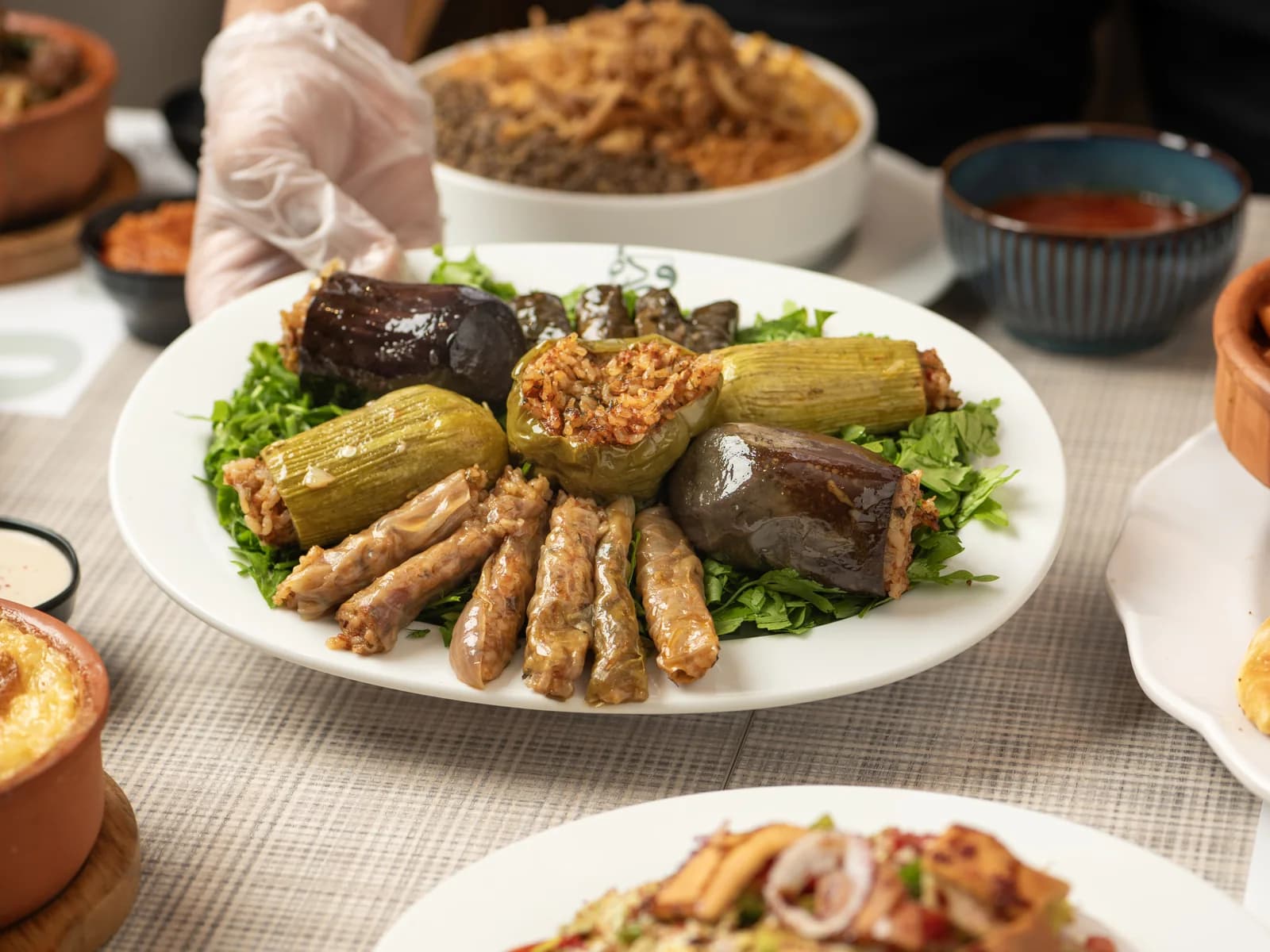
This is the older and closer one: stuffed vegetables of all kinds and vine leaves, kofta and kebab, soups, and sweets made with ghee, honey and nuts. Many of these names entered Egyptian Arabic from Turkish, or from Persian through Turkish, such as "kofta" and "shorba" (soup). It is a wide subject, covered in detail in Ottoman influence on Egyptian food.
The European French line
During the 19th century, and especially with Khedive Ismail's leaning towards Europe, French cooking became a mark of luxury at official banquets: sauces, dishes served one after another in order, and desserts made with cream, butter, eggs and flour. It is said that palaces and great houses employed European cooks alongside Egyptian and Turkish ones; that is widely repeated and plausible, but names and exact details are not something we can confirm here, so we will not invent a chef or a menu.
Words that entered our kitchen through the palace door
The easiest way to see this story is in the words we use every day without thinking:
- "Sofra" and "sofragi": "sofra" is a well-known word in Turkish and Persian for the dining spread, and a "sofragi" is the person who serves at it. The job was linked to the houses of the elite and the palaces, and it lived on in hotels and weddings for a long time.
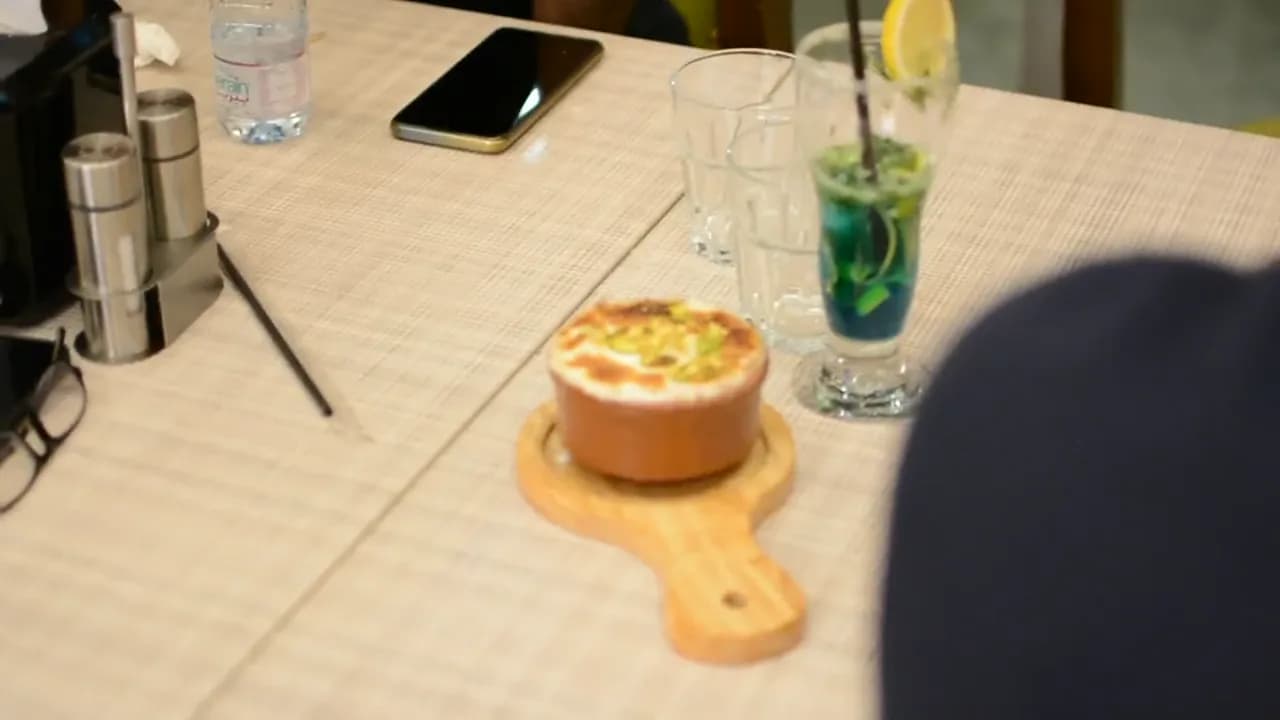
- "Béchamel": the name of a well-known French sauce of milk, butter and flour, which entered the Egyptian home until it became the "king" of macaroni trays.
- "Sauce": from the French word for it.
- "Gâteau" and "petit four": both French; the European-style pastry shops that spread in Cairo and Alexandria made them part of Eid visits and celebrations.
- "Pudding" and "crème caramel": egg-and-milk desserts of European origin that found a place next to rice pudding and muhallabia, which Egyptians have known for a long time.
How did the food move from the palace to the home?
Nobody wrote a "plan" for moving food from the palace to the street, but there are familiar ways things travel in any country:
- Cooks and servants: whoever worked in a palace kitchen or a pasha's house learned new dishes and methods, and took them along when cooking for their own home or another house.
- Foreign communities: Greeks, Italians, Armenians, Levantines and others lived in Cairo and Alexandria and opened bakeries, pastry shops and grocers, putting gâteaux and pasta within reach of more people.
- Schools and cookbooks: in the 20th century, cookery and home economics teaching spread, and Arabic cookbooks appeared with "European-style" dishes next to Egyptian food.
- The middle class: when civil servants and merchants wanted to offer a "proper table" at their invitations, they borrowed dishes from the elite's table and simplified them to suit the home.
The result is that a dish reaches the Egyptian home, but not unchanged: it becomes Egyptian. The spices change, ghee comes in, it is baked in a tray in the oven and shared by the whole family. That has long been the secret of Egyptian cooking: it takes from everywhere and gives it back with its own taste. To know more about that idea, read What makes Egyptian food distinctive?.
Dishes on our table with a link to the story
Macaroni béchamel
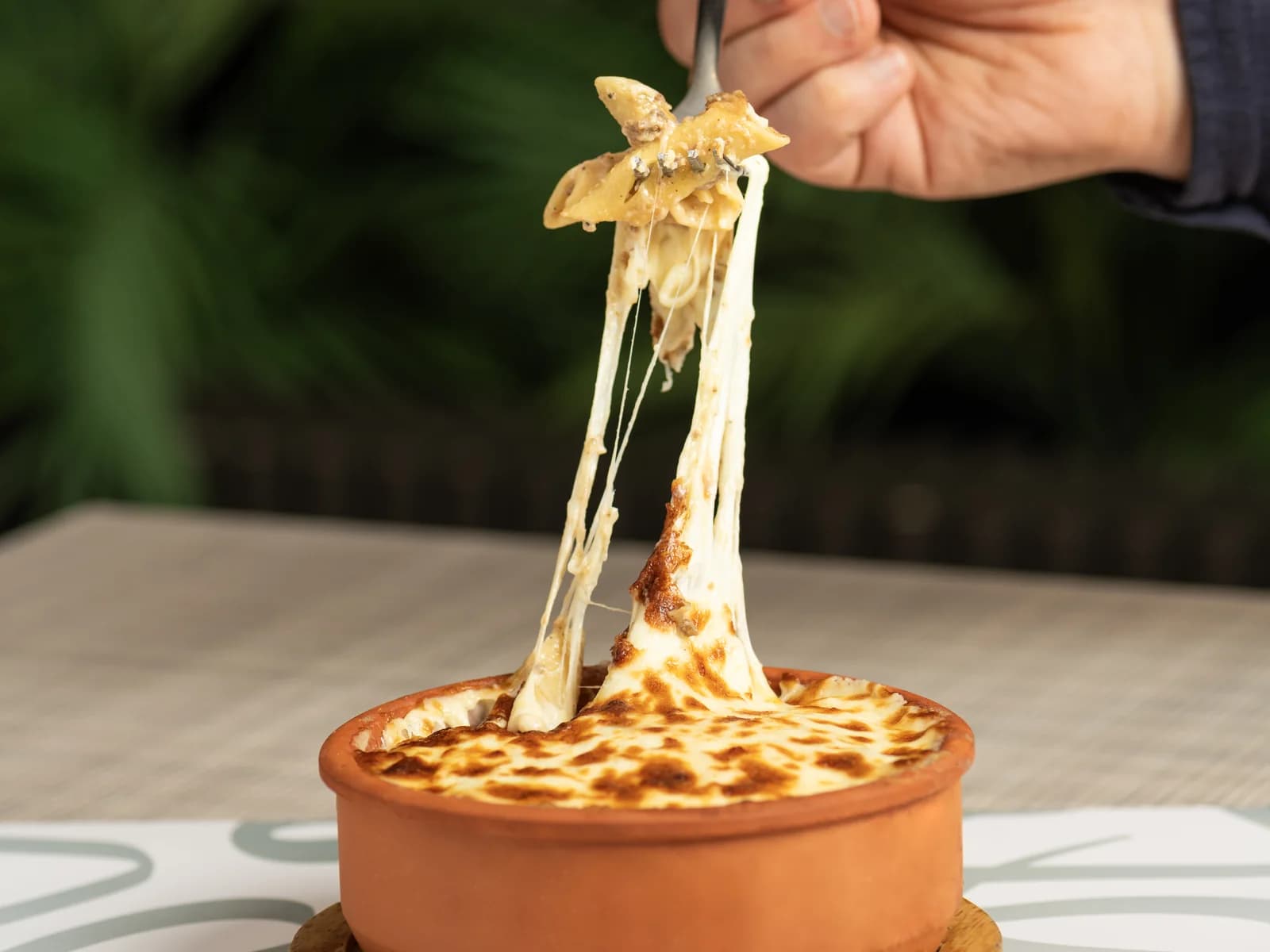
The clearest example: a French sauce, pasta that reminds you of Italy, a layer of seasoned minced meat, and the result is a thoroughly Egyptian tray. There are many stories about its origin and its relation to similar Greek and Italian dishes, and nobody can say exactly when it became a home dish; the details are in the story of macaroni béchamel.
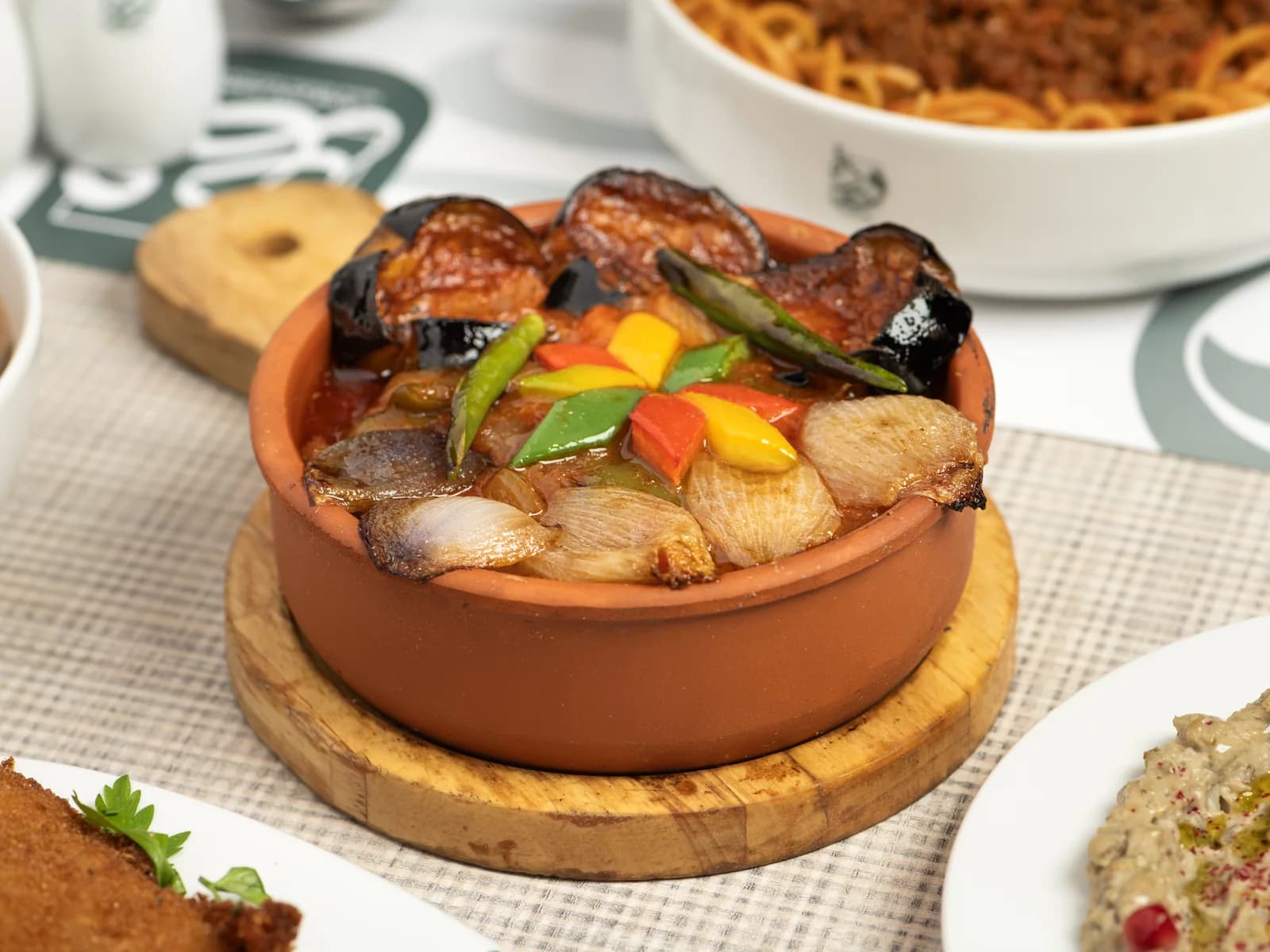
Moussaka (musaqqa'a)
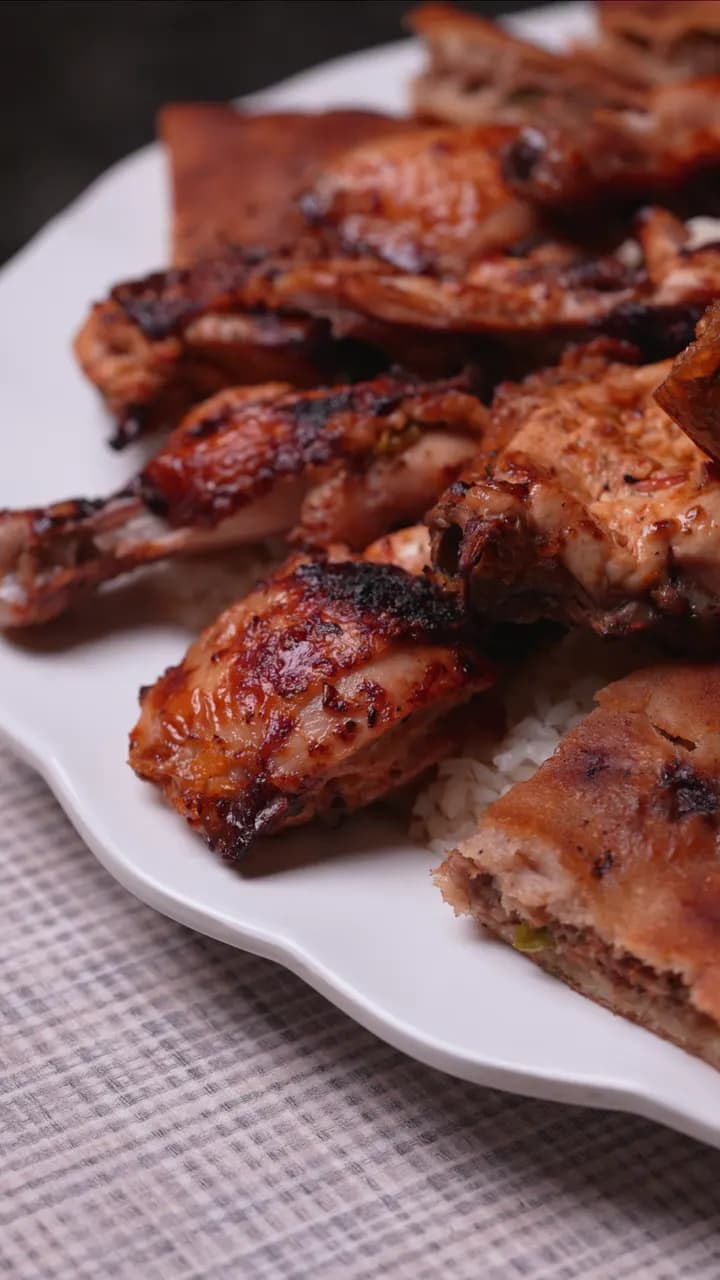
Its name is Arabic, and a common explanation is that it means "the chilled one", because it used to be eaten once it had cooled. It is one of the dishes shared by all the kitchens of the eastern Mediterranean, each with its own way.
Dawood Basha
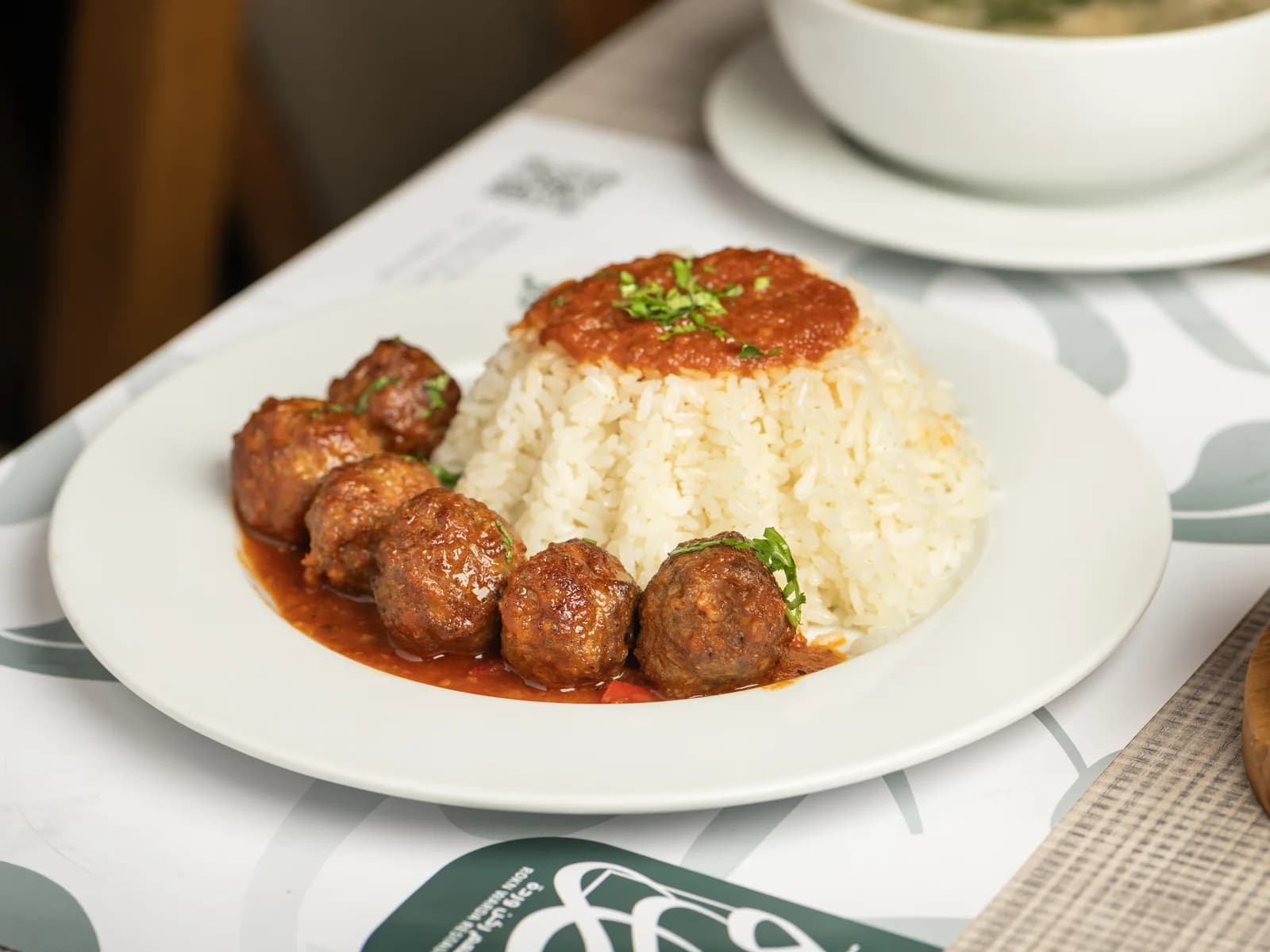
Small kofta in tomato sauce, and its name itself carries the title "pasha". The popular story is that it was the favourite dish of a pasha called Dawood, but nothing is certain about exactly who he was, so keep it as a nice story at the table, nothing more.
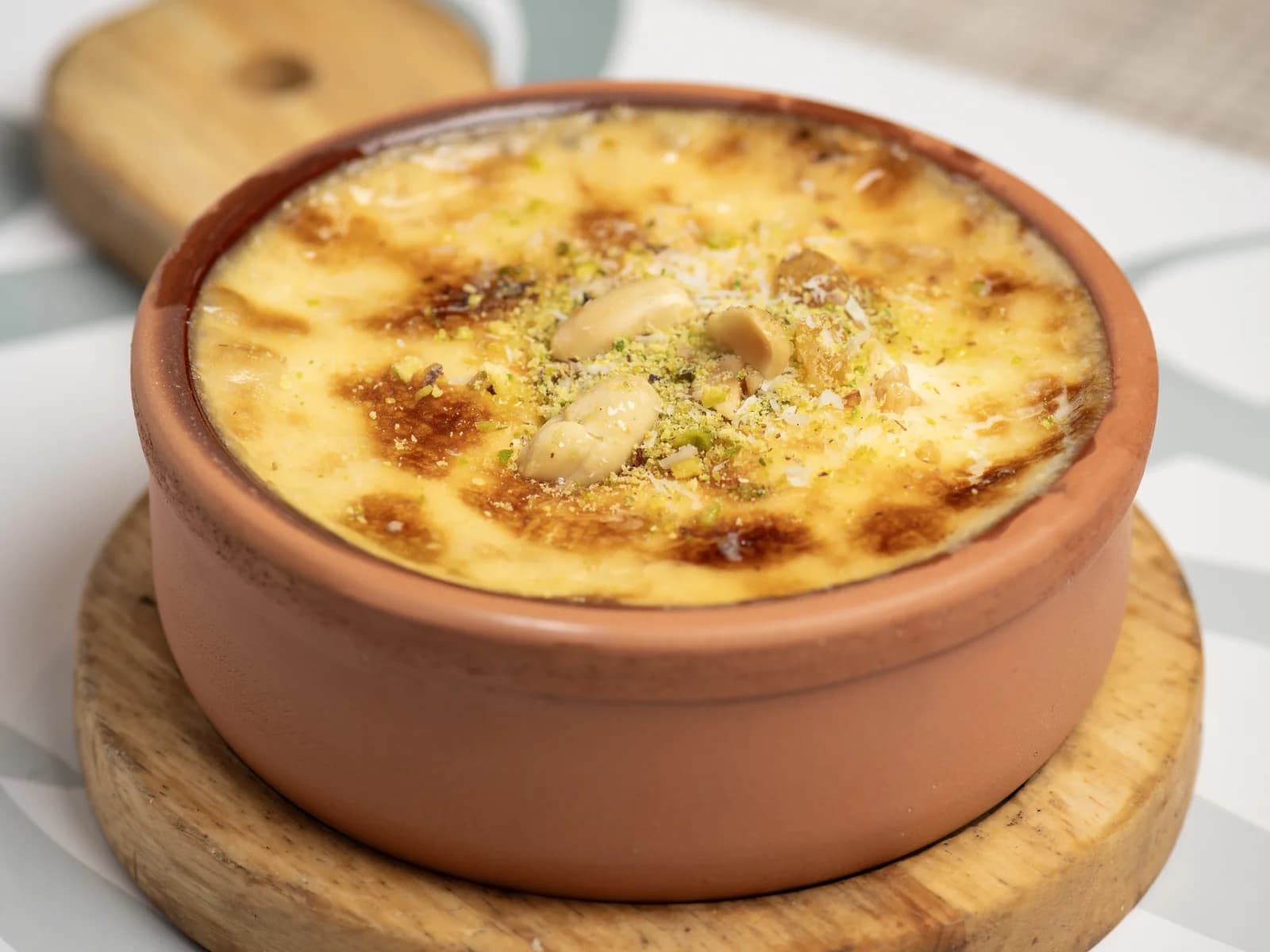
Om Ali
We include it because it is a "grand" dessert on any table, but the famous popular story about it places it in a much earlier era than the khedives, the Mamluk period, and that too is a popular tale, not proven history. Its details are in the story of Om Ali, and for Cairo in those eras read Food in Fatimid and Mamluk Cairo.
Frequently asked questions
Was Egyptian food in the khedivial era entirely French? No. The commonly told picture is that elite palaces combined Ottoman Turkish food with European food, while most Egyptian homes kept their usual food and took from the new slowly.
Where does the word "sofragi" come from? From "sofra", the well-known Turkish and Persian word for the dining spread, with a Turkish suffix that marks the person who does a job, meaning the one who serves at the table.
Is Dawood Basha a real person's name? There is a popular story that the dish was named after a pasha called Dawood, but there is no confirmed information about who he was.
How did béchamel become home food? Through the big kitchens, the foreign communities and cookbooks, and over time it became a staple of macaroni trays in many homes.
From the palace table to yours
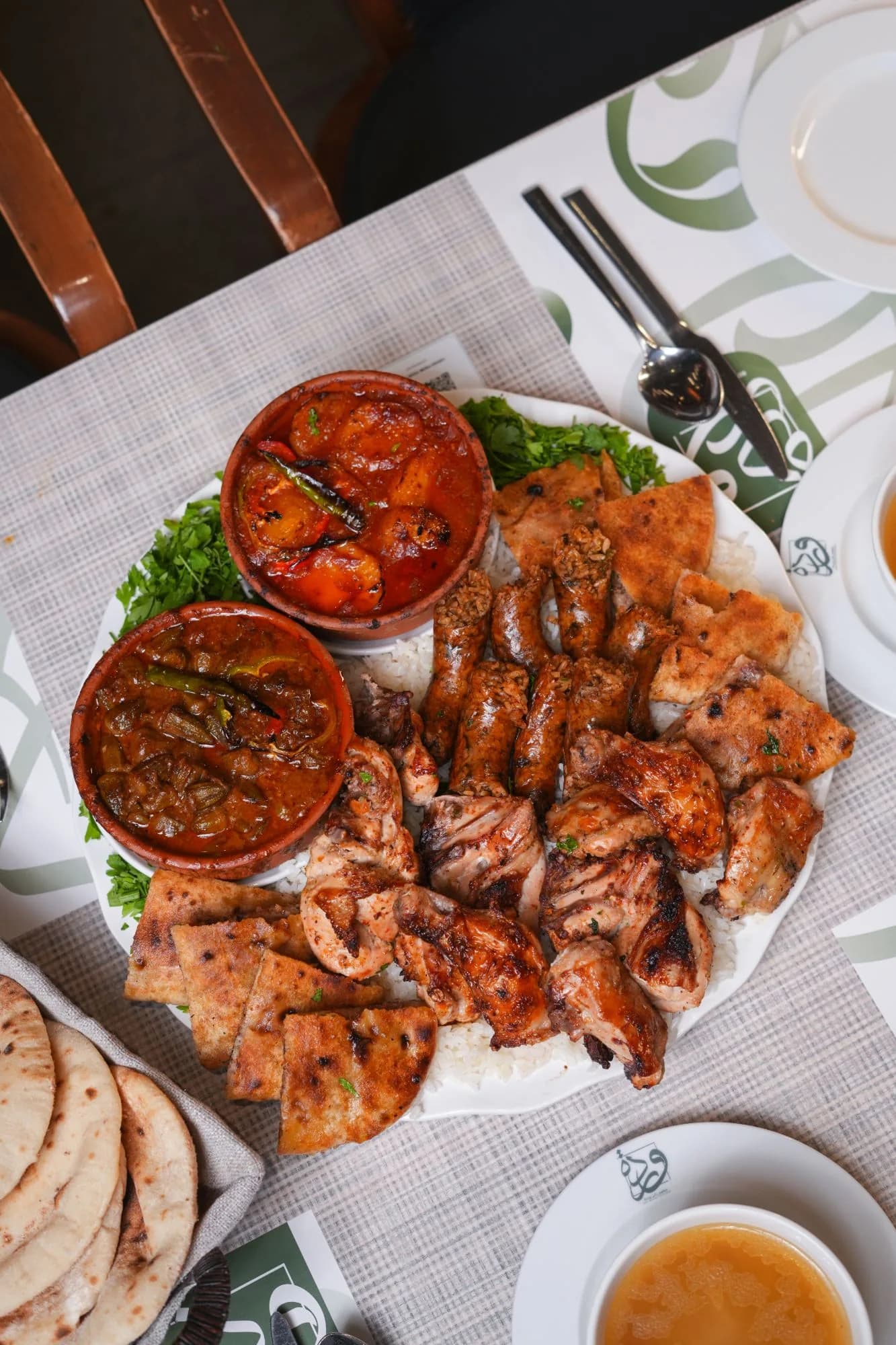
Today you do not need a palace or a sofragi in white gloves to taste this story. At Rokn Warda we have macaroni béchamel casserole, moussaka casserole, Dawood Basha kofta, the Osmanli tray, whose name alone recalls that era, and Om Ali to finish. Take a look at the menu, book your table in Al Khobar, and let the table tell the story.