Try to think of an Egyptian dish without tomatoes and you will find it hard: the sauce in casseroles, mahshi, moussaka, the sauce on koshari. Take potatoes out of the Egyptian home and the potato casserole and fried potatoes disappear. And what about grilled corn on the corniche? Or the chilli that sets a sandwich on fire?
The surprise is that none of these is originally from Egypt, or even from the region. They come from the Americas, often called "the New World". In this article we tell how these ingredients crossed the ocean, reached the Egyptian kitchen and became part of dishes we think of as being as old as the Nile.
In this article
- 1What are "New World" ingredients?
- 2Tomatoes: queen of the Egyptian sauce
- 3Potatoes: from fries to casseroles
- 4Corn: from the field to the corniche
- 5Chilli: the taste that burns
- 6Bell peppers and courgettes: mahshi itself!
- 7How did new ingredients become "authentic"?
- 8Frequently asked questions
- 9Ingredients from distant continents on your table in Al Khobar
What are "New World" ingredients?
It is a well-known fact of food history that many plants were grown only in the Americas, unknown in Asia, Europe or Africa, until Europeans reached the Americas at the end of the fifteenth century. After that, these plants began to travel by ship and trade across the whole world, and the reverse happened too: wheat, cattle and sugar went from the Old World to the Americas.
Among the best-known arrivals from there:
- Tomatoes
- Potatoes
- Corn (maize, called "dora shamia" in Egypt)
- Chilli peppers and bell peppers
- Courgettes and pumpkins
- Green beans (many varieties)
When did they reach Egypt?
This question has no precise answer. These ingredients spread gradually around the Mediterranean and the region and reached Egypt through trade, and it is hard to pin a year on each one. It is commonly said that some took time before people accepted them in everyday food, but today it is hard to imagine Egyptian cooking without them. If you would like to know the Ottoman influence on food in those same centuries, read What did the Ottomans leave in Egyptian cuisine?.
Tomatoes: queen of the Egyptian sauce
In Egypt the tomato has a second popular name, "outa", used in many areas. Tomatoes went into countless Egyptian dishes:
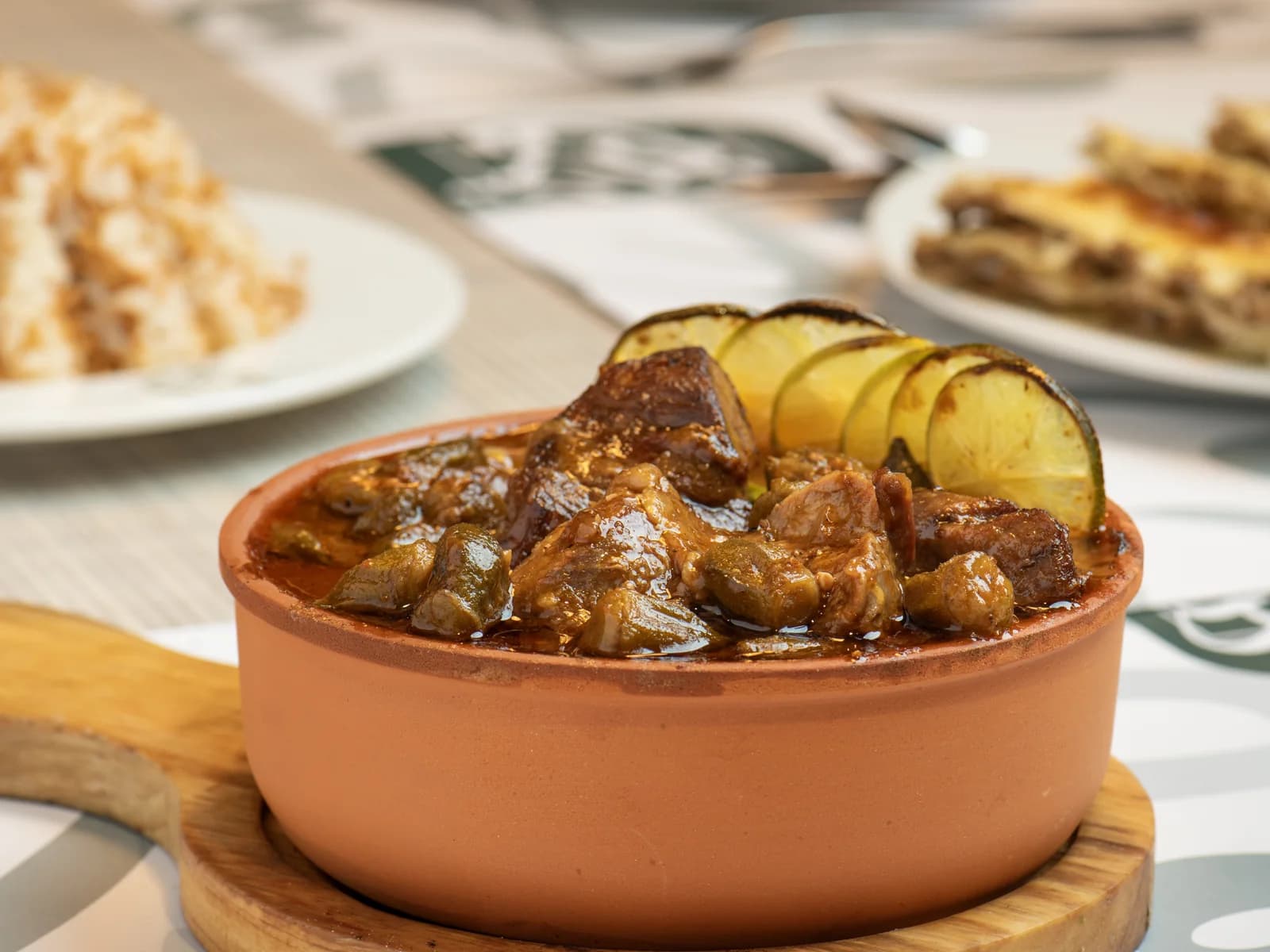
- Casserole sauce: okra, potato and moussaka are cooked in tomato sauce in many homes.
- Mahshi stuffing: chopped tomatoes or their juice give the rice its sweet-sour taste.
- Koshari sauce: the vinegar and garlic tomato sauce without which koshari is not koshari.
- Baladi salad: tomato, cucumber and onion, the plate that never goes missing.
Any Egyptian home cook will tell you that a good tasbeeka, the onion, tomato and ghee base on the stove, is half the dish.
Potatoes: from fries to casseroles
Potatoes have become one of the vegetables Egyptians cook most:
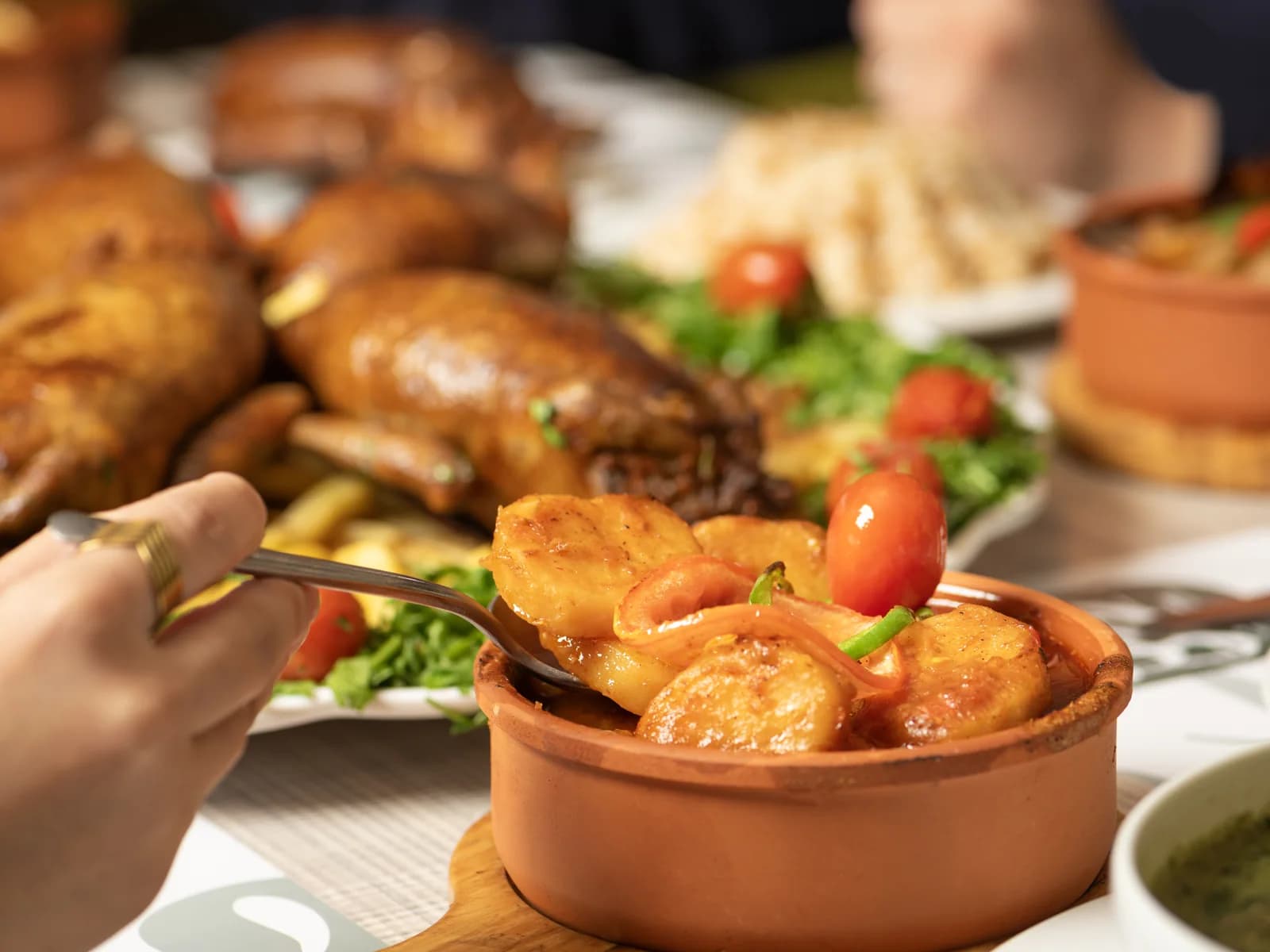
- Potato and meat casserole: potatoes, sauce and meat in the oven, a true home dish.
- Fried potatoes: the companion of chicken and sandwiches.
- Chicken and potato tray: a Friday dish in many homes.
- Potato sandwich: in ful and taameya shops, the fried potato sandwich is one of the best-known popular sandwiches.
The potato casserole is a nice example: a very Egyptian dish, yet its main ingredients, potatoes and tomatoes, came from outside the whole Old World.
Corn: from the field to the corniche
Corn, or "dora shamia" as it is called, became an important crop in the Egyptian countryside. Its place in Egyptian life:
- Corn bread: in some rural areas and in Upper Egypt people used to bake bread from corn flour or mix it with wheat, with names that change from place to place, such as "bettaw" in some areas.
- Grilled and boiled corn: one of the best-known street foods on the corniche and on outings, especially in summer.
- Popcorn: the snack of evenings and the cinema.
The word "shamia" (Levantine) itself, it is said, came about because people thought this corn arrived from the direction of the Levant, though its real origin is the Americas.
Chilli: the taste that burns
Hot peppers also come from the Americas. In Egypt they found their place:
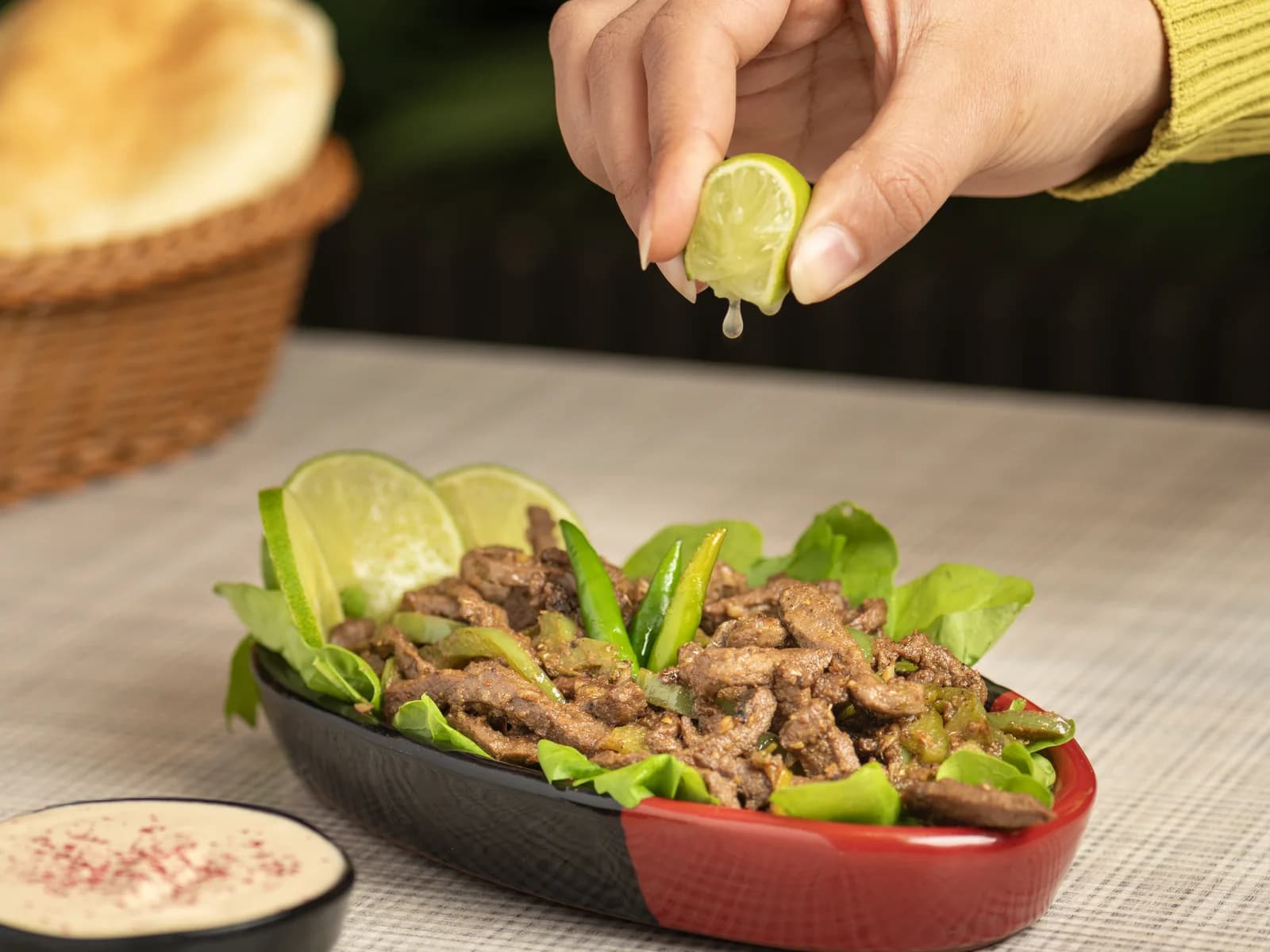
- Alexandrian liver: one of the dishes best known for hot peppers and a fiery seasoning.
- Chilli sauce beside koshari and ful in popular eateries.
- Pickled peppers on almost every popular food table.
Even so, Egyptian cooking in general is not among the very hot cuisines, and many homes put chilli on the side so everyone adds to taste. If you prefer food without chilli, read Prefer food without chilli?.
Bell peppers and courgettes: mahshi itself!
This may be the most surprising part of the story: mahshi, which Egyptians see as the symbol of home, includes several vegetables from the Americas:
- Courgettes: from the squash family, which originated in the Americas.
- Bell peppers: from the same family as chilli peppers.
- Tomatoes in the stuffing and the sauce.
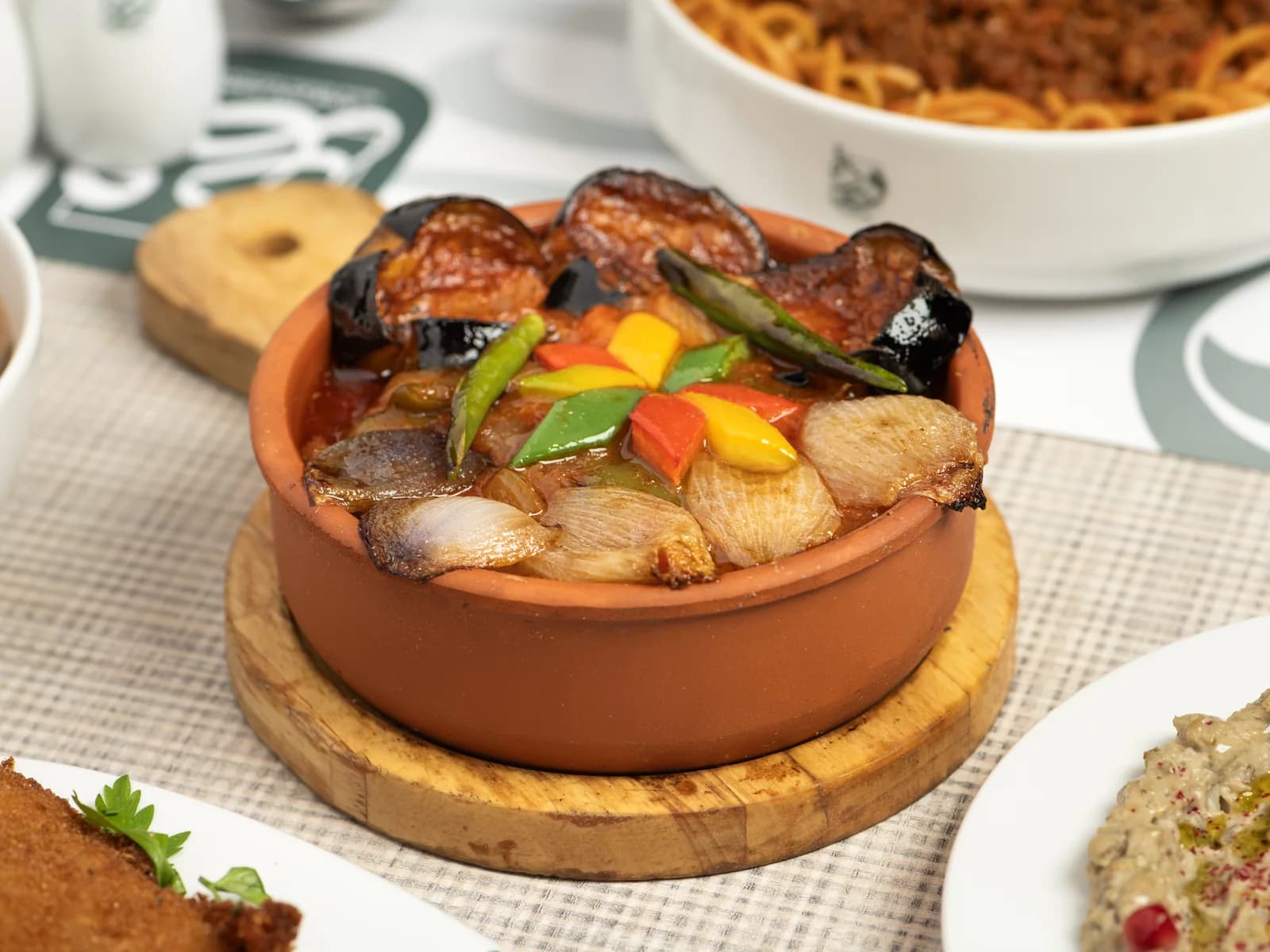
Aubergines, grape leaves and cabbage, on the other hand, are Old World. So a pot of mixed mahshi brings together vegetables from different continents in one place! The same goes for moussaka: Old World aubergine with New World tomatoes and peppers. The story of its name is in Egyptian moussaka.
How did new ingredients become "authentic"?
Egyptian cooking, like any living cuisine, takes and absorbs: it meets a new ingredient, tries it and cooks it its own way until it becomes part of it. The tomato is no longer just a vegetable from far away; it became the Egyptian tasbeeka with ghee, onion and garlic. The potato became a casserole in the home oven. Corn became bread in a village and a grilled cob on the corniche.
This means that "authenticity" in food does not require an ingredient to have been around for thousands of years, only that people lived with it and handed down its ways.
Frequently asked questions
Are tomatoes originally Egyptian? No, tomatoes come from the Americas and reached our region after Europeans arrived there. But Egyptians made them the base of the sauce in their food.
Why is corn called "dora shamia"? It is said the name came about because people thought it arrived from the direction of the Levant, though its origin is the Americas.
Which Egyptian dishes depend on New World ingredients? A great many: tomato-sauce casseroles, potato casserole, mahshi with courgettes and peppers, moussaka, koshari sauce and spicy Alexandrian liver.
Is Egyptian food spicy? Generally not; chilli is usually served on the side for everyone to add to taste, with some dishes known for their heat, such as Alexandrian liver.
Is aubergine from the Americas too? No, aubergine originally comes from Asia and has been known in the region for a long time, as have grape leaves and cabbage. That is why moussaka and mixed mahshi bring the two worlds together.
Ingredients from distant continents on your table in Al Khobar
Tomatoes, potatoes and chillies crossed oceans to reach the Egyptian pot. At Rokn Warda on Al Yarmouk Street in Al Khobar, you can taste this story in potato and beef casserole, chicken and potato casserole, okra and beef casserole, moussaka with minced meat and mixed mahshi. If you like heat, Alexandrian liver is known for its spicy seasoning; try Alexandrian liver. Browse the full menu, read Egyptian spices, and book your table.