
Travel to Upper Egypt (the Sa'id) in cane season and you will see, on both sides of the road, sugarcane fields so tall they hide whatever lies behind them, and carts loaded with cane stalks heading towards the sugar factories. In the villages, the smell of black honey cooking in the presses fills the air. In Upper Egypt, sugarcane is not just a crop; it is part of life, livelihood and food.
In this article we tell the story of sugarcane in Egypt, of black honey and how it is made, and of its place on the Egyptian table from breakfast to dessert.
In this article
- 1Where did sugarcane in Egypt come from?
- 2Why Upper Egypt in particular?
- 3Black honey: how is it made?
- 4Black honey on the Egyptian table
- 5Sugarcane juice: the drink of the Egyptian street
- 6Sugarcane at occasions
- 7From the cane to the glass of tea
- 8Frequently asked questions
- 9Egyptian sweets on your table in Al Khobar
Where did sugarcane in Egypt come from?
Sugarcane is a plant originally from Asia, and it is known to have travelled west over many centuries. It is said that in the Middle Ages Egypt was among the countries famous for growing cane and making sugar, and that Egyptian sugar had a reputation in trade. The exact details and dates differ from source to source, so we tell it as it is told, but what is certain is that cane has old roots in Egypt and remains to this day one of the most important crops of the south.
Why Upper Egypt in particular?
Sugarcane needs strong sun, warm weather, enough water and a long season to grow, all found in southern Egypt. That is why it is grown mostly in governorates such as Qena, Luxor, Aswan, Sohag and Minya. Alongside the fields, sugar factories were built in Upper Egypt to receive the cane in its season and turn it into sugar.
Sugarcane stays in the ground for a long time, and after the harvest it can grow back from the same roots in the following seasons, which farmers call "khilfa". That is why it is a mainstay of life for many households there, and the whole farming year runs on its calendar.
Cane season
- The cutting: the cane harvest is called "kasr el-asab" (breaking the cane) in Upper Egypt, and it is a season of heavy work for the whole village.
- Transport: cane is loaded onto carts and tractors, and in many areas onto the small cane train that runs on narrow tracks beside the fields.
- The presses: part of the cane goes to village black-honey presses instead of the factories.
Black honey: how is it made?
Black honey (asal eswed) is sugarcane juice boiled until it thickens and darkens, becoming a heavy, dark brown syrup with a sweet taste and a light bitter edge. The traditional method in village presses goes roughly like this:
- Pressing: the cane is crushed in presses until the juice runs out.
- Boiling: the juice is placed in large basins or pots over the fire.
- Stirring and skimming: the foam is removed and the juice is stirred until it thickens.
- Cooling and bottling: once it reaches the right consistency, it is left to cool and then packed.
Every press and every town has its own secret in how far it is cooked and the colour it reaches, and many people recognise "baladi" black honey by its taste and smell.
The press: a place of work and gathering
In many villages of Upper Egypt, the press in its season is more than a workplace. The fire is going, the men stir the basins, and children drop by to watch and wait for a piece of cane or a bite of bread dipped in the warm honey. Neighbours come to take what their household needs until the next season. Many people from Upper Egypt living far from home say the smell of the press is one of the first things that reminds them of their village.
Black honey on the Egyptian table
Black honey with tahini
The best-known dish: black honey and tahini in one plate, stirred together and scooped up with bread. A simple breakfast or supper in many homes, especially in winter, and the sweetness against the tahini makes a balance every Egyptian knows. The story of the loaf itself is in Egyptian baladi bread.
With feteer and warm bread
In the countryside, black honey is the constant companion of feteer meshaltet and warm bread, with cream or cheese alongside. Read about feteer and its rituals in Feteer meshaltet.
Black honey cake
In many homes, black honey cake is a well-known home bake, made with black honey and spices such as cinnamon or ginger depending on the house, with an unmistakable smell while it is in the oven.
Asaliya
Asaliya, the sticks of candy made from black honey, are an old-fashioned sweet tied to the mawlid, the street and children's joy. Their story, together with the sweets of the occasions, is in Mawlid sweets.

Sugarcane juice: the drink of the Egyptian street
There is hardly an Egyptian street without a sugarcane juice shop: cane stalks stacked against the wall, the press running, and the big glass coming out topped with foam. Cane juice is one of the best-known popular drinks in Egypt, and people stand in front of the shop in the heat for a cold glass.
Another well-known habit is "sucking the cane": peeling a cane stalk with the teeth or a knife and chewing it for its juice, especially in season, a childhood memory for many Egyptians, in Upper Egypt and in the cities alike.
Sugarcane at occasions
A well-known custom among the Copts of Egypt is eating sugarcane, taro (qolqas) and oranges at the feast of the Epiphany (Eid el-Ghitas), each with folk explanations told at home whose details vary from family to family. The custom is an example of how cane entered social life, not just food.
From the cane to the glass of tea
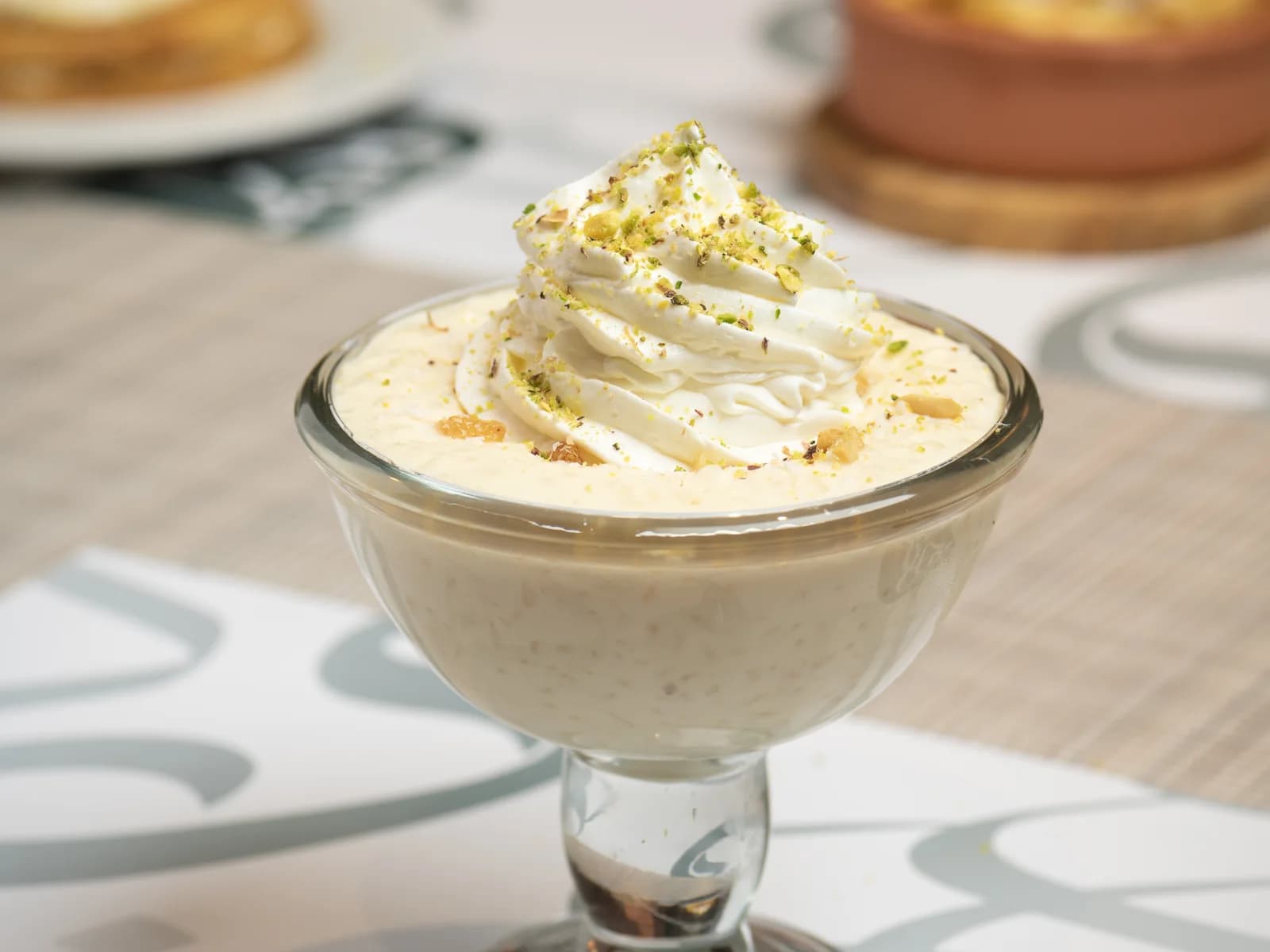
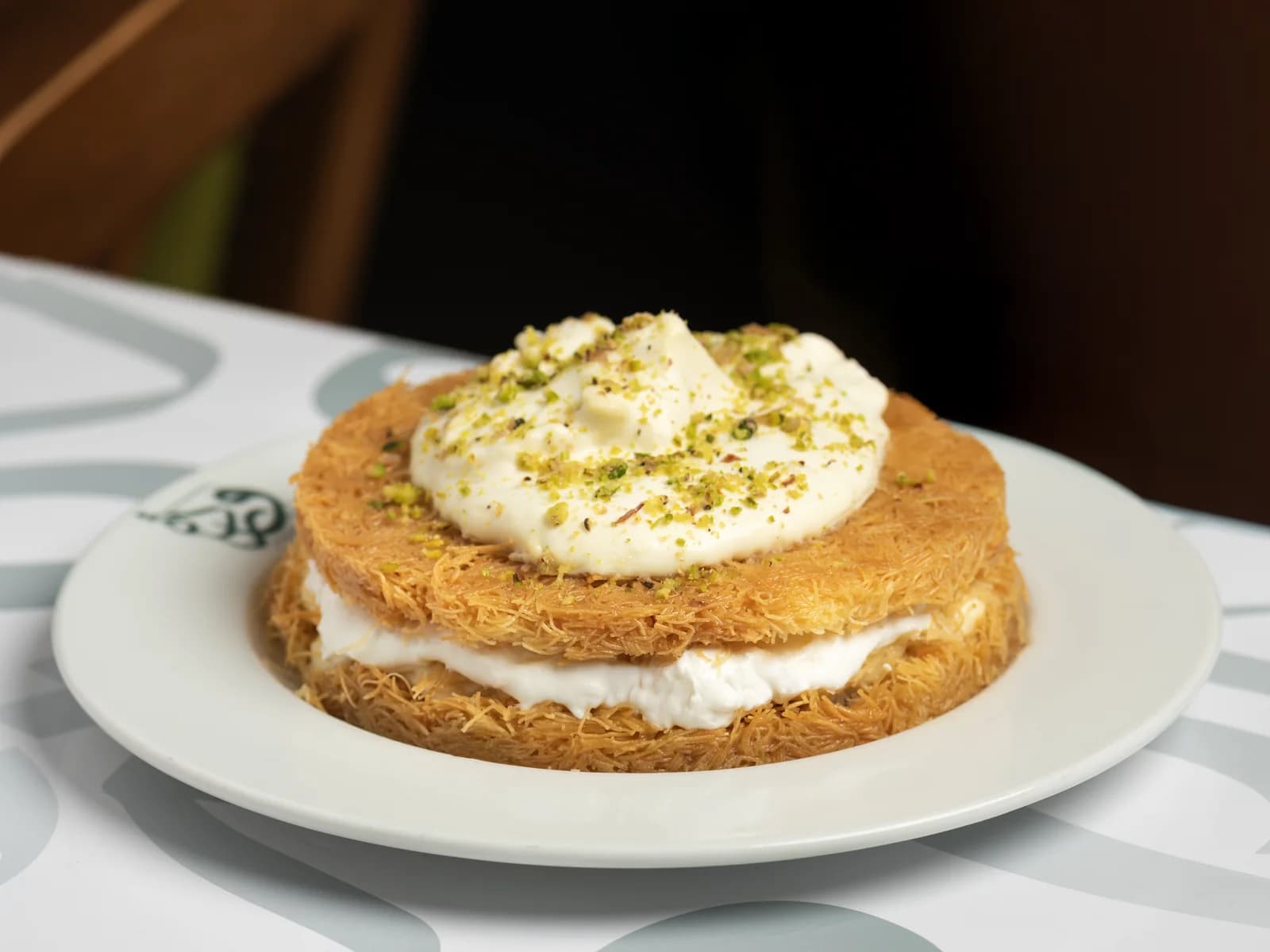
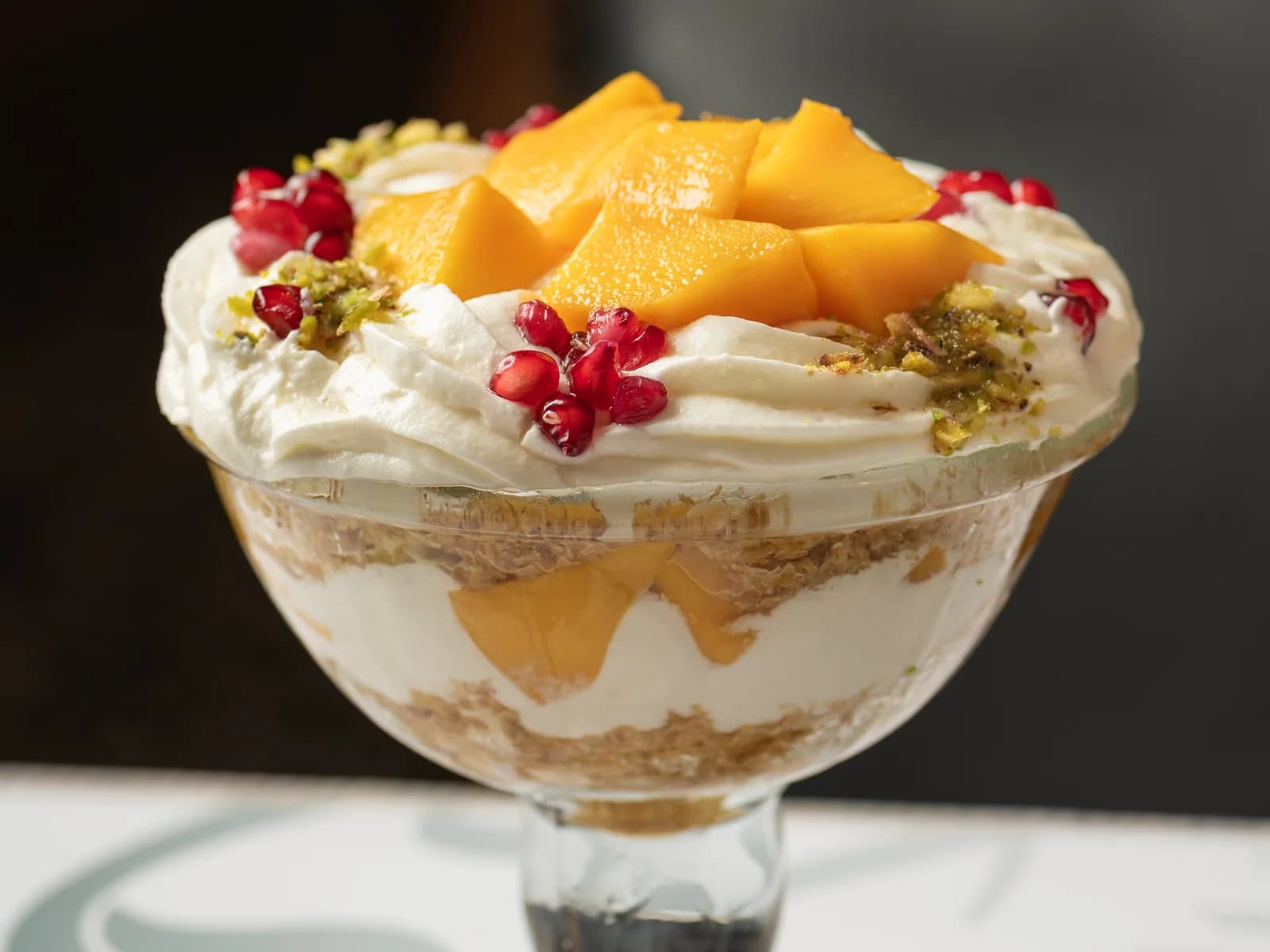
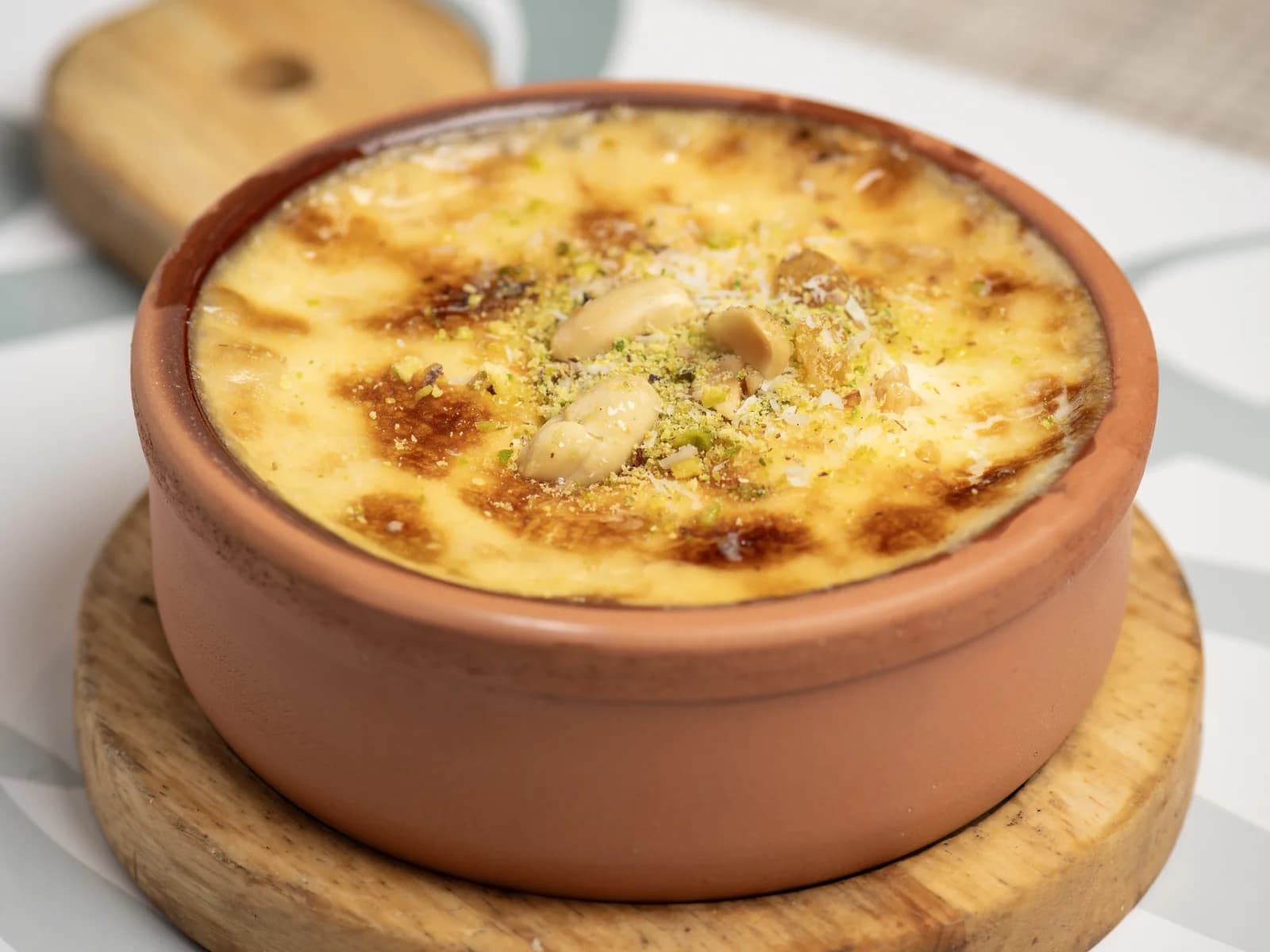
And from the cane field to the glass of tea: Egyptians are known for liking their tea properly sweetened, and "tea after the meal" is a fixed habit. Many Egyptian desserts, such as kunafa, Om Ali and rice pudding, rely on sugar or syrup. Read more in Tea and coffee in Egypt.
Frequently asked questions
What is the difference between black honey and bee honey? Bee honey is made by bees from flower nectar, while black honey is made from sugarcane juice boiled down and concentrated. The names are similar but the source is completely different.
Why is sugarcane grown more in Upper Egypt? Because it needs strong sun, warm weather and a long season, which southern Egypt offers more than the north.
How is black honey eaten? Most famously with tahini and bread, with feteer and cream, and also in black honey cake and asaliya.
What does "asal asab" mean? It means "cane honey", another name for black honey in many areas, because it is made from sugarcane, and it sets it apart from bee honey.
Do you serve black honey or sugarcane juice at Rokn Warda? No, we write about them as part of Egyptian culture. But we have Egyptian desserts and drinks to finish your meal with.
Egyptian sweets on your table in Al Khobar
The story of sweetness in Egypt begins with a cane stalk in a field in Upper Egypt. If you would like to end your meal with an Egyptian dessert in Al Khobar, at Rokn Warda on Al Yarmouk Street we have Om Ali, rice pudding, kunafa with cream and mango kunafa, with a pot of tea or classic tea. Browse the full menu, read A journey through Egypt's regional food, and book your table.