If there is one thing that almost never goes missing from the Egyptian table, it is rice. Beside molokhia, under fatteh, inside grape leaves, courgettes and pigeon, and in the bowl of rice pudding at the end of the meal. An Egyptian may well tell you that "a meal without rice is incomplete", and that is not just talk: rice has become part of the very character of Egyptian cooking.
In this article we tell how rice came to sit at the heart of Egyptian food: from the fields of the Delta, to the pot of vermicelli rice, to the dishes whose soul is rice.
Where did rice in Egypt come from?
Rice is originally a plant from Asia, which historians and botanists agree on. Exactly when it reached Egypt, however, is a question with no single answer: some accounts say it arrived long ago through trade with the East, and other views hold that its cultivation spread more widely in the Islamic era. We will not give a specific date, because sources differ, but what is certain is that rice has lived in Egypt for many centuries, until it became everyday food.
Before rice, wheat was the master of the Egyptian table, as you can see in the bread whose story we tell in Egyptian baladi bread. But rice found suitable land and water in Egypt, so it was planted alongside wheat and earned its own place.
Rice fields in the Delta
Take a train through the northern Delta in summer and you will see green land under water as far as the eye can reach. These are the rice fields. Rice needs a lot of water, which is why it is grown mostly in the Delta governorates near the sea, such as Kafr El Sheikh, Dakahlia, Beheira, Sharqia and Damietta, and for the same reason rice growing in Egypt is regulated to certain areas.
From the nursery to the mill
Some well-known scenes from the countryside:
- The nursery: in a widespread method, rice is first sown in a small plot until the seedlings grow a little.
- Transplanting: farmers move the seedlings by hand into the flooded field, row after row.
- Harvest and threshing: when the rice turns yellow, it is harvested and threshed to separate the grain from the straw.
- Milling: the paddy rice goes to the rice mill (madrab) to be husked and become the white rice we know.
The word "madrab el-ruzz" (rice mill) is familiar in Delta villages, because it is where rice is whitened before it reaches the market.
Egyptian rice: a short grain and a different taste
The rice Egyptians are used to has a short or medium grain, and it cooks soft and slightly clinging, not fully separate like long-grain rice. That is exactly what makes it right for mahshi and pigeon: it holds the stuffing together and soaks up sauce and broth. Many people from outside Egypt notice the difference from the first bite.
Vermicelli rice: the Egyptian signature
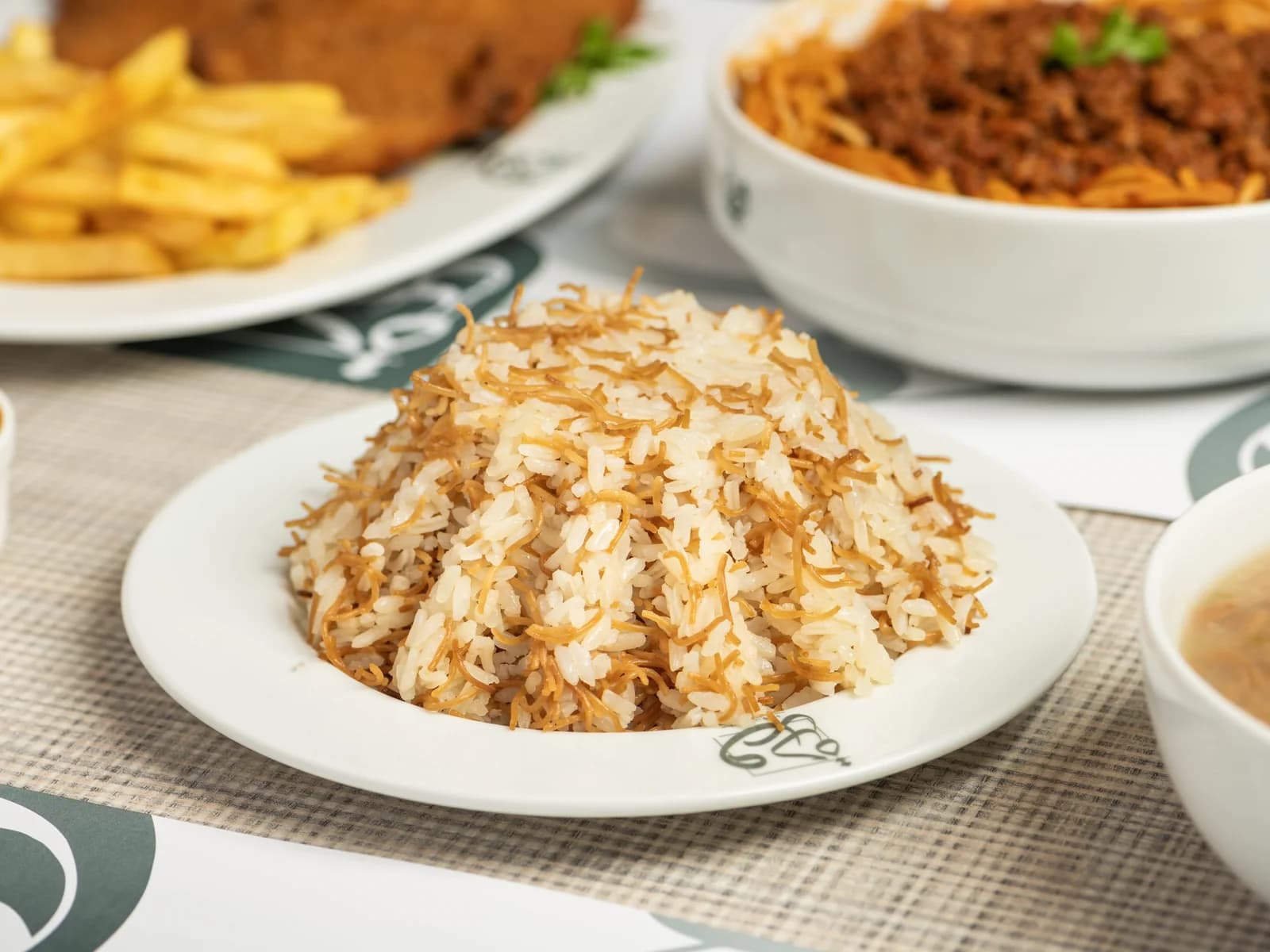
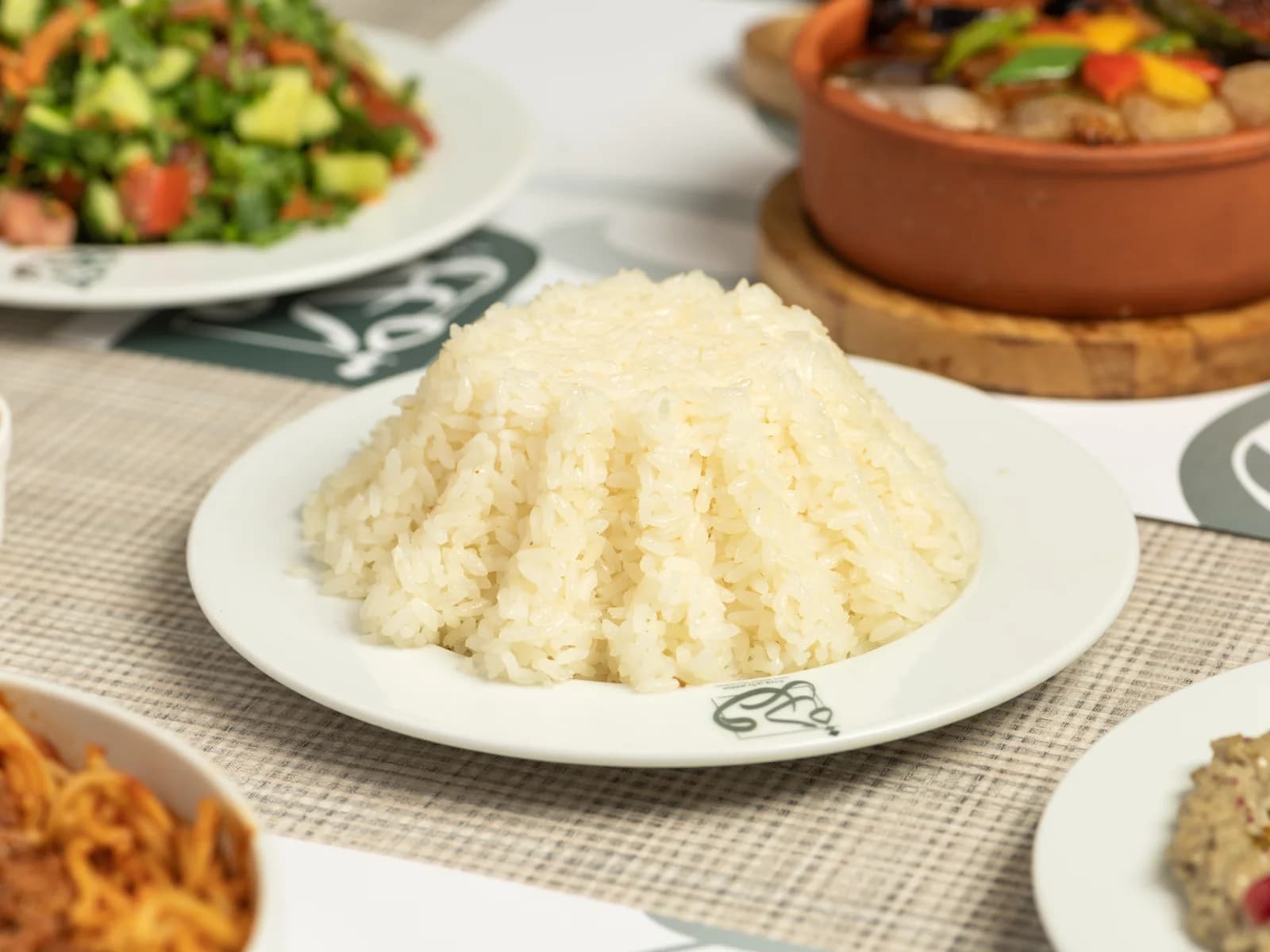
If any rice dish says "I am Egyptian", it is rice with vermicelli (ruzz bil-shi'riyya). The well-known home method: the vermicelli is fried in ghee or butter until golden, the rice is stirred in with it, water or broth is added, and it is left on a low flame until cooked.
Why vermicelli?
There is no confirmed account of the first time vermicelli met rice, but it is commonly said that the method gives the rice:
- Colour: lovely golden strands among the white.
- Flavour: a light toasted taste from the browned vermicelli.
- Texture: a contrast between soft rice and light vermicelli.
Rice with vermicelli is not found only in Egypt; similar dishes exist in other kitchens of the region, but Egyptians made it the constant companion of molokhia, casseroles and grills. If you cannot decide between it and white rice, read Vermicelli rice or white rice?.
Rice and molokhia: an inseparable pair
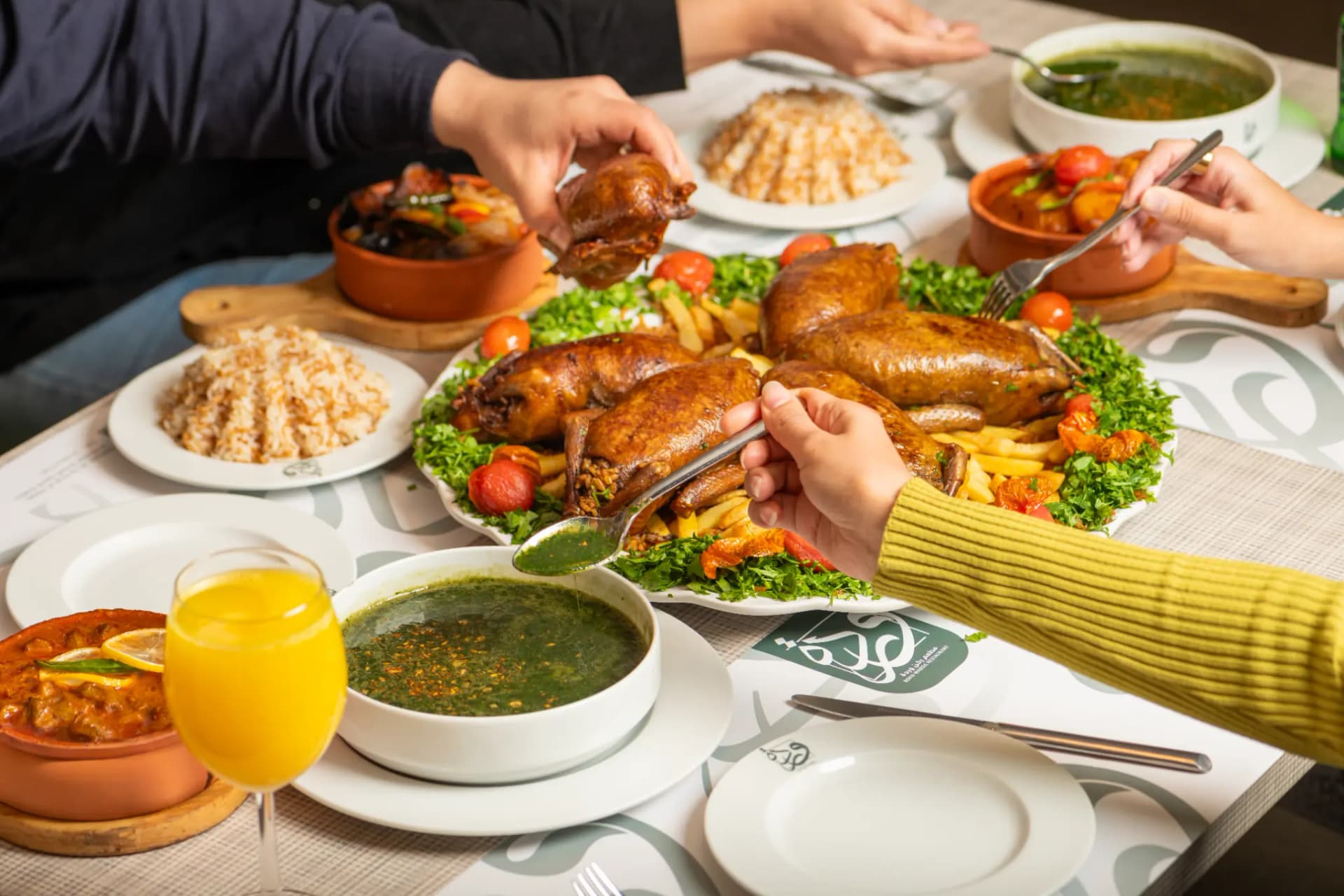
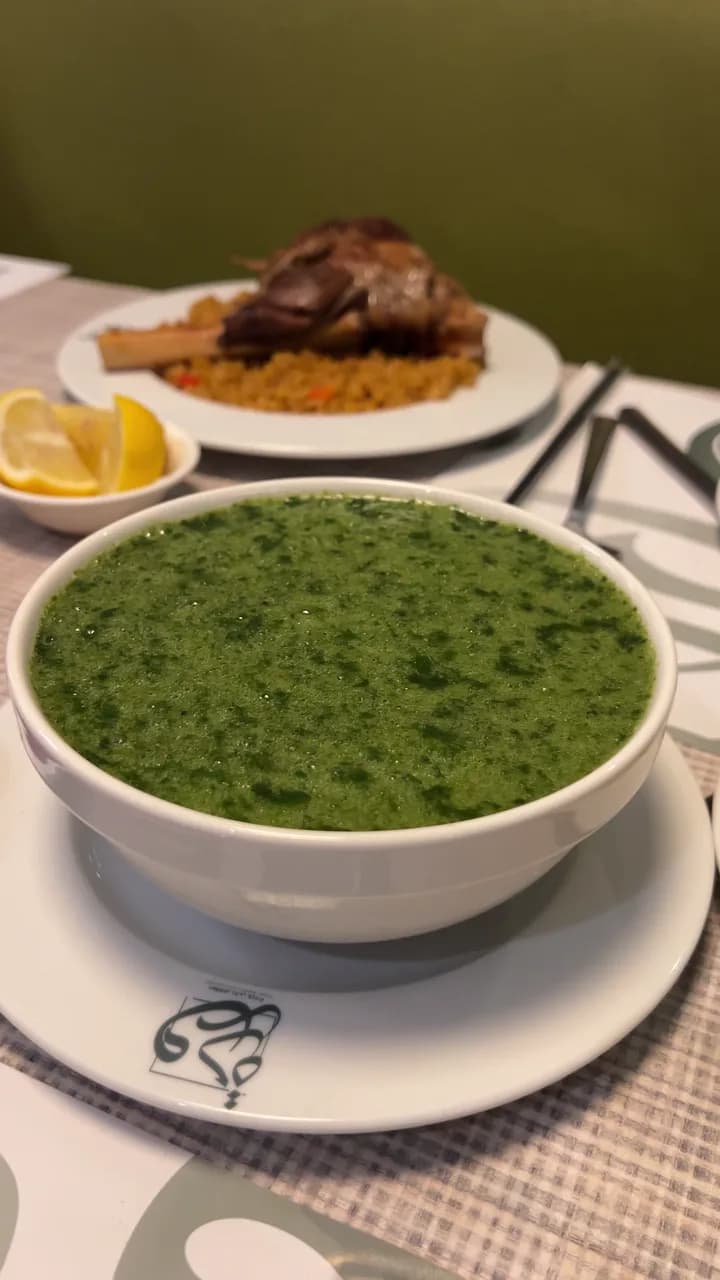
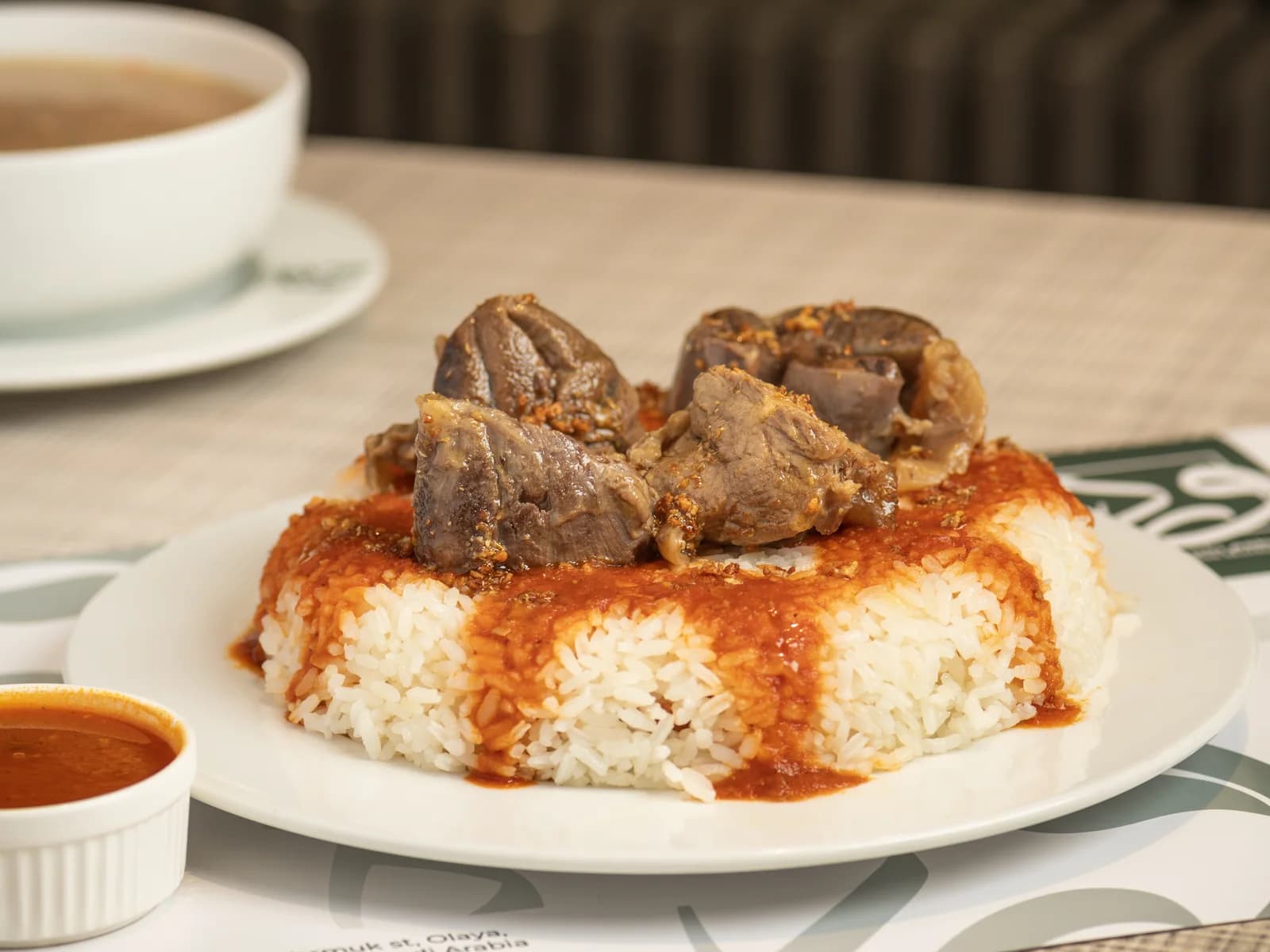
In many homes, molokhia is not complete without rice. Some people pour the molokhia over the rice, some keep the rice to one side and dip bread, and some do both on the same plate. The same goes for casseroles such as okra and potato: rice is served beside them to soak up the sauce and round off the taste.
Dishes whose soul is rice
Mahshi
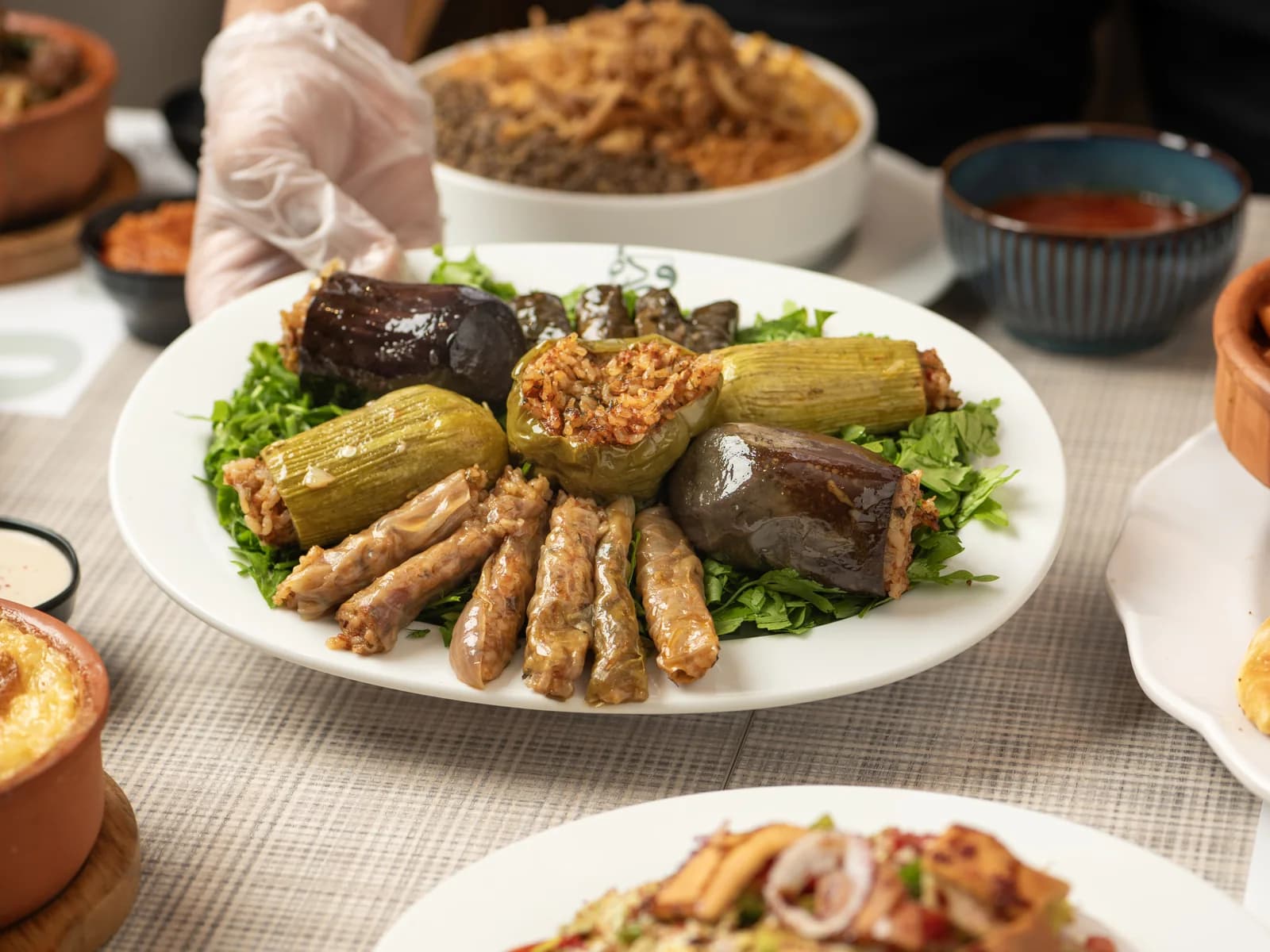
Rice is the heart of the stuffing: rice with tomato, onion, herbs and spices, rolled in grape leaves and cabbage, or stuffed into courgettes, aubergines and peppers. Without Egyptian rice that holds together, mahshi would not be the dish we know. Its full story is in Mahshi in Egyptian cuisine.
Pigeon and mombar
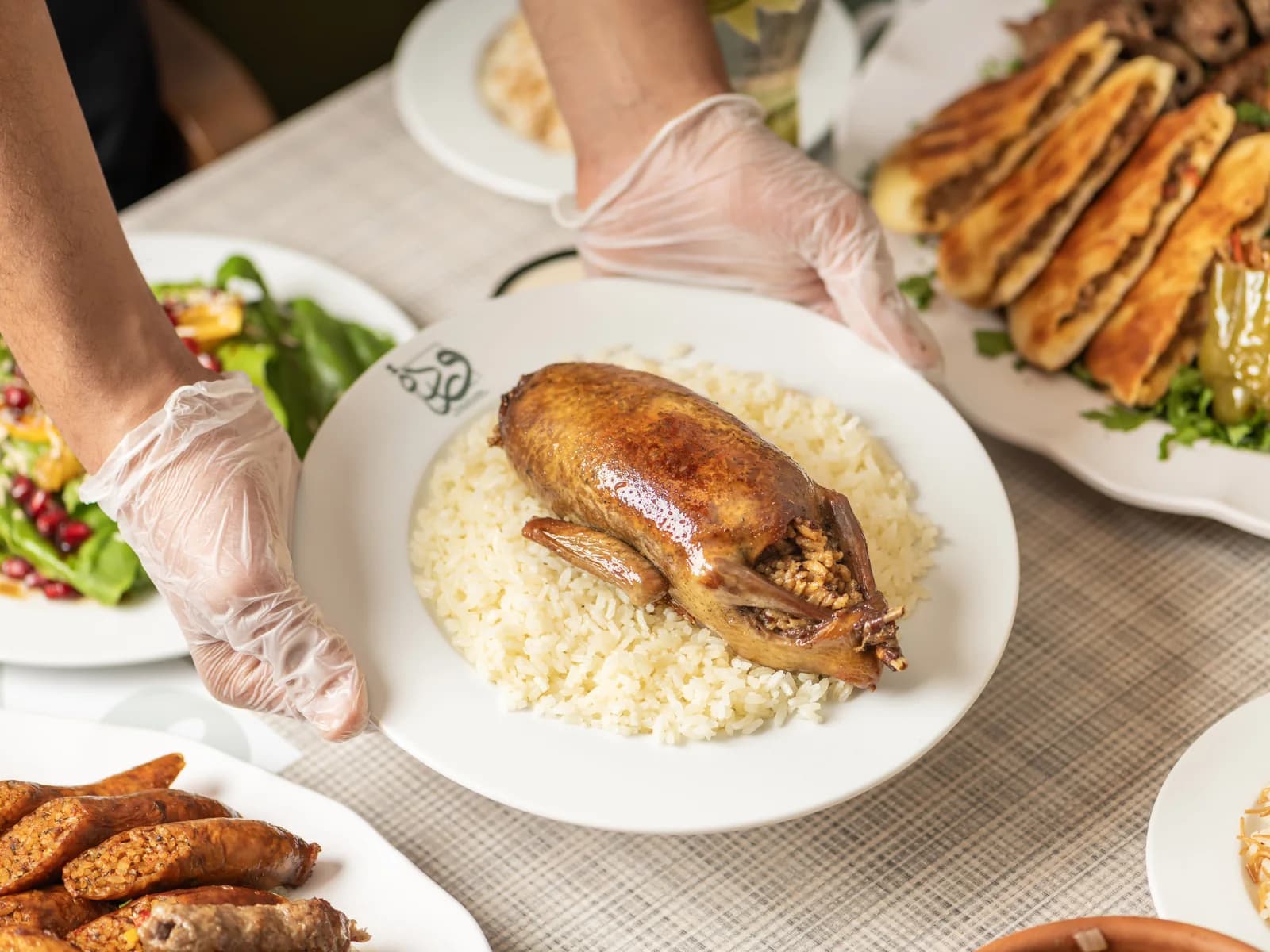
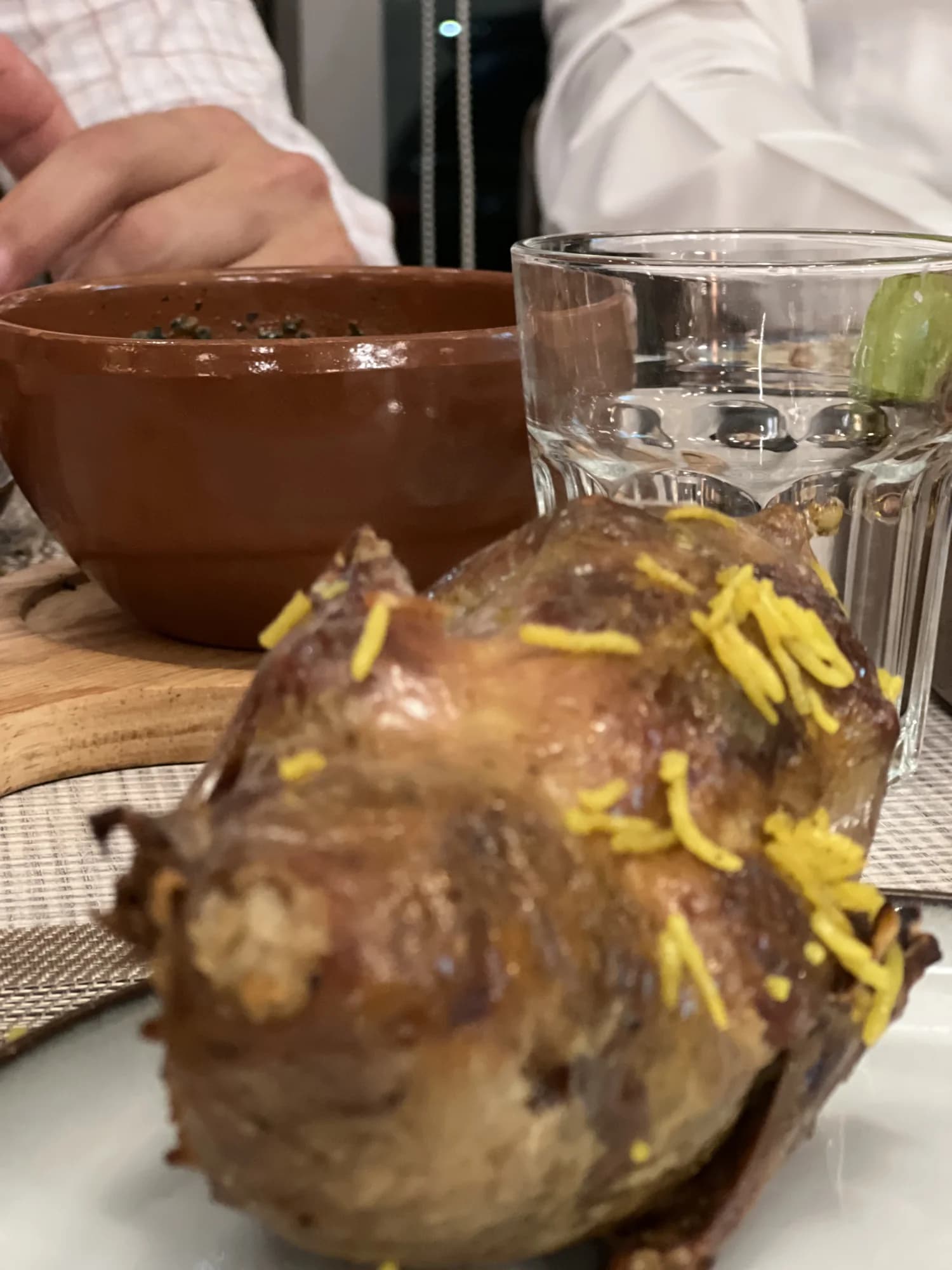
- Stuffed pigeon: some homes stuff it with rice and others with freekeh, and the debate between them never ends.
- Mombar: casings stuffed with seasoned rice, simmered and then fried until crisp.
Fatteh
Egyptian fatteh is built in layers: toasted bread, rice, a vinegar and garlic sauce, and meat on top. Here rice is what ties the whole dish together. Read about its types in Egyptian fatteh.
Oven rice and festive rice
- Ruzz me'ammar: a well-known country dish, rice baked in a clay pot with milk or cream and ghee, with each region doing it its own way.
- Ruzz bil-khalta: rice dressed up with liver and gizzards or nuts, tied in many homes to feasts and occasions.
Rice pudding
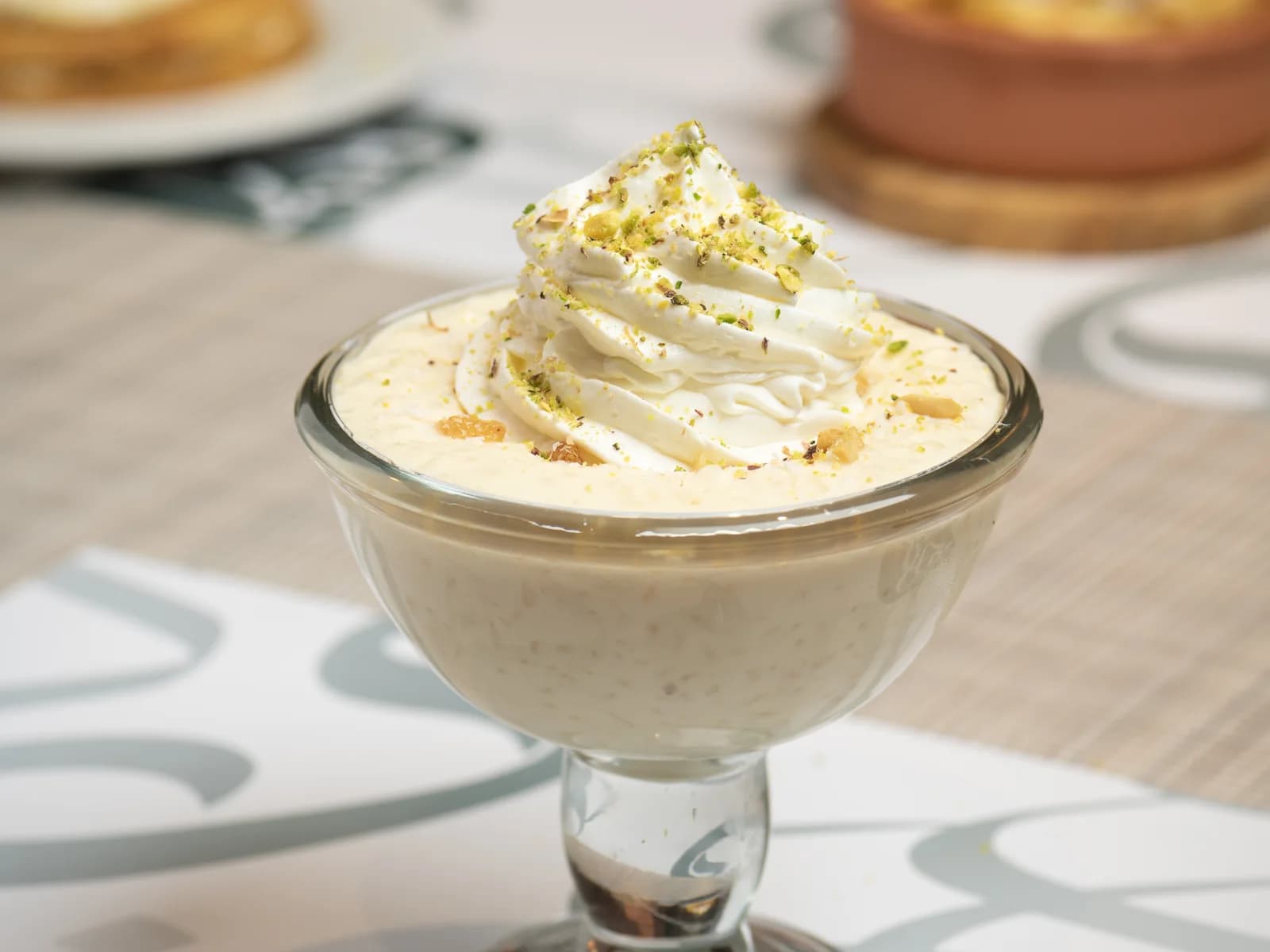
Even dessert has its share: rice pudding (roz bel laban) is one of the best-known simple Egyptian sweets, made at home and served cold or warm, topped with cinnamon or nuts depending on each household's taste.
"Who made this rice?"
In Egyptian homes, the pot of rice is a little test. Rice that comes out "grain by grain", without turning mushy or sticking to the pot, tells many people that the cook has a good hand. Some of the advice passed from generation to generation:
- Washing the rice or soaking it briefly before cooking, depending on its type and the habit of the house.
- The right amount of water for the rice, and every home has its own measure.
- A low flame at the end, without lifting the lid too often.
None of this is a written rule; it is experience handed down from mother to daughter and father to son.
Frequently asked questions
Is rice originally Egyptian? No, it originally came from Asia and reached Egypt many centuries ago. Exactly when is debated, but it has become an essential part of Egyptian food.
Where is rice grown in Egypt? Mostly in the governorates of the northern Delta, because rice needs a lot of water and suitable land.
What makes Egyptian rice different? Its short or medium grain cooks soft and slightly clinging, so it suits mahshi, pigeon and dishes that need rice to hold together.
Why do Egyptians put vermicelli in rice? There is no confirmed account of how it began, but browned vermicelli gives rice colour and a light toasted taste, and it has become the habit in most homes.
What is rice eaten with in an Egyptian home? With molokhia, casseroles and grills; it goes into the stuffing of mahshi, pigeon and mombar, into the layers of fatteh, and even into dessert such as rice pudding.
A plate of rice on your table in Al Khobar
The story of rice began in the fields of the Delta and reached every Egyptian table. At Rokn Warda on Al Yarmouk Street in Al Khobar, you can choose Egyptian vermicelli rice or Egyptian white rice beside your casserole, taste rice in mixed mahshi, stuffed pigeon with rice and beef fatteh, and finish with rice pudding. Browse the full menu, read Vermicelli rice or white rice?, and if you are coming with family, book your table.