Upper Egypt, the Saeed, is the south of the country, from Beni Suef down to Aswan, and its people are known for generosity, chivalry and a love of guests. That generosity shows in the food above all: a full table, bread straight from the village oven, and dishes cooked slowly in quantities that feed whoever arrives. Ask about the most famous dishes of Upper Egypt and you will hear names you may never have heard before, such as bettaw, weika and kishk. Many Saidis living in Cairo or abroad stay loyal to their food, waiting for whoever comes from the village with aish shamsi and kishk.
In this guide we walk through the best-known food of Upper Egypt, what makes each dish distinctive, and why the food there is tied to the sun, the land and hospitality.
In this article
- 1A kitchen of sun and land
- 21. Aish shamsi (sun bread)
- 32. Bettaw
- 43. Saidi kishk
- 54. Weika and okra
- 65. Saidi feteer
- 76. Molokhia in Upper Egypt
- 87. Pigeon and poultry
- 98. Fatteh and the sacrifice at feasts
- 109. Lentils and pulses
- 1110. Drinks of the south: karkade and doum
- 12The village oven: heart of the Saidi home
- 13Saidi hospitality at the table
- 14Frequently asked questions
- 15The spirit of Upper Egypt on your table in Al Khobar
A kitchen of sun and land
Upper Egypt is farmland with hot weather for most of the year, and this clearly shaped the food: the sun helps raise the bread and dry kishk and okra, wheat and corn are the basis of bread, and food that keeps well mattered to country families in the past. To see Upper Egypt alongside Egypt's other governorates, read A journey through the most famous food of Egypt's regions.
1. Aish shamsi (sun bread)
Aish shamsi is a symbol of Upper Egypt. The dough is shaped into round loaves and left in the sun to rise and puff up, then goes into the village oven. In many homes the loaves are set on palm-leaf trays or boards before going out into the sun. The loaf comes out thick and airy with a taste different from ordinary baladi bread, and its very name comes from the sun that raises it. For Egyptian bread in general, read The history of baladi bread.
2. Bettaw
Bettaw is a Saidi bread made in many homes from corn flour, sometimes with fenugreek added. It is baked into dry flatbreads that keep for a long time, which is why it was widespread in country homes in the past. It is eaten with aged cheese and mish or with stews, and many people soak it in soup or water before eating to soften it.
3. Saidi kishk
Kishk in Upper Egypt is not what you may know from other countries. It is made from wheat and soured milk left to ferment, shaped into balls or discs and dried in the sun. When it is time to cook, it is soaked and simmered in broth until creamy, then served with fried onions and sometimes with chicken. It is a dish tied to winter and the warmth of home. In many homes kishk is made once a year in large quantities and stored to last the months ahead.
4. Weika and okra
Weika is one of the best-known dishes of Upper Egypt: dried okra that is ground or minced and cooked in broth until it turns silky, eaten with bread like molokhia. Many homes finish it with a garlic tasha; it tastes different from fresh okra, and many people from outside Upper Egypt are surprised by it the first time.
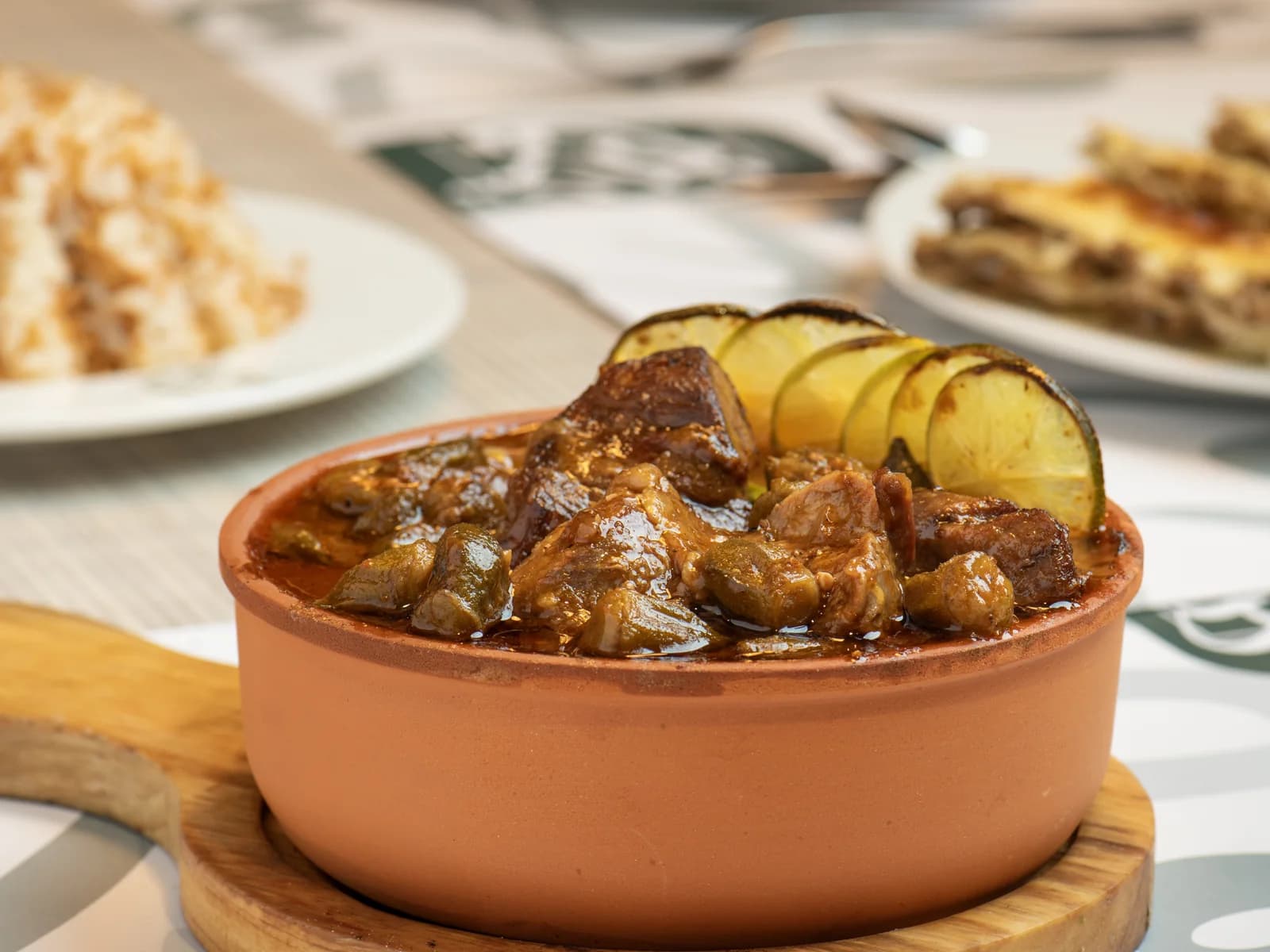
Fresh okra in tomato sauce with meat is a dish loved in Upper Egypt and all over Egypt, made in a clay casserole in the oven or in a pot. To learn more, read Okra and meat casserole.
5. Saidi feteer
Feteer in Upper Egypt is first of all a dish of hospitality: baked in the village oven with ghee and served to guests with honey or aged cheese. In seasons and feasts, homes bake large batches and share them with neighbours and relatives. Read about feteer and its customs in Feteer meshaltet and rural hospitality.
6. Molokhia in Upper Egypt
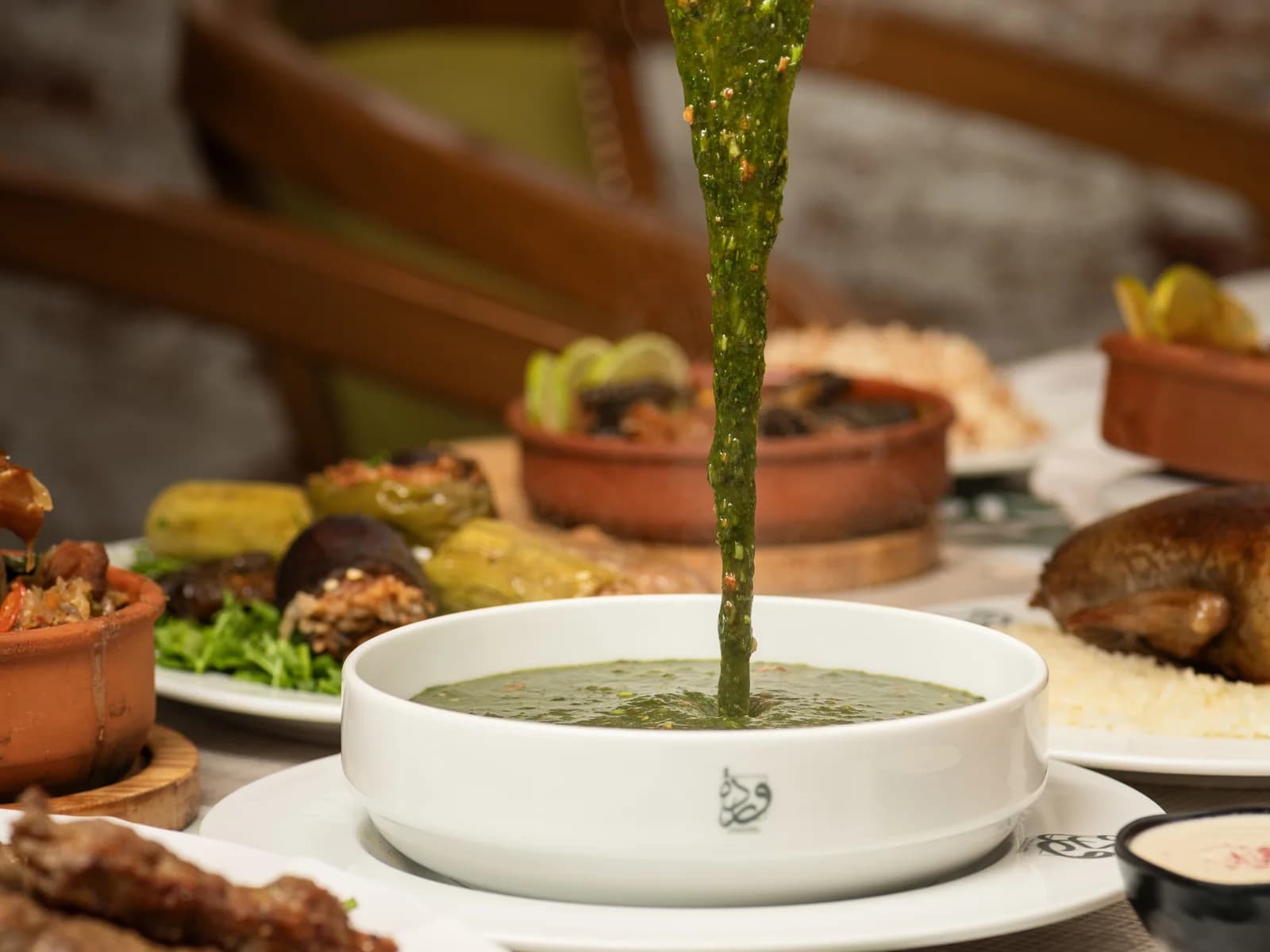
Molokhia is an Egyptian dish everywhere, but in many Saidi homes it is dried in season and stored to be cooked through the rest of the year, which gives it a slightly different taste. Its full story is in The history of Egyptian molokhia.
7. Pigeon and poultry
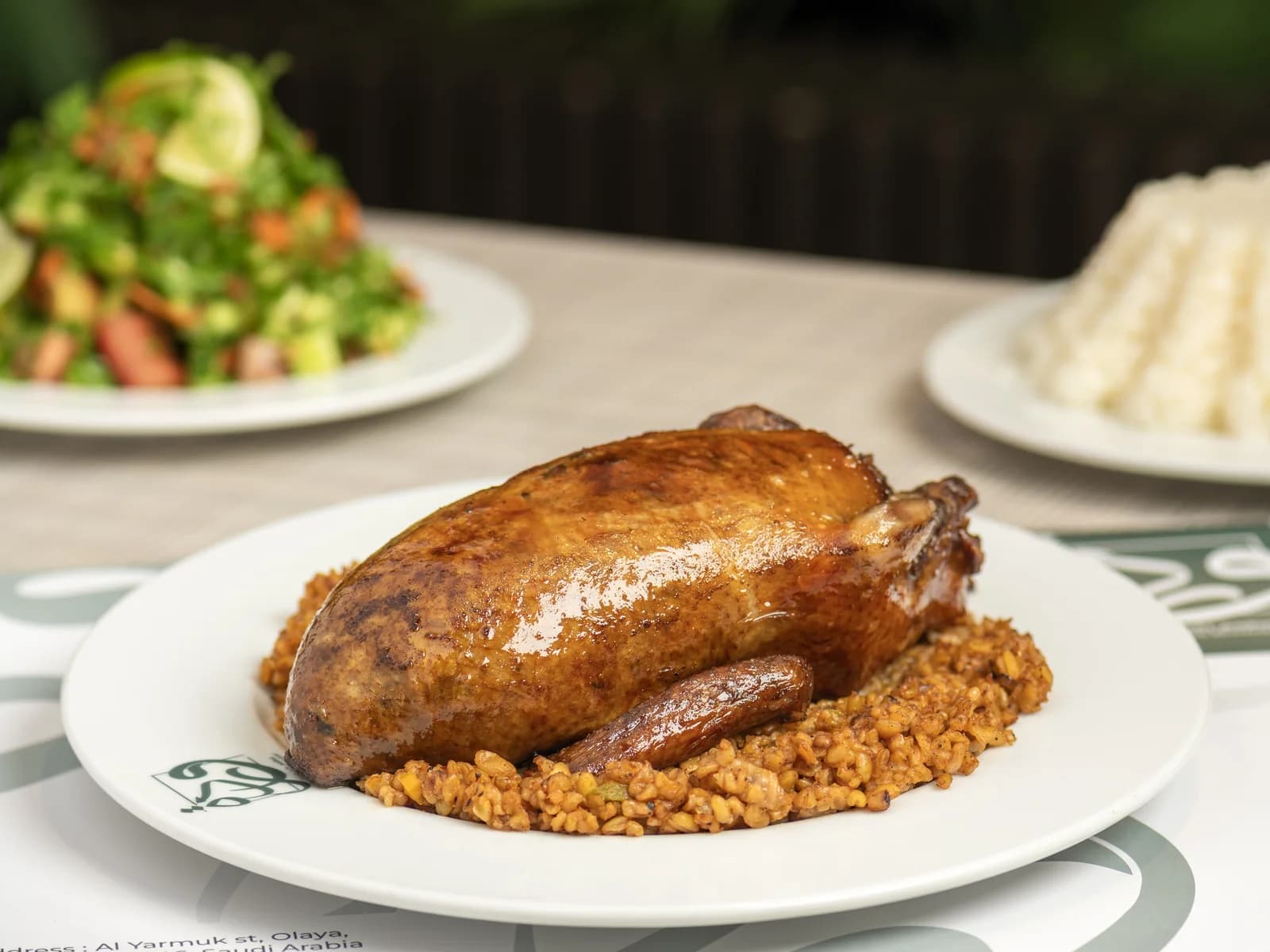
As in the Delta countryside, many villages in Upper Egypt have pigeon towers, and pigeon stuffed with freekeh or rice is a dish of feasts and weddings. The story of the towers is in Pigeon towers and the story of stuffed pigeon.
8. Fatteh and the sacrifice at feasts
In Upper Egypt, big occasions such as weddings, Eids or someone returning from a journey often mean a slaughtered animal and fatteh: crisp bread, rice, meat, broth and a garlic-vinegar sauce, with trays set in the middle for everyone to share. At big weddings the food is cooked in huge pots and shared out to guests and neighbours. All the kinds of fatteh are in Types of Egyptian fatteh.
9. Lentils and pulses
Simple food has a large place on the Saidi table: lentils in winter, ful, and other pulse dishes cooked slowly. Food that fills, warms and feeds a big family.
10. Drinks of the south: karkade and doum
In the far south, especially in Aswan, karkade (hibiscus) and doum are among the best-known drinks. Karkade is drunk cold in the heat or hot in winter, and doum comes from the fruit of the doum palm and has a distinctive taste. Both are offered to guests as part of the welcome.
The village oven: heart of the Saidi home
In many Saidi homes, especially in villages, the village oven built of mud is the heart of the house. Aish shamsi, bettaw and feteer are baked in it, and sometimes casseroles and trays go in too. Baking day is a day of work and gathering: the women knead and shape the loaves, and the children wait for the first hot one to come out. The bread from this oven is stored and feeds the household for days.
Saidi hospitality at the table
Generosity in Upper Egypt is not just words. The moment a guest walks in they must have something to drink, and then the table is spread with the best the house has. A well-known custom is that the host keeps telling the guest "eat" and keeps serving until they are more than full, and refusing food may be taken as offence. Trays go in the middle for everyone to share, and the guest gets the best piece. For the spirit of the Egyptian table in general, read The Egyptian table and gathering.
Frequently asked questions
What is the difference between aish shamsi and baladi bread? Aish shamsi rises in the sun before baking, and comes out thicker and airier with a different taste.
What is bettaw made from? In many homes from corn flour, sometimes with fenugreek, baked into dry flatbreads.
Is weika the same as okra? Weika is made from dried okra, ground or minced, and cooked to a silky texture like molokhia, while fresh okra is cooked in tomato sauce.
Does Saidi kishk contain milk? Yes, it is made from wheat and fermented soured milk, and dried in the sun before cooking.
What is doum? The fruit of the doum palm, which grows in the south of Egypt; it is made into a drink with a distinctive taste, especially well known in Aswan.
The spirit of Upper Egypt on your table in Al Khobar
Aish shamsi, bettaw, kishk and weika are not among Rokn Warda's dishes; we write about them here as part of Egyptian food culture only. But dishes close to the spirit of the Saidi home are with us at Rokn Warda on Al Yarmouk Street in Al Khobar: okra and beef casserole, molokhia casserole, stuffed pigeon with freekeh and beef fatteh for gatherings. Browse the full menu, read Egyptian casseroles: the secret of slow cooking, and if you are coming with family, book your table.