You open an Egyptian menu and find "beef casserole with orma", "tarb", "mombar" and "lisan asfour soup", and you stop to ask: what is that? That is completely normal, even if your Arabic is good, because Egyptian food names include words that come only from the Egyptian home. This guide is a small glossary: the word, its meaning in plain terms, and an example from Rokn Warda's menu where there is one. Most of these words carry their common meaning in Egypt, and details can differ from home to home.
Words whose meaning changes between Egypt and the Gulf
Before the glossary, a few words can confuse readers in Saudi Arabia:
- "Eish": in Egypt it means bread, and "eish baladi" is the round Egyptian loaf. In many Gulf dialects "eish" means rice. So if an Egyptian says "pass the eish", he wants bread.
- "Moza": not the fruit! It is a cut of meat from the lamb's leg around the bone.
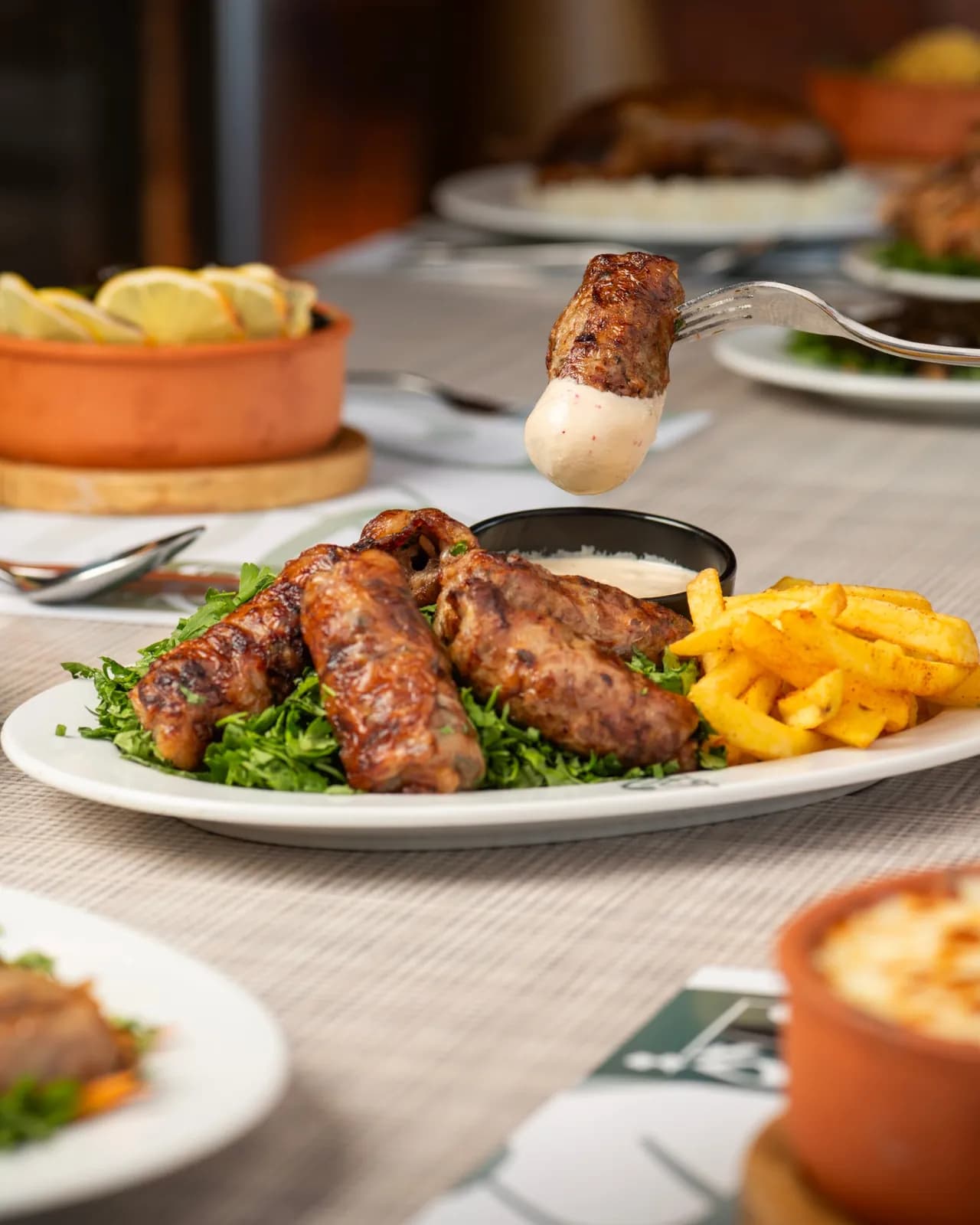
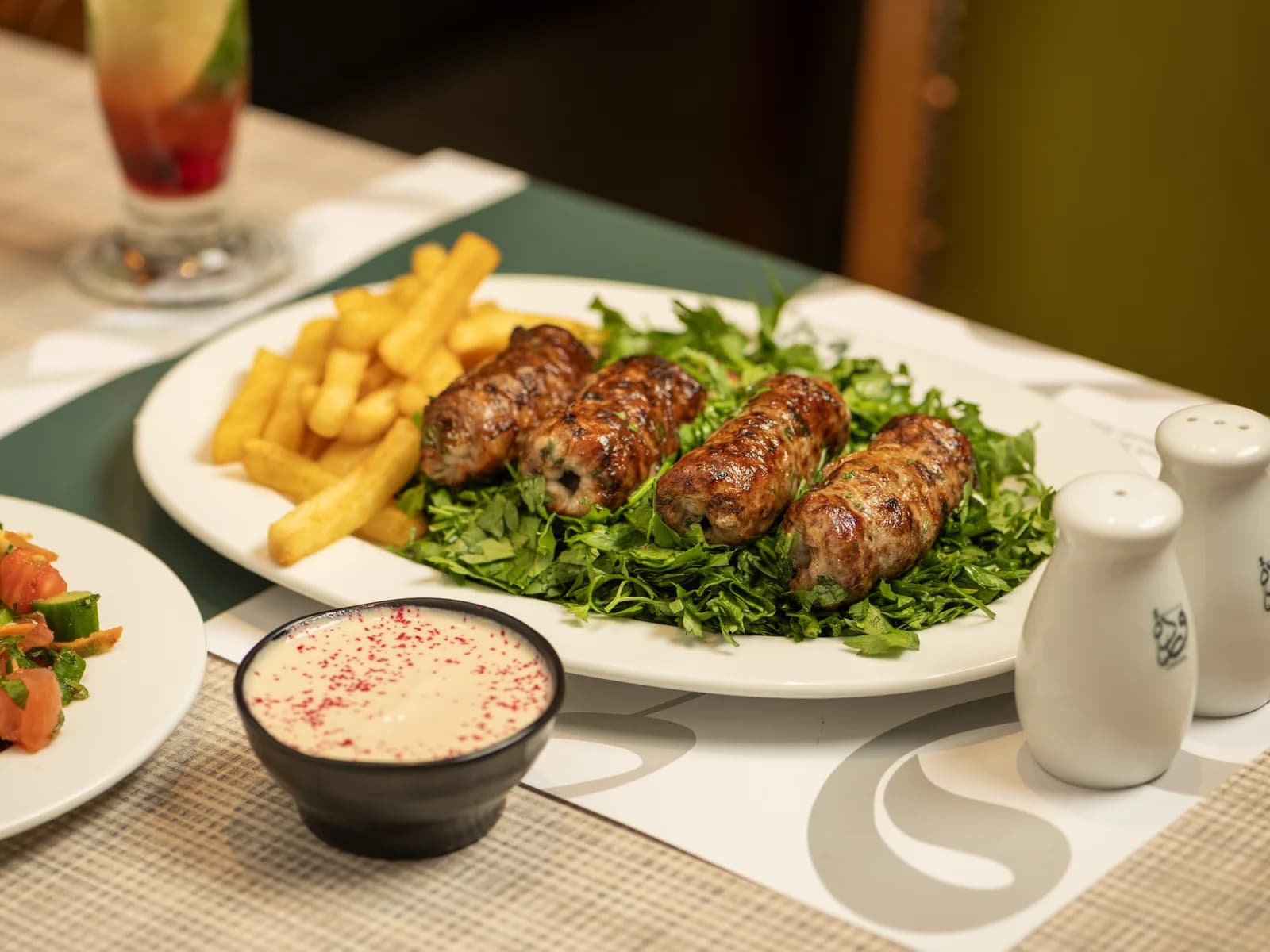
- "Tarb": not music; it is a fatty membrane wrapped around kofta.
- "Lisan asfour": no bird involved; it is a small pasta.
- "Koronb" and "malfouf": the same vegetable, cabbage. Egyptians mostly say koronb, and the menu says "malfouf".
The Egyptian menu glossary, A to Z (in Arabic order)
| Word | Plain meaning | Example from the menu |
|---|---|---|
| Om Ali | A warm dessert of baked pastry with milk, cream and nuts | Om Ali |
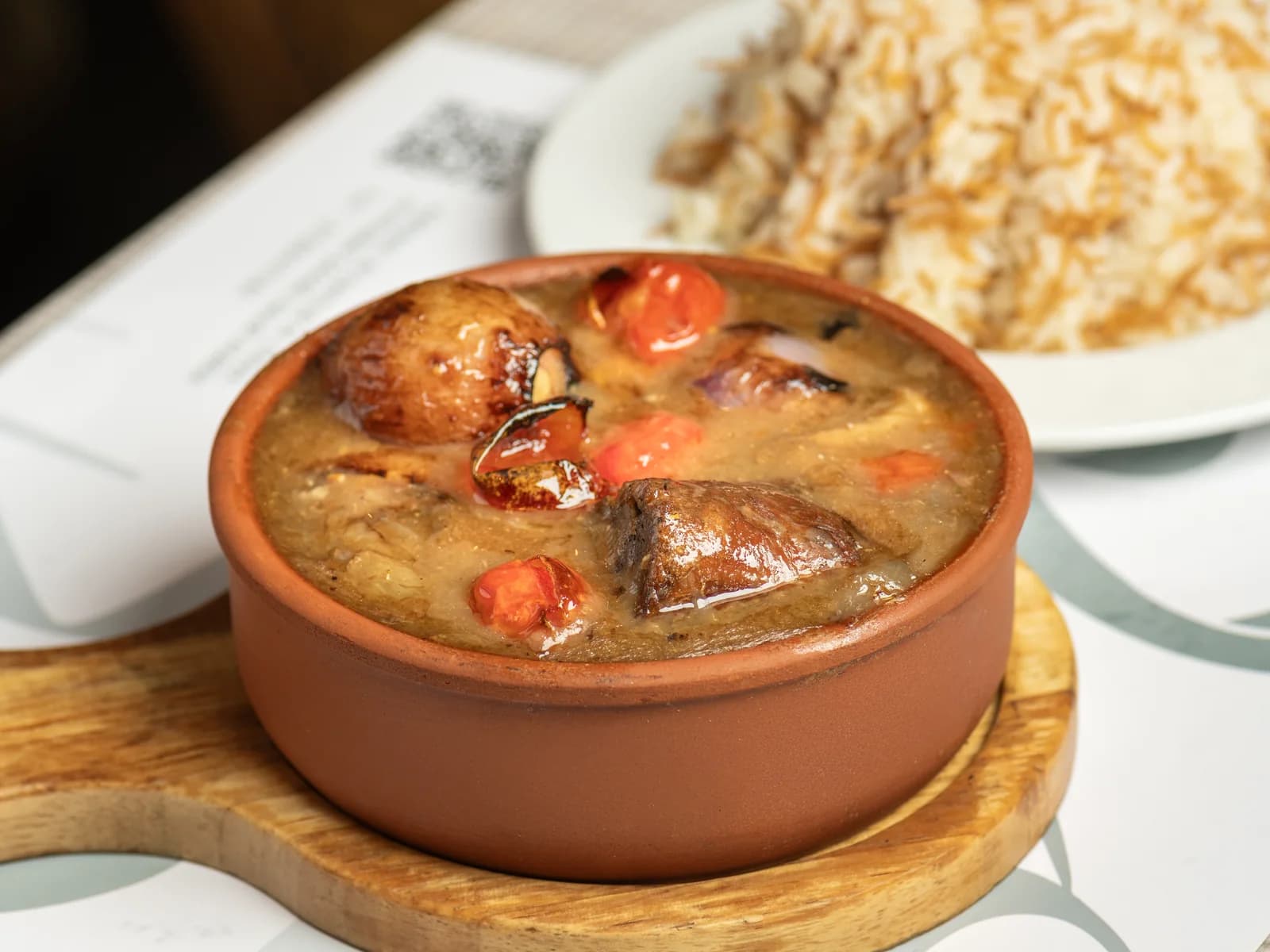
| Orma | Small onions cooked whole, not chopped | Beef casserole with pearl onions |
| Iskandarani | Alexandria style; for liver it means garlic, hot pepper and spices | Alexandrian liver |
| Bamia | Okra: small green pods, usually cooked in tomato sauce | Okra and beef casserole |
| Bashamel | Béchamel: a creamy white sauce of butter, flour and milk | Macaroni béchamel casserole |
| Ba'ari / dani | Ba'ari = beef, dani = lamb | Kebab (beef), lamb chops |
| Hawawshi | Baladi bread stuffed with seasoned meat and cooked until crisp | Meat hawawshi |
| Dawood Basha | Kofta balls in tomato sauce | Dawood Basha kofta |
| Reyash | Lamb ribs with their meat, usually grilled (lamb chops) | Lamb chops |
| Sogo' | Seasoned Egyptian sausage, cooked in a pan, a casserole or inside bread | Sausage casserole |
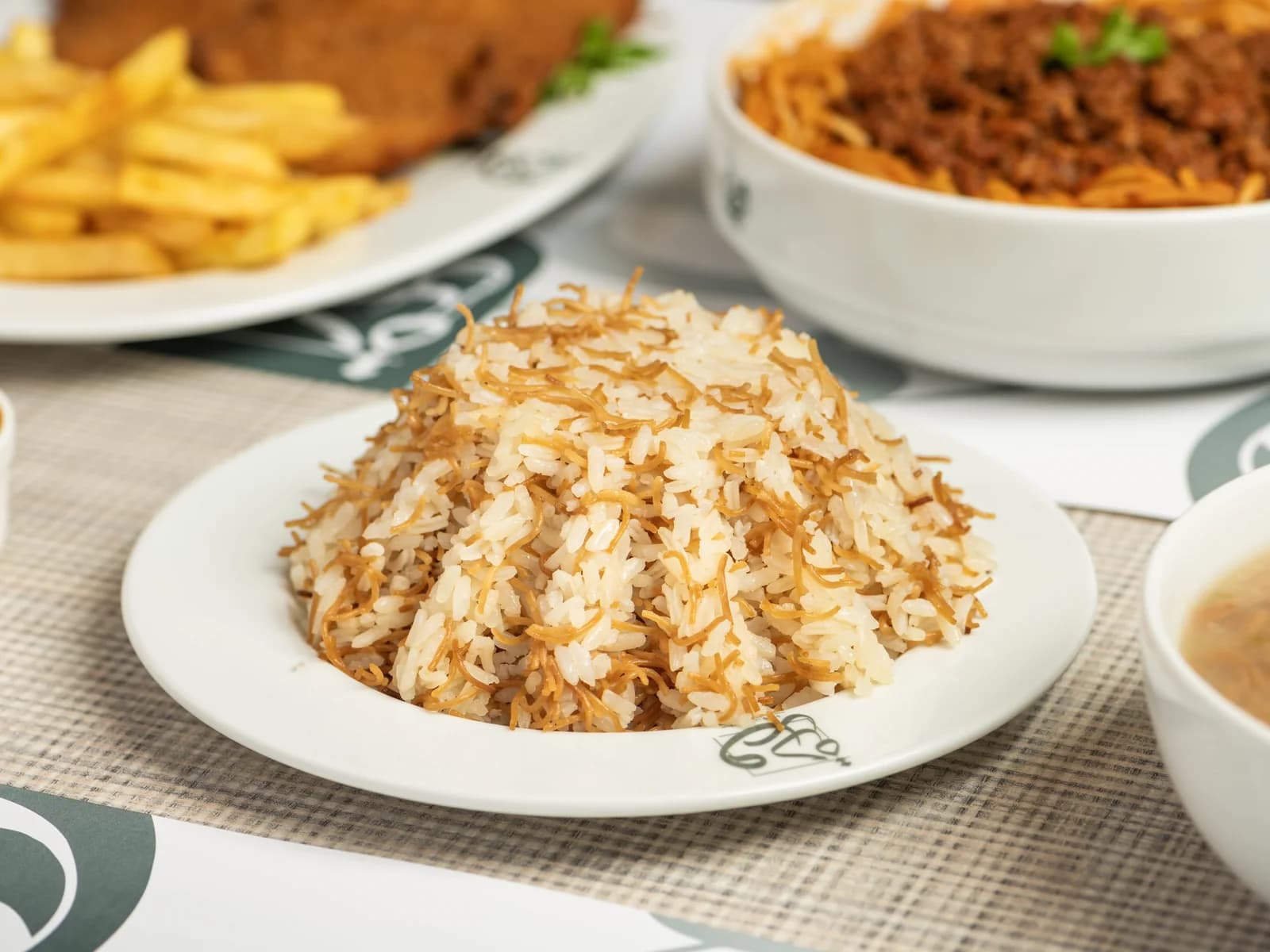
| She'reya | Thin vermicelli strands browned and cooked with rice | Egyptian rice with vermicelli |
| Shish | Seasoned pieces on skewers, grilled | Chicken shish |
| Tagen | The clay pot food is cooked in; the word became the dish's name | Molokhia casserole |
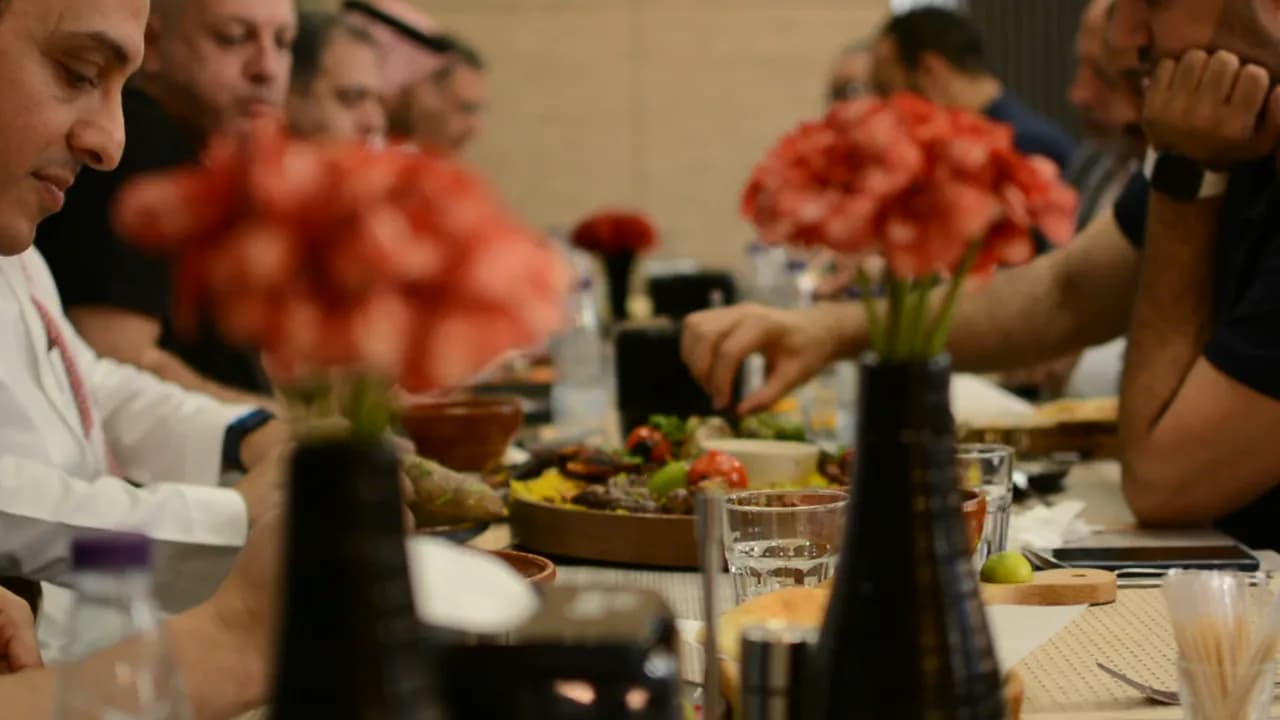
| Tableya | A low round table families ate around; in restaurants, a mixed platter | Rokn Warda platter |
| Tarb | A thin fatty membrane wrapped around kofta and grilled over charcoal | Tarb |
| Tasha / ta'leya | Garlic browned in ghee with dried coriander, poured on molokhia | Molokhia casserole |
| Fatteh | Toasted bread, rice, vinegar-garlic sauce and meat on top | Beef fatteh |
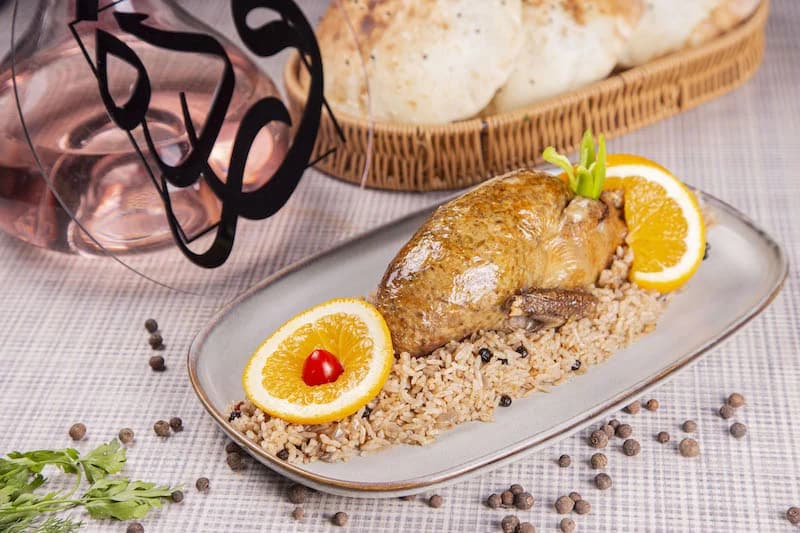
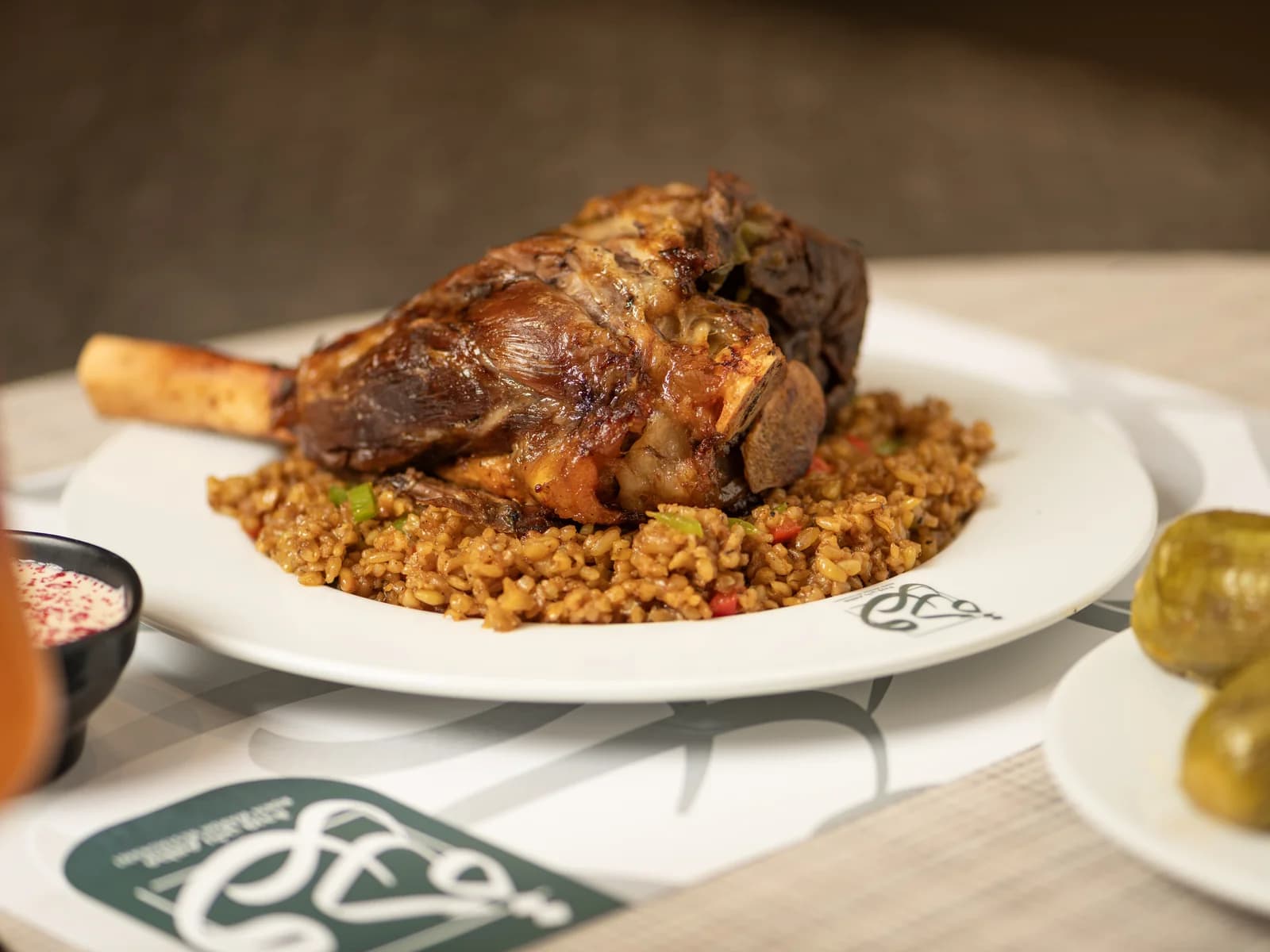
| Freekeh | Wheat harvested green and roasted, with a smoky aroma | Lamb shank with freekeh |
| Eshta | Thick cream used in desserts | Kunafa with cream |
| Kofta | Minced meat with spices and herbs, grilled or cooked | Kofta |
| Kawareh | Trotters: the lower legs of beef or lamb, slow-cooked until tender | Trotters soup |
| Lisan asfour | Small pasta shaped like a grain of rice (orzo), made into soup | Orzo soup |
| Mahshi / mahashi | Vegetables or leaves stuffed with rice seasoned with herbs | Mixed mahshi |
| Mesa'a'a | Aubergine and minced meat in a sauce (Egyptian moussaka) | Moussaka casserole with minced meat |
| Molokhia | Green leaves finely chopped in broth, topped with tasha | Molokhia casserole |
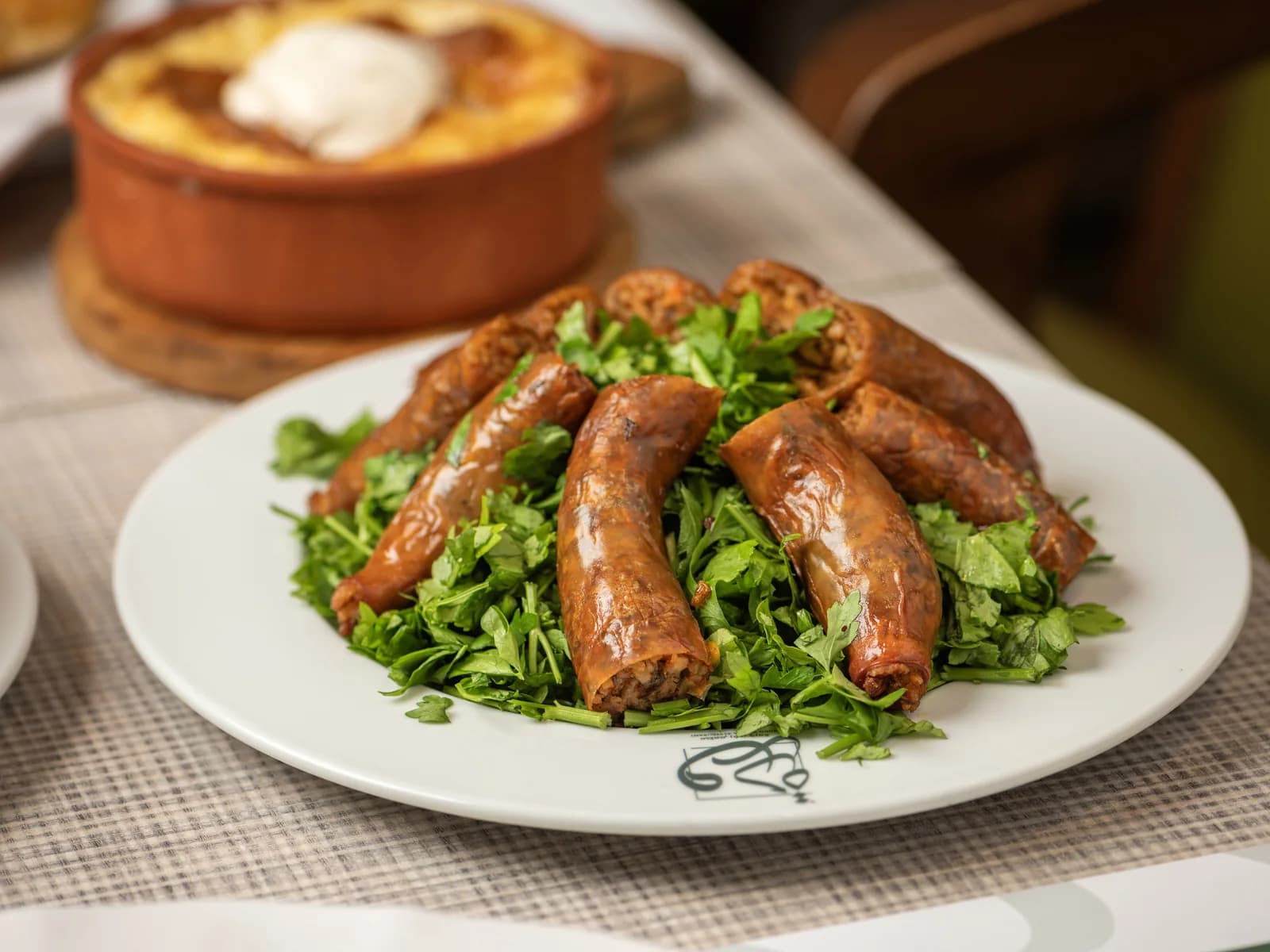
| Mombar | Casings cleaned well, stuffed with seasoned rice and browned | Mombar |
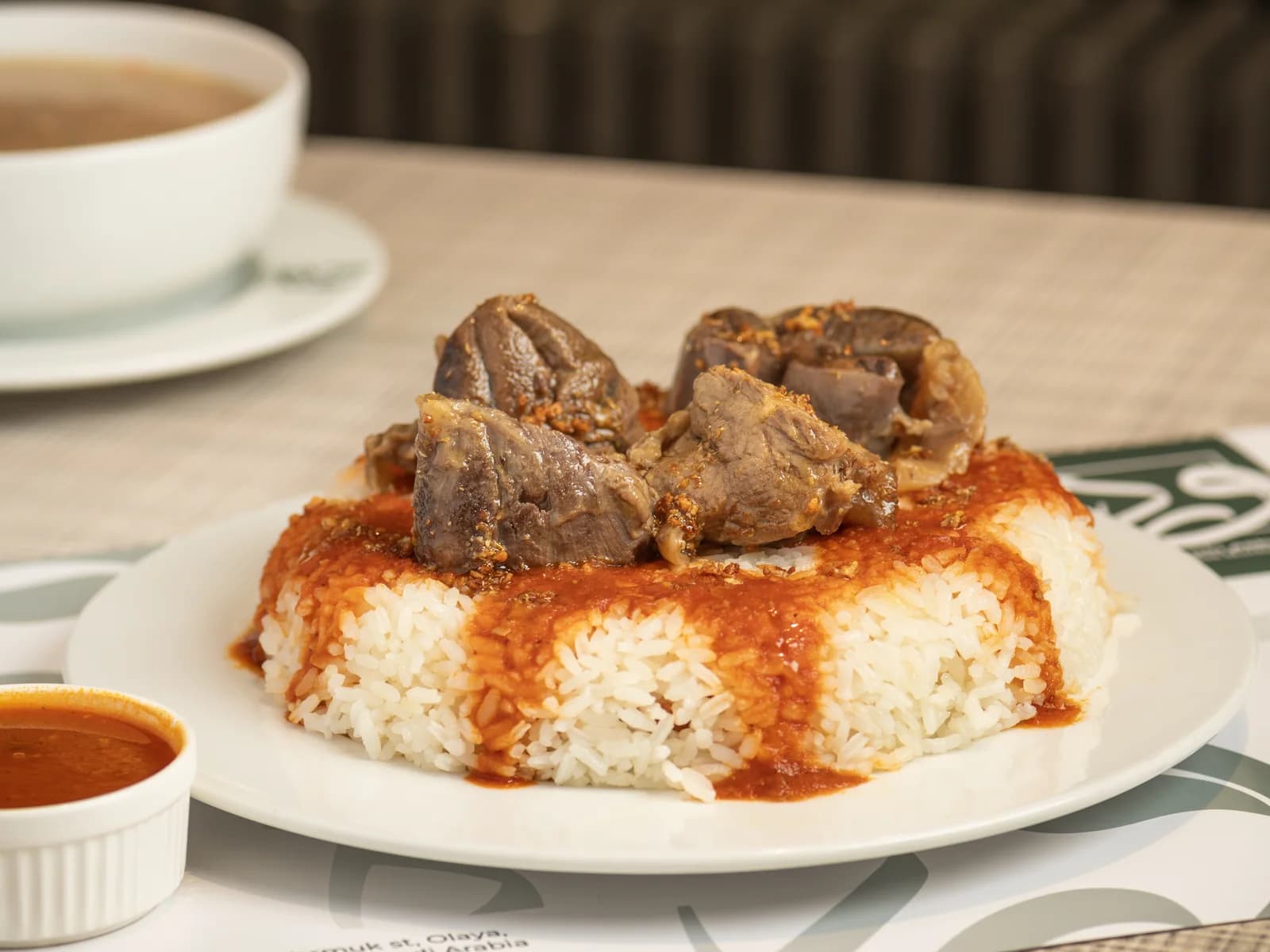
| Moza | Lamb leg meat around the bone, slow-cooked (lamb shank) | Lamb shank fatteh |
| Wara' enab | Vine leaves stuffed with rice and rolled into fingers | Stuffed vine leaves |
| Wara'et lahma | The name of a dish of meat with potatoes and vegetables, usually oven-cooked in homes | Beef waraqet lahma |
Words that need a little more
Tasha and ta'leya
The same thing under two names: minced garlic sautéed in ghee until golden, with dried coriander, poured over molokhia and other dishes. Some homes say "ta'leya", others "tasha", and in many homes the name is said to come from the "tash" sound when the hot garlic hits the molokhia. On Rokn Warda's menu the molokhia casserole is described as "molokhia in a rich broth with Egyptian garlic and coriander ta'leya". For spices read Egyptian spices.
Orma
Not a kind of meat; it is the small onion that stays whole in the casserole. The word's origin is not known for certain. The full story is in beef casserole with pearl onions.
Mombar
Many people hesitate when they learn it is stuffed casings, but after tasting it, it often becomes a favourite: seasoned rice inside a thin casing, browned and crisp. Read about it in Egyptian mombar.
Freekeh
Roasted green wheat, served in Egypt with lamb shank and as a stuffing for pigeon. If you love jareesh, there is a calm comparison in Egyptian freekeh and Saudi jareesh.
Wara'et lahma
The name confuses many people. On Rokn Warda's menu, beef waraqet lahma is described as "beef cooked with potatoes, vegetables and spices". In many Egyptian homes the dish is baked in the oven covered, and the name most likely comes from that. Details in Egyptian waraqet lahma.
How to use the glossary when you order
- If the name has "tagen", the dish is cooked in clay with a sauce and usually comes with rice.
- If it has "mahshi", there is seasoned rice inside something.
- If it has "fatteh", there is toasted bread, rice, vinegar and garlic.
- If you worry about chilli: the only dish marked spicy on the menu is Alexandrian liver. The mark is a guide, and if you have an allergy or a particular diet, ask the staff.
Frequently asked questions
Why are Egyptian names so unusual? Many come from the Egyptian home and everyday dialect, and some come from other languages that entered the kitchen long ago. On that, read What did the Ottomans leave in Egyptian cuisine?.
What should I start with the first time? We have a full starter guide: First time eating Egyptian food?.
What if a word is not in the glossary? Open the dish's page on the menu; every dish has a short description, and if you are still unsure ask the staff and they will explain.
Order knowing what you get
Now when you read "orma", "tarb" or "tasha" you will know what you are ordering. Open the menu and order for delivery in Al Khobar and Dammam, or book a table at Rokn Warda on Al Yarmouk Street in Al Khobar, and ask about any new word while you are there.