Sit down to breakfast in a country home in Egypt and you may find, in the middle of the table, a small dish of something yellowish or brownish with a very strong smell, into which everyone dips a small piece of bread. This is mish, one of the best-known foods of the Egyptian countryside and one of the strangest dishes in visitors' eyes. Some call it "the king of breakfast"; others take two steps back the moment they smell it.
In this article we explain what mish is, how it differs from aged cheese, how it was made at home, how it is eaten, and why it has stayed with Egyptians to this day.
What is mish?
Simply put, mish is aged cheese left for a long time in a closed container with a salty liquid, until its taste changes and becomes sharp and pungent and its texture turns soft or creamy. The word "mish" refers to the whole mixture: the cheese and the liquid it sits in.
Mish and aged cheese: is there a difference?
Many people confuse the two, and the difference is simple:
- Aged cheese (gebna adima): white cheese stored in salty water for a long time, so it becomes a little firmer and stronger than fresh cheese. People eat it in slices with tomatoes, or with watermelon in summer.
- Mish: a step further, where aged cheese itself, or what is left of it, is kept with milk or cheese whey and seasonings until it becomes a very strong mixture.
So you could say every mish began as cheese, but not every aged cheese becomes mish.
How did households make mish?
Mish is a home food before it is anything sold, and every cook has her own way and her own secret. What follows is a description of the custom as people tell it, not a recipe.
The ballas: home of the mish
In the past mish was made in a ballas, a large clay jar used to store cheese and mish, which had a fixed corner in country homes, usually somewhere shaded. Clay has a big place in Egyptian cooking, as we told in Egyptian clay pots and their heritage. Today many homes use glass jars instead of the ballas.
The steps that recur in the stories
In many homes, the story goes roughly like this:
- Leftover aged cheese or areesh cheese goes into the jar.
- Milk or cheese whey is added, or a little old mish from a previous batch.
- Salt goes in, and many homes add chilli or pepper.
- The jar is closed and left for a long time, and the longer it waits, the stronger the taste.
A well-known custom is to leave some of the old mish in the jar to start the new batch, as if the mish were passed down in the home from one batch to the next.
The taste changes from home to home
- There is mild mish, light in colour, sour and salty but not harsh.
- There is well-aged mish, darker and very pungent, the kind mish lovers look for.
- Some homes add tomato, onion or oil at serving time to soften it a little.
How is mish eaten?
Mish is not eaten by the plateful. It is a strong flavour eaten in small amounts, and its charm is the taste it gives to simple food.
- With baladi bread in the Delta, or sun bread (eish shamsi) in Upper Egypt. Read The story of baladi bread.
- With tomatoes, cucumbers, peppers and green onions.
- Beside ful and eggs at a country breakfast.
- In many homes a little oil is poured over it and stirred in before serving.
The glass of tea after this breakfast is part of the ritual for many people; read about it in Tea and coffee in Egypt.
Why does mish seem strange to visitors?
- The smell: mish has a strong, penetrating smell, the first thing anyone notices on seeing it for the first time.
- The sharp taste: salty and pungent, unlike the cheeses many people are used to.
- The look: a runny or thick mixture, not the neat block of cheese a guest expects.
Yet the idea itself is not strange to the world: many countries have strong-smelling aged cheeses they are proud of. Every people has its "strong cheese", and mish is the Egyptians' strong cheese.
"Mish" and "mish"
One thing that makes guests laugh is that the word "mish" in Egyptian speech also means "not". So you may hear someone say in all seriousness, "ana mish bahebb el-mish" ("I don't like mish"), or someone joke that "this mish is not just any mish". One word, two meanings, and a guaranteed laugh at the table.
Mish in proverbs and tales
Mish has even entered the way Egyptians speak. The well-known proverb "the worms of the mish come from the mish itself" is said when a problem comes from inside the household or the group, not from outside. Egyptian food proverbs are many; we gathered some in Egyptian proverbs about food.
In the countryside it is said that a home with a jar of mish and a jar of cheese is never at a loss for breakfast, because this food keeps and lasts for many days. The saying shows what mish once was: the security of the household, food ready at any time.
Mish far from Egypt
Egyptians living in Saudi Arabia and the Gulf miss the taste of a country breakfast, and some homes try to make mish themselves the way they learned from their mothers. Mish remains one of the foods that remind people of home, the village and family, even as a small dish in the corner of the table.
Frequently asked questions
What exactly is mish? Aged cheese left for a long time in a closed container with milk or cheese whey and salt, until its taste is sharp and its texture soft.
What is the difference between mish and aged cheese? Aged cheese is white cheese stored in salty water, while mish goes a step further and is made from aged cheese itself, or its leftovers, until it becomes a strong mixture.
Why does mish smell so strong? Because the cheese is left for a long time with salt and milk or cheese whey, so its taste and smell change and grow stronger the longer it waits.
What does "the worms of the mish come from the mish itself" mean? A well-known Egyptian proverb meaning that a problem comes from within the group itself, not from an outsider.
Does Rokn Warda serve mish? No. Mish belongs to Egyptian home culture and is not on the Rokn Warda menu.
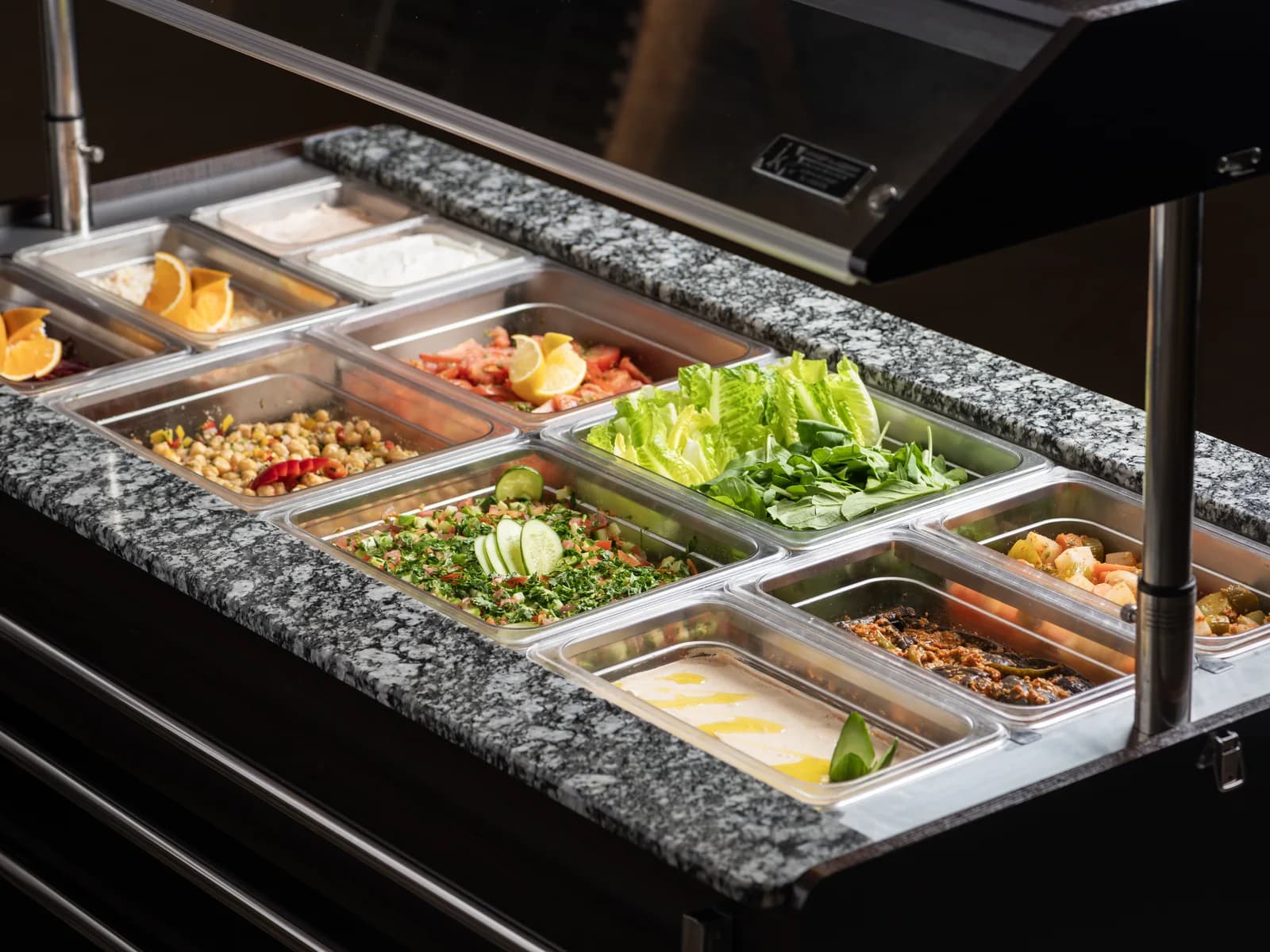
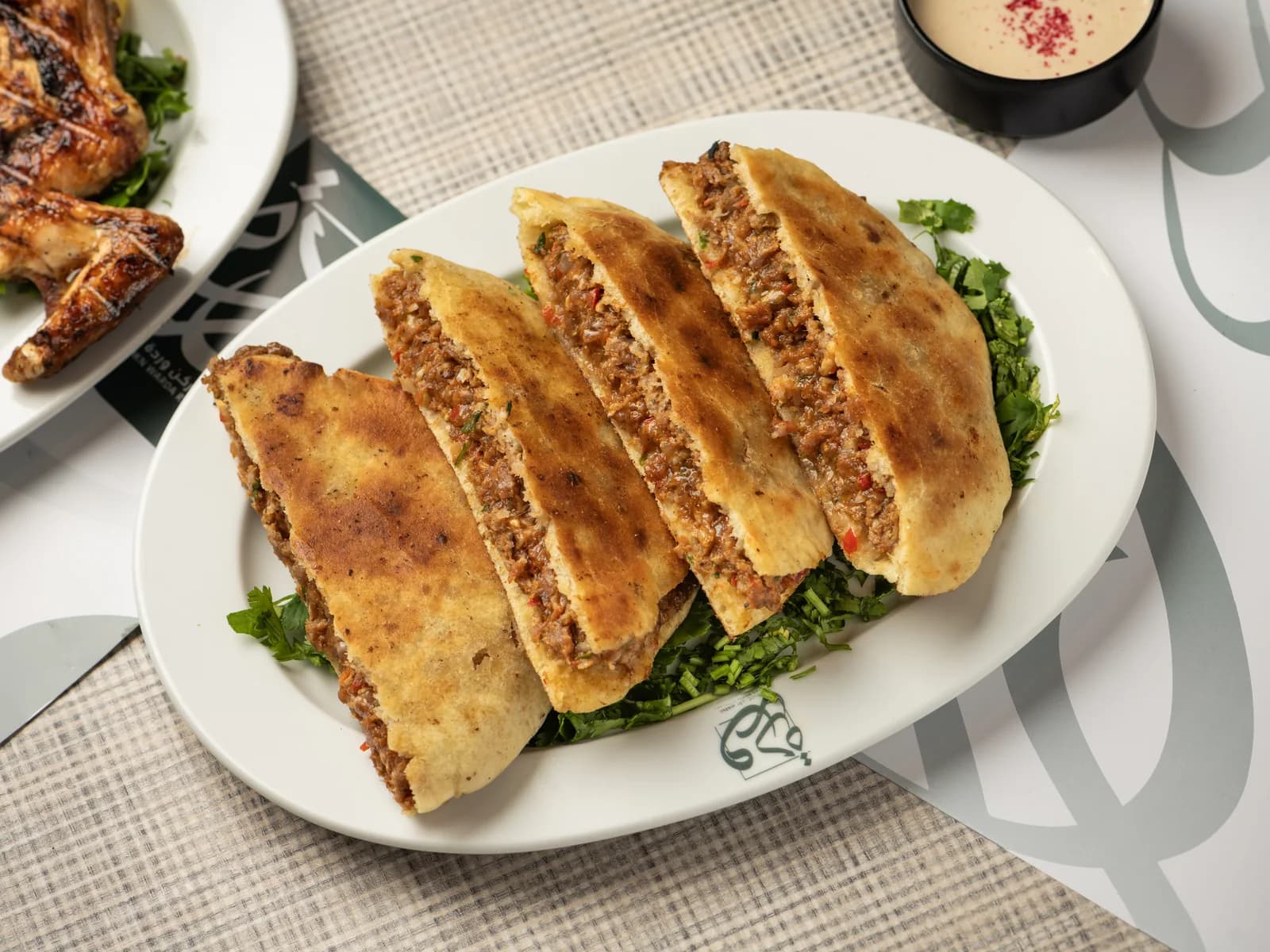
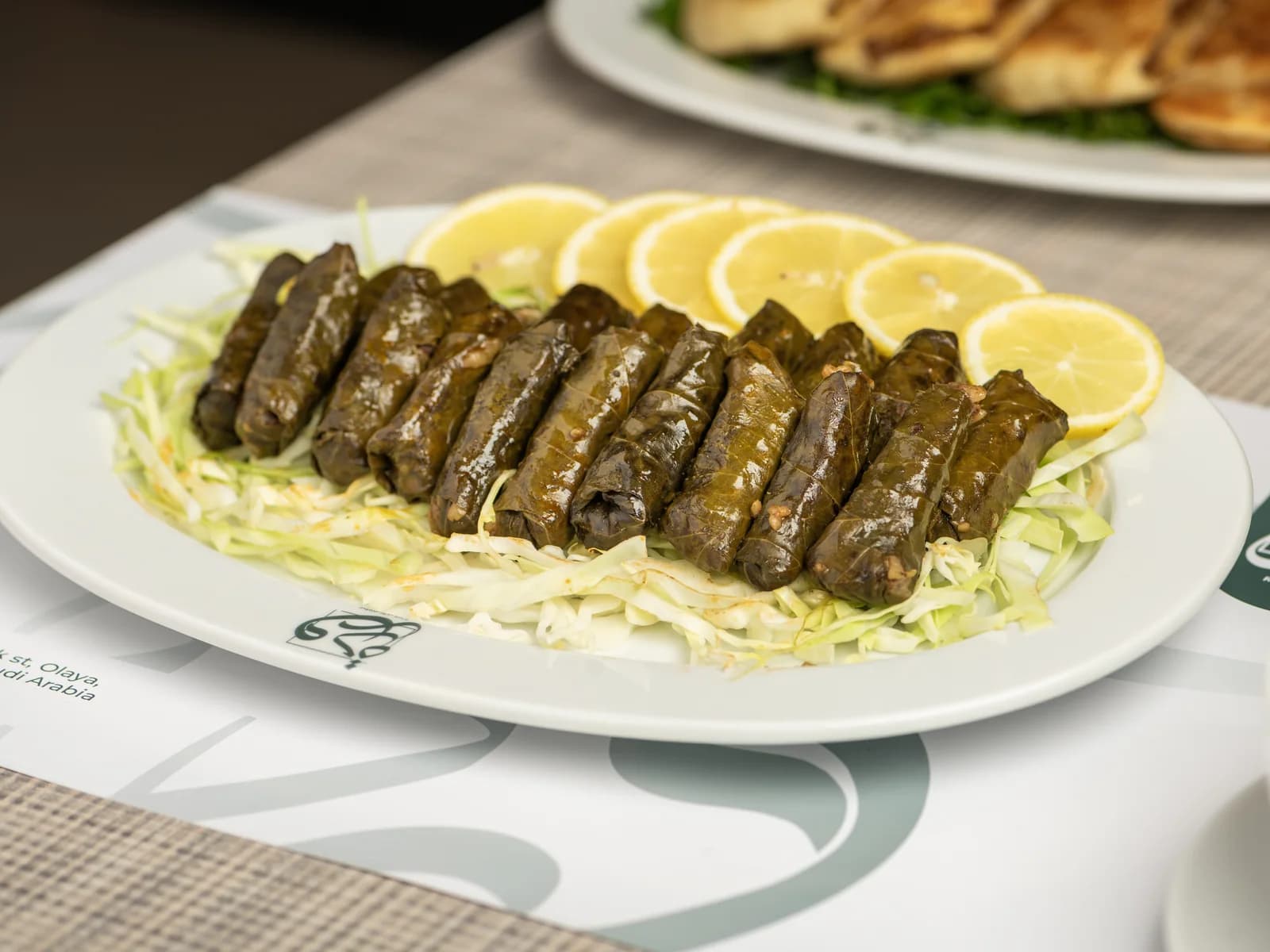
From a country breakfast to an Egyptian table in Al Khobar
Mish is a story of homes and clay jars, and its natural place is the breakfast table in the countryside. If you are craving the taste of an Egyptian home in Al Khobar, at Rokn Warda on Al Yarmouk Street we have dishes that bring the same feeling: the salad buffet with its greens, lentil soup, meat hawawshi in bread, and stuffed grape leaves, finished with a pot of tea. Browse the menu, read A journey through Egypt's regional food, and book your table if you are coming with family.