Breakfast in Egypt is not just the morning meal. It is the smell of ful rising from the pot, the sizzle of taameya in the fryer, a warm bag of baladi bread and the glass of tea that closes the sitting. Ask any Egyptian about the most famous Egyptian breakfast dishes and they will count them off on their fingers with a smile, because every dish is tied to a memory: school breakfast, a quick breakfast on the way to work, or the Friday breakfast with the family.
In this guide we walk through ten of the best-known things that appear on the Egyptian breakfast table, how they are served, and why each one has its place.
In this article
- 1Why does Egyptian breakfast taste so special?
- 21. Ful medames: king of the table
- 32. Taameya: the crisp green patty
- 43. Eggs with basterma
- 54. Egyptian eggah
- 65. Eggs in every form
- 76. Cheese: white, aged and roumy
- 87. Baladi bread: no breakfast without it
- 98. Feteer meshaltet with honey and cheese
- 109. Fried potatoes, fried aubergine and pickles
- 1110. Molasses and halawa
- 12Tea: the end of every breakfast
- 13Friday breakfast is like no other day
- 14How to lay an Egyptian breakfast table
- 15Frequently asked questions
- 16The spirit of Egyptian breakfast on your table in Al Khobar
Why does Egyptian breakfast taste so special?
- Simple and accessible: most dishes are made from ingredients found in any home, such as beans, eggs, cheese and bread.
- Filling: Egyptian breakfast is made to carry you through the day, especially for people whose work starts early.
- Food for sharing: the dishes go in the middle of the table and everyone eats from them with bread, which is the spirit of the Egyptian table.
1. Ful medames: king of the table
There is no Egyptian breakfast without ful medames. The fava beans are cooked over a low flame for many hours until soft, then mashed or served whole. Its long story has its own article: The history of ful medames.
Well-known ways to serve it
- With oil, cumin and lemon, the simplest and most popular way.
- With tahini for those who like a creamy texture.
- With ghee in many homes, especially in winter.
- With tomato, onion and pepper, the version many shops call "Alexandrian".
- With hot chilli oil for those who like a strong taste.
2. Taameya: the crisp green patty
Egyptian taameya is made from split fava beans with coriander, parsley, dill, onion and garlic, which is why it is green inside. It is fried in small patties, crisp outside and soft inside, and eaten in a baladi loaf with tahini and salad. To learn how it differs from falafel, read Taameya and falafel: the story and the origin.
3. Eggs with basterma
Basterma is seasoned, air-dried beef wrapped in a spice coating of fenugreek, garlic and paprika. Sliced thin, browned in ghee and topped with cracked eggs, it makes a dish whose aroma fills the house. It is said that basterma reached the Egyptian kitchen through Ottoman influence and the communities that lived in Egypt, a story we tell more of in Ottoman influence on Egyptian food.
4. Egyptian eggah
Eggah is not an ordinary omelette. The eggs are beaten with chopped onion and parsley, many homes add dill or a little flour, and it is fried in a pan or baked until thick and set. It is cut like a cake and eaten hot, or even cold in a sandwich.
5. Eggs in every form
Beyond basterma and eggah, eggs appear at the Egyptian breakfast in many forms:
- Boiled eggs with salt and cumin, the companion of train journeys and school days.
- Eggs fried in ghee in the small pan that goes to the table just as it is.
- Eggs with tomato or with onion for a different taste.
6. Cheese: white, aged and roumy
Cheese is a basic part of Egyptian breakfast, and the best-known kinds are:
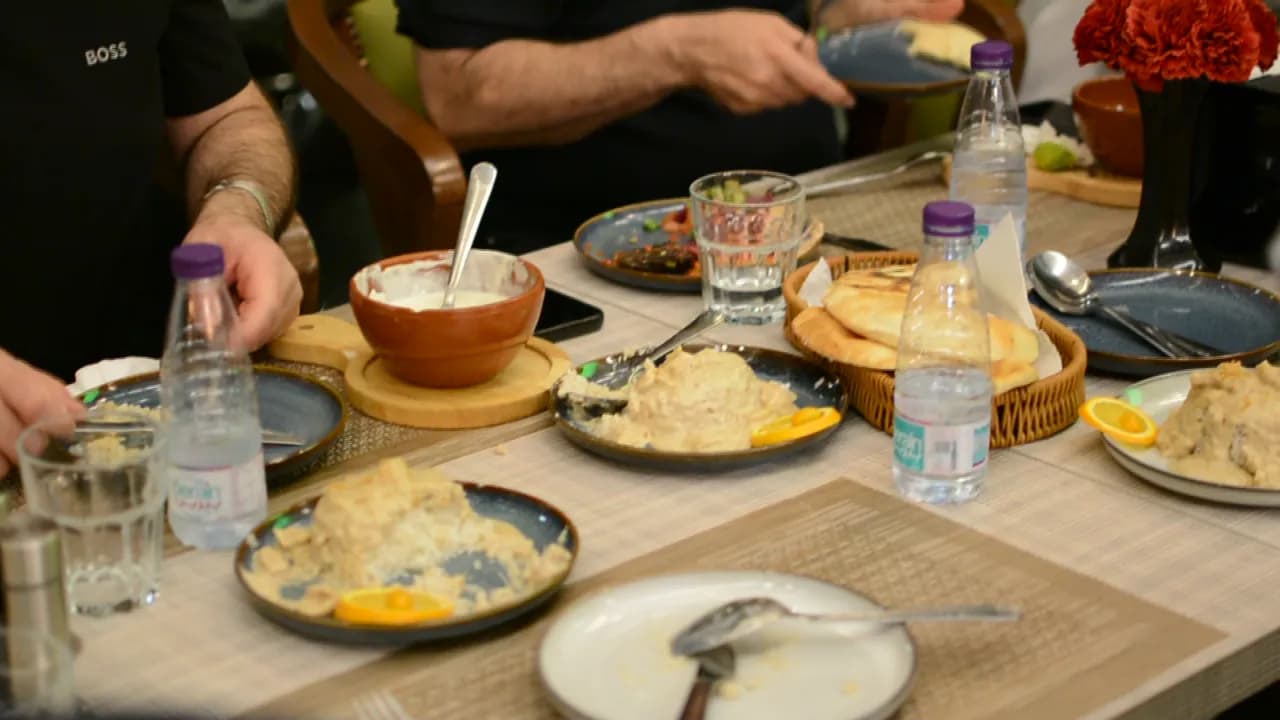
- White cheese (such as domiati) with tomato, cucumber and a little olive oil.
- Aged cheese and mish: strong and salty, much loved in the countryside and Upper Egypt.
- Roumy cheese: a hard cheese with a distinctive taste, eaten in slices or added to feteer.
- Areesh cheese: a simple soft cheese made in many country homes.
7. Baladi bread: no breakfast without it
Egyptians call bread "aish", a word that also carries the meaning of life, which says how essential it is. The round, puffed baladi bread is spoon and plate at once: you scoop ful with it, stuff it with taameya and wipe the last of the dish with it. Its full story is in The history of baladi bread.
8. Feteer meshaltet with honey and cheese
In the countryside and on special days, breakfast goes up a level with feteer meshaltet: thin layers with ghee baked until crisp. It is eaten with honey, with molasses and tahini, or with aged cheese and mish for those who prefer savoury. Read about it in Feteer meshaltet and rural hospitality.
9. Fried potatoes, fried aubergine and pickles
In ful and taameya shops, breakfast is not complete without:
- Fried potatoes in a bread sandwich.
- Fried aubergine with garlic and vinegar.
- Pickles of every kind, and a baladi salad of tomato and cucumber.
10. Molasses and halawa
For those who like to finish with something sweet: black honey (molasses) with tahini, or halawa (tahini halva) in a loaf of bread. Simple, but part of the memories of generations.
Tea: the end of every breakfast
Egyptian breakfast usually ends with a glass of tea, and many people like it with milk in the morning. For the place of tea and coffee in the Egyptian home, read Tea and coffee culture in Egypt.
Friday breakfast is like no other day
On Friday, breakfast becomes an occasion: someone goes down to buy ful and taameya from the ful cart or the shop on the corner, the lady of the house makes eggah and eggs with basterma, the table is spread with everything, and the whole family gathers. To learn more about street food, read The story of street food in Egypt.
How to lay an Egyptian breakfast table
If you would like to try a full Egyptian breakfast at home, this is the picture that recurs in many homes:
- A dish of ful in the middle with oil and cumin, and a dish of tahini beside it.
- A tray of hot taameya, with fried potatoes and aubergine.
- Eggs: eggah or eggs with basterma in the pan.
- A cheese plate of white cheese with tomato, and a piece of aged cheese for those who like it.
- Pickles and baladi salad.
- A bag of warm baladi bread, and at the end a pot of tea.
Most important of all, the table should never be rushed: a real Egyptian breakfast is a sitting of talk and laughter before it is a meal.
Frequently asked questions
What is the most famous Egyptian breakfast dish? Ful medames, without rival, usually joined by taameya and baladi bread.
What is Egyptian taameya made from? From split fava beans with greens such as coriander, parsley and dill, which is why it is green inside.
What is the difference between eggah and an omelette? Eggah is thicker, the eggs are mixed with onion, herbs and sometimes flour, and it is cut like a cake.
Is feteer meshaltet an everyday breakfast? Not in every home. It is closer to a breakfast for occasions and guests, especially in the countryside.
What is basterma? Seasoned, air-dried beef wrapped in a spice coating of fenugreek and garlic; its best-known breakfast use is browned with eggs.
The spirit of Egyptian breakfast on your table in Al Khobar
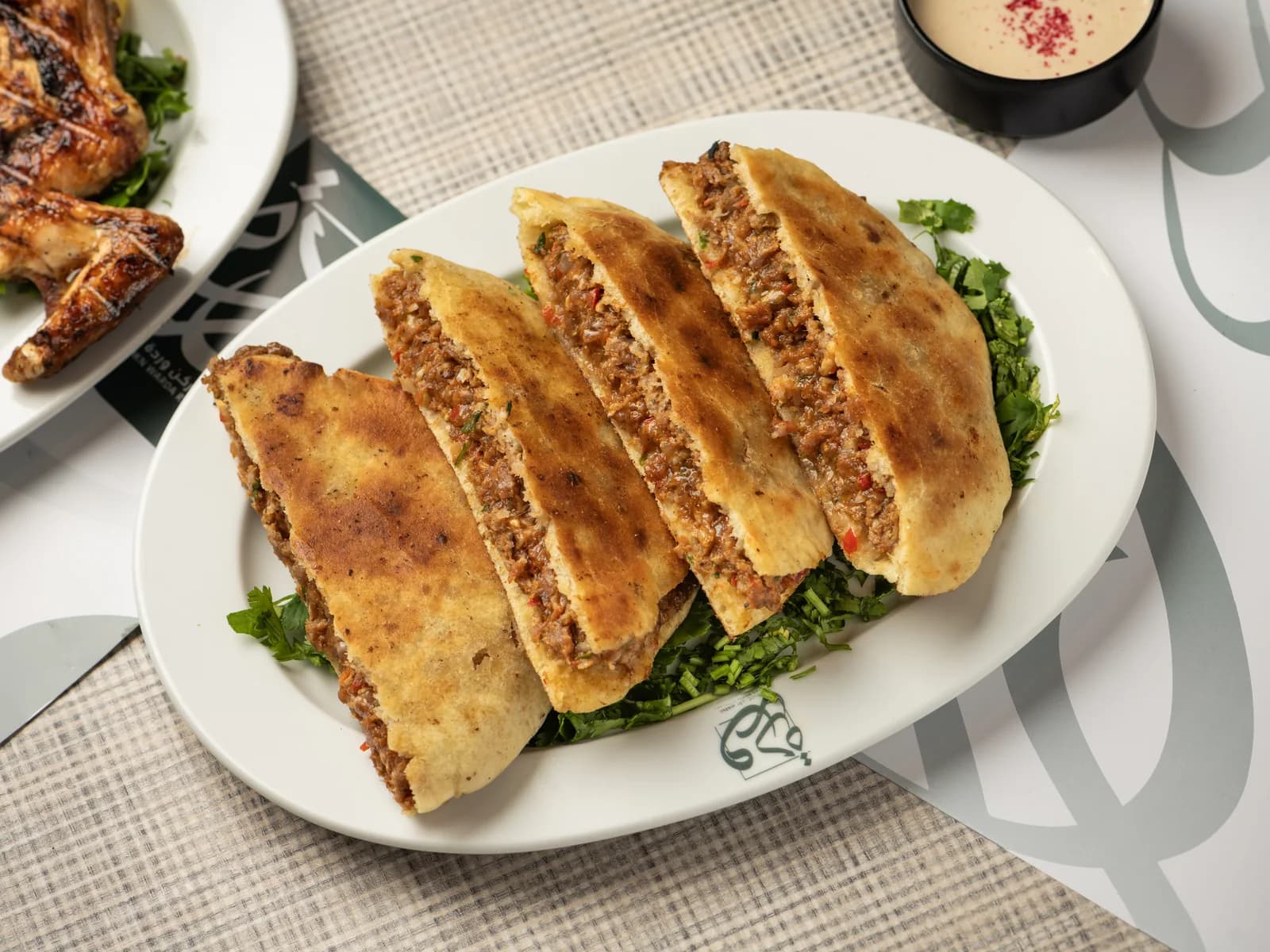
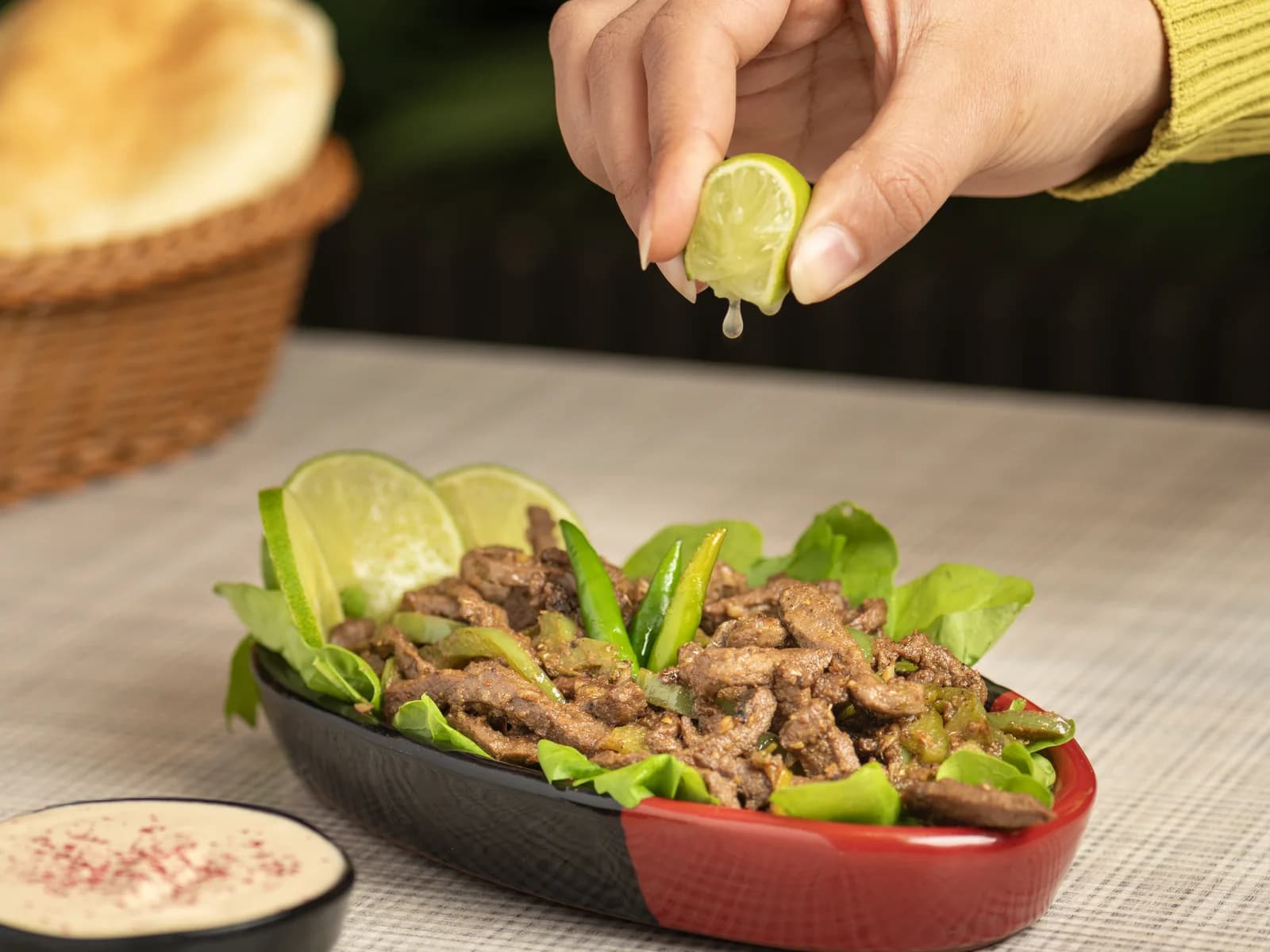
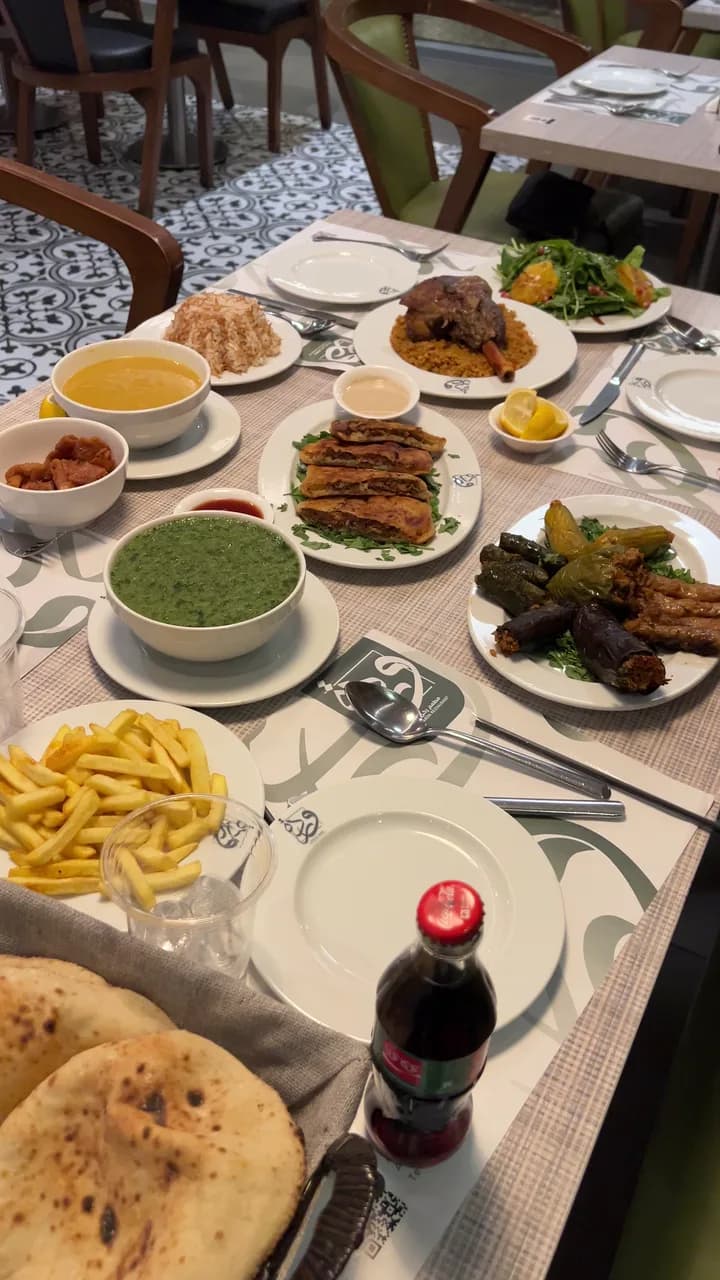
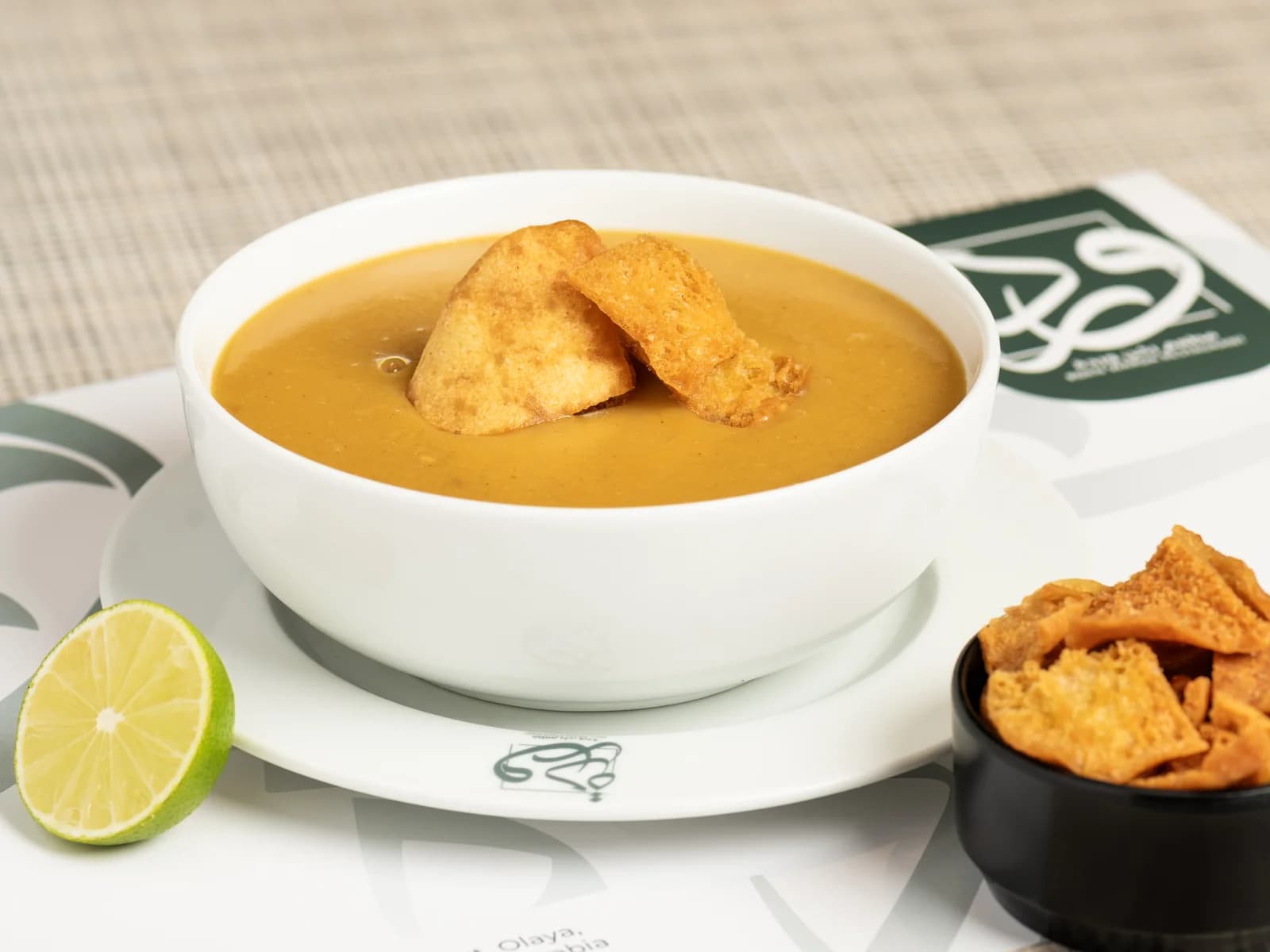
These dishes are not on the Rokn Warda menu; we write about them here as part of Egyptian food culture only. But if you are looking for the same warm, simple spirit, at Rokn Warda on Al Yarmouk Street in Al Khobar you will find lentil soup, meat hawawshi born of the spirit of street food, Alexandrian liver, and a pot of tea to close the sitting the way Egyptians love. Browse the full menu, read The most famous Egyptian dishes in Saudi Arabia, and if you are coming with family or friends, book your table.